
Reviewed · BOGOTÁ TOURS
Shared Tour of Bogota’s Historic Downtown (La Candelaria)
Bogotá’s old center is not a polished museum district. It is a working neighborhood where colonial churches, government buildings, political scars, street art, food stalls, and steep streets all crowd together. This shared walking tour gives you a useful first look at La Candelaria, from the city’s beginnings to the 1948 Bogotazo riot and today’s graffiti culture.
I like the way the tour connects major events to ordinary places, especially Bolívar Square and the Concordia market’s chicha tradition. I also like the practical local advice, including places for lunch, coffee, souvenirs, and later sightseeing. The main drawback is the physical effort: you may walk about 7 kilometers, much of it uphill, at roughly 8,600 feet above sea level, and a group can reach 36 people.
Key points at a glance
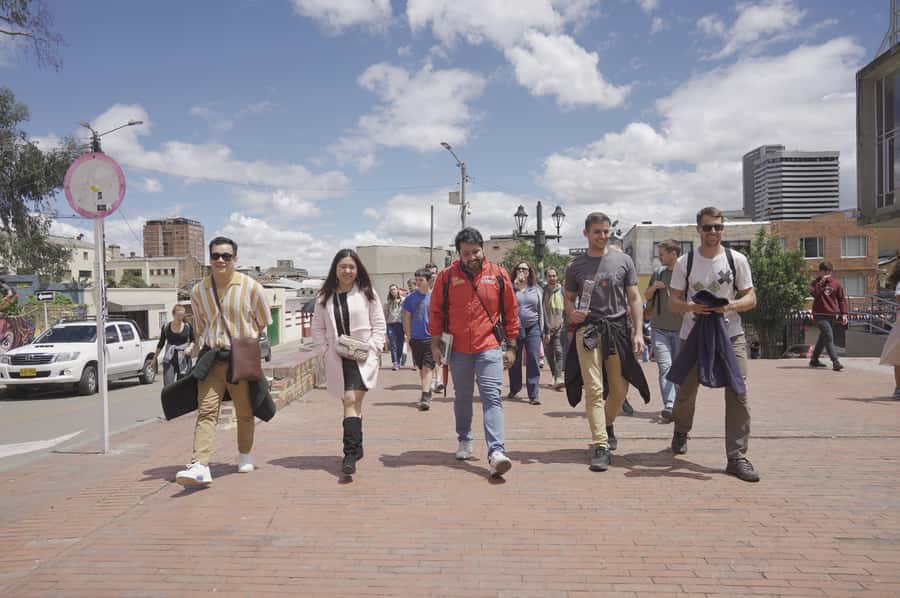
- Follow Bogotá’s story through its most important public spaces, including Bolívar Square, Chorro de Quevedo, and the area around the Botero Museum.
- Learn what El Bogotazo changed, with an explanation of the 1948 riot and the role of political leader Jorge Eliécer Gaitán.
- Try chicha when available, an ancestral corn-based drink tied to Indigenous culture and local heritage.
- Read La Candelaria’s graffiti as public history, especially in El Embudo alleyway.
- Expect a real walking workout, with about 7 kilometers on foot, uphill sections, rest stops, and weather that can change quickly.
- Pay $13 for a shared introduction, with no entrance fees or surprise charges built into the route.
Why La Candelaria makes such a good first stop
La Candelaria is where Bogotá’s past remains visible at street level. You are not simply moving between isolated attractions. You are walking through narrow lanes and open squares where the city’s Spanish colonial beginnings, modern politics, student culture, art, and street food overlap.
The tour begins in front of the Museo del Oro, beneath Beyond Colombia’s red umbrellas. This is a practical meeting point near one of Bogotá’s best-known museums, though admission to the museum is not part of the walk. Starting here lets your guide place the old center within the wider city before leading you toward the hills and the oldest streets.
Beyond Colombia has operated local tours since 2013 and offers English and Spanish sessions. The guide changes by departure. Names attached to recent tours include Lorenzo, Leo, Juliana, Santiago, Byron, Lucho, Sergio, Juan, Rafa, and Daniel. The strongest guides bring a clear grasp of Colombian history and architecture, answer questions directly, and keep the walk moving with stories rather than a string of dates.
A few more Bogota day trips to weigh up
- Historical tour Bogota
★ 5.0 · 72 reviews - 7-hour City Tour of Historic Bogotá with Monserrate
★ 4.7 · 47 reviews - From bogota: Salt Cathedral tour a Cultural Heritage Tour
★ 4.5 · 23 reviews
From Spanish arrival to the myth of El Dorado
Early in the walk, you get the basic framework for Bogotá’s origins. Your guide explains the Spanish arrival, the creation of a new colonial order, and the forces that helped make Bogotá the capital of Colombia.
The myth of El Dorado is part of that story. It is useful here because it shows how European ideas about gold, power, and wealth collided with Indigenous cultures. The Museo del Oro meeting point also gives this subject an appropriate setting, even though the tour does not include a museum visit.
I appreciate this broad opening because it gives the rest of the walk some shape. Colonial architecture can become a blur when you see it without context. Once you understand the city’s beginnings, the churches, civic buildings, markets, and squares feel connected rather than random.
The guide promises an objective presentation of Colombian history. That matters in a country where political violence, social divisions, and national heroes still stir strong feelings. You should expect a local point of view, but the stated aim is to explain events without taking sides.
Bolívar Square and the buildings around it
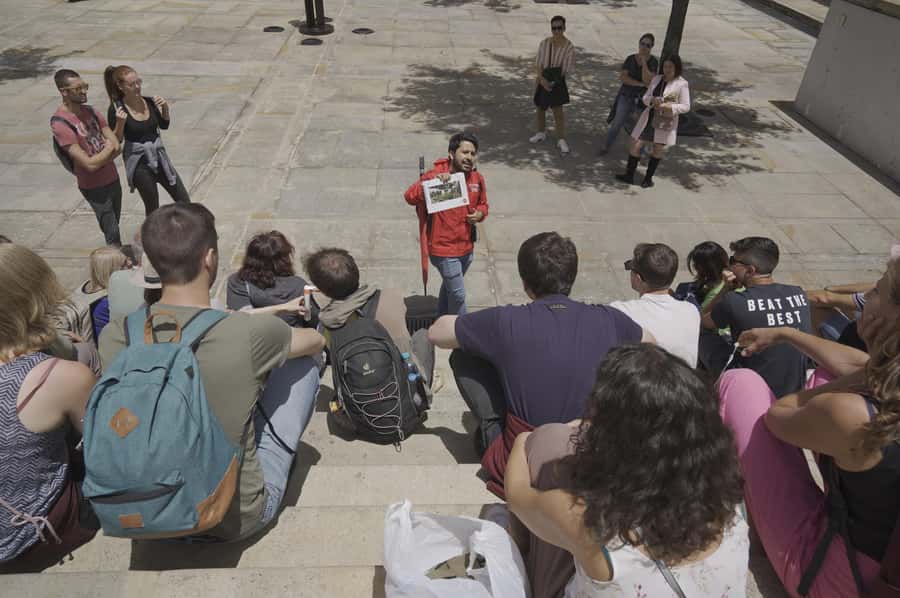
Bolívar Square is the tour’s main civic stage. It is large, open, and surrounded by buildings that represent different parts of Colombia’s public life.
Your guide explains the history of the buildings around the square, including the institutions linked to government, religion, justice, and national identity. This is also where the tour discusses the siege of the Justice Palace, one of the country’s most painful modern political events.
The value of this stop is not just the view across the square. It is the way the guide links architecture to power. A church, courthouse, government office, or palace tells you who controlled the city and how public authority was displayed.
Bolívar Square can also be crowded and exposed. You may spend time standing while the guide speaks, so water, sunscreen, and a hat are useful. Keep your phone and wallet secure in crowded areas. The local phrase don’t give papaya means do not make it easy for someone to take advantage of you.
El Bogotazo and the turning point of 1948
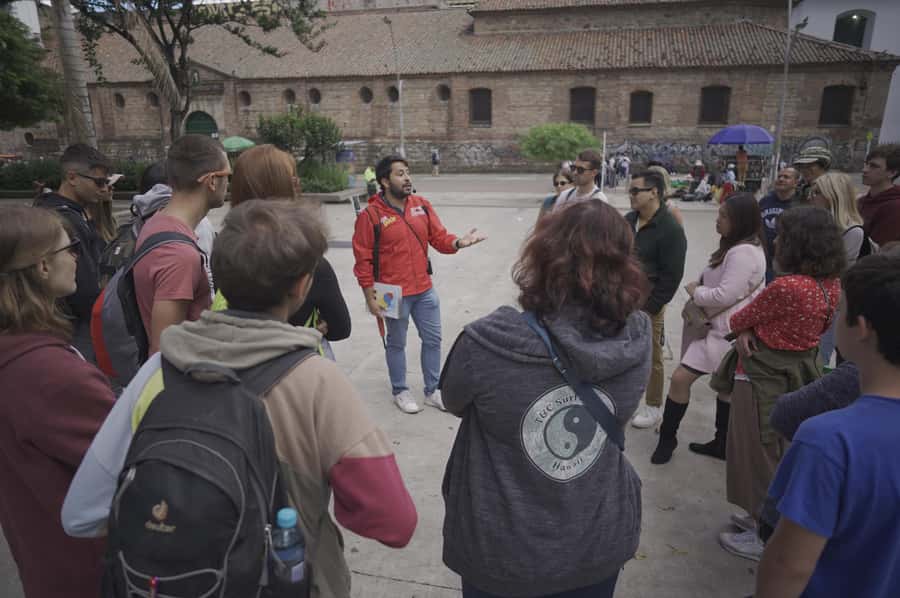
The 1948 Bogotazo riot is one of the central subjects of this walk. The assassination of Jorge Eliécer Gaitán triggered days of destruction and unrest in Bogotá, leaving a lasting mark on Colombian politics and the city itself.
A good explanation of the Bogotazo does more than recount the immediate violence. It helps you understand why Bogotá looks the way it does, why certain political wounds remain important, and how one event can reshape a capital.
This section may feel heavier than the street-art and food stops. That is a strength, not a flaw, if you want more than a cheerful tour of pretty streets. The guide presents the tragedy as part of the country’s story, then connects it to places you are actually standing in.
The subject requires attention. If you prefer a light sightseeing walk with little political discussion, this may not be your ideal tour. If you want useful context for Colombia, it is one of the most valuable parts.
Same city, a completely different kind of day:
- Bogota: Bicycle City Tour
★ 4.9 · 2,156 reviews - Zipaquirá: Salt Cathedral Group Tour with Pickup
★ 4.8 · 1,606 reviews - Bogotá: Guided La Candelaria Walking Tour
★ 4.8 · 1,229 reviews - Bogotá: Private City Tour, Monserrate, Emerald and Botero
★ 4.9 · 798 reviews
Chorro de Quevedo and Bogotá’s early identity
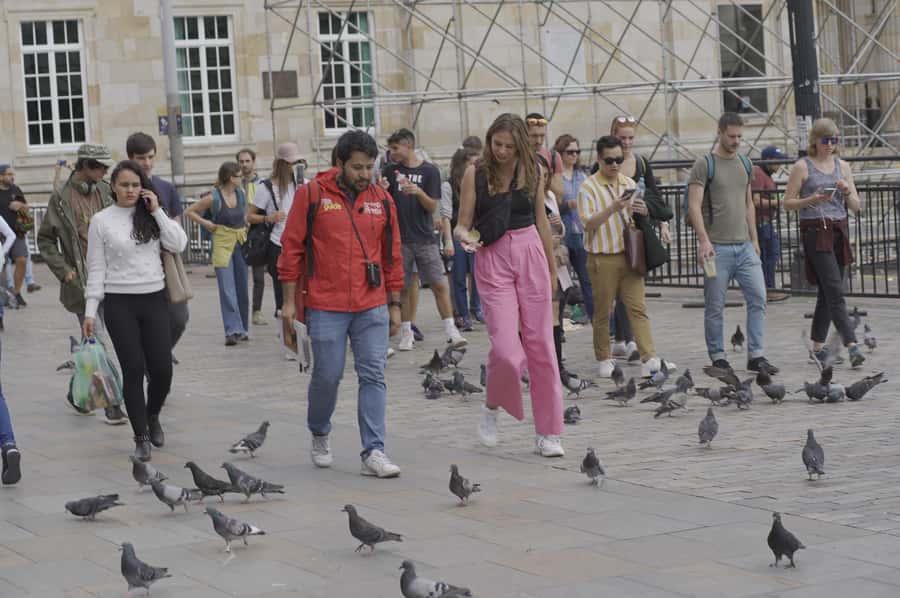
Chorro de Quevedo is often treated as one of the symbolic foundation points of Bogotá. The square gives the tour a more intimate setting after the scale of Bolívar Square.
Here, your guide talks about the city’s early organization and the shift from Indigenous and Spanish worlds into the colonial city. The square also helps you notice how La Candelaria works today. Historic facades sit beside cafés, small shops, painted walls, and narrow lanes used by locals.
I like this change of pace. Bolívar Square explains the capital as a public institution. Chorro de Quevedo helps you feel the older neighborhood as a lived-in place.
The route may include uphill walking as you move through this part of La Candelaria. At Bogotá’s altitude, even a moderate slope can feel harder than expected, especially if you have just arrived from a lowland climate. The guide makes resting stops, but bring your own water because drinks and food are not included.
Chicha at the Concordia market
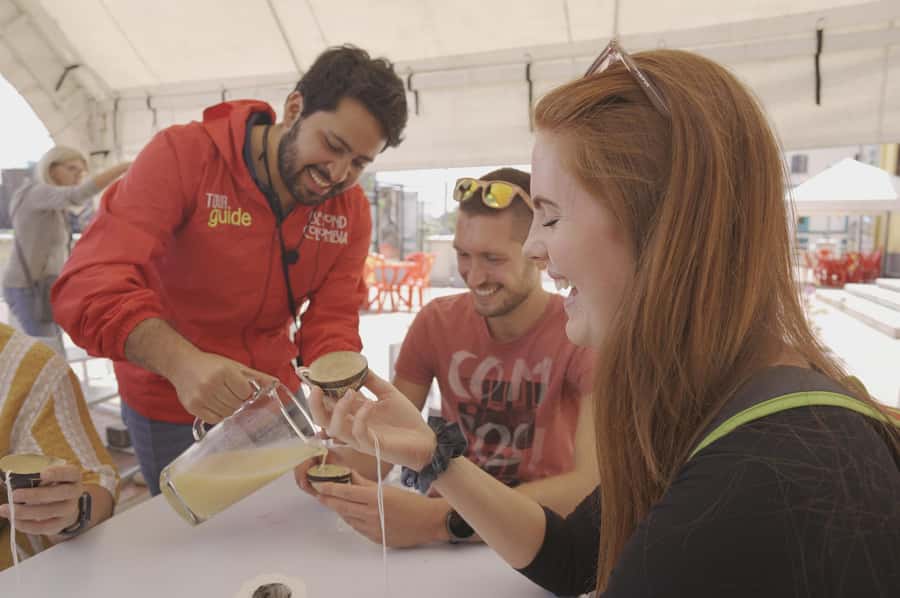
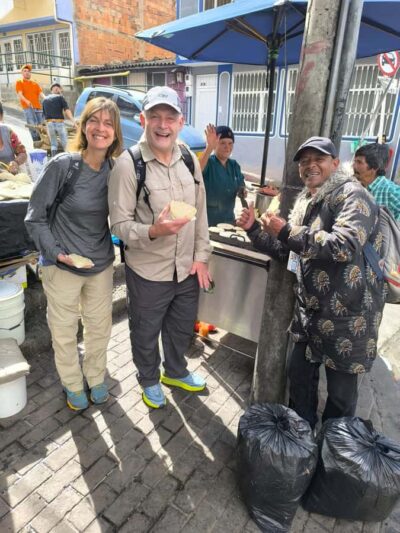
The chicha stop adds a taste of living culture to a tour that could otherwise become all churches and politics. Chicha is an ancestral drink with Indigenous roots, and the walk presents it as part of Colombia’s heritage rather than as a simple bar sample.
When available, you receive a tasting at or near the Concordia market. The market setting makes the subject more useful. You can connect the drink to local food traditions, small-scale commerce, and the way old customs continue in modern Bogotá.
Chicha may not suit every palate. One account found the drink disappointing, so do not book this tour expecting a refined tasting experience. Think of it as a brief cultural sample. The point is what chicha means, how it fits into Colombian identity, and why traditional foods can carry political and social weight.
Food and other drinks are not included. If you want a full market meal or a longer stop for coffee, plan to use the guide’s local suggestions after the walk.
The False Door, emeralds, and everyday commerce
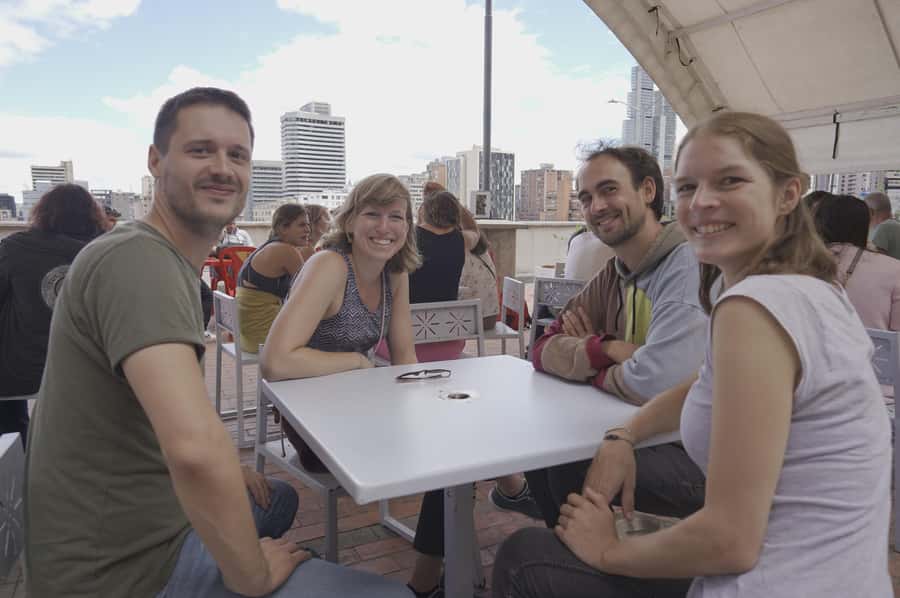
The route touches on the False Door and Bogotá’s informal emerald market. These are the kinds of details that make the walk more useful than a basic monument tour.
The emerald subject opens a window onto Colombia’s international reputation and local trade. An informal market also shows you a side of the city that is easy to miss if you only visit formal shops and major museums. Your guide can explain what you are seeing, but you should not feel pressured to buy anything.
The False Door is another compact example of how local places gather stories over time. It is not presented as a major museum stop. Its value comes from hearing why a seemingly ordinary doorway matters in the neighborhood.
The tour does not include purchases, meals, or souvenirs. That keeps the $13 price clear, but it also means you should budget separately if you want coffee, lunch, gifts, or an emerald-related purchase.
Botero’s Museum area and the cultural square
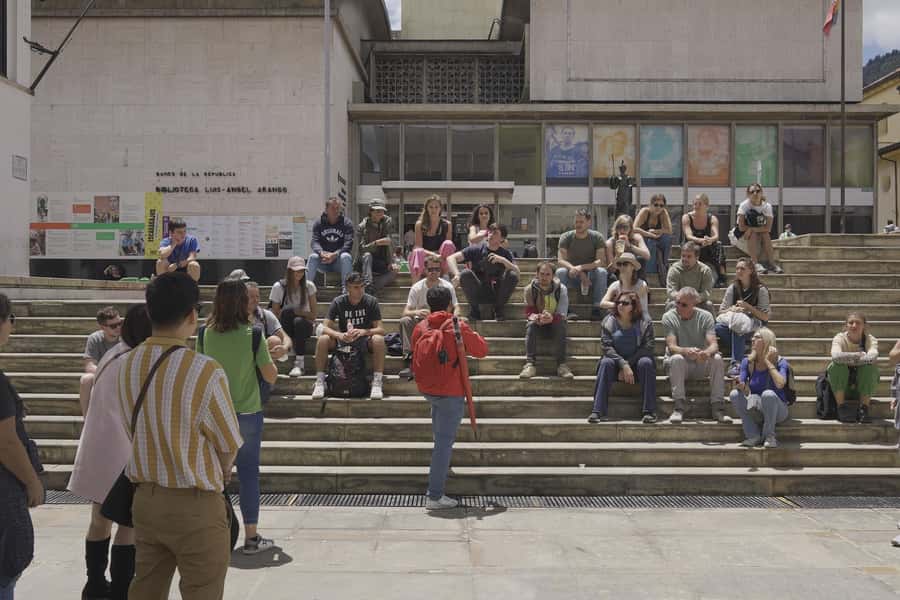
The walk also reaches the area around Botero’s Museum and a nearby cultural square. Fernando Botero is one of Colombia’s best-known artists, and this part of the route provides context about his life and work.
Do not confuse seeing the museum area with having admission to the museum. Entrance tickets are not included, and the tour does not promise an extended museum visit. If Botero’s art is a priority, ask your guide for advice on visiting afterward and allow separate time.
This stop works well because it adds art to the political and architectural story. La Candelaria is not only old stone and national tragedy. It also supports museums, public art, galleries, and the creative life of Bogotá.
El Embudo alley and the language of graffiti
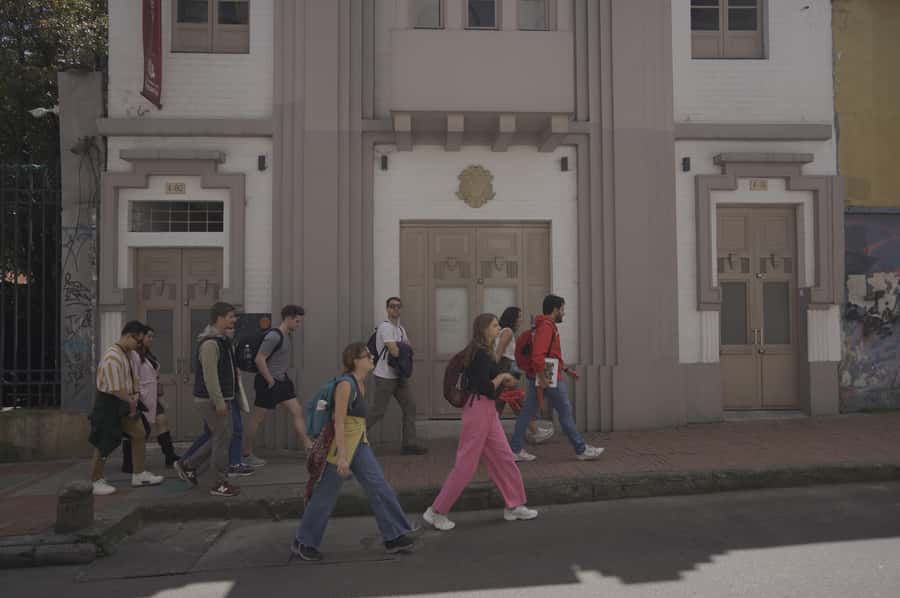
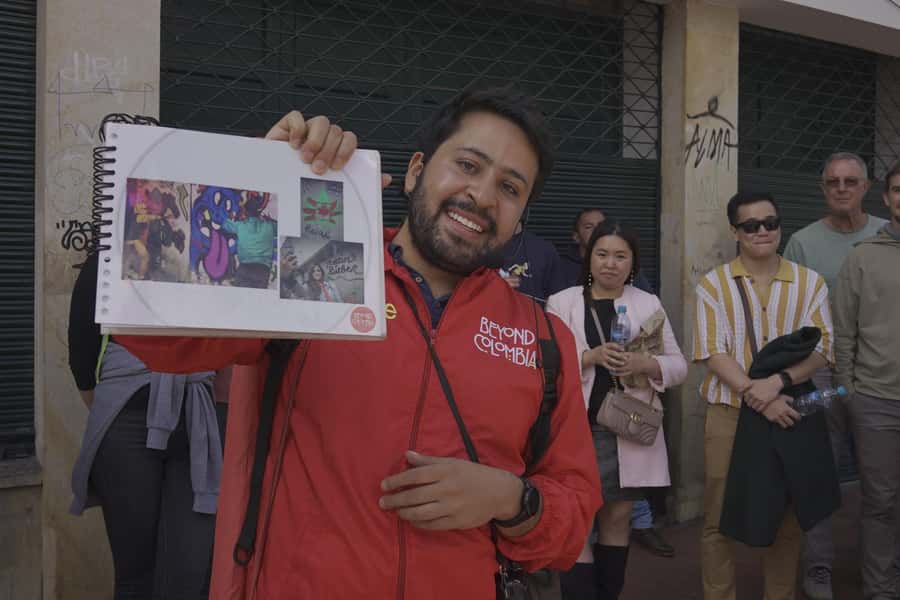
El Embudo alleyway is one of the most visual parts of the walk. Its murals and graffiti show how artists use walls to express identity, protest, humor, and neighborhood pride.
Your guide discusses influence, technique, and resistance, so you get more than a quick photo stop. You learn to look at who made the work, what kind of message it carries, and why graffiti has such a strong place in Bogotá’s public culture.
This is also where the tour feels most current. The colonial streets provide the setting, but the art keeps changing. A mural may disappear or be painted over, which means the exact scene can shift over time.
Bring a camera, but do not use flash photography. The alley can be crowded, so keep your belongings close and avoid blocking the narrow passage while taking pictures.
How the shared format affects the experience
This is a shared tour, not a private walk. That keeps the price at about $13 per person and gives you a chance to meet people from different countries, but the size can affect how personal the experience feels.
A group of 36 people has been reported on one rainy departure. A capable guide such as Rafa managed the crowd well, but a large group can make it harder to hear, ask questions, or gather around a small landmark. Smaller departures will feel more relaxed, though the group size can change from day to day.
The strongest part of the shared format is the value. For the cost of a modest meal, you get about two and a half hours of local orientation, historical explanation, neighborhood navigation, and practical suggestions. You do not pay for transport or museum tickets, but you also avoid surprise entrance charges along the route.
The published description sometimes refers to the walk as lasting about three hours, while the stated duration is 150 minutes. Plan for roughly two and a half hours, with some variation caused by weather, group size, and questions.
Walking, altitude, and Bogotá weather
You will walk about 7 kilometers, including uphill stretches. This is not a gentle stroll around one square. Comfortable shoes are essential, and people with mobility impairments or wheelchair users should choose another activity.
Bogotá sits at about 8,600 feet, so the altitude can make the route tiring even if you normally walk easily. Take the first part slowly, use the rest stops, and drink water before you feel thirsty. The tour does not provide transportation, and you will not be driven between sights.
Weather can change quickly. Bring a rainproof coat, cape, or umbrella, along with sunscreen and a hat. One wet departure still worked well because the guide kept the group together, but rain will make cobblestones and crowded sidewalks less pleasant.
Wear practical clothes. This is a city walk, not a dress-up outing. You will get more from the tour if you are comfortable enough to listen, look around, and keep going.
When $13 is a good value
At $13, this is a strong deal if you are new to Bogotá and want the old center explained in one organized walk. You get a guide in English or Spanish, the major historic areas, political context, street art, market culture, a chicha tasting when available, and local recommendations for later.
The price is less attractive if you want a private guide, a slow photographic walk, or museum admissions included. You will need to pay for food, drinks, souvenirs, and any museum visit separately.
I would use this on my first or second day in Bogotá. It gives you a map in your head and helps you decide where to return. Afterward, you might choose the Museo del Oro, Botero’s Museum, a market meal, or a longer look at the murals.
Who should book this walk
I would recommend it to first-time visitors who want history told in plain language and do not mind a serious amount of walking. It suits people who want to understand Bogotá’s politics, local traditions, architecture, and street art in one outing.
It is also a good fit if you enjoy asking questions. Guides such as Lorenzo, Leo, Juliana, Santiago, Byron, Lucho, Sergio, Juan, and Daniel have been praised for explaining clearly, handling questions, and offering practical ideas for the rest of a stay. The guide is assigned by departure, so you cannot count on a particular person.
I would hesitate if you have trouble with hills, high altitude, long walks, or crowded groups. I would also choose a different activity if you want a private, polished route with guaranteed food and museum access.
Should you book the Beyond Colombia walk?
Book it if you want a low-cost, high-content introduction to Bogotá’s old center. The best reasons are the clear treatment of the Bogotazo, the link between Bolívar Square and national power, the chicha tradition, and the chance to see La Candelaria’s graffiti with local explanation.
Skip it if 7 kilometers at high altitude sounds unpleasant or if you need wheelchair access. Bring water, rain protection, sunscreen, and good shoes, then arrive ready for both the beauty and the difficult chapters of Colombian history. Free cancellation is available up to 24 hours before the activity, and you can reserve now and pay later, which makes the decision easier for a changeable itinerary.
FAQ
Where does the tour meet?
Meet in front of the Museo del Oro, beside the red umbrellas marked Beyond Colombia.
How long does the walking tour last?
The stated duration is 150 minutes, or about two and a half hours. The tour description also refers to approximately three hours, so allow some flexibility.
What languages are available?
The tour is offered in English and Spanish with a live guide.
How much walking is involved?
You will walk about 7 kilometers and make several stops to hear the guide. The route includes uphill sections.
Is transportation included?
No. You walk the entire route, and transportation to and from your hotel is not included.
Is chicha included?
A chicha tasting is included when available. Other drinks, food, and souvenirs are not included.
Are museum entrance tickets included?
No. The walk reaches the area around Botero’s Museum and begins near the Museo del Oro, but entrance tickets are not included.
Is the tour suitable for wheelchair users?
No. The activity is not suitable for wheelchair users or people with mobility impairments.
What should you bring?
Bring comfortable shoes, water or another drink, sunscreen, a hat, a camera, and rain protection such as an umbrella or rainproof coat. Flash photography and smoking are not allowed.
Just added around Bogota
- Fun Graffiti Workshop: The Art of Aerosol and Color★ 5.0 · 3 reviews
- Zipaquirá: Private Salt Cathedral Mine and Walking Tour★ 4.8 · 3 reviews
- Walking tour José Celestino Mutis Botanical Garden 3 hrs★ 5.0 · 3 reviews
- Bogota: East Hills Mountain Hike★ 4.2 · 3 reviews
- Bogota: Explore the forest and bird watching at Chicaque Natural Park★ 5.0 · 3 reviews
- Bogota: Downtown City and Monserrate Hill Private Tour★ 3.7 · 3 reviews
- From Bogota: White Water Rafting Experience★ 4.4 · 3 reviews
- From Bogota: Excursion to Jaime Duque Park★ 5.0 · 3 reviews
Bogotá Tours, compared.
Zipaquirá: Salt Cathedral Group Tour with Pickup
Read our review →
Bogotá´s Barrios: El Paraíso Favela Tour with Cable Car
Read our review →
Bogota: Guatavita and Salt Cathedral Daily Group Tour
Read our review →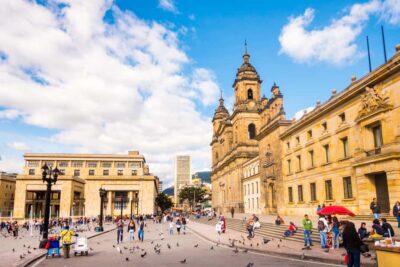
Bogotá City Tour with Monserrate, Gold and Botero Museums
Read our review →
Bogota: Zipaquirá Salt Cathedral and Lake Guatavita Day Tour
Read our review →
Browse the lists this tour appears in