
Reviewed · BOGOTÁ TOURS
Zipaquirá: Salt Cathedral Group Tour with Pickup
The remarkable part of this day trip is not simply that you visit a church underground. You descend about 180 meters into an active salt mine, where carved chambers, glowing walls, and a giant salt cross turn a working mine into one of Colombia’s boldest pieces of architecture.
I like two things right away: hotel pickup and drop-off remove the headache of getting north through Bogotá traffic, and the tour gives you more than the cathedral itself. You also see the Bogotá Savannah, walk through Zipaquirá’s old center, and have time for lunch.
The main catch is the road. The planned drive is about 80 minutes each way, but traffic, hotel pickups, and special events can stretch the journey much longer. If you want a quick outing, this is not it. If you want an easy, full day outside Bogotá, it is a strong choice.
Key points about the Zipaquirá day trip
- The cathedral sits 180 meters underground, inside an active salt mine north of Bogotá.
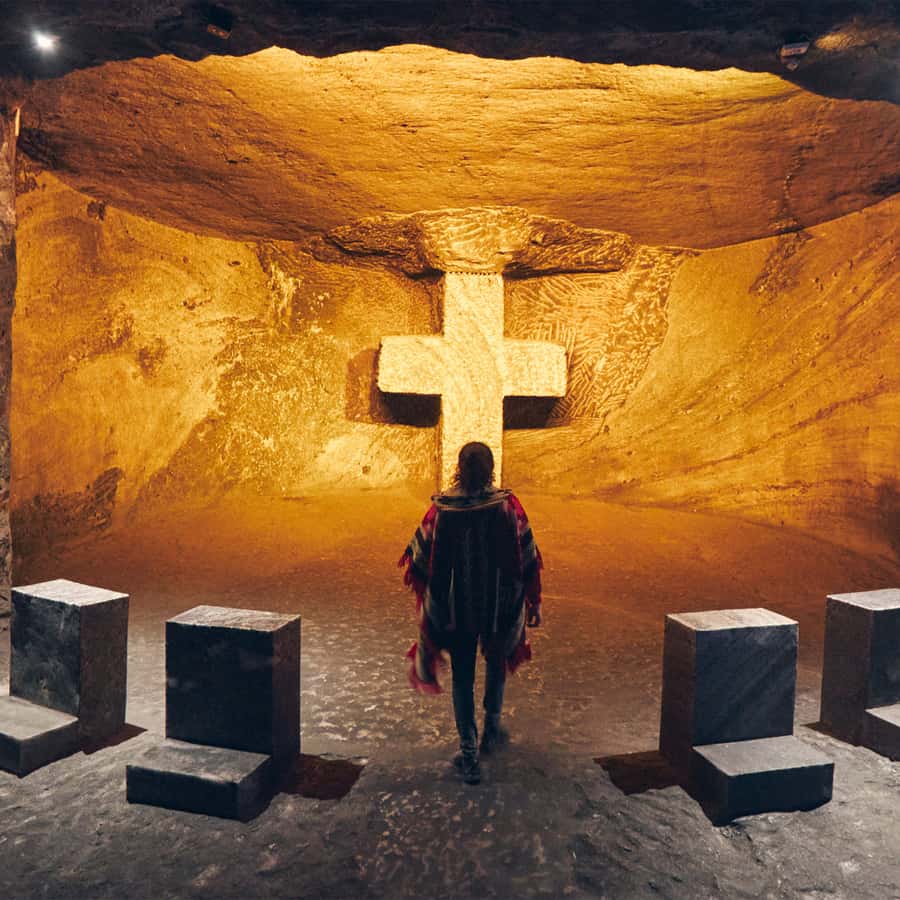
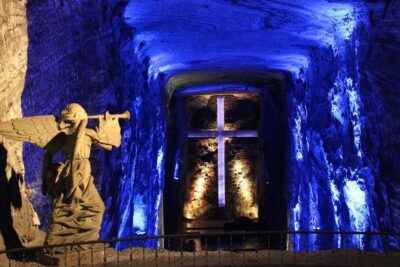
- The Great Center Dome contains the world’s largest underground salt cross, a powerful highlight of the visit.
- The cathedral visit is mainly self-guided, supported by an audio guide in your chosen language.
- Zipaquirá’s colonial center adds real local context, with time for its squares, streets, shops, and photographs.
- Pickup and drop-off are included, with bilingual service in English and Spanish.
- Guides such as Sergio, Sebastian, Camilo, and Milena are praised for clear explanations and friendly group care, though your assigned guide will vary.
Why the Salt Cathedral is worth the trip from Bogotá
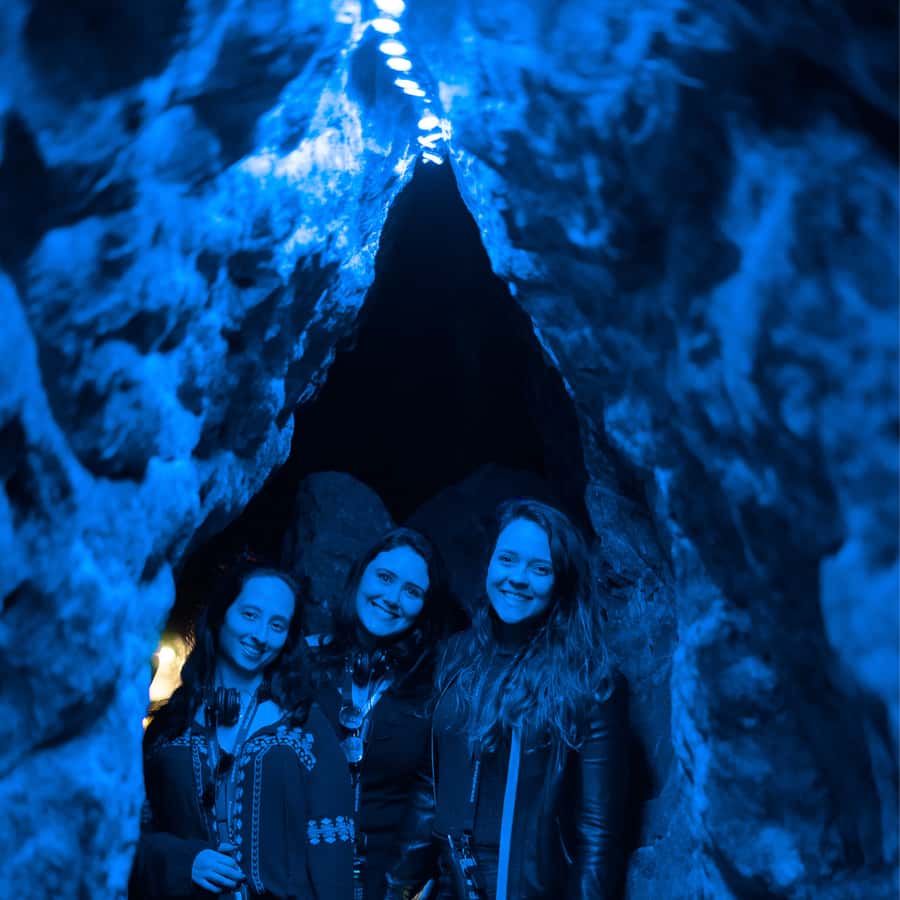
Zipaquirá Salt Cathedral is one of Colombia’s most unusual sights. It is not a traditional church built above ground. Instead, it occupies chambers cut into a salt mine, with religious symbols formed from the mine walls and lit in ways that make the stone glow.
The visit begins at the First Station, where the Stations of the Cross set the mood. These are not ordinary painted scenes. They are carved into salt, and the low light gives the tunnels a quiet, almost otherworldly feel.
The route continues through a series of underground spaces before reaching the Great Center Dome. Here, the large underground cross becomes the visual centerpiece. Its scale is hard to judge at first because the surrounding chamber is so vast. This is the moment when the cathedral feels less like a mine attraction and more like a serious work of art and engineering.
I appreciate that the experience connects three subjects that usually appear separately: faith, mining, and Colombian craft. Your guide explains how salt extraction shaped the area, how the cathedral developed, and why this place matters to local culture. The audio guide then lets you move at your own pace and fill in the details.
This is a religious site, but you do not need to be religious to appreciate it. The appeal is architectural and human as much as spiritual. Miners and artists worked in a difficult underground setting to create spaces that are both functional and symbolic.
More Salt Cathedral trips:
- Bogota: Guatavita and Salt Cathedral Daily Group Tour
★ 4.7 · 615 reviews - Bogota: Zipaquirá Salt Cathedral and Lake Guatavita Day Tour
★ 4.8 · 551 reviews - Bogota: Salt Cathedral of Zipaquira Private daily Trip
★ 4.8 · 262 reviews
The drive through the Bogotá Savannah
The road north gives you a useful look at the area beyond central Bogotá. You pass through the Bogotá Savannah, with open fields, small settlements, and views toward the Andes. The scenery is a welcome change from the capital’s dense streets and heavy traffic.
The stated travel time to Zipaquirá is about 80 minutes, followed by a similar short transfer between the town and the cathedral. The return is listed as roughly two hours. In real conditions, you should allow more time. Hotel pickup can involve several stops, and Bogotá traffic can be slow.
One particularly important practical point is that the full day may run beyond the advertised nine hours when roads are crowded. A road race once caused a major delay and forced part of the group to walk along highway roads to reach Zipaquirá. That was an unusual disruption, not the normal plan, but it shows why you should avoid scheduling a flight, dinner reservation, or other fixed appointment soon after the tour.
The van is described as clean, new, and comfortable in several accounts. Drivers including Andrés, Camilo, Carlos, Ramón, Jesús, and Fabian are praised for calm, careful driving. You will spend a fair amount of time in the vehicle, so this matters.
A practical look at the Zipaquirá schedule
The day begins with pickup at your Bogotá accommodation. Exact timing depends on where you are staying and how many people are being collected. Communication about pickup details has been a strong part of the service, and several guides have arrived on time.
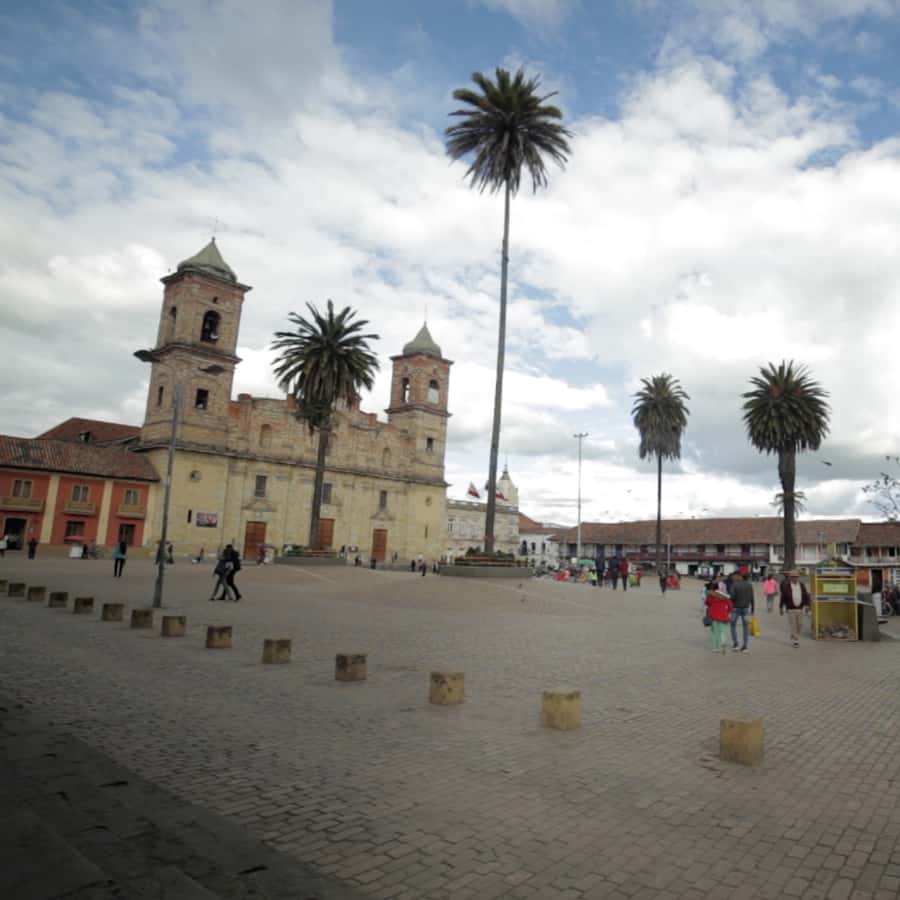
After the drive north, the day includes time in Zipaquirá’s center. The town has a colonial character, with a main square, historic streets, local shops, and places to stop for photographs. This portion helps you understand that the cathedral is part of a living town, not an isolated attraction.
Some of the time in town may be used for coffee, a small shop, or a short introduction to the local area. One account describes a stop where the group received Colombian coffee and tea while learning about Zipaquirá. The exact order can vary, but the town visit generally gives you a chance to stretch your legs before or after the underground portion.
Next comes the Salt Cathedral. The visit itself lasts about two hours. That is enough for the main route and the major chambers, but it can feel short if you like to stop at every carving, listen to every audio segment, and browse the underground shops.
You are not rushed through every moment. The guide typically explains the broader setting, then the cathedral portion uses an audio guide and gives you freedom to explore. I see this as a good arrangement for independent visitors, though anyone wanting a detailed, room-by-room live explanation may prefer a private tour.
Afterward, the group stops for lunch at a local restaurant. Food and drinks are not included, so bring Colombian pesos or another accepted payment method. The meal stop is normally about an hour. The restaurant used by the group has received mixed personal opinions, but the overall feedback points to reasonable prices and local dishes. A typical meal can include beef and pork, and one account described a satisfying meal with two drinks for under $22.
You then return to Bogotá by van. Drop-off is provided at your accommodation, but the order of stops can make the return longer for some people than for others. Door-to-door service is convenient, though a central departure point would sometimes be faster.
What you see inside the underground cathedral
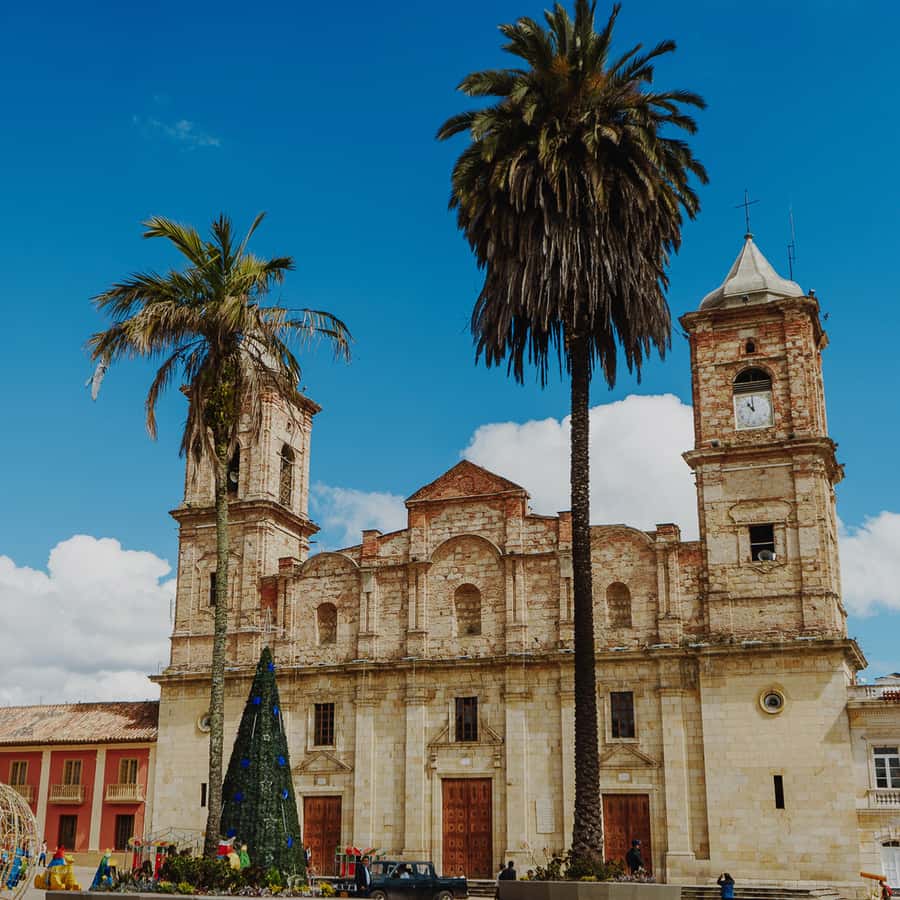
The cathedral’s strongest feature is its scale. Salt walls line the route, and colored lighting brings out different textures in the stone. The setting feels carefully designed, but the rough mine surface remains visible, keeping the place tied to its industrial past.
The First Station and the Stations of the Cross provide the clearest religious structure. As you continue, the symbols become larger and the chambers more dramatic. The Great Center Dome is the high point, with the underground cross forming the main visual focus.
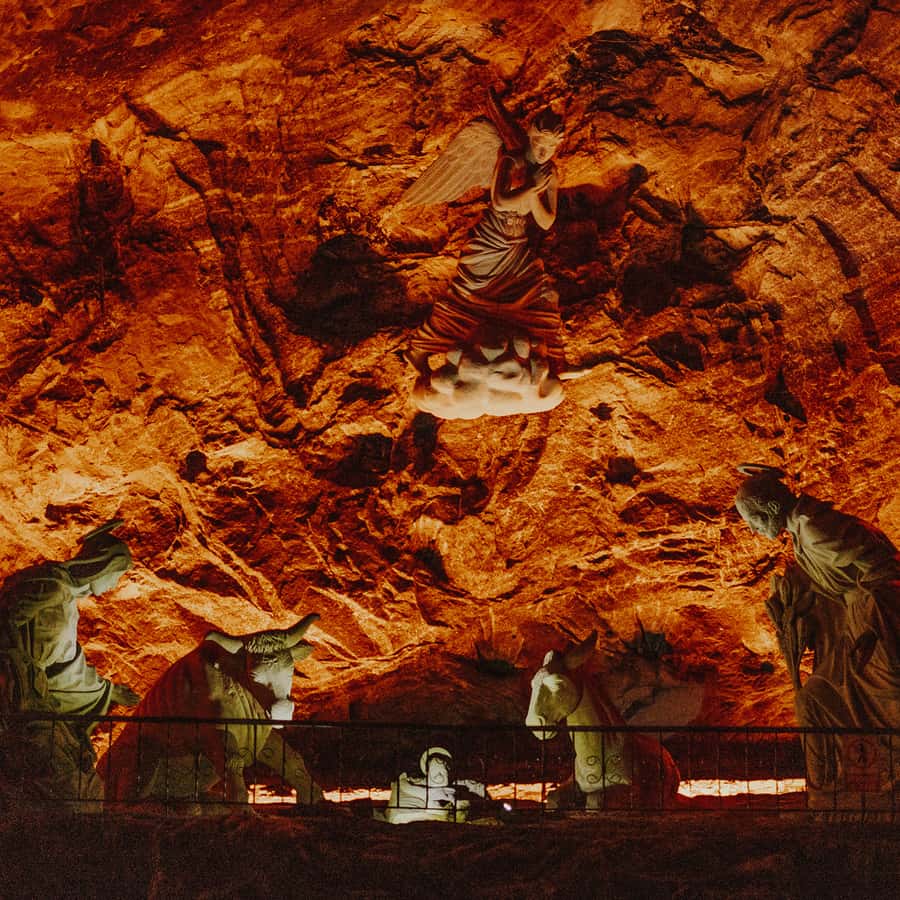
You will also find sculptures, carved details, illuminated passages, and souvenir shops below ground. Prices in the shops have been described as fair, which is useful if you want a small keepsake without assuming every underground purchase carries a tourist markup.
The audio guide is important. It supplies the explanations at a steady pace and is available in your language. The live guide adds the larger story, including Colombia, the mine, and Zipaquirá. In bilingual groups, guides such as Sebastian and Camilo have been praised for switching smoothly between Spanish and English without leaving one language group behind.
That point matters. A group tour can become frustrating when explanations are rushed between languages. Here, the strongest guide feedback centers on clear English, good Spanish, patience, humor, and attention to all members of the group. Sergio is especially often praised for his warmth and energy, while Sebastian is noted for organized explanations and fluent bilingual presentations.
Still, your guide’s role inside the cathedral may be limited because the main visit is self-guided. You should expect a mix of live commentary before and after the route, plus independent time inside.
A few more Bogota day trips to weigh up
- Bogota: Bicycle City Tour
★ 4.9 · 2,156 reviews - Bogotá: Guided La Candelaria Walking Tour
★ 4.8 · 1,229 reviews - Bogotá: Private City Tour, Monserrate, Emerald and Botero
★ 4.9 · 798 reviews - Bogotá´s Barrios: El Paraíso Favela Tour with Cable Car
★ 4.8 · 731 reviews
The Salt Museum and the story beneath the stone
The Salt Museum adds geological and cultural context. It explains how the mine formed, how salt was extracted, and how mining developed over time.
You also learn about ancestral Muisca salt traditions. This is a valuable part of the outing because the cathedral can otherwise seem like a spectacular construction with little connection to the region’s past. The museum links the mineral below your feet to the people who used and valued salt long before the modern cathedral existed.
The museum also helps explain why this site required so much effort. You are not looking at a decorative building placed inside a ready-made cave. You are seeing a former mining environment shaped into chapels, passageways, and gathering spaces.
If your interest is mainly photography, the museum may feel slower than the cathedral. If you want to understand the place instead of simply taking pictures, allow yourself time here.
Walking Zipaquirá beyond the mine
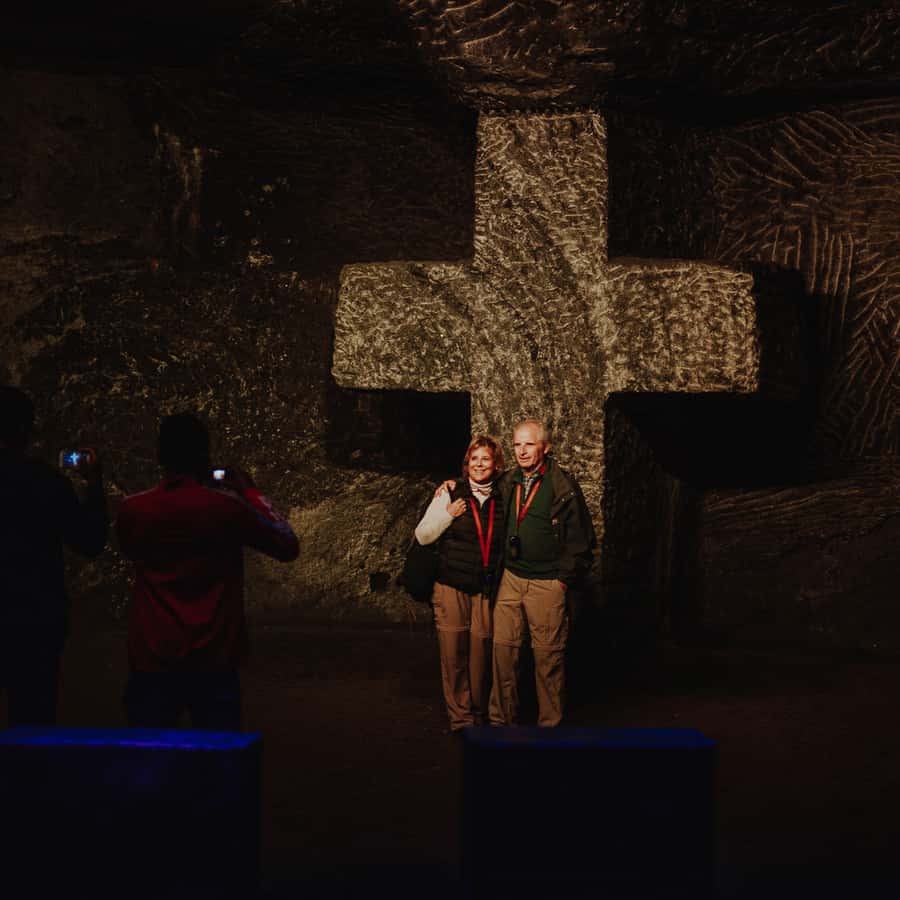
Zipaquirá deserves its own visit, even if the cathedral is what brought you north. The panoramic tour introduces the historic center, main squares, local streets, and small shops.
I like this part because it brings the day back above ground. After the dark, controlled lighting of the mine, you return to open air and a town with everyday Colombian life around you. You get a short look at local architecture and a chance to buy a snack or souvenir.
The time is not unlimited. One suggestion for improving the day is to allow a little more walking and shopping in town. If you care more about historic streets than the mine gift shops, tell your guide early that you would value time in the center.
The town portion is also a good place to ask questions about Colombia. Guides often share suggestions for other places to visit, transport contacts, food, coffee, and Bogotá activities. That extra local advice can be useful at the start of a stay.
Price, tickets, and what you really receive
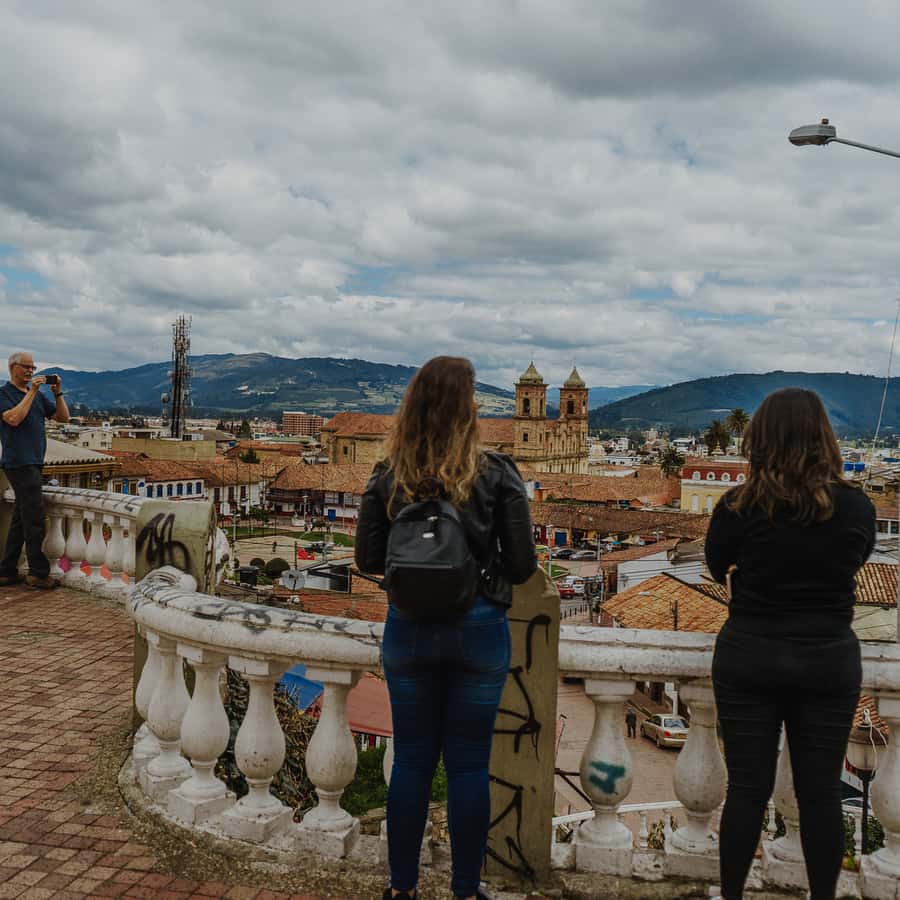
The listed price is $46 per person. That is a reasonable rate for a nine-hour outing with hotel transport, a driver, a guide, insurance, the Bogotá Savannah route, the town tour, and time for lunch.
Read the ticket option carefully. One version requires you to buy the cathedral entrance separately at the ticket office for COP 118,000 per person. Another option includes the Salt Cathedral ticket, and the operator also offers to obtain tickets at a cheaper price and help you skip the lines.
This difference affects the real cost. At checkout, confirm whether admission is included before comparing this tour with other Zipaquirá options. Food and drinks are also extra.
The value is strongest if you are staying in Bogotá and do not want to arrange a bus, taxi, cathedral ticket, town visit, and return transport on your own. It is less compelling if you already have a car, speak Spanish comfortably, and prefer to set your own schedule.
The group size can reach around 14 people, based on one account, though the exact number varies. That is large enough for a social day but small enough for a guide to keep track of people. The downside is that multiple hotel pickups and drop-offs can add time.
Who should book this group tour?
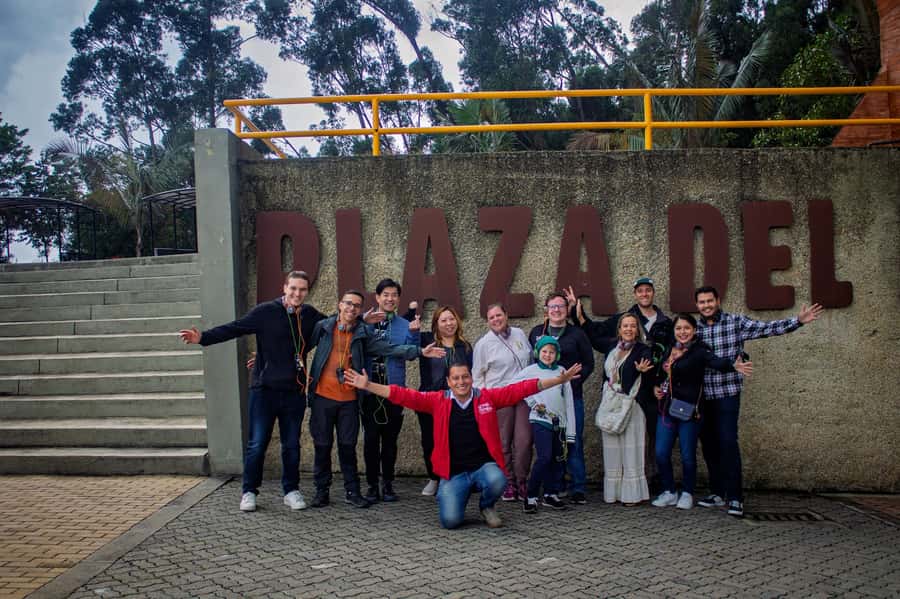
I would recommend it to first-time visitors in Bogotá who want a major day trip without handling the transport themselves. It also suits couples, families, and solo visitors who enjoy a guided outing but still want independent time inside the cathedral.
The tour works well for English and Spanish speakers. Guides regularly explain in both languages, and the audio guide offers added support. The experience is listed as wheelchair accessible, but the underground route may still be worth discussing with the operator before booking if you have specific mobility needs.
You should bring comfortable shoes, water, sunscreen, and comfortable clothes. The mine is underground, but you will spend time outdoors in town and during the drive, so prepare for both settings.
I would hesitate to recommend it if you dislike long vehicle days or have only a short stay in Bogotá. Traffic can turn the nine-hour schedule into a much longer day. I would also choose a private or more specialized tour if you want extensive photography time, a slow architectural study, or a long town walk.
Should you book the Zipaquirá Salt Cathedral tour?
Yes, if you want the simplest way to see one of Colombia’s most unusual sights from Bogotá. The combination of comfortable pickup, careful driving, bilingual help, the underground cathedral, the Salt Museum, Zipaquirá’s center, and a local lunch stop gives you a full picture of the area.
Book it with two cautions in mind: confirm the admission ticket arrangement, and keep your return evening open. The cathedral is the star, but the day works because the guide and driver handle the complicated parts. Guides such as Sergio, Sebastian, Camilo, and Milena have received especially warm praise for humor, clear explanations, and personal attention, though assignments change.
If those conditions suit you, this is a practical, well-supported day outside Bogotá with a genuinely memorable centerpiece.
FAQ
How long does the tour last?
The stated duration is nine hours. Traffic, multiple hotel pickups, drop-offs, or road events can make the day longer.
Where does the tour begin?
Pickup is provided from your accommodation in Bogotá.
Is transportation included?
Yes. Hotel pickup and drop-off are included, along with transport by van and a driver.
Is the Salt Cathedral entrance ticket included?
It depends on the option selected. One option requires you to purchase the entrance ticket separately at COP 118,000 per person, while another includes the ticket. Confirm the option before booking.
Is lunch included?
No. Food and drinks are not included. The tour provides free time for lunch at a local restaurant.
What languages are available?
Live guiding is available in English and Spanish. An audio guide is also available in your language.
How long do you spend inside the Salt Cathedral?
The planned cathedral visit lasts about two hours. It includes guided information, an audio guide, photographs, walking, and free time.
What should I bring?
Bring comfortable shoes, sunscreen, water, and comfortable clothing.
Just added around Bogota
- Fun Graffiti Workshop: The Art of Aerosol and Color★ 5.0 · 3 reviews
- Zipaquirá: Private Salt Cathedral Mine and Walking Tour★ 4.8 · 3 reviews
- Walking tour José Celestino Mutis Botanical Garden 3 hrs★ 5.0 · 3 reviews
- Bogota: East Hills Mountain Hike★ 4.2 · 3 reviews
- Bogota: Explore the forest and bird watching at Chicaque Natural Park★ 5.0 · 3 reviews
- Bogota: Downtown City and Monserrate Hill Private Tour★ 3.7 · 3 reviews
- From Bogota: White Water Rafting Experience★ 4.4 · 3 reviews
- From Bogota: Excursion to Jaime Duque Park★ 5.0 · 3 reviews
Bogotá Tours, compared.
Bogotá´s Barrios: El Paraíso Favela Tour with Cable Car
Read our review →
Bogota: Guatavita and Salt Cathedral Daily Group Tour
Read our review →
Bogotá City Tour with Monserrate, Gold and Botero Museums
Read our review →
Bogota: Zipaquirá Salt Cathedral and Lake Guatavita Day Tour
Read our review →
Bogota: Salt Cathedral of Zipaquira Private daily Trip
Read our review →Browse the lists this tour appears in