
Reviewed · BOGOTÁ TOURS
Bogota: Bicycle City Tour
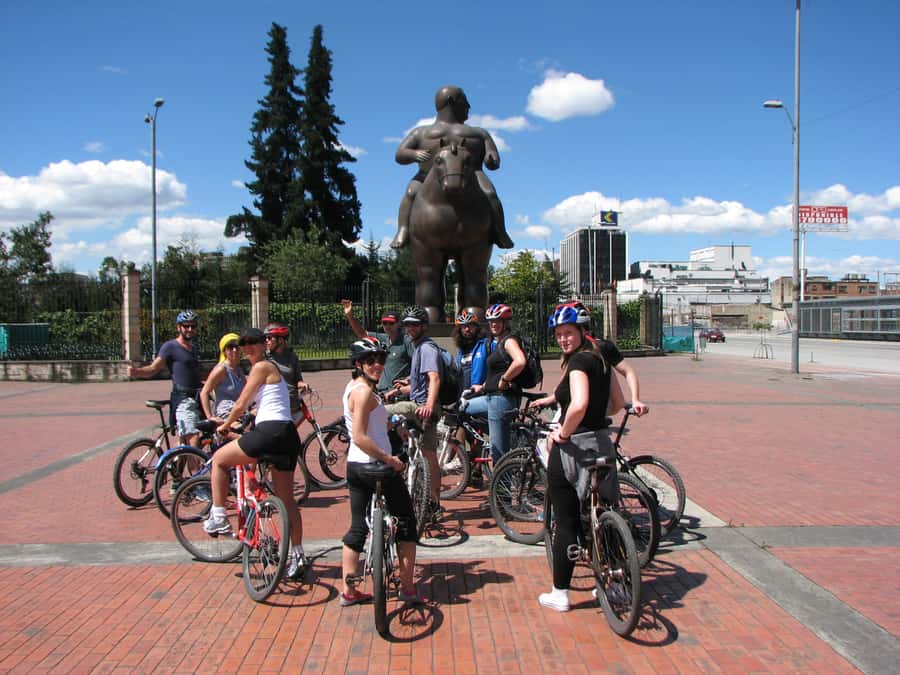
Bogotá reveals itself best at street level, and this four-and-a-half-hour bicycle tour gives you a lively way to reach far more than the usual sights around La Candelaria. You may sample a remarkable range of fruit in a traditional market, stop at a local coffee roaster, look at major murals, and play tejo, Colombia’s noisy national sport.
I like the generous mix of food, art, history, and everyday neighborhoods. I also like the strong support team: guides such as Mike, Lina, Daniel, and David lead different departures, while assistants help with traffic, bikes, and mechanical problems. The main consideration is traffic. The route is mostly flat and broken up by stops, but you still need to feel comfortable riding in a busy city.
Key points to know before you ride
- Fruit tasting is the tour’s signature stop: You go stall to stall in a traditional market, trying many unusual Colombian fruits as your guide cuts and explains them.
- The route reaches beyond La Candelaria: You may pass plazas, parks, neighborhoods, the bullfighting stadium, Central Cemetery, and Bogotá’s historic center.
- Local culture is part of the ride: Coffee roasting, street art, and a game of tejo make this more than a sightseeing loop.
- Safety receives real attention: A lead guide handles the story and route while additional staff may watch traffic, secure bikes, and help with repairs.
- Sunday can be a smart choice: Some roads close to cars for Bogotá’s cycling program, making parts of the ride calmer.
- The value is unusually strong: At $19 per person, you receive a bicycle, helmet, bilingual guide, and several stops over 270 minutes.
Why Bogotá works so well from a bicycle
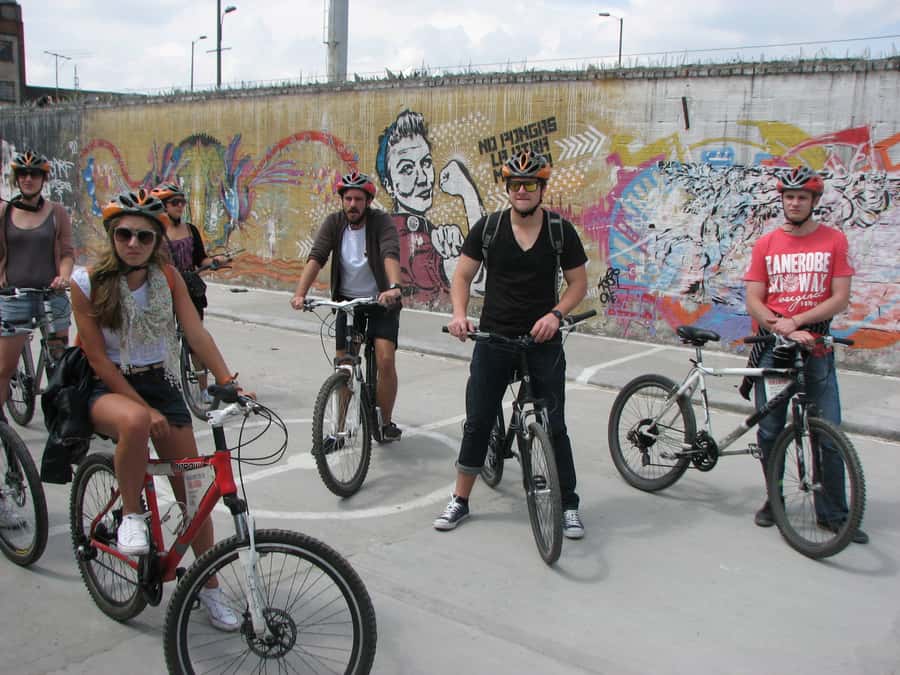
Bogotá is a huge capital, and a walking tour can leave you with only a small slice of it. A bicycle lets you connect La Candelaria with other parts of the city while still moving slowly enough to notice murals, storefronts, plazas, parks, and changing neighborhoods.
This is not a polished sightseeing circuit built around one famous monument. The appeal is the combination. One moment you may be hearing about Colombian politics or city development, and the next you are tasting fruit, looking at a wall painted by a local artist, or learning the rules of tejo.
The tour lasts 270 minutes, usually described by participants as roughly four hours to four and a half hours. That is a substantial block of your day, but the pace is made manageable by frequent stops. You are not pedaling hard for hours without a break.
The terrain is mostly flat. Mountain bikes with plenty of gears have been used on the tour, so the physical challenge is generally manageable for a reasonably active cyclist. Still, this is an urban ride, not a quiet countryside outing. You need to be alert around traffic and comfortable staying with a group.
A few more Bogota day trips to weigh up
- Zipaquirá: Salt Cathedral Group Tour with Pickup
★ 4.8 · 1,606 reviews - Bogotá: Guided La Candelaria Walking Tour
★ 4.8 · 1,229 reviews - Bogotá: Private City Tour, Monserrate, Emerald and Botero
★ 4.9 · 798 reviews
Starting in La Candelaria
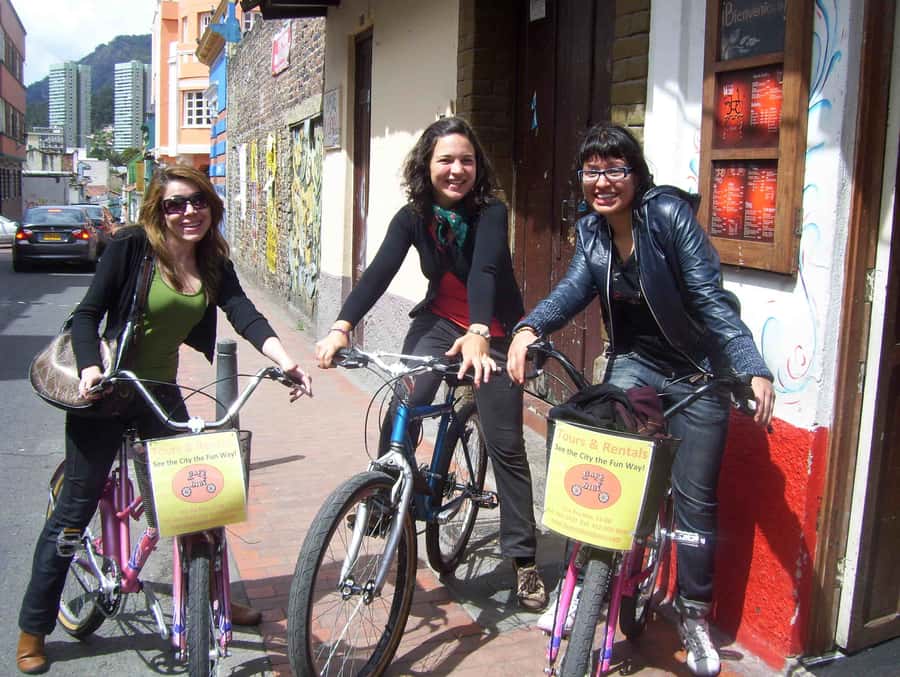
The meeting point is at Carrera 3 No. 12-42 in La Candelaria, Bogotá’s historic center. Arrive ready to ride in weather-appropriate clothing, since the tour operates rain or shine. A bicycle and helmet are included, along with a live guide in English or Spanish.
The opening section helps you get your bearings. Guides explain what you are seeing while the group moves through streets and public spaces, rather than stopping only at formal museum sites. This is useful on a first day in Bogotá because you begin to understand how the center connects with the rest of the city.
Different guides bring different strengths. Mike is noted for humor, personal stories, and clear explanations of Colombian history. Lina has led friendly, engaging departures, while Daniel has been praised for explaining both past and present Bogotá. David brings an unusual connection to the city’s art scene and has taken groups to his studio on some departures.
The exact route changes with weather, city events, and the day’s conditions. That flexibility is worth understanding before you book. You should expect the same broad mix of culture and local life, but not a rigid list of identical stops every time.
Markets and Colombian fruit
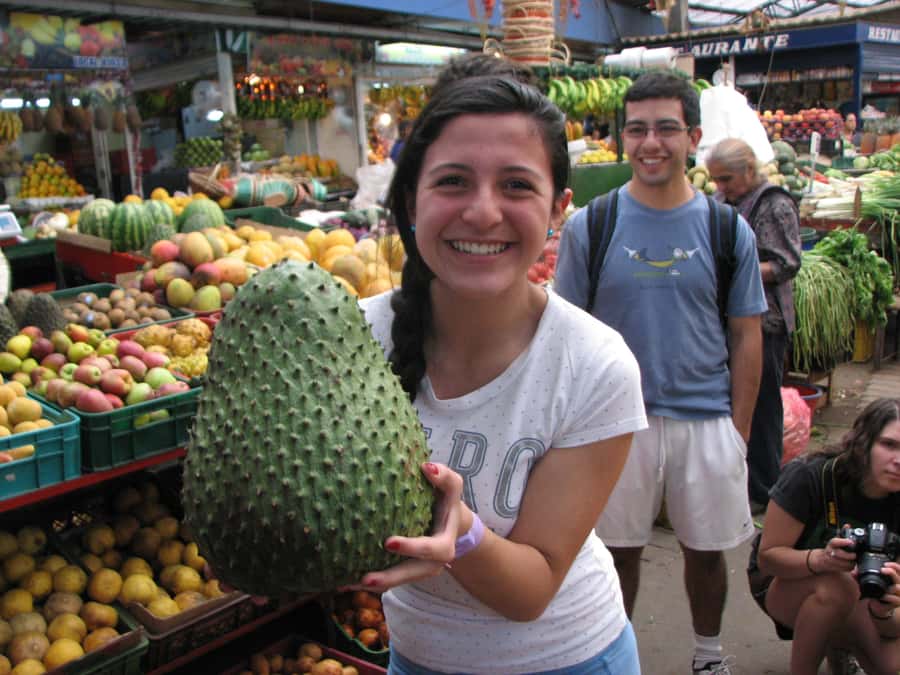
The traditional food market is the part I would most want to protect time for. Instead of simply walking past produce stalls, you taste your way through them. Guides may slice and prepare a large range of fruit, including varieties that are unfamiliar outside Colombia.
This stop gives you more than a snack. Colombia’s different growing regions help explain why the country can offer such an impressive range of produce. Your guide can connect the food to farming, climate, regional life, and local habits, turning a market visit into a lesson you can taste.
Be prepared for sticky fingers and generous portions. One account describes tasting so many fruits that everyone was dripping with juice by the end. That is part of the charm, though anyone with food allergies or strong dislikes should speak up clearly before accepting a sample.
There is also a small point of market etiquette to remember. If you take a piece of fruit, finish it or dispose of it politely rather than leaving it behind. You are entering a working market, not a staged food display, so basic courtesy matters.
The fruit stop is especially good for people who want contact with ordinary city life. It puts you beside local vendors and lets you ask questions in a relaxed setting. It also breaks up the cycling at exactly the right time.
Coffee at a traditional roaster
Coffee is another useful stop because it moves the discussion from Colombia’s famous export image to the way coffee is handled and enjoyed locally. At a traditional roaster or coffee shop, you can see and taste a more direct connection between beans, roasting, and the cup.
The experience may include a local preparation rather than a standard café drink. One account describes homemade coffee flavored with cardamom and anise, while another mentions several coffees and local snacks. The exact offering can vary, but the stop is built around tasting and explanation.
I like this part because it gives the tour a pause with a clear sense of place. You are not just being told that Colombia produces coffee. You are given a chance to notice how the drink smells, tastes, and fits into daily life.
If coffee is your main interest, keep expectations sensible. This is one stop within a broad city tour, not a dedicated plantation visit or professional tasting course. Its value comes from the wider story of Bogotá, not from an extensive coffee workshop.
Same city, a completely different kind of day:
- Bogotá´s Barrios: El Paraíso Favela Tour with Cable Car
★ 4.8 · 731 reviews - Bogota: Guatavita and Salt Cathedral Daily Group Tour
★ 4.7 · 615 reviews - Bogotá City Tour with Monserrate, Gold and Botero Museums
★ 4.9 · 584 reviews - Bogota: Zipaquirá Salt Cathedral and Lake Guatavita Day Tour
★ 4.8 · 551 reviews
Street art, studios, and the city’s changing face
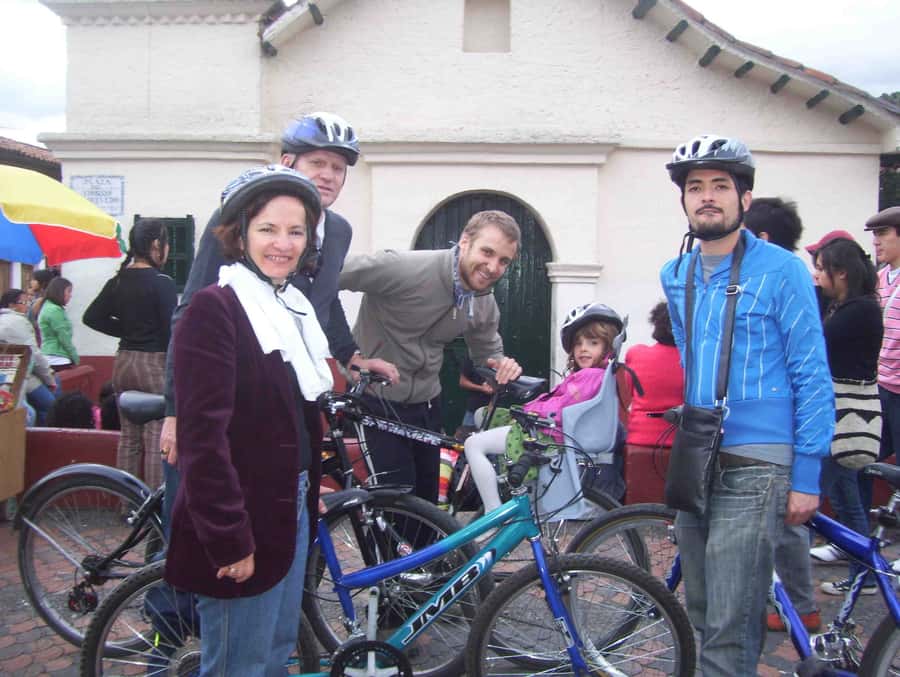
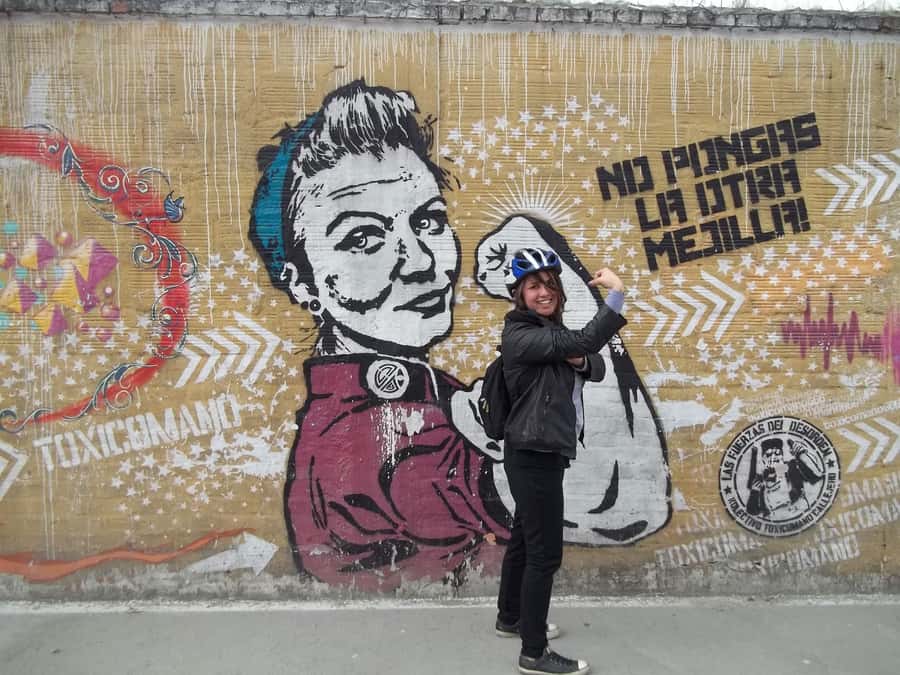
Bogotá is well known for public art, and the bicycle makes it easier to see murals spread across different streets. Your guide may stop to explain the artists, themes, and social ideas behind selected pieces. You get time to look, rather than simply passing a painted wall from a vehicle window.
A departure led by David included a visit to his studio, an extra that gives the art section a more personal feel when available. Because the route varies, you should treat this as a possible feature rather than a guaranteed part of every ride.
The art stops also help explain why the city feels politically and socially expressive. Guides may discuss the difference between decoration, protest, identity, and neighborhood pride. That context can change the way you see Bogotá’s walls for the rest of your stay.
This is one area where a local guide adds real value. A mural that looks attractive at first glance may carry a message about class, memory, migration, or the future of the city. You do not need to be an art expert. You simply need to be willing to stop and ask what you are looking at.
Tejo and other local traditions
The tour includes a chance to play tejo, Colombia’s national sport. It is a memorable choice because it is social, distinctly Colombian, and far removed from the usual checklist of churches and viewpoints.
Tejo involves throwing a heavy metal disc toward a target. The game is known for its small explosive charges, which create a sharp bang when hit. The activity adds humor and movement without requiring you to be a serious athlete.
This stop works well in a group because everyone can watch, try, and laugh together. It also gives your guide a natural opening to talk about leisure and social life in Colombia. You are learning through participation instead of standing in front of another plaque.
The tour may include other local treats or small surprises. Several departures have combined the fruit and coffee stops with music, street snacks, or an art activity. Since the route changes, think of the experience as a flexible cultural sampler rather than a fixed menu.
Historic sites and neighborhoods beyond the center
The route can include the bullfighting stadium, Central Cemetery, the historic center, plazas, parks, and residential neighborhoods. Each stop offers a different view of Bogotá, and the contrast is more useful than seeing a series of similar monuments.
The bullfighting stadium points to older traditions and contested parts of Colombian public life. The cemetery offers a quieter place to consider national figures, social memory, and the way a city honors its dead. The plazas and parks show where public life happens beyond the main tourist streets.
The neighborhood riding is just as important. You get to see how the city changes block by block, and you may reach places you would not think to visit on foot from La Candelaria. Guides often use these transitions to explain social classes, urban development, and Bogotá’s hopes for the future.
Do not expect every landmark to receive a long formal lecture. The tour’s strength is breadth. You receive short explanations at many points, then carry those ideas with you as you ride on.
How safe and demanding is the ride?
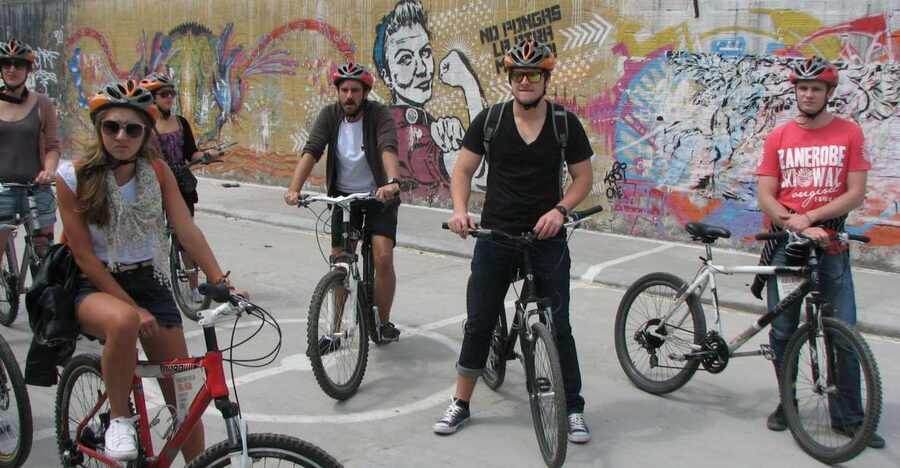
Safety support is one of the strongest features of this experience. Several departures have included a guide focused on the route and one or more assistants who help with traffic, stay near the group, secure the bicycles during stops, and handle mechanical issues.
That does not remove the need for caution. You are still cycling in a capital city, and one account specifically warned that cyclists may not always follow traffic rules or lane directions. Keep your eyes open, follow the guide’s signals, and be honest about your comfort level before joining.
The route is mainly flat, and the frequent stops prevent it from becoming a nonstop workout. Even so, you should be comfortable balancing, braking, turning, and riding near other bicycles and vehicles.
The tour is not suitable for people with mobility impairments or wheelchair users. Insurance is not included, so check your own coverage before booking. Wear clothes that can handle changing weather, and remember that rain does not automatically cancel the ride.
Sunday may offer the best cycling conditions. Bogotá often closes some roads to cars for its Sunday cycling program, and participants have found the ride more relaxed on those days. Road closures and the final route are not guaranteed, so check the available departure details rather than assuming every Sunday will be identical.
Is $19 good value?
At $19 per person, this is one of the better-value ways to get a first look at Bogotá. The price includes the bicycle, helmet, and bilingual guide, but the real value comes from the amount of ground covered and the number of different activities included.
A standard walking tour may explain the historic center well but leave you with little sense of the city beyond it. A private car tour can cover more distance but may keep you separated from markets, murals, and street life. This bicycle tour sits between the two: active, social, broad in range, and still close to the street.
You also avoid paying separate admission for a string of major attractions because the experience is built around neighborhoods, public places, tastings, and cultural encounters. Fruit, coffee, and tejo are not expensive luxury add-ons, but together they make the $19 feel more substantial.
The tradeoff is comfort and certainty. The route changes, weather can be wet, and traffic requires attention. If you want a precise schedule, air conditioning, or a quiet ride, spend more on a different style of tour. If you want a lot of Bogotá for a modest price, this is a strong choice.
Who will enjoy this tour most?
I would choose this for a first day in Bogotá. You get a useful overview of the city, practical orientation, local food, art, history, and plenty of ideas for places to return to later.
It suits couples, friends, solo riders, and families with older children who can manage city cycling. The social format makes it easy to meet people from other countries, and the stops keep the ride from feeling like an endurance test.
It is also a good match for anyone who prefers experiences over monuments. The fruit market and tejo game may be more memorable than another formal building, especially if you have limited time in the capital.
I would think twice if you rarely ride a bicycle or feel tense around traffic. The terrain may be flat, but flat does not mean effortless. Rain, city streets, lane changes, and group riding are all part of the deal.
Booking details worth knowing
The tour begins at Carrera 3 No. 12-42 in La Candelaria. English and Spanish departures are available, and you can check starting times when you select a date.
You can cancel up to 24 hours before the tour for a full refund, and the reserve-now, pay-later option keeps your plans flexible. Bring weather-appropriate clothing, and plan for the possibility of rain from start to finish.
The experience provider is Bogota Bike Tours. Guide names vary by departure, but Mike, Manuel, Lina, Daniel, Omar, David, Luis Carlos, Felipe, and others have led or supported recent rides. The guide you receive will shape the tone, so expect a personal interpretation rather than a fully scripted performance.
Should you book the Bogotá Bicycle City Tour?
Book it if you want an active introduction to Bogotá that goes beyond La Candelaria. The best reasons are the fruit market, the mix of neighborhoods and street art, the coffee stop, and the chance to play tejo. The low price makes the choice easier, especially when you have only a short stay.
Choose a Sunday departure if the available timing works and you would prefer roads with fewer cars, but do not treat that as a promise. And if city cycling makes you nervous, select a walking or vehicle-based tour instead.
For a confident cyclist who wants food, stories, art, and local contact in one outing, this is a very good buy. It gives you enough city context to make the rest of your Bogotá visit more rewarding.
FAQ
How long is the Bogotá Bicycle City Tour?
The tour lasts 270 minutes, or four and a half hours.
How much does the tour cost?
The listed price is $19 per person.
Where does the tour meet?
Meet at Carrera 3 No. 12-42 in La Candelaria, Bogotá.
What is included in the price?
A bicycle, helmet, and bilingual live tour guide are included.
Are the guides available in English?
Yes. The tour is offered in English and Spanish.
Does the route follow the same itinerary every day?
No. The route can change based on the day, weather, and special events in Bogotá.
Will the tour visit a fruit market?
The experience includes a visit to a traditional market where you can taste a range of local and exotic fruits.
Does the tour include coffee?
Yes. A traditional coffee roaster or coffee stop is part of the experience.
Is tejo included?
Yes. The tour includes an opportunity to play tejo, Colombia’s national sport.
Does the tour operate in the rain?
Yes. The tour takes place rain or shine, so bring clothing suited to the weather.
Is the tour suitable for wheelchair users?
No. It is not suitable for wheelchair users or people with mobility impairments.
Is insurance included?
No. Insurance is not included in the tour price.
Can I cancel for a refund?
You can cancel up to 24 hours in advance for a full refund.
Just added around Bogota
- Fun Graffiti Workshop: The Art of Aerosol and Color★ 5.0 · 3 reviews
- Zipaquirá: Private Salt Cathedral Mine and Walking Tour★ 4.8 · 3 reviews
- Walking tour José Celestino Mutis Botanical Garden 3 hrs★ 5.0 · 3 reviews
- Bogota: East Hills Mountain Hike★ 4.2 · 3 reviews
- Bogota: Explore the forest and bird watching at Chicaque Natural Park★ 5.0 · 3 reviews
- Bogota: Downtown City and Monserrate Hill Private Tour★ 3.7 · 3 reviews
- From Bogota: White Water Rafting Experience★ 4.4 · 3 reviews
- From Bogota: Excursion to Jaime Duque Park★ 5.0 · 3 reviews
Bogotá Tours, compared.
Zipaquirá: Salt Cathedral Group Tour with Pickup
Read our review →
Bogotá´s Barrios: El Paraíso Favela Tour with Cable Car
Read our review →
Bogota: Guatavita and Salt Cathedral Daily Group Tour
Read our review →
Bogotá City Tour with Monserrate, Gold and Botero Museums
Read our review →
Bogota: Zipaquirá Salt Cathedral and Lake Guatavita Day Tour
Read our review →
Bogota: Salt Cathedral of Zipaquira Private daily Trip
Read our review →Browse the lists this tour appears in