
Reviewed · BOGOTÁ TOURS
Bogotá: Guided Coffee Tour with Lunch, and Pickup & Drop-Off
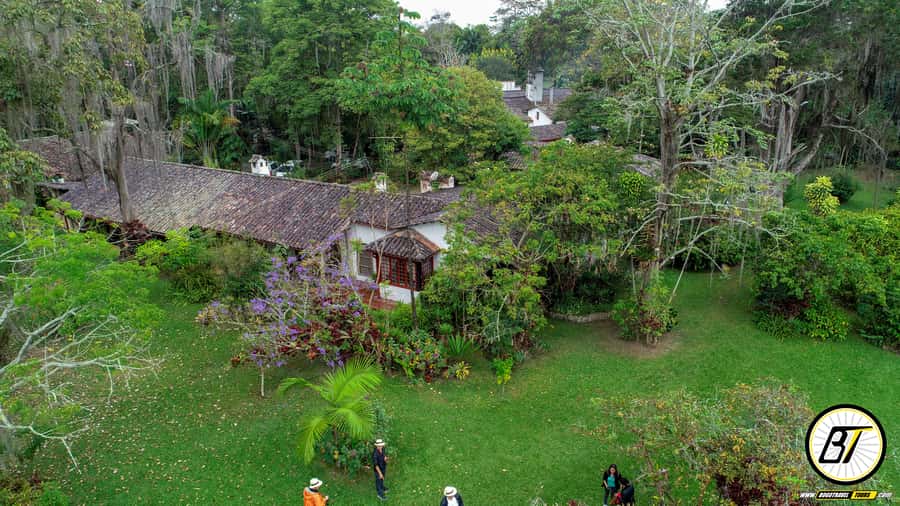
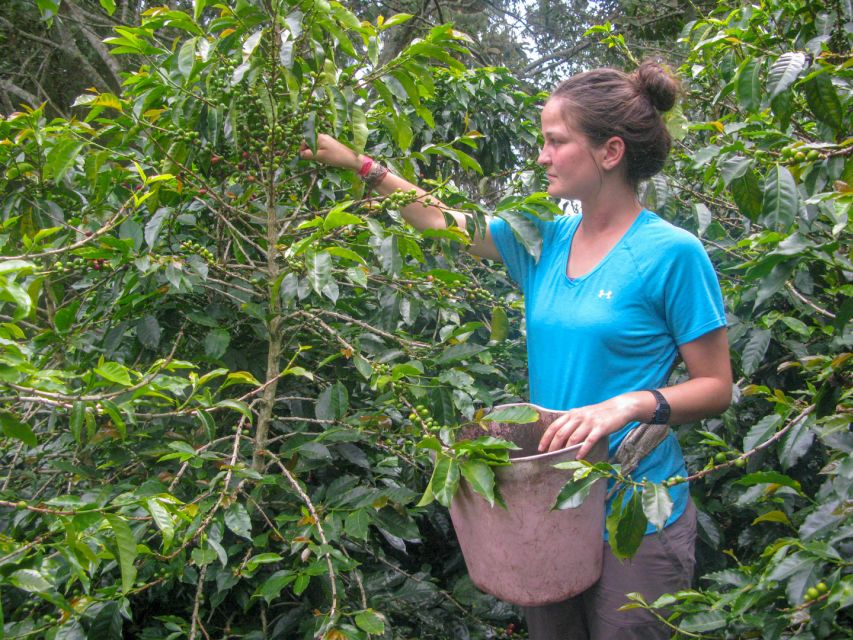
The heart of this day is Hacienda Coloma, a working coffee plantation near Fusagasugá where coffee producers explain the crop in plain, practical terms. You’ll walk through gardens filled with orchids, bromeliads, cacao, and bamboo, then follow the bean from plant to cup.
I like the personal scale of the visit and the chance to learn how to spot a good coffee bean before tasting one. I also like that fruit tasting and a typical Colombian lunch are built into the day, so the outing covers more than coffee alone.
The main drawback is the road time. Although Fusagasugá is described as about an hour from Bogotá, traffic and roadwork can make the trip much longer. One recent itinerary took about 2.5 hours each way from Zona T, so this is a full day in the car as well as at the plantation.
Key points at a glance
- Hacienda Coloma’s working plantation: Meet local coffee producers and see a private finca rather than only a city coffee shop.
- Coffee from crop to roastery: Learn about picking, pulping, drying, roasting, pests, and plant mutations.
- A named guide on the farm: Jessica led one particularly well-received visit and was praised for making the subject easy to understand.
- Fruit and passion fruit tasting: Visit a Colombian fruit market and learn about familiar and less familiar tropical produce.
- Private hotel transport: A driver takes you from Bogotá to Fusagasugá and back, useful when you want a direct day trip.
- Lunch included: A typical Colombian meal gives the outing a proper midday break instead of leaving you to find food on your own.
Why this coffee day is different from a Bogotá tasting
Bogotá has plenty of places to drink excellent coffee, but a cup in the city tells you little about how the bean reaches it. This outing takes you to the source, where you can see the plants, handle the crop, and watch the processing steps explained at the plantation.
That change in setting matters. Coffee is not just a drink here. It is a crop that depends on plant health, careful picking, drying, and roasting. The visit gives you a better sense of the work behind a finished cup.
The plantation is in Fusagasugá, a municipality south of Bogotá with an average temperature of about 20 degrees Celsius. That should feel milder than Bogotá in some ways, but you are still visiting an outdoor agricultural property. Comfortable clothes, sturdy comfortable shoes, and sunscreen are sensible choices.
You should also expect a private-group format rather than a large scheduled crowd. Your private transport, bilingual guide, and plantation coffee adviser are included, which makes it easier to ask questions and set the pace within the planned visit.
More Coffee Tours in Bogota
- From Bogotá: Coffee Farm and Tequendama Falls Tour
★ 4.5 · 130 reviews - Bogota: Colombian Coffee Tasting
★ 4.8 · 92 reviews - Coffee Farm Experience Private Day Tour
★ 5.0 · 81 reviews
The drive from Bogotá to Fusagasugá
Pickup is arranged at your hotel, and you are asked to wait in the lobby 10 minutes before the scheduled time. The drive takes you out of Bogotá toward Fusagasugá, with private transportation provided in both directions.
On paper, the journey is described as about one hour from the capital. In real use, the timing can vary sharply. A visit from Zona T took roughly 2.5 hours each way because of traffic and roadwork. That is an important planning point, especially if you are booking this near the end of your Bogotá stay or have an evening flight.
I like private transport for this trip because it removes the need to arrange connections to a rural plantation. You do not have to find the correct bus, negotiate a taxi from Fusagasugá, or worry about getting back to Bogotá after lunch.
The tradeoff is that the car ride takes up a large part of the eight-hour day. You are paying for convenience and a direct route, not for a short transfer. Ask about current road conditions and allow extra time if you have an important appointment later.
The driver is part of the experience in a practical way. One visit received especially strong praise for an excellent driver who made the passengers feel at home. The driver’s name is not provided, but that detail suggests the transfer is meant to be more than a silent point-to-point ride.
Arriving at Hacienda Coloma
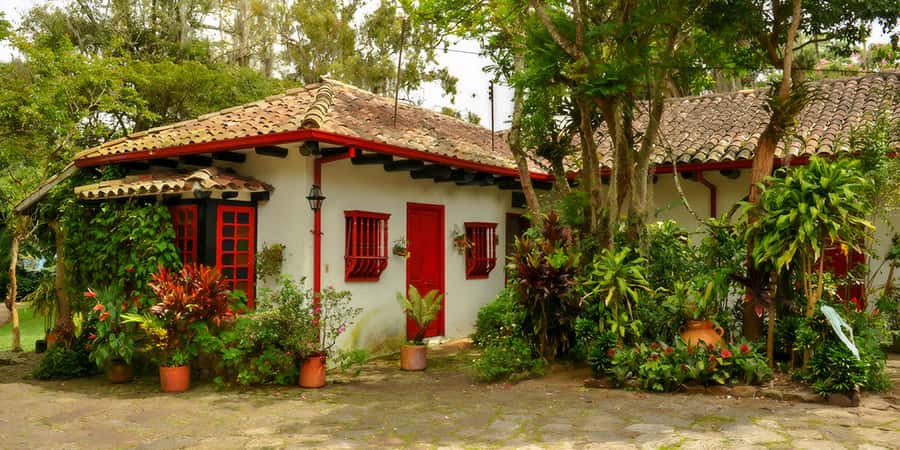
Hacienda Coloma is presented as a private coffee plantation and a real local finca. That setting gives the visit its character. You are not simply shown a display about coffee. You enter a plantation where coffee producers welcome you and explain how the crop grows and changes.
The first area includes a garden with native plants and flowers associated with the tropical climate. Look for orchids, bromeliads, cacao, and bamboo. These plants help place coffee in its wider setting. A coffee farm is not just rows of one plant, and the garden offers a quick introduction to the vegetation of the region.
This opening portion should appeal to you if you like seeing how local products connect to local agriculture. It also gives you time to adjust from the city before the more technical coffee discussion begins.
The visit is wheelchair accessible according to the tour information. Since the experience takes place on a plantation and includes outdoor areas, you should still discuss any specific mobility needs when booking. Accessibility on paper does not describe every surface or route.
Learning how to pick and judge coffee beans
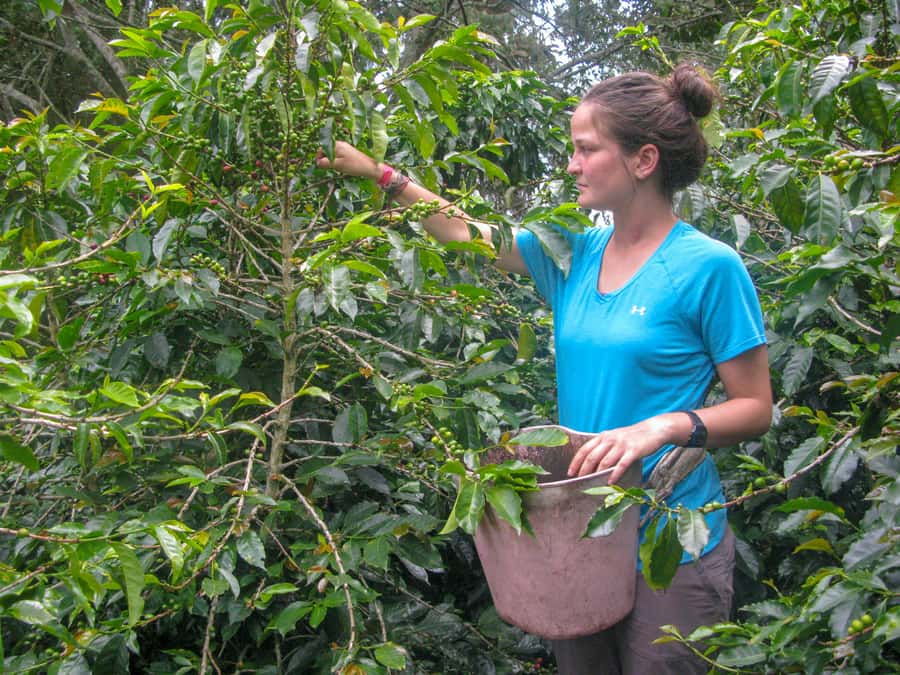
The coffee lesson begins with the plants themselves. You learn about different types of coffee crops, then compare bean colors and sizes. The guide and coffee adviser explain how to pick coffee and how to identify better beans on the plant.
This is the part I find most useful for anyone who usually buys coffee without thinking about its origin. You begin to connect the appearance of the fruit and beans with the quality of the finished drink. The lesson is not only about tasting notes. It starts with what is growing in front of you.
You will also hear about the natural enemies of coffee, including parasites, and about mutations in coffee plants. Those details add a useful dose of reality. Coffee growing is not a simple process of planting, picking, and selling. Plant health and variation affect the crop long before roasting begins.
One visit was led at the plantation by Jessica, who was described as fantastic and very informative. She is the only farm guide named in the available details, but her role gives you a sense of the kind of guide you may meet: someone focused on explaining the crop rather than rushing you through a photo stop.
The depth of the explanation can depend on your interest and the questions you ask. If you want more than a general introduction, ask about the differences between the crops, the signs of a ready bean, and how parasites affect production.
More coffee farms to visit:
- Coffee tasting experience at Divino Café Especial
★ 5.0 · 57 reviews - Exclusive Coffee Experience:Tour from Bogotá
★ 4.5 · 45 reviews - Bogota: Coffee Tasting Experience Tour with Exotic Varieties
★ 4.1 · 13 reviews - Coffee Experience: Hacienda Coloma Tour from Bogotá
★ 4.4 · 11 reviews
Following the bean through the roastery
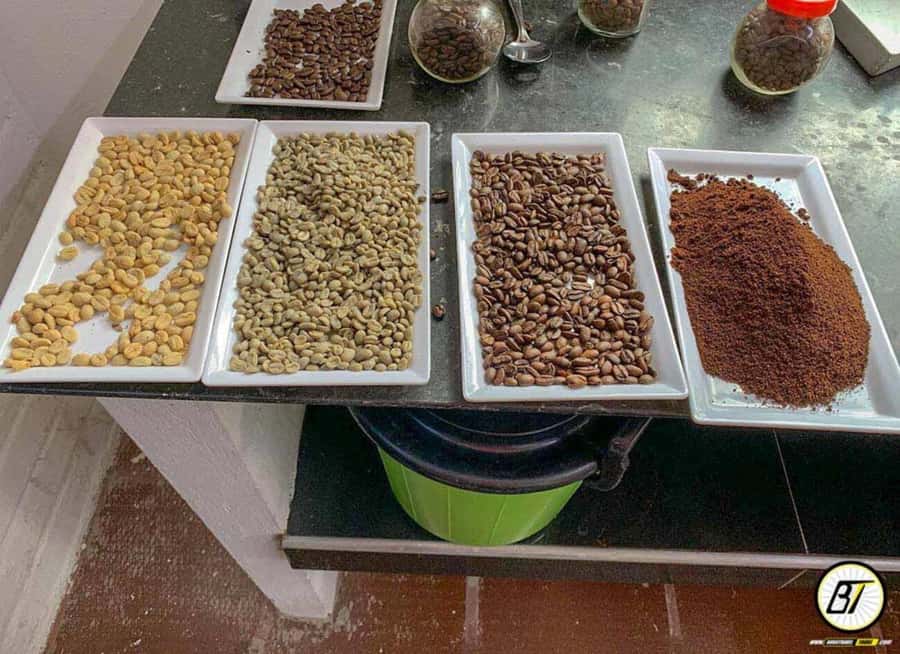
After the plants, the tour moves to coffee production. The process includes pulping, drying, and roasting, with the roasting taking place in a real roastery section at the plantation.
Seeing these stages in order is the main educational value of the day. Pulping removes the outer material from the coffee fruit. Drying prepares the beans for the next stage, and roasting changes the beans into the familiar brown coffee used for brewing.
You are not only told that coffee is processed. You can follow the chain from the plant to the cup. That makes the final tasting more meaningful, especially if you have never visited a plantation before.
The description does not promise a long technical workshop or hands-on roasting session, so keep your expectations sensible. You should expect explanations and a look at the working process, not a professional coffee certification course.
The plantation setting also keeps the experience grounded. The focus is on how coffee is produced locally, with a coffee specialist available alongside the bilingual guide. English and Spanish are offered, which is useful if you want detailed explanations without relying on translation from another member of your group.
Coffee tasting and coffee liqueur
At the end of the coffee lesson, you taste a good-quality coffee from the plantation. A coffee cup is included, along with a taste of coffee liqueur.
The tasting is small rather than a grand formal session. One account described it as a small coffee tasting, so you should think of this as a focused introduction to the flavor of the farm’s coffee. It is enough to connect the growing and roasting stages with the drink, but not necessarily enough for a full comparative tasting of several coffees.
The coffee liqueur adds a different note to the visit. It lets you try coffee in a prepared drink rather than only as a brewed cup. If you do not drink alcohol, check with the guide about the tasting before accepting it.
I like the order of the day here. You learn about the plant first, then see production, then taste the result. That sequence gives the cup a story, without turning the visit into a lecture.
Colombian fruits and a typical lunch
Coffee is the main subject, but the fruit portion keeps the day from feeling too narrow. You visit a Colombian typical fruit market and sample several fruits, with explanations of the most common varieties and passion fruits.
This is a worthwhile addition because Colombia’s produce is one of the pleasures of eating here. The information provided does not list every fruit, so you should expect the selection to vary. The guide explains what you are tasting rather than simply handing you a plate and moving on.
For many people, this may be the most informal and fun section of the outing. Fruit names and flavors can be difficult to remember from a menu. Trying them in person gives you a better reference for future market visits and restaurant orders.
A typical Colombian lunch is included. The exact dish is not specified, so do not book this expecting a particular regional plate. Instead, treat it as a chance to eat a local-style midday meal during the day trip.
One itinerary placed lunch in a nearby town after the Hacienda Coloma visit. That arrangement gives you a break from the plantation and adds another local stop, but it also means the lunch setting may not be at the finca itself. If you have dietary restrictions, ask in advance, since no special menu details are provided.
What the $1,146 price means
At $1,146 per person, this is an expensive day trip. The value depends heavily on what you want from your time in Bogotá and how much you value private service.
The price includes transport from your hotel in Bogotá to Fusagasugá and back, access to the private plantation, a bilingual local guide, a specialized coffee adviser, coffee and coffee liqueur tasting, fruit tasting, and lunch. For a private group, those inclusions cover the core costs of a rural day outside the capital.
Still, the price is hard to justify if your main goal is simply to drink Colombian coffee. You can do that for far less in Bogotá. This tour makes more sense if you specifically want a private plantation visit, direct hotel pickup, an English-speaking option, and a full day arranged without piecing together transport and meals yourself.
The road time also affects the value calculation. If traffic turns the drive into 2.5 hours each way, a substantial share of your day is spent in the car. That is not necessarily a problem, but you should be comfortable with a long transfer before paying the premium.
For couples, families, or small private groups who want an easy organized outing, the cost may feel worthwhile. Solo visitors or budget-minded coffee fans should compare it carefully with shorter coffee activities in Bogotá.
Who should book this plantation visit
I would recommend this experience to you if you want to understand coffee production rather than only sample the final drink. It suits curious food lovers, first-time visitors to Colombia, and people who prefer private transport over public connections.
It is also a good fit if you want a day with several elements: agriculture, a garden walk, coffee processing, tasting, fruit, and lunch. The variety prevents the schedule from being only a technical talk about beans.
The experience may be less suitable if you dislike long car rides, have a tight evening schedule, or want an advanced coffee course. The published information does not describe professional cupping instruction, multiple brewing methods, or a long hands-on roasting session.
The tour is listed as wheelchair accessible, but it is not suitable for hearing-impaired people. English and Spanish are available, and the group is private. Those details matter if communication support or a tailored pace is important to you.
Booking tips for a smoother day
Wear shoes that are comfortable for walking around a plantation, along with light comfortable clothes and sunscreen. The garden and coffee areas are outdoors, so practical clothing will serve you better than a dressed-up city outfit.
Wait in your hotel lobby 10 minutes before pickup. Keep your return schedule flexible, especially if your hotel is in Zona T or another part of Bogotá affected by heavy traffic.
The experience has a 4.8 rating based on five verified bookings, including strong praise for the driver and for Jessica, the farm guide on one visit. The sample is small, so I would treat that score as encouraging rather than as a guarantee that every guide or road day will be identical.
You can cancel up to 24 hours in advance for a full refund, and you can reserve now and pay later. Those policies are useful if your Bogotá plans are still shifting, though they do not remove the need to allow plenty of time for the drive.
Should you book this Bogotá coffee tour?
Book it if you want a private, all-inclusive day at a real coffee finca and you are happy to trade a long road journey for direct access to Hacienda Coloma. The strongest parts are the coffee process explanation, the personal guide format, the fruit tasting, and the ease of hotel pickup and drop-off.
Skip it if your budget is tight or you only want a quick coffee tasting. At $1,146 per person, the experience needs to provide more than a good cup, and its value rests on the plantation visit, private transport, lunch, and guided agricultural context.
My practical advice is simple: confirm the pickup timing and current road conditions before you commit. If you can accept the distance, this offers a clear look at how Colombian coffee moves from plant to roastery to cup, with enough food and local produce to make the day feel rounded.
FAQ
How long does the coffee tour last?
The experience lasts eight hours. Actual time on the plantation can vary because the drive from Bogotá may be longer than the stated one-hour estimate.
Where does the coffee tour go?
The tour travels from Bogotá to Fusagasugá in Cundinamarca and visits the private coffee plantation Hacienda Coloma.
Is hotel pickup and drop-off included?
Yes. Private transportation is provided from your Bogotá hotel to Fusagasugá and back. You should wait in the hotel lobby 10 minutes before your scheduled pickup.
What is included in the food and drink portion?
The experience includes a coffee tasting, coffee liqueur tasting, Colombian fruit tasting with explanations, passion fruit, and a typical Colombian lunch.
Which languages are available?
The local guide service is available in English and Spanish. A specialized coffee adviser also explains the coffee production at the plantation.
Can I cancel or pay later?
You can cancel up to 24 hours before the activity for a full refund. You can also reserve the experience and pay later.
More Lunch Experiences in Bogota
- Private Salt Cathedral of Zipaquira Tour from Bogota with Lunch
★ 5.0 · 88 reviews - Village and Lake Guatavita Private Tour with Optional Lunch
★ 5.0 · 47 reviews - La Candelaria Private Tour Bogotá + Local Lunch + 2 Museums (6 Hrs.)
★ 5.0 · 41 reviews - Bogotá: Grand City Tour with Monserrate, Usaquén and Lunch
★ 4.7 · 31 reviews
Just added around Bogota
- Fun Graffiti Workshop: The Art of Aerosol and Color★ 5.0 · 3 reviews
- Zipaquirá: Private Salt Cathedral Mine and Walking Tour★ 4.8 · 3 reviews
- Walking tour José Celestino Mutis Botanical Garden 3 hrs★ 5.0 · 3 reviews
- Bogota: East Hills Mountain Hike★ 4.2 · 3 reviews
- Bogota: Explore the forest and bird watching at Chicaque Natural Park★ 5.0 · 3 reviews
- Bogota: Downtown City and Monserrate Hill Private Tour★ 3.7 · 3 reviews
- From Bogota: White Water Rafting Experience★ 4.4 · 3 reviews
- From Bogota: Excursion to Jaime Duque Park★ 5.0 · 3 reviews
Bogotá Tours, compared.
Zipaquirá: Salt Cathedral Group Tour with Pickup
Read our review →
Bogotá´s Barrios: El Paraíso Favela Tour with Cable Car
Read our review →
Bogota: Guatavita and Salt Cathedral Daily Group Tour
Read our review →
Bogotá City Tour with Monserrate, Gold and Botero Museums
Read our review →
Bogota: Zipaquirá Salt Cathedral and Lake Guatavita Day Tour
Read our review →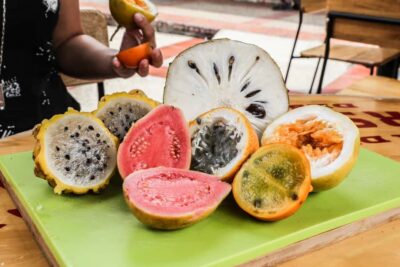
Browse the lists this tour appears in