
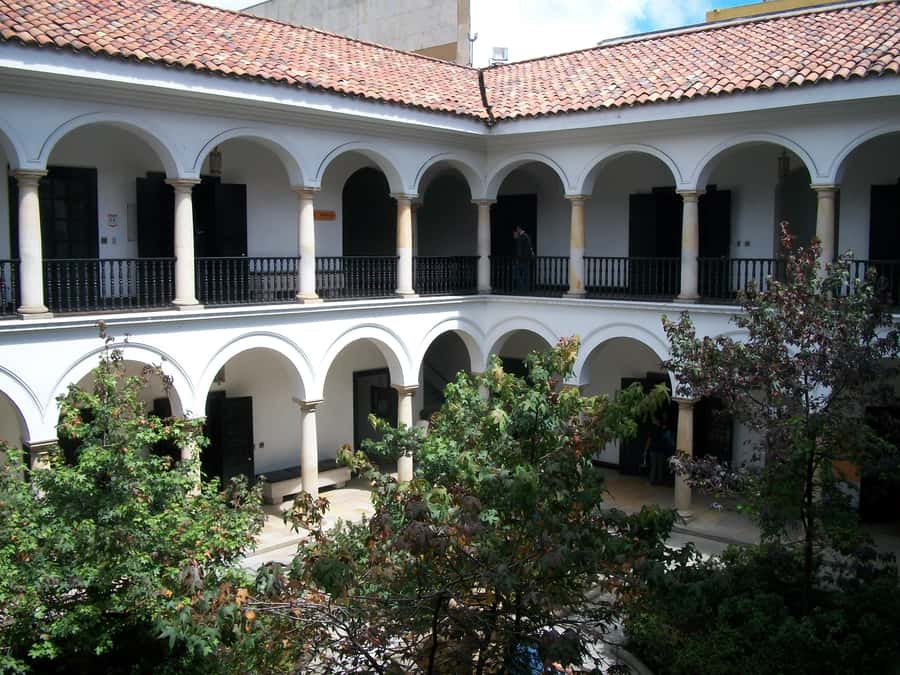
Reviewed · BOGOTÁ TOURS
Guided Visit to Botero Museum in Bogota
Fernando Botero gave Colombia a remarkable gift: 123 of his own works alongside 85 pieces from his private collection. This private visit lets you see his famous full-bodied figures, political wit, and playful style, then compare them with works by Monet, Renoir, Picasso, Dalí, and other major artists.
I like the private format, since you can ask questions without keeping pace with a large group. I also like the hotel pickup, English or Spanish guiding, and the chance to see Botero’s art in the context of his personal taste. One consideration: two hours passes quickly, especially if you want time for both Botero and the international collection.
Key points
- 123 Botero works: See the artist’s paintings, drawings, and sculptures in the museum created from his 2000 donation.
- 85 international works: Find pieces from Botero’s private collection, including art by Monet, Renoir, Degas, Pissarro, Picasso, Dalí, Miró, Chagall, Klimt, and Calder.
- Private English or Spanish guide: Ask for the level of explanation and focus that suits you.
- Hotel pickup in private transport: The visit begins at your hotel, with pickup service offered as part of the arrangement.
- A useful two-hour museum stop: The time works well for an introduction to Botero, though art lovers may want longer afterward.
- Free cancellation up to 24 hours: You can cancel by then for a full refund, and reserve now while paying later.
Why Botero’s 123 works deserve your time
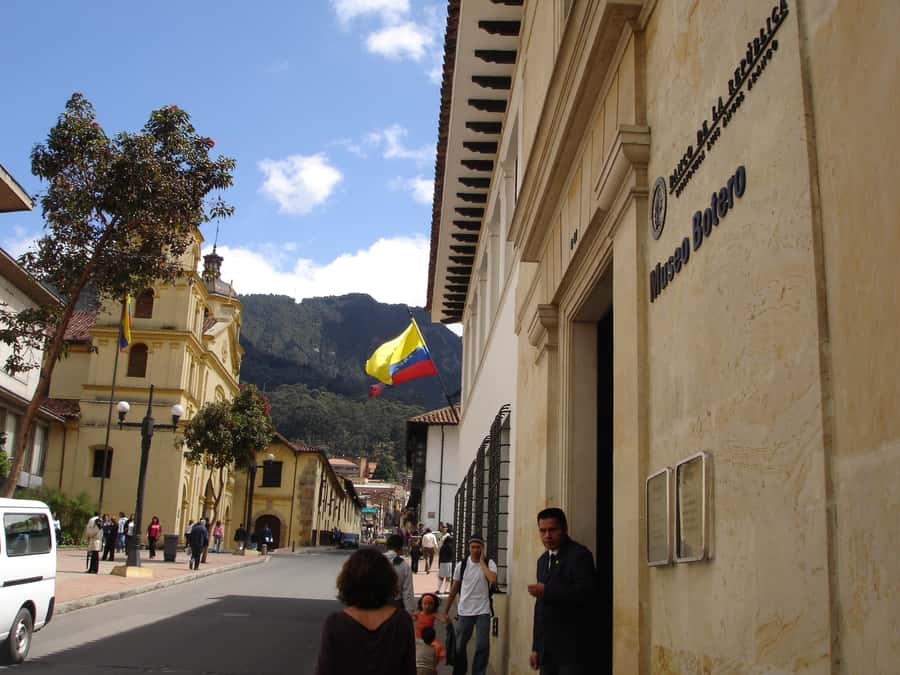
Botero is famous for figures with broad, rounded bodies. At first glance, the style can look like a simple visual joke. Spend a little time with it, though, and you will see a carefully controlled way of changing proportion, volume, and mood.
His figures are not simply fat people. Botero enlarged bodies, animals, objects, and spaces to create a distinct visual language. A woman, a soldier, a family, or a still-life object may look calm and weighty, yet the subject can carry humor, social criticism, or a quiet comment on power.
The museum gives you a useful setting for seeing this pattern across many works. Instead of encountering one famous Botero image in isolation, you can compare how the same style works in portraits, scenes of daily life, religious subjects, and political material.
I find that a guide helps here. Without context, you may spend the whole visit saying that everything looks rounded. With a good explanation, you can begin to ask better questions: Why is this person posed that way? Why does a familiar scene feel comic or uneasy? How does Botero use scale to change the subject?
A few more Bogota day trips to weigh up
- Bogotá City Tour with Monserrate, Gold and Botero Museums
★ 4.9 · 584 reviews - Bogotá: City Tour, Monserrate, Gold Museum, Plaza de Bolivar
★ 4.7 · 168 reviews - BOGOTA: City Tour, Monserrate, Gold Museum, Botero Museum, Plaza Bolívar
★ 4.8 · 146 reviews
A Colombian artist with an international reach
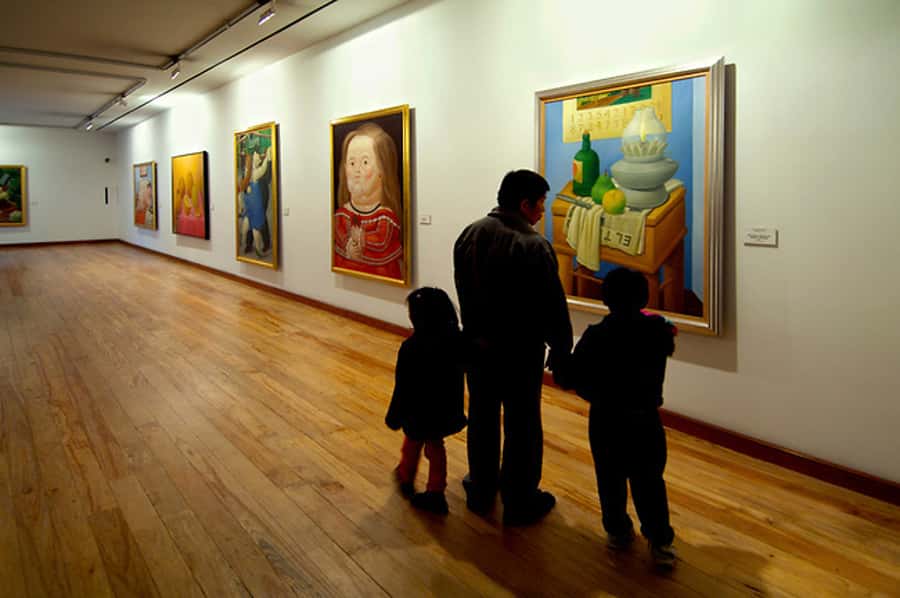
Fernando Botero was born in Medellín and became Colombia’s best-known artist. He first exhibited his work in 1948 and gained national recognition in 1958 after winning an award at the Salón de Artistas Colombianos.
From 1966 to 1975, he divided his time among Europe, New York, and Colombia. That movement matters because Botero’s art is Colombian in subject and identity, but it also speaks to European art traditions and modern international painting.
A guided visit can help you notice those links. You may see echoes of old European masters, familiar portrait forms, and traditional still-life arrangements, but reshaped through Botero’s unusual sense of volume. His work is not tied to one narrow category. It uses recognizable subjects while altering how you see them.
The humor also deserves attention. Botero’s work can be funny without being lightweight. A rounded figure may seem playful, while the subject points toward class, authority, violence, or public life. His political criticism is part of the reason this museum visit is more than a parade of amusing shapes.
Entering the museum created by a national donation
In 2000, Botero donated a collection to Colombia’s Banco de la República, or Bank of the Republic. That donation became the Botero Museum and contains 208 works in total.
The split is important. You get 123 pieces by Botero, but the remaining 85 works come from his private collection. This gives the museum two purposes: it presents Botero’s own career and shows the art he chose to live with and collect.
I like that arrangement because it turns the visit into a small lesson in taste. You are not only asking what Botero painted. You are also asking what he admired in other artists. His collection includes 14 Impressionist paintings, with works by Monet, Renoir, Degas, and Pissarro, as well as four Picassos.
The collection also includes artists such as Dalí, Miró, Chagall, Max Ernst, de Kooning, Klimt, Rauschenberg, Giacometti, and Calder. The exact experience of viewing each work depends on the museum display and the guide’s route, but the list alone shows why you should not treat this as a single-artist stop.
A two-hour route through Botero’s world
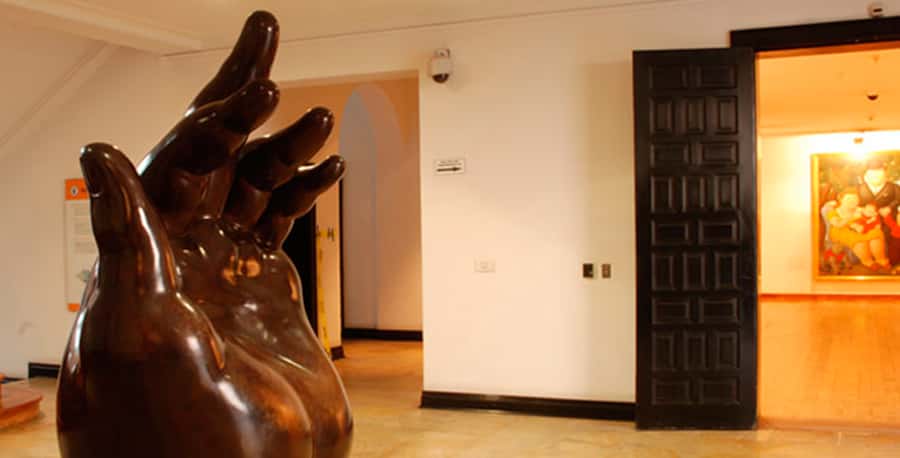
The tour begins with pickup at your hotel at 10:00 in the morning, according to the scheduled plan. Private transport takes you to the museum, where the guided visit lasts about two hours.
That structure is handy in Bogotá. You do not need to work out the museum transfer before the visit, and you can use the ride to get settled for the morning. The service information also describes pickup as optional, so confirm the exact pickup arrangement when booking if hotel transport is important to you.
Once inside, expect the guide to introduce the museum, Botero’s career, and the building or museum setting before moving through the art. The supplied details do not give a fixed room-by-room route, so the order of works may vary. That is not a problem in a private visit, since you can ask to spend more time on the pieces that catch your eye.
The first part will likely work best as an introduction to Botero’s style. Look for repeated forms and subjects. Notice how his figures occupy space, how clothing and objects gain weight, and how a broad shape can create both comedy and dignity.
The next part should help you connect style with meaning. Botero is known for political criticism as well as humor, so do not stop at the surface appearance. Ask the guide what social or political idea may sit behind a particular scene, and how the artist’s visual choices affect your response.
The international collection needs its own time. If you rush through it, you may remember only the famous names. If you pause, you can compare Botero’s approach with Impressionist painting, Picasso’s experiments, Surrealist work, and modern sculpture.
At the end, you have time for the souvenir shop. It is a small but useful extra, especially if you want a compact reminder of the visit or a gift for someone at home. The tour does not include meals, drinks, or personal purchases, so budget for those separately.
Same city, a completely different kind of day:
- Bogota: Bicycle City Tour
★ 4.9 · 2,156 reviews - Zipaquirá: Salt Cathedral Group Tour with Pickup
★ 4.8 · 1,606 reviews - Bogotá: Guided La Candelaria Walking Tour
★ 4.8 · 1,229 reviews - Bogotá: Private City Tour, Monserrate, Emerald and Botero
★ 4.9 · 798 reviews
Why the private group matters
A private group changes the feel of a museum visit. You can ask for more explanation when a painting puzzles you, or move along when a work does not hold your attention. That flexibility is especially useful here because the collection covers both Botero and a wide range of international artists.
The guide is available in English or Spanish. If you have strong interest in Colombian art, ask for more local context. If you know European or modern art better than Botero, ask the guide to focus on the links between his work and the artists in his collection.
The experience has received a rating of 4.3 from four recorded ratings. The strongest praise centers on the guide’s information, friendly manner, and relaxed pace. One booking specifically describes Gigio and the driver as informative and friendly. Other comments point to very good explanations and a leisurely, pleasurable visit.
Those details tell me what to expect from the best version of this tour: not a rushed checklist, but a calm introduction with room for questions. Still, a private guide cannot guarantee that every subject will match your taste. If you prefer to wander alone and read at your own pace, the guided structure may feel more directed than necessary.
The story of The Bird and Botero’s public art
Botero’s work also connects with Colombia’s difficult public life. In 1995, a guerrilla group destroyed The Bird, a dove sculpture that Botero had donated to the city. The explosion took place during a street festival, and the group called Botero a symbol of oppression.
Botero cast a new dove for the plaza but insisted that the remains of the original stay in place. The two sculptures together could represent peace and violence. This story is useful context for the museum because it shows that Botero’s art is not only about comic proportions or attractive shapes.
The museum visit may not include The Bird itself, since the information provided does not promise that stop. Still, ask your guide about the sculpture and Botero’s public work. It gives you a clearer sense of how art, national identity, violence, and memory meet in Colombia.
What the $46 price includes
At $46 per person, the tour costs more than simply entering a museum on your own, but you are paying for several services together. The price includes entrance fees, a private guide in English or Spanish, and private transport from your hotel to the museum.
For you, the value depends on how much help you want. If you already know Botero well, speak Spanish comfortably, and are happy arranging your own transport, you may prefer an independent visit. The tour’s price then pays for convenience and interpretation that you may not need.
If this is your first time learning about Botero, the price makes more sense. You get a person who can explain why the figures look the way they do, place the museum in Colombian art history, and connect Botero’s work with the international artists he collected.
The private format is the key value. A low-cost group tour may cover similar ground, but this visit gives you a more personal pace. The benefit is greatest if you ask questions and make use of the guide rather than simply following along.
Meals and drinks are not included, but that is not a serious issue for a two-hour museum visit. Personal expenses and optional activities are also separate. Your main extra cost is likely to be something from the souvenir shop, if you choose to buy a gift.
Timing, closure days, and practical planning
The scheduled pickup is at 10:00 in the morning. Check the available starting time when you reserve, since the activity page notes that times depend on availability.
Do not plan this visit for Tuesday. The Botero Museum is closed that day. This is the most important practical warning because a well-planned morning can fail if you overlook the closure.
The experience lasts two hours, but remember that the visit includes transport to the museum. The listed duration does not promise a full day of museum time, so keep your later plans flexible enough for the transfer and the souvenir-shop stop.
You can reserve now and pay later, which helps if you are still arranging a Bogotá schedule. You can also cancel up to 24 hours in advance for a full refund. These policies are useful for a city visit where weather, flight changes, or shifting plans can affect your day.
Who will get the most from this visit
I would recommend this tour to anyone who wants a clear introduction to Botero without spending hours preparing in advance. It suits first-time museum visitors, couples, families, and art lovers who want a private conversation rather than a large group presentation.
It is also a good fit if you are curious about Colombian culture but do not want a long city tour. Botero’s work gives you an accessible starting point, while the story of his donation and public sculptures adds national context.
You may prefer an independent visit if you want to study every work slowly. Two hours is enough for a focused introduction, but the museum’s 208-piece collection can reward more time. A private tour gives you a strong first look, not an exhaustive art-history course.
Language is another simple deciding point. English and Spanish guides are available. Choose the language in which you can ask detailed questions, since the personal exchange is one of the main reasons to pay for this format.
Should you book the Botero Museum tour?
Book it if you want private transport, a personal guide, and useful background in one short morning visit. The combination of 123 Botero works and 85 international pieces gives you far more than a single-style display, and the guide can help you see the humor and criticism beneath the rounded forms.
Skip it if you are content to arrange your own transport and explore independently. You may save money and gain more time, but you will lose the focused explanations that make Botero’s style easier to understand.
For most first-time visitors to Bogotá who want an efficient, friendly introduction, I think the $46 price is fair. Just avoid Tuesday, confirm the hotel pickup details, and remember that two hours is a starting point rather than the final word on this collection.
FAQ
Where is the Botero Museum tour located?
The experience takes place in Bogotá, in Cundinamarca, Colombia. The tour includes transport from your hotel to the museum.
How long does the guided Botero Museum visit last?
The activity lasts two hours. Check availability for the specific starting time.
What time does hotel pickup take place?
The scheduled pickup is at 10:00 in the morning. Pickup service is described as optional, so confirm the arrangement when booking.
Is private transport included?
Private transport from your hotel to the museum is included in the tour information. The activity also describes pickup as optional, so check the exact service details for your booking.
Is the tour private?
Yes. The group type is listed as a private group.
Which languages are available?
You can request an expert guide in English or Spanish.
How many Botero works are in the museum collection?
The collection contains 123 works by Fernando Botero.
Does the museum also display other artists?
Yes. Botero’s donation included 85 works from his private collection, with pieces by artists including Monet, Renoir, Degas, Pissarro, Picasso, Dalí, Miró, Chagall, Ernst, de Kooning, Klimt, Rauschenberg, Giacometti, and Calder.
Is the Botero Museum open on Tuesdays?
No. The Botero Museum is closed on Tuesdays.
What is included in the $46 price?
The price includes entrance fees, an English- or Spanish-speaking guide, and private transport from your hotel to the museum. Meals, drinks, personal expenses, and optional activities are not included.
Can I cancel the booking?
Yes. You can cancel up to 24 hours in advance for a full refund.
Can I reserve now and pay later?
Yes. The booking option lets you reserve your place and pay later.
Just added around Bogota
- Fun Graffiti Workshop: The Art of Aerosol and Color★ 5.0 · 3 reviews
- Zipaquirá: Private Salt Cathedral Mine and Walking Tour★ 4.8 · 3 reviews
- Walking tour José Celestino Mutis Botanical Garden 3 hrs★ 5.0 · 3 reviews
- Bogota: East Hills Mountain Hike★ 4.2 · 3 reviews
- Bogota: Explore the forest and bird watching at Chicaque Natural Park★ 5.0 · 3 reviews
- Bogota: Downtown City and Monserrate Hill Private Tour★ 3.7 · 3 reviews
- From Bogota: White Water Rafting Experience★ 4.4 · 3 reviews
- From Bogota: Excursion to Jaime Duque Park★ 5.0 · 3 reviews
Bogotá Tours, compared.

Zipaquirá: Salt Cathedral Group Tour with Pickup
Read our review →
Bogotá´s Barrios: El Paraíso Favela Tour with Cable Car
Read our review →
Bogota: Guatavita and Salt Cathedral Daily Group Tour
Read our review →
Bogotá City Tour with Monserrate, Gold and Botero Museums
Read our review →
Bogota: Zipaquirá Salt Cathedral and Lake Guatavita Day Tour
Read our review →
Browse the lists this tour appears in