
Reviewed · BOGOTÁ TOURS
Biking in Full Color: Urban Art Bike Tour
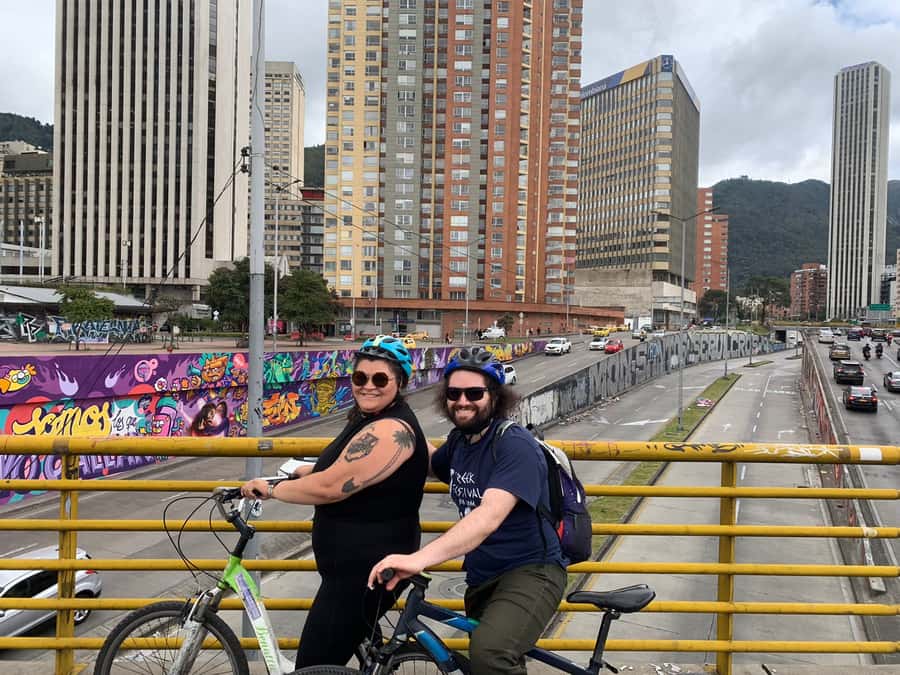
Bogotá’s street art is not confined to one colorful lane. This three-hour ride links 13 kilometers of bike trails across four very different neighborhoods, giving you a wider view of the city’s art, politics, and daily life than a short walking route can offer. The guide brings the walls to life with stories about artists, techniques, social struggles, and Colombia’s post-conflict work.
I like two things right away. First, the bicycle makes it possible to cover a lot of ground without spending the whole day in traffic. Second, the tour treats murals as more than decoration, with special attention to female artists and a peace-themed mural connected to Colombia’s social change.
The main consideration is the cycling itself. Three hours and 13 kilometers is manageable for many people, but you need comfortable sports shoes and enough ease on a bike to keep moving between stops. The tour runs rain or shine, although a rain poncho is offered.
Key points to know before booking
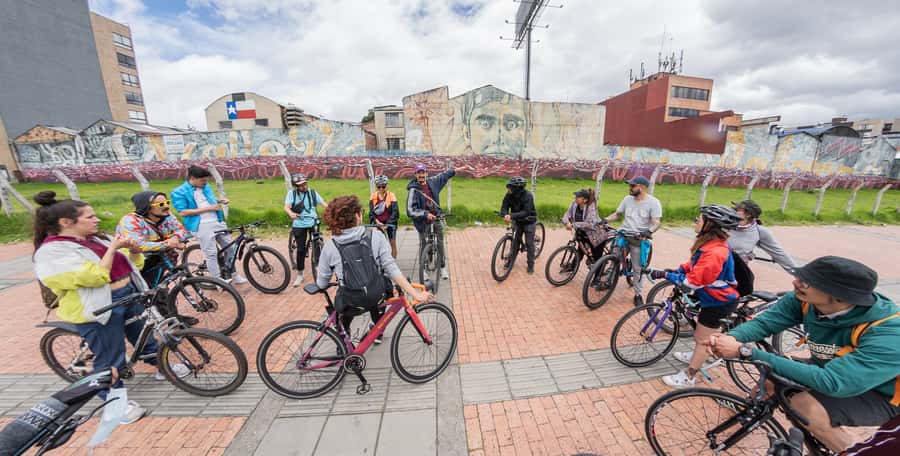
- 13 kilometers through four neighborhoods: The route links Centro, Teusaquillo, Santa Fe, and La Macarena rather than staying in one art district.
- Street art with political meaning: You will hear about murals tied to Colombia’s history, social struggles, peace, and post-conflict life.
- Female artists in focus: Several stops feature illustrations and work by women artists.
- A guide who works in the art world: Diego is one named guide, and the tour is led by someone described as a practicing urban artist.
- A coffee-factory stop: The ride includes a pause connected to Bogotá’s coffee culture, not just wall after wall.
- Flexible format: You can choose a private or small group tour, with guides available in English, Spanish, French, German, and Italian.
Starting at La Candelaria’s red wall
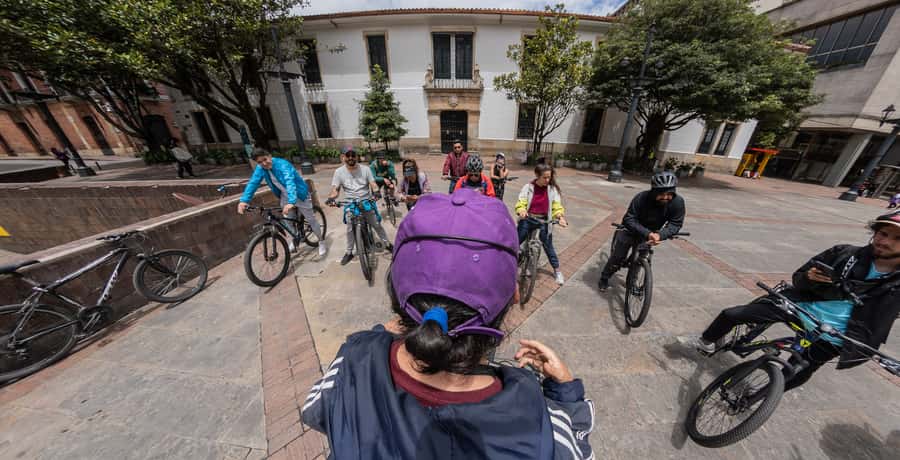
The meeting point is easy to describe: the big red wall at Carrera 3 #12-52 in La Candelaria. Look for the guide wearing or carrying something purple, such as a hoodie, cap, or umbrella.
La Candelaria is a fitting place to begin. The neighborhood is closely tied to Bogotá’s public art scene, and starting here puts you near the old center before the route moves into other parts of the city. You are not simply being taken to a single famous wall. You are beginning a ride through changing streets, building styles, and neighborhood identities.
The opening moments matter because the guide sets up the main idea of the tour: Bogotá’s graffiti is part of the city’s public conversation. The paintings can reflect politics, memory, inequality, identity, and hopes for peace. That context helps you look at a wall as a message, not only as a bright photograph.
If Diego is your guide, expect a personal connection to the subject. He is described as a practicing and recognized urban artist, and his role is not limited to pointing out colors or taking you to photo stops. The tour is designed around explanations of artistic methods, the background of individual works, and the reasons certain images matter.
A few more Bogota day trips to weigh up
- Bogotá: Shared Bike Tour
★ 4.6 · 83 reviews - Bogotá Private Bike Tour with Transportation
★ 5.0 · 65 reviews - Bogotá Private Bike Tour with Transportation
★ 4.6 · 14 reviews
Riding through Centro, Teusaquillo, Santa Fe, and La Macarena
The route crosses four neighborhoods: Centro, Teusaquillo, Santa Fe, and La Macarena. That variety is one of the best reasons to choose the bike version of an art tour.
You will notice changes in architecture and urban planning as the ride continues. The point is not only to collect murals. It is to see how public art appears in different parts of Bogotá and how the surroundings affect your reading of each piece.
Centro gives the ride a strong urban and historical starting point. From there, the route moves outward through districts with different rhythms and visual identities. Teusaquillo, Santa Fe, and La Macarena add contrast, allowing you to compare how artists use walls in different settings.
The exact order and timing of stops can vary, so do not expect a rigid museum-style schedule. Several pauses are built into the three hours, and the guide uses them to explain particular works. You may spend longer at a politically important mural and less time at a wall that is mainly useful for showing a technique or neighborhood contrast.
That makes the tour a better fit for curious cyclists than for people who want nonstop riding. The bicycle gets you from one story to the next, but the explanations are the heart of the experience.
Why the bicycle changes the experience
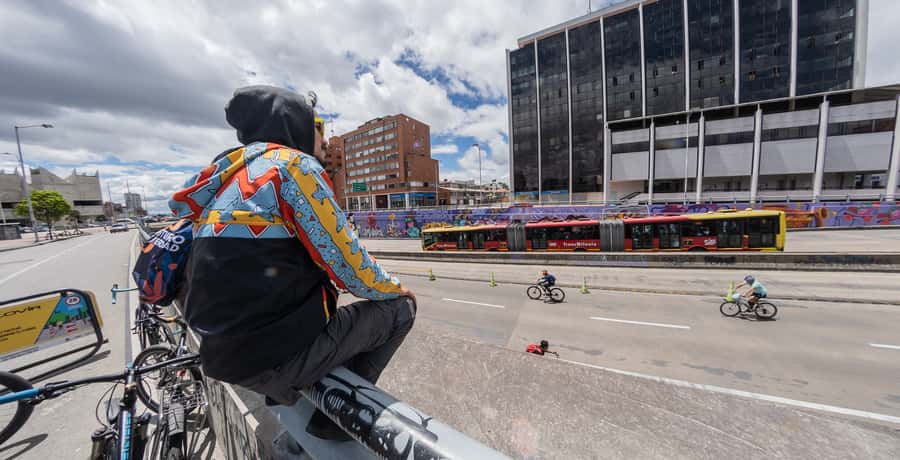
Bogotá is known for its bike routes, and this tour uses the city’s bike lanes. On Sundays, it can also use the Ciclovía, when many roads open to cyclists and the city offers extra bike routes and cultural activity on Sunday mornings.
That Sunday setting could make the ride feel more relaxed and social, though the experience still depends on the day and starting time you book. The appeal is clear: you can move through the city under your own power and reach walls that would be spread too far apart for a short walk.
The 13-kilometer distance also gives you a useful sense of scale. A walking tour can show you a concentrated pocket of art. This ride shows how widely public art is distributed and how the city connects its neighborhoods.
There is a tradeoff. A bicycle is agile, but it requires your attention. You will need to keep up with the group, watch the route, and be comfortable riding for several hours. The product information specifically asks you to bring sports shoes and advises against backpacks and valuables. Pack lightly and keep your clothing practical.
Reading the work of female artists
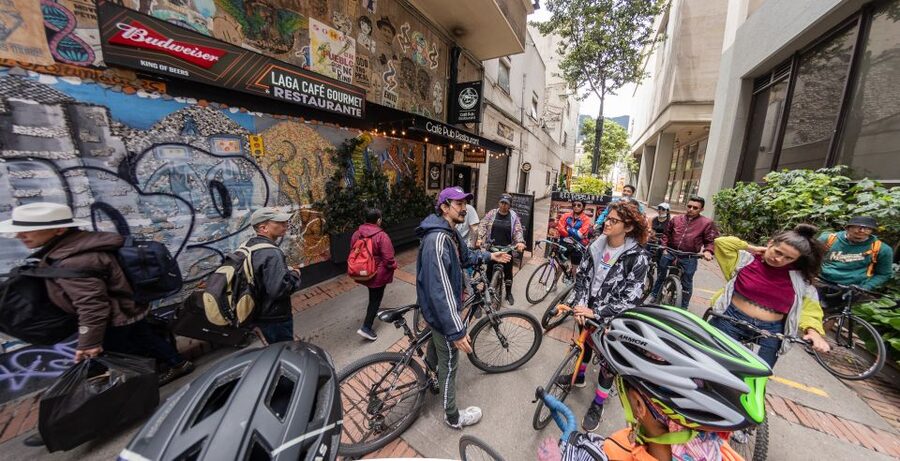
One of the most appealing features is the attention given to walls created by female artists. Street art is often presented through the biggest names or largest images, but this route makes room for women’s work and the ideas behind it.
You should expect illustrations rather than a single uniform style. The tour covers different creative expressions, and the guide explains techniques and meanings as you go. That can include how an image was built, what symbols appear in it, and how the artist’s point of view connects to the city.
This focus also gives the tour a wider cultural frame. You are not only seeing who can paint the largest wall. You are considering who gets represented in public space and how artists use that space to speak about identity and society.
The guide’s role is important here. Without explanation, a mural can be easy to admire and just as easy to misunderstand. With a good account of the artist and the work, you have a better chance of noticing details that might otherwise pass by while you are riding.
Same city, a completely different kind of day:
- Bogota: Bicycle City Tour
★ 4.9 · 2,156 reviews - Zipaquirá: Salt Cathedral Group Tour with Pickup
★ 4.8 · 1,606 reviews - Bogotá: Guided La Candelaria Walking Tour
★ 4.8 · 1,229 reviews - Bogotá: Private City Tour, Monserrate, Emerald and Botero
★ 4.9 · 798 reviews
The peace mural and Colombia after conflict
The most serious part of the ride is a mural symbolizing peace and post-conflict Colombia. This is where the tour moves beyond an art outing and into a discussion of how a country uses public images to process difficult events.
Colombia’s post-conflict period is presented as a social laboratory for peace and social innovation. You will not simply hear that peace matters. The mural gives the idea a physical place in the city, showing how public art can help express memory, hope, disagreement, or a desire to rebuild.
This stop may be especially valuable if you know little about Colombia’s recent social history. The guide can connect the artwork to wider questions about community, political expression, and the work of living together after conflict.
You should also expect some political content elsewhere on the route. The tour describes its art as meaningful and politically charged. If you prefer art tours that avoid current affairs, this may feel heavier than expected. If you like understanding the ideas behind public art, that seriousness is a major benefit.
Giant murals, smaller details, and the coffee stop
The route includes some of Bogotá’s largest murals. These are likely to be the grand visual moments of the ride, with enough scale to make the bicycle approach worthwhile. Large walls give you a sense of how public art can change the appearance of an entire street or building.
Do not assume the biggest mural is automatically the best stop. The guide also points toward creative details, local stories, and works that help explain the city’s artistic culture. A well-chosen small image can say as much about a neighborhood as a huge painted facade.
The coffee-factory stop breaks up the art viewing. It gives your legs a pause and connects the ride to one of Colombia’s best-known products. The available information does not specify a tasting format or how long the stop lasts, so you should view it as part of the route rather than book it expecting a full coffee workshop.
Still, this change of pace is useful. Three hours of cycling and standing beside walls can become tiring, especially in the middle of a city. A stop away from the murals gives the experience some breathing room.
What the guide adds to each mural
The tour promises more than a list of locations. The guide explains the history, methods, and meanings connected to the works. That can include how graffiti and murals developed in Bogotá, how artists use public space, and why certain images carry political weight.
The best evidence of the guide’s value comes from the named feedback about Diego. One five-star review describes him as deeply engaged with the local community and says the ride helped explain several central neighborhoods and the people who make them special. Another five-star review, from Anne of Germany in July 2025, praises Diego for explaining art, graffiti, and history across several neighborhoods.
Those comments point to the experience’s strongest feature: the human explanation. You are not left to photograph a wall and guess what it means. You can ask questions and connect the art to the communities around it.
The displayed rating is 3.2 from four reviews, so I would not treat the glowing comments as a guarantee of a perfect outing. The sample is small, and the two detailed comments are both highly positive. Your satisfaction will depend partly on your guide, group size, weather, and comfort on a bike.
Price, timing, and group size
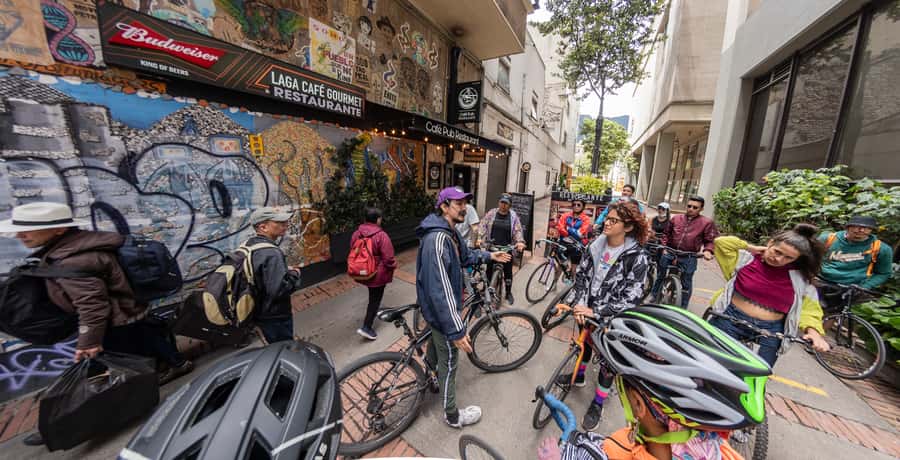
At $62 per person, the tour is not the cheapest way to look at Bogotá’s street art. You are paying for three hours, a guided route, coverage of 13 kilometers, and access to four neighborhoods rather than one compact area.
I think the price makes more sense if you value interpretation and efficient transport. A self-guided ride could cost less, but you would need to find the walls, plan a safe route, understand the context, and work out how the different neighborhoods fit together. This tour handles that planning and adds an art-focused guide.
The value is also better for people with limited time in Bogotá. You see a broad slice of the central city in one morning or afternoon, rather than spending several separate outings on different neighborhoods.
Private and small group options are available. A private ride may suit you if you want to ask many questions or prefer a more personal pace. A small group can keep the cost and social feel more balanced. The information does not state the maximum group size, so ask when booking if that detail matters to you.
The tour lasts three hours, with starting times available according to the date you choose. Guides can lead in English, Spanish, French, German, or Italian, which is useful when the subject depends on nuance and storytelling.
Free cancellation is available up to 24 hours before the start for a full refund. You can also reserve now and pay later. Those policies are useful if your Bogotá schedule is still changing.
Weather, clothing, and what to carry
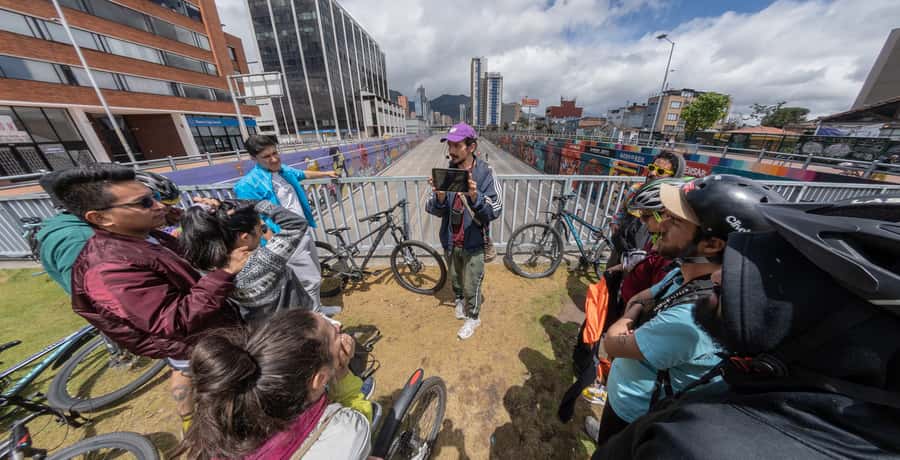
The ride goes ahead in rain or sunshine, and a rain poncho is offered. Bogotá weather can change, so practical clothing is more useful than dressing for photographs alone.
Sports shoes are specifically required. Choose footwear that works for pedaling and walking during the mural stops. You should avoid bringing a backpack, and valuables are not allowed according to the tour information. Travel light and carry only what you need.
The lack of a backpack allowance may surprise some people. It is worth planning around before you arrive, especially if you are coming directly from a hotel or another activity. The meeting point is at the red wall in La Candelaria, so arrange your belongings before reaching the start.
Who will enjoy this ride most
I would recommend this tour to you if you want to connect Bogotá’s art with its neighborhoods and public life. It is particularly suited to people who like political art, social history, architecture, and stories about the people behind creative work.
It also fits active visitors who want to see more of the city without sitting in a vehicle. The bike route gives the outing energy and variety, but you should be comfortable riding 13 kilometers and stopping several times.
Families and mixed-ability groups should think carefully about the distance and the no-backpack rule. The available details do not state an age minimum, bike specifications, or accessibility arrangements, so ask the provider before booking if those points affect your plans.
This is not the right choice if you want a short, easy photo walk or a tour focused only on famous walls. It is also less suitable if you dislike rain plans, cycling in a city, or serious discussion of politics and post-conflict issues.
Should you book the Urban Art Bike Tour?
Book it if you want Bogotá’s street art explained in context, not just photographed. The combination of four neighborhoods, 13 kilometers of bike trails, female artists, giant murals, a coffee-factory stop, and a peace mural creates a fuller picture of the city than a quick stroll can provide.
The strongest reason to choose it is the guide-led storytelling, especially if Diego is leading your ride. The main caution is practical: $62 is a fair but not bargain price, and the cycling distance, weather policy, and light-packing rule require preparation.
For an active visitor with three hours to spare, this is a useful way to connect art, urban life, and Colombia’s ongoing work toward peace. If that mix sounds more appealing than a simple sightseeing loop, reserve a small group or private departure and bring your sports shoes.
FAQ
Where does the Urban Art Bike Tour begin?
It begins in front of the big red wall at Carrera 3 #12-52 in La Candelaria. Look for a guide wearing or carrying a purple hoodie, cap, or umbrella.
How far do you cycle?
The tour covers 13 kilometers of bike trails during its three-hour duration.
Which neighborhoods does the route visit?
The route passes through Centro, Teusaquillo, Santa Fe, and La Macarena.
What languages are available?
Live guides are available in English, Spanish, French, German, and Italian.
Does the tour run in bad weather?
Yes. The tour operates rain or shine, and a rain poncho is offered if needed.
What should I bring, and what is not allowed?
Bring sports shoes. Backpacks and valuables are not allowed on the tour.
Just added around Bogota
- Fun Graffiti Workshop: The Art of Aerosol and Color★ 5.0 · 3 reviews
- Zipaquirá: Private Salt Cathedral Mine and Walking Tour★ 4.8 · 3 reviews
- Walking tour José Celestino Mutis Botanical Garden 3 hrs★ 5.0 · 3 reviews
- Bogota: East Hills Mountain Hike★ 4.2 · 3 reviews
- Bogota: Explore the forest and bird watching at Chicaque Natural Park★ 5.0 · 3 reviews
- Bogota: Downtown City and Monserrate Hill Private Tour★ 3.7 · 3 reviews
- From Bogota: White Water Rafting Experience★ 4.4 · 3 reviews
- From Bogota: Excursion to Jaime Duque Park★ 5.0 · 3 reviews
Bogotá Tours, compared.
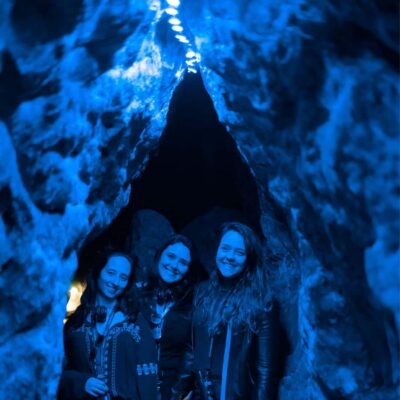
Zipaquirá: Salt Cathedral Group Tour with Pickup
Read our review →
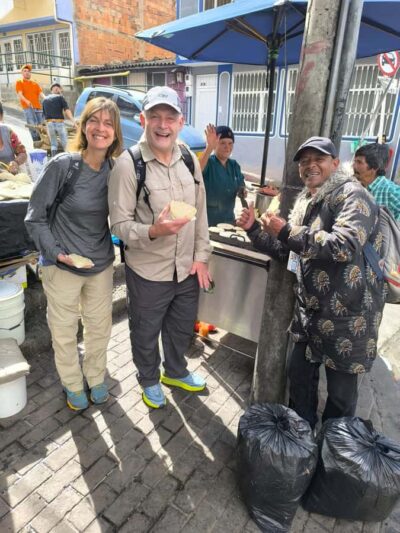
Bogotá´s Barrios: El Paraíso Favela Tour with Cable Car
Read our review →
Bogota: Guatavita and Salt Cathedral Daily Group Tour
Read our review →
Bogotá City Tour with Monserrate, Gold and Botero Museums
Read our review →
Bogota: Zipaquirá Salt Cathedral and Lake Guatavita Day Tour
Read our review →
Browse the lists this tour appears in