
Reviewed · BOGOTÁ TOURS
Bogotá: Private City Tour, Monserrate, Emerald and Botero
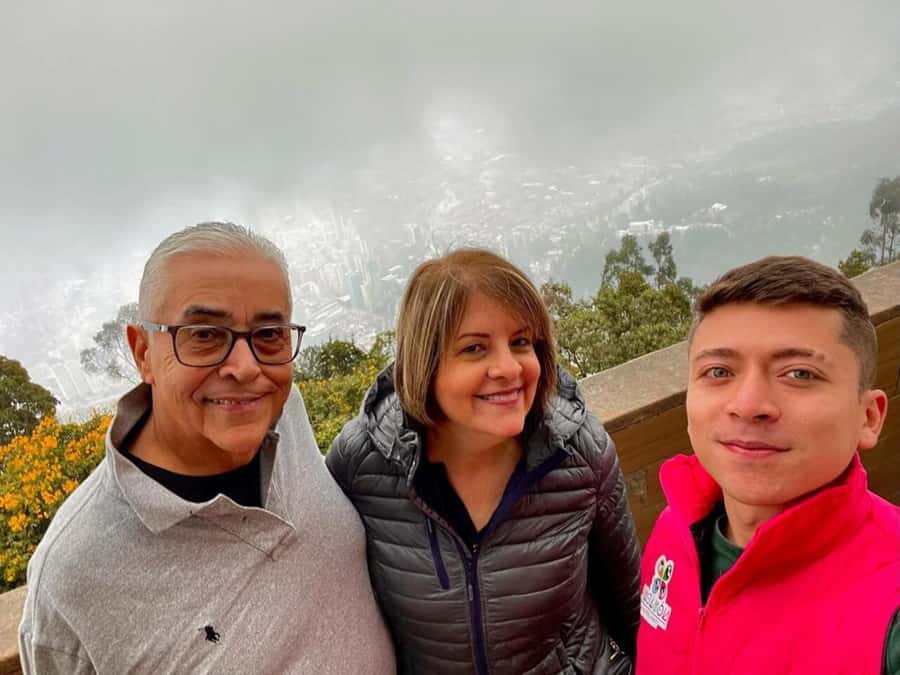
Bogotá makes its best first impression from the top of Monserrate, where the city spreads below a 3,100-meter mountain shrine. Then this private tour drops you into the old center, where gold legends, presidential power, Colombian art, and neighborhood life all meet within a few hours. It is a smart way to get your bearings fast.
I like two things especially: the private format, which lets you ask questions and adjust the pace, and the mix of stops. You get a mountain view, two focused museums, major civic buildings, and a walking tour through La Candelaria rather than one long parade of monuments.
The main consideration is time. Five to six hours is enough for a strong first look, but not enough for slow museum visits and a leisurely exploration of every street. You’ll also need comfortable shoes and a reasonable level of mobility.
Key points to know before booking
- Monserrate reaches 3,100 meters: The cable car or funicular provides sweeping views, but the altitude can make the visit tiring.
- The tour connects several sides of Bogotá: You’ll see religious sites, public squares, art, mining culture, and old neighborhood traditions.
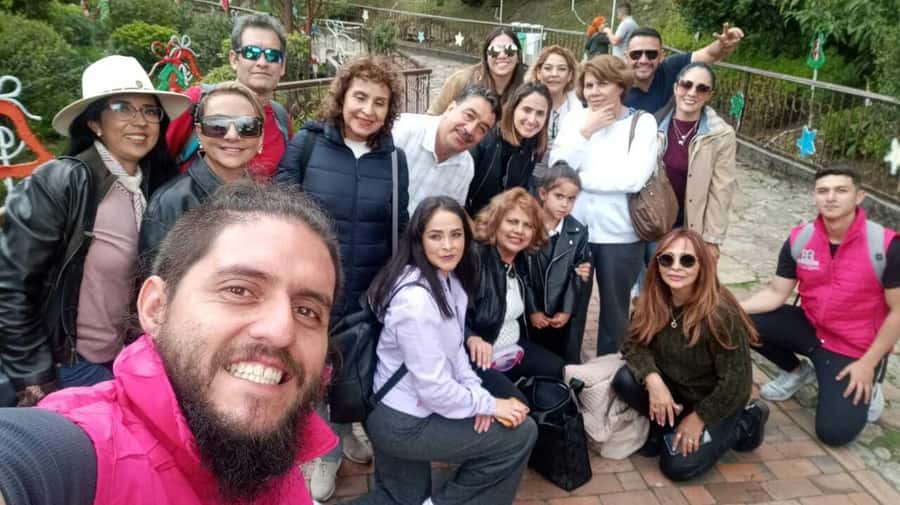
- Daniel, Camilo, David, Sergio, and other guides have led the experience: Their strengths include clear English, local stories, humor, and adapting the route to your interests.
- The museums are small enough to fit a half-day route: The Emerald Museum explains Colombia’s famous green stones, while the Botero Museum centers on Fernando Botero’s distinctive art.
- Hotel pickup and drop-off are included: A driver handles the transfers between Monserrate and the historic center.
- Museum schedules matter: The Emerald Museum closes Sundays and public holidays. The Botero Museum closes Tuesdays, when another museum option is offered.
A practical first day in Bogotá
At $65 per person, this five to six-hour private outing is built for the first day of a Bogotá stay. It gives you the city’s major visual landmark, historic center, best-known art stop, and a little local context without asking you to organize taxis, museum hours, or the Monserrate transport system yourself.
I see the biggest value in the guide. Bogotá is not a city you understand from plaques alone. A good guide can explain why the Plaza de Bolívar matters, connect the El Dorado legend to Colombian history, and point out how old traditions continue beside newer shops and street life.
The experience is offered in English or Spanish, with hotel pickup and drop-off. The group is private, so you are not tied to the pace of strangers. That matters in a city tour, since one person may want more time with Botero’s art while another prefers the streets, churches, and mountain views.
The route is full but not frantic by design. You’ll spend part of the day in a vehicle and part on foot. Your guide and driver can usually adjust the emphasis, and several guides, including Camilo, Daniel, David, and Sergio, have been praised for listening carefully and changing the pace when needed.
More Monserrate visits:
- Bogotá City Tour with Monserrate, Gold and Botero Museums
★ 4.9 · 584 reviews - Bogota: Monserrate Entry Ticket
★ 4.4 · 233 reviews - Bogotá: City Tour, Monserrate, Gold Museum, Plaza de Bolivar
★ 4.7 · 168 reviews
Starting above the city at Monserrate
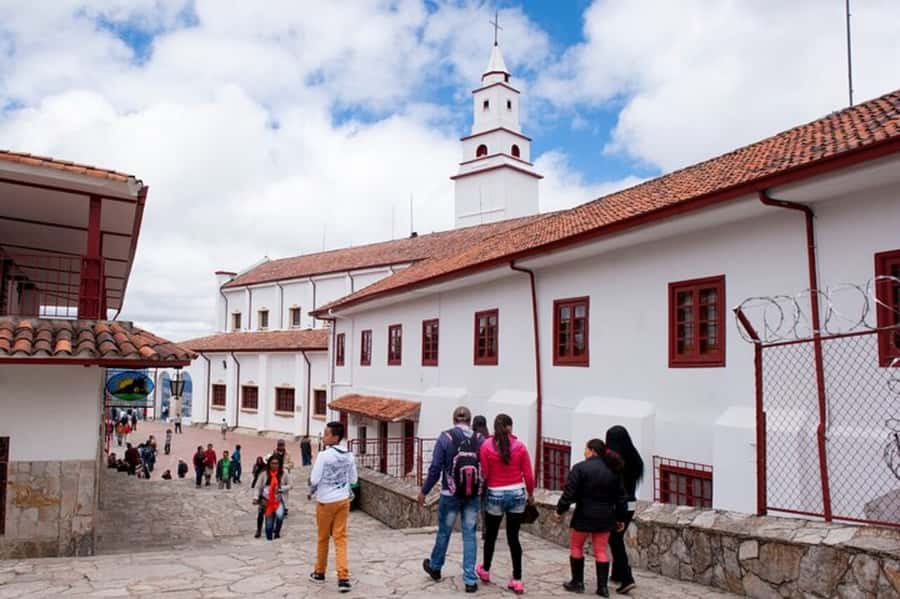
The tour begins with hotel pickup and a ride to Monserrate. From there, you take the cable car or funicular to about 3,100 meters above sea level. The ascent is one of the day’s biggest moments. Bogotá’s size becomes clear as the mountain rises above the city and the urban grid stretches toward the horizon.
At the top, you visit the Monserrate monastery and have time to take in the view. The setting is both religious and scenic. You are not simply going to a lookout; you are visiting a place with spiritual importance for Bogotá and Colombia.
Bring a jacket, even if the city below feels mild. Mountain weather can change, and the tour runs in rain. Good shoes are also important because the visit includes walking around the hilltop area, not just stepping off the cable car for a quick photograph.
The altitude deserves respect. If you are sensitive to high elevations, keep the first part of the visit gentle and drink water. This experience is not suited to people with mobility impairments, and anyone who finds steep or uneven walking difficult should think carefully before booking.
Monserrate can also be the most weather-dependent part of the day. Clouds may reduce the view, and rain can make walking less pleasant. Still, the monastery and mountain setting give the stop value even when the skyline is not perfectly clear.
The Emerald Museum and Colombia’s green stone
Back in the city, the International Emerald Museum offers a sharp change of subject. The visit focuses on emeralds and the minerals connected with them, giving you a look at one of Colombia’s best-known natural resources.
This is a useful stop because emeralds are tied to much more than jewelry. They connect geology, mining, trade, and the international image of Colombia. Your guide helps turn a collection of stones into a story about the country’s relationship with the earth beneath it.
The museum is not a huge art institution, so it fits well into a half-day route. You can expect a focused visit rather than hours of wandering through galleries. That makes it suitable for people who want a clear introduction to emeralds but may not want a full museum day.
This stop also helps set up the El Dorado story. The famous legend of a lost city filled with gold has shaped European ideas about Colombia for centuries. The tour uses that story as a doorway into the country’s fascination with precious materials, while helping separate legend from historical reality.
Check the schedule before you reserve. The Emerald Museum is closed on Sundays and public holidays. If that stop matters to you, choose another day.
Entering La Candelaria on foot
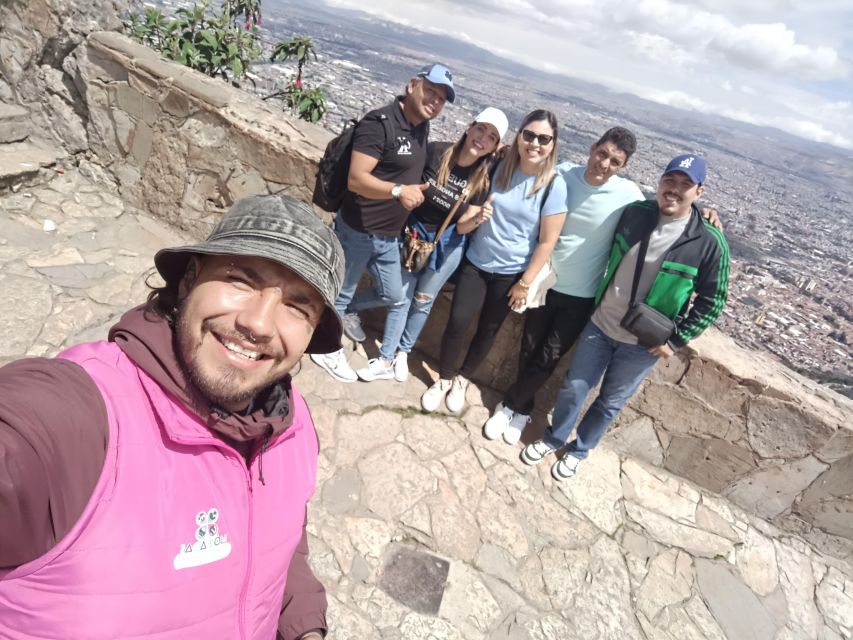
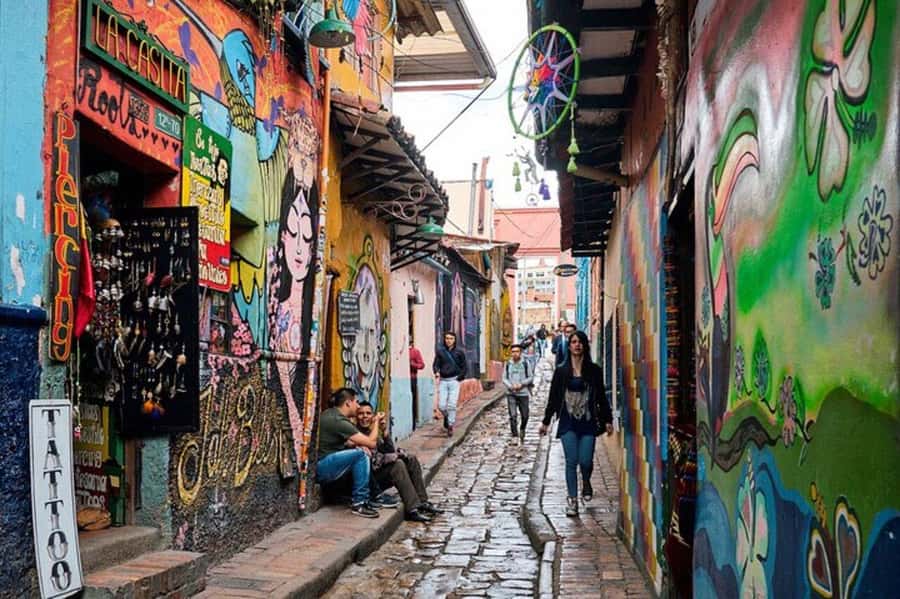
The route then moves into La Candelaria, Bogotá’s historic district. This is where the tour becomes less about isolated sights and more about how the city fits together.
Walking is the right way to experience this part of Bogotá. You can look up at old façades, watch daily activity around the streets, and move between major public spaces and smaller corners. The guide adds the political and cultural context that can be hard to grasp on your own.
La Candelaria is also where you should expect a mix of old and new. Historic buildings share space with shops, museums, street art, restaurants, and everyday city life. The point is not to find a preserved colonial set piece. It is to see a living district that continues to change.
Several guides have been singled out for making this walking section personal and easy to follow. David, for example, has been praised for connecting Bogotá’s past with its people and present-day life. Camilo has been described as warm, flexible, and attentive to individual interests. Those qualities matter here, since the neighborhood rewards questions and observation more than a rushed checklist.
Your guide can also offer suggestions for local dishes and restaurants. The tour includes a typical snack, but lunch is not included, so you may want to ask for recommendations at the end.
A few more Bogota day trips to weigh up
- Bogota: Bicycle City Tour
★ 4.9 · 2,156 reviews - Zipaquirá: Salt Cathedral Group Tour with Pickup
★ 4.8 · 1,606 reviews - Bogotá: Guided La Candelaria Walking Tour
★ 4.8 · 1,229 reviews - Bogotá´s Barrios: El Paraíso Favela Tour with Cable Car
★ 4.8 · 731 reviews
Botero Museum: a compact art lesson
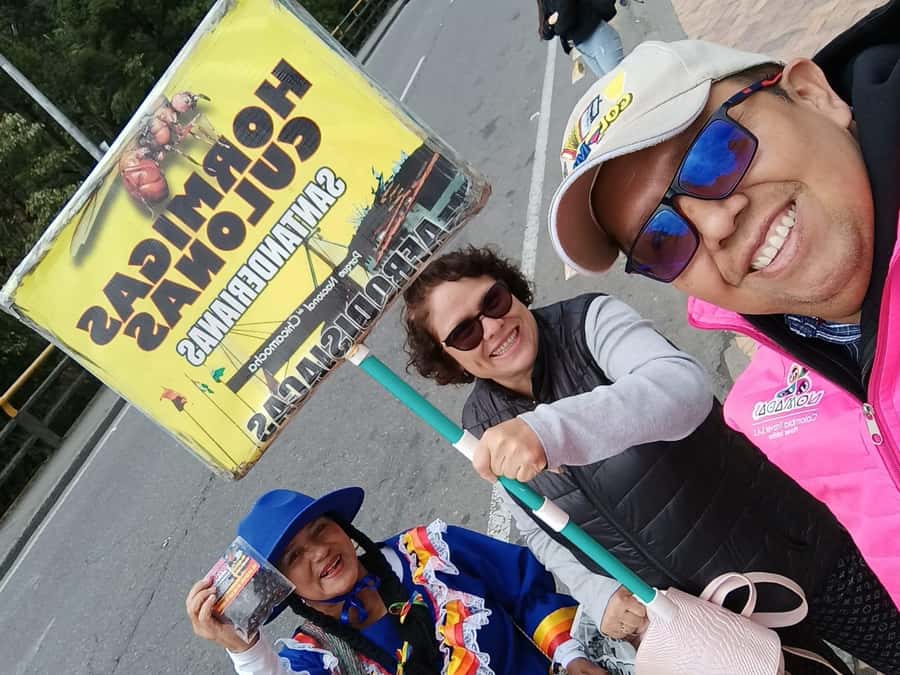
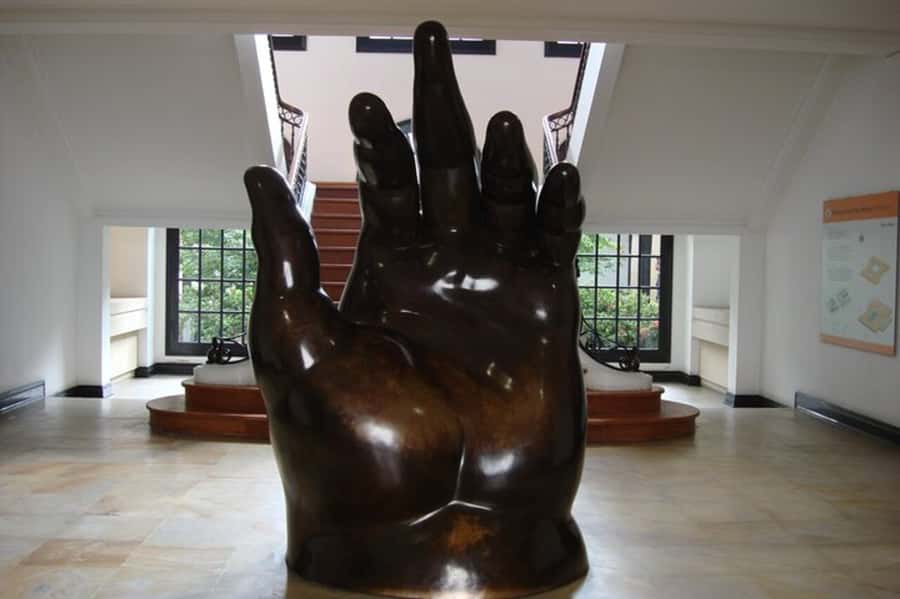
The Botero Museum is named for Fernando Botero, the Colombian artist famous for rounded, exaggerated forms. The museum gives you a chance to see his work in its home country and to understand why his art is so closely tied to Colombia’s cultural identity.
Botero’s paintings and sculptures are easy to recognize, but they are not always easy to interpret. A guide can explain what you are looking at, point out humor and social commentary, and connect the artist’s style to wider themes in Colombian life.
The museum also includes international art, so the visit is not limited to one Colombian painter. That broader setting helps you place Botero beside other artistic traditions rather than treating his work as a curiosity.
This is one of the tour’s more flexible stops. If you care strongly about art, you can ask for more explanation. If museums are not your main interest, you can keep the visit focused and spend more energy on the walking route. One practical point is non-negotiable: the Botero Museum is closed on Tuesdays. On Tuesday tours, the guide provides another museum option.
You should also know that the museum visit may feel brief if you want to study every room. The tour has several other major stops, so this is an introduction rather than a complete art day.
Plaza de Bolívar and Bogotá’s seat of power
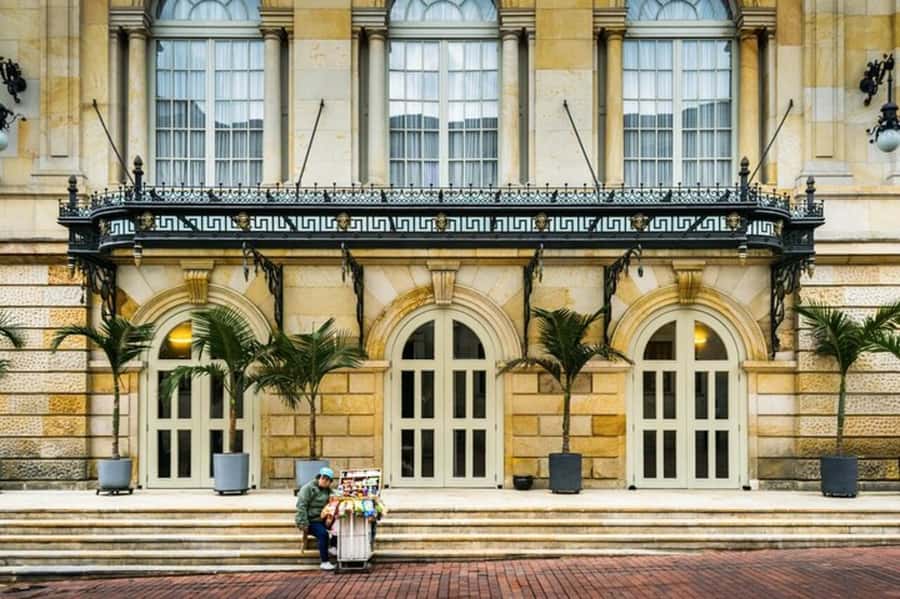
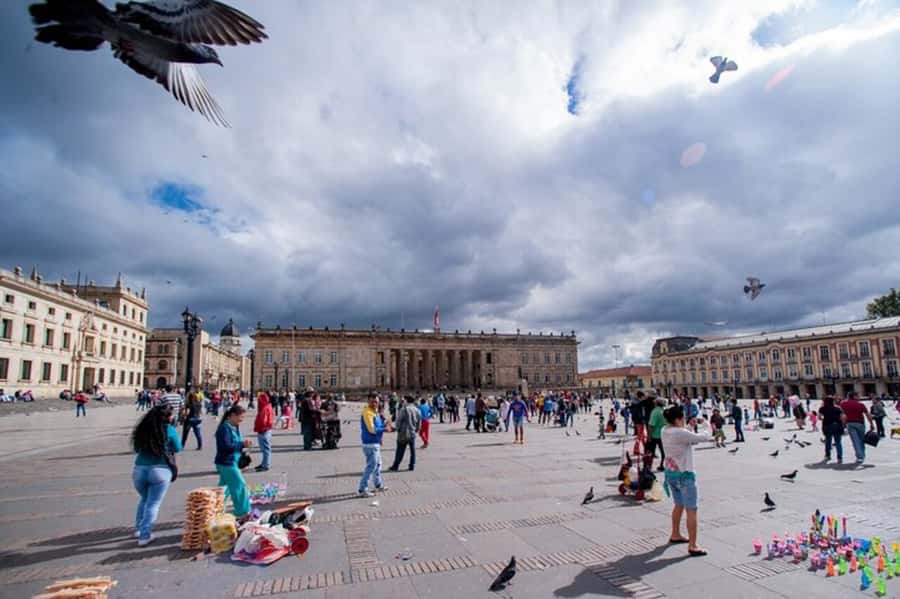
Plaza de Bolívar gives the tour its clearest civic center. The square is surrounded by important buildings, including the Palace of Justice, the presidential palace, the mayor’s office, and the Primate Cathedral.
This is where Bogotá’s political and religious stories sit side by side. The cathedral represents the city’s Catholic tradition, while the government buildings point to Colombia’s modern public life. Your guide can help you understand why this square has been central to national events and city life.
I like this stop because it is easy to underestimate a public square when you visit alone. You may take a few photos and move on. With context, the buildings become evidence of how Colombia’s institutions developed and how power is displayed in the capital.
The plaza also helps balance the more specialized museum stops. After learning about emeralds and viewing Botero, you return to the larger story of Bogotá as Colombia’s capital. The square is open and visually impressive, but it can also be busy, so stay attentive to your belongings and follow your guide’s advice.
Chorro de Quevedo and the city’s older traditions
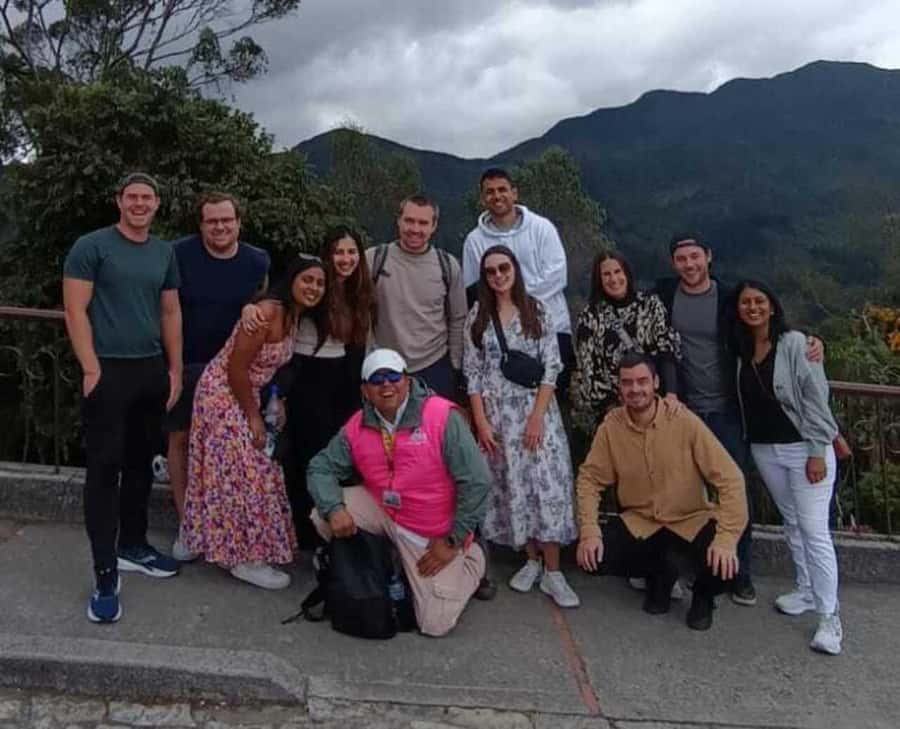
The final walking section leads to Chorro de Quevedo, an area associated with Bogotá’s early beginnings and its long mix of traditions. Here, the experience shifts away from formal institutions and toward street-level culture.
The neighborhood helps you see how Bogotá’s old identity survives in places that are not grand monuments. Your guide explains local customs, the blend of old and new, and the role of this area in the city’s story. It is a fitting ending because the tour finishes with people and traditions rather than another large building.
This is also a good place to keep your expectations realistic. Chorro de Quevedo is not a single museum with a fixed route. Its value comes from the atmosphere, the surrounding streets, and the explanations you receive while walking.
If you want more time for neighborhood exploration, say so early in the day. The private format gives you some room to shape the experience, but the route still has a fixed number of hours and several included visits.
How the private format changes the day
A private tour is not automatically better than a group tour, but this route benefits from the difference. You can ask about Colombian politics, art, religion, food, or daily life without waiting for a group to move on.
The guide can also adjust the balance between museums and walking. One person who was less interested in museums preferred more streets, parks, and buildings, while still appreciating the indoor stops when rain threatened. That is exactly the kind of flexibility you should use if you book this experience.
The quality of the day depends heavily on the guide you receive. Guides named Daniel, Camilo, David, Sergio, Beatriz, Laura, Yang, Jhovanni, and others have been praised for clear English, humor, local knowledge, warmth, and practical help. You cannot assume a particular guide will be assigned, but the repeated strength of the guiding team is one of the tour’s main advantages.
The driver is part of the practical value, too. Hotel pickup and transfers save time in Bogotá traffic, while the guide can focus on you instead of navigation. Drivers such as Cristian, Alex, Hilton, and Miguel have been praised for punctuality and helpful service.
Price, timing, and who gets the most value
At $65 per person, the price includes hotel pickup and drop-off, a private guide, transport up Monserrate, the cable car or funicular when selected, entry to both museums, the historic-center visits, and a typical snack. Lunch is extra.
That is fair value if you want a structured introduction and would otherwise pay separately for transport, museum tickets, and a private guide. The value is strongest for first-time visitors, couples, families with older children, and anyone with only one free day in Bogotá.
Independent visitors can spend less by using public transport and visiting museums alone. You also gain more control over the schedule that way. But you give up the guide’s explanations, hotel transfers, and the ease of moving between Monserrate and La Candelaria.
The five to six-hour length works well as a city introduction. It is long enough to cover the major sights but short enough to leave your evening free. Do not book it expecting a slow, exhaustive study of every museum or neighborhood.
Wear comfortable shoes and bring your passport or ID card. A copy is accepted, including for children. Alcohol and drugs are not allowed, and alcoholic drinks cannot be brought into the vehicle.
Should you book this Bogotá tour?
I would book this tour if you want the main Bogotá experience in one organized half-day: mountain views, the Monserrate monastery, emeralds, Botero, Plaza de Bolívar, La Candelaria, and Chorro de Quevedo.
It is especially useful for a first visit, a short stay, or anyone who prefers having a local guide explain the city’s political, artistic, and cultural layers. The private setup gives you a better chance to ask questions and spend extra time where your interests lie.
I would look elsewhere if you want a full-day art tour, a long hike, or a completely independent schedule. Also check the museum closure days before booking, and consider the altitude and walking if mobility is a concern.
For most visitors, this is a sensible first chapter in Bogotá. It gives you the big view from Monserrate, then brings you down into the streets where the city’s stories become more personal.
FAQ
How long does the Bogotá private tour last?
The tour lasts approximately five to six hours.
Is hotel pickup included?
Yes. Hotel pickup and drop-off are included. You should wait in the hotel lobby 10 minutes before the scheduled pickup time.
Is the tour private?
Yes. This is a private group experience with a live guide.
Which languages are available?
The tour is available in English and Spanish.
Is the Monserrate cable car included?
General entry to Cerro de Monserrate and transport by cable car or funicular are included when that option is selected.
Are the Emerald Museum and Botero Museum open every day?
No. The Emerald Museum is closed on Sundays and public holidays. The Botero Museum is closed on Tuesdays. For Tuesday tours, the guide provides options for another museum.
Is lunch included?
No. Lunch is not included, but a typical snack is included.
What should I bring?
Bring a passport or ID card, or a copy. Comfortable shoes are recommended, and children also need identification.
Just added around Bogota
- Fun Graffiti Workshop: The Art of Aerosol and Color★ 5.0 · 3 reviews
- Zipaquirá: Private Salt Cathedral Mine and Walking Tour★ 4.8 · 3 reviews
- Walking tour José Celestino Mutis Botanical Garden 3 hrs★ 5.0 · 3 reviews
- Bogota: East Hills Mountain Hike★ 4.2 · 3 reviews
- Bogota: Explore the forest and bird watching at Chicaque Natural Park★ 5.0 · 3 reviews
- Bogota: Downtown City and Monserrate Hill Private Tour★ 3.7 · 3 reviews
- From Bogota: White Water Rafting Experience★ 4.4 · 3 reviews
- From Bogota: Excursion to Jaime Duque Park★ 5.0 · 3 reviews
Bogotá Tours, compared.
Zipaquirá: Salt Cathedral Group Tour with Pickup
Read our review →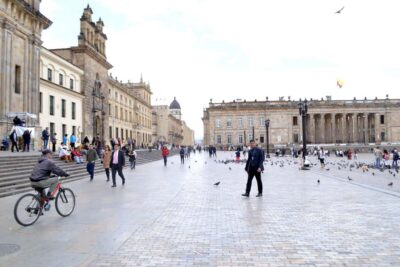
Bogotá´s Barrios: El Paraíso Favela Tour with Cable Car
Read our review →
Bogota: Guatavita and Salt Cathedral Daily Group Tour
Read our review →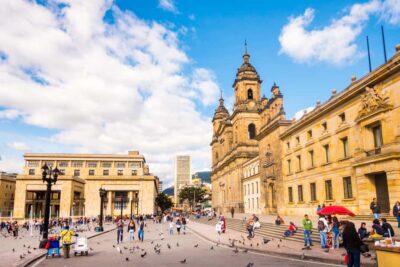
Bogotá City Tour with Monserrate, Gold and Botero Museums
Read our review →
Bogota: Zipaquirá Salt Cathedral and Lake Guatavita Day Tour
Read our review →
Browse the lists this tour appears in