
Reviewed · BOGOTÁ TOURS
Fruit Tour at the World’s sweetest Market
Paloquemao Market is the star here: a working Bogotá food market where you can taste fruits most visitors never encounter, from several kinds of guava and passion fruit to tree tomato, guanábana, mangosteen, and Andean berries. Victor and Valentina guide you through the stalls, explain how the produce fits Colombian life, and help you order without fumbling through Spanish.
I like the tiny group size, which makes it easy to ask questions and keeps the tasting personal. I also like the way the food keeps coming: fruit is followed by juice, empanadas, cheesy bread, arepas, or other local drinks and snacks. The main consideration is that this is a substantial food outing, not a light stroll, so arrive hungry and ready to walk and stand for much of three hours.
Key things to know before you go
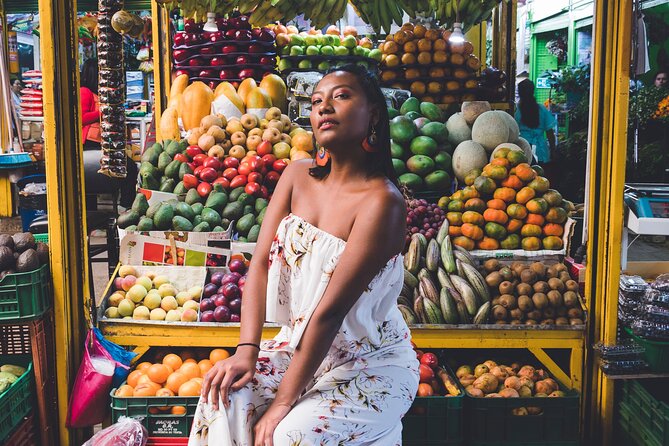
- Around 25 seasonal fruits: The exact selection changes, but expect a long tasting of Colombian produce.
- A market you might miss on your own: Paloquemao is a real food market, not a display made for sightseeing.
- Victor and Valentina lead the experience: Both guides are praised for their warmth, preparation, and clear explanations.
- Food goes well beyond fruit: Juice, coconut water, empanadas, pan de queso, arepas, smoothies, hot chocolate, and chucula may appear.
- Maximum six people: The small group makes vendor conversations and questions much easier.
- Plan this early in your Bogotá stay: The food advice can help you choose restaurants, drinks, and snacks for the rest of your visit.
Why Paloquemao is the right place for a fruit tour
Bogotá has plenty of markets, but Paloquemao gives you a direct look at the food that reaches Colombian kitchens. You are not simply handed a prepared fruit plate in a hotel or restaurant. You walk among produce stalls, see how the fruit is sold, and taste items in the place where local shoppers buy them.
The market’s setting also explains why Colombian fruit is so varied. The country sits close to the equator, while the Andes create many different growing conditions across Colombia. That combination helps produce fruit with unusual flavors, textures, and colors.
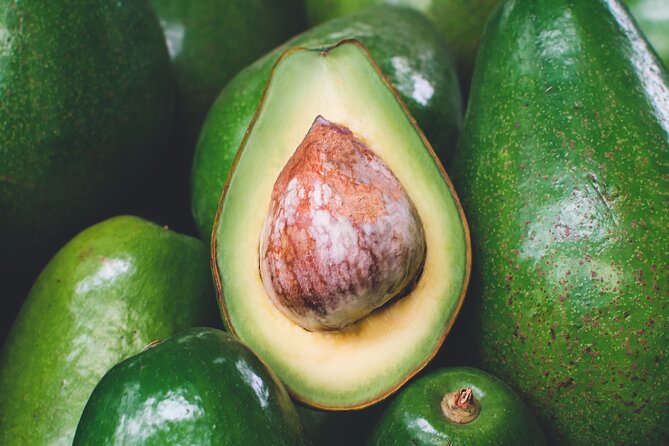
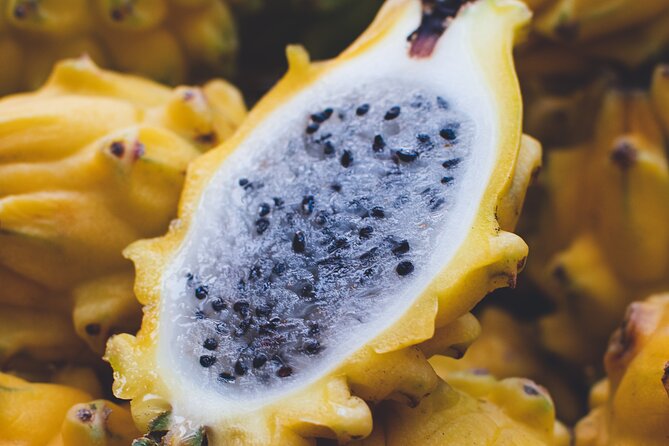
You might recognize an avocado, banana, or passion fruit, but the point is to go past the familiar. Several kinds of guava can taste quite different from one another. The same goes for passion fruit. You may encounter tree tomato, guanábana, mangosteen, mora, Andean blueberries, and other fruit that rarely appears in ordinary grocery stores outside South America.
The market itself can feel busy and confusing if you arrive without a guide. That is part of its appeal, but it can also be a drawback. With Victor or Valentina, you have someone who knows the stalls and can explain what you are seeing instead of leaving you to guess which fruit is ripe, how it is eaten, or what it is called.
A few more Bogota day trips to weigh up
- PALOQUEMAO MARKET FOOD TOUR. EXOTIC FRUIT. LOCAL SNACKS. /Min 2 pax
★ 5.0 · 70 reviews - VIP Bogota City Tour: Farmers Market, Monserrate, Candelaria, 9hr
★ 5.0 · 66 reviews - Shared Tour of Colombian Exotic Fruit at Paloquemao Market
★ 4.7 · 20 reviews
Three hours of tasting, walking, and local food
The meeting point is Av. Ciudad de Lima #25-02 in the Los Mártires area of Bogotá. The activity ends at the same place, which keeps the plan simple. Paloquemao is near public transportation, and an Uber is also a practical way to reach the meeting point based on the experience of people who have taken the tour.
Once inside, the tasting begins. The guide connects the fruits to Colombian traditions, agriculture, and daily eating habits. This is where the tour earns its price. You are not only learning names. You are learning how Colombians use the produce, which fruit may go into a drink, and which items are eaten with salt, chili seasoning, condensed milk, or other additions.
The exact fruit count depends on the season. The planned tasting is around 25 fruits, and some outings have included closer to 26, 29, or 30. That is a lot of food in a short period. If you are serious about trying local produce, you will get far more variety here than by buying two or three pieces of fruit at a supermarket.
A useful detail: the guide comes prepared with spoons, wipes, hand sanitizer, and bags for peels and pits. Unpeeled fruit is washed, and much of what you eat is opened so you can focus on the flavor rather than worrying about how to cut it. One guide has also explained composting and why the tour does not bargain with the produce sellers.
You should still expect a fair amount of standing and walking. The activity asks for a moderate level of physical fitness, and one person needed several sitting breaks. The guides can be patient and accommodating, but this is not designed as a seated tasting in a restaurant.
Fruit names are only half the lesson
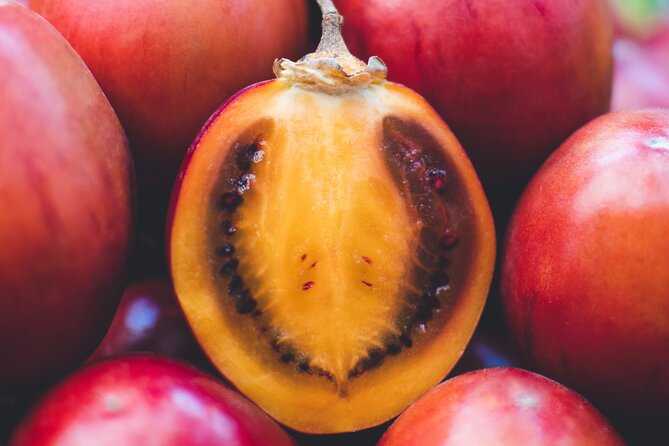
The best part of a market tasting is often the comparison. A fruit that looks ordinary may have a soft, custard-like center. Another may be sharp and sour, while a related variety is sweet and floral. You get to compare color, smell, texture, and aftertaste rather than reading a short description on a menu.
Some of the specific fruits associated with this experience include:
- Three types of guava
- Four types of passion fruit
- Tree tomato
- Guanábana
- Mangosteen
- Mora, a Colombian blackberry
- Andean blueberries
- Avocado
- Coconut
The guide also explains which fruits are native to Colombia and which were brought from elsewhere but are now grown in the country. That distinction gives the tasting useful context. Colombia’s food culture is not a fixed list of old ingredients. It includes native produce, imported crops, regional habits, and modern ways of serving them.
You can also learn how fruit appears beyond the market stall. Some items may become smoothies, teas, or drinks associated with traditional uses. The guide may suggest adding salt or Tajín-style seasoning to certain pieces. These small choices matter because they show how Colombians actually enjoy the produce.
I recommend treating the tasting as an introduction rather than a final exam. You will probably leave with new favorites, but you may not remember every Spanish name. Ask the guide to repeat the names of the fruit you like best, and write them down if you plan to search for them later.
The savory finish makes this more than a fruit sample
The fruit alone could fill three hours, but the experience usually includes a satisfying set of Colombian foods and drinks. Fresh juice is part of the planned finish, and the juice tasting is paired with a traditional snack.
Past tastings have also included coconut water, empanadas, six different sauces, pan de queso straight from the oven, smoothies, hot chocolate, chucula, and arepas from a stall associated with Anthony Bourdain’s visit. The exact selection can change, so you should not treat every item as guaranteed. Still, the pattern is clear: this is closer to a small market meal than a few polite bites.
That makes the empty-stomach advice important. People have described eating enough during the outing to replace breakfast or lunch. Arriving after a full meal would make it harder to enjoy the fruit, and you may run out of appetite before the savory food begins.
The empanadas and arepas also provide a useful counterpoint to the fruit. You get sweetness, acidity, creaminess, crunch, heat, and starch in one morning. If you are new to Colombian food, this gives you a broad first look without having to commit to several separate restaurants.
Same city, a completely different kind of day:
- Bogota: Bicycle City Tour
★ 4.9 · 2,156 reviews - Zipaquirá: Salt Cathedral Group Tour with Pickup
★ 4.8 · 1,606 reviews - Bogotá: Guided La Candelaria Walking Tour
★ 4.8 · 1,229 reviews - Bogotá: Private City Tour, Monserrate, Emerald and Botero
★ 4.9 · 798 reviews
Victor and Valentina shape the experience
The guide matters a great deal in a market tour. Victor is described as friendly, generous, well prepared, and deeply connected to the vendors. His relationships help the group move through the market comfortably, and he can assist if you do not speak much Spanish.
Valentina, also called Val, brings a similar strength from a slightly different angle. She is fluent in English, patient with questions, and particularly good at explaining native Colombian fruits and vegetables. She has also been praised for offering restaurant and bar suggestions that are useful beyond the market.
The small group limit of six helps both guides do their jobs. You can ask why one fruit is more expensive, how another is usually served, or where to find a favorite item later. In a large group, those questions often disappear. Here, the guide can slow down for you, help with tasting, and suggest what to buy afterward.
There is also a chance of a private outing if few people book your date. One person attended as the only registrant. That is not promised, but the possibility adds value to a tour already limited to six people.
Victor has sometimes gone beyond the stated plan, including an extra stop at a chocolate shop after the market. You should see that as a kindness rather than a guaranteed part of the schedule. The core tour remains the Paloquemao visit and tasting.
What the $41 price includes in practical terms
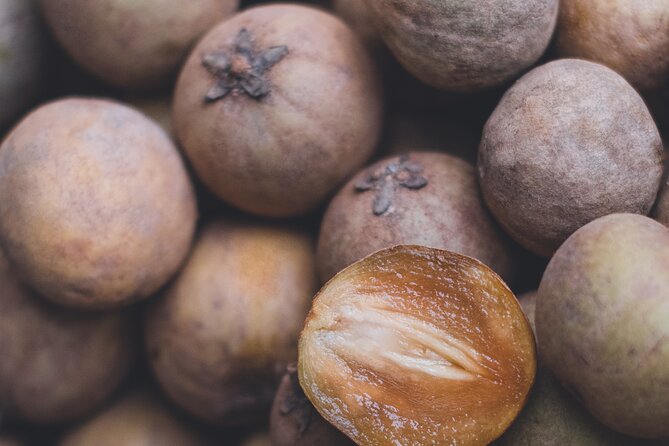
At $41 per person, this is not the cheapest way to see a market. You could enter Paloquemao without paying an admission fee and buy a few pieces of fruit yourself. The question is what you would miss.
On your own, you would need to identify unfamiliar fruit, decide which stalls seem trustworthy, communicate with vendors, work out how to taste items cleanly, and understand what you are eating. The tour folds those tasks into one guided visit. You also receive a large number of tastings and several drinks or snacks, which can amount to two light meals.
The price is strongest for first-time visitors to Bogotá, people who care about food, and anyone who wants an easy way to try unusual produce. It is less compelling if you already know Paloquemao well, speak fluent Spanish, or prefer to wander alone and choose your own purchases.
The maximum six-person group is another part of the value. You are paying for access to a guide’s attention, not simply a walk through a public market. If Victor or Valentina helps you identify a fruit you later find at another market or restaurant, the tour continues to pay off after the three hours end.
When to schedule it in Bogotá
I would put this tour near the beginning of your Bogotá visit. The guides give suggestions for restaurants, bars, and foods to seek out, and you can use that information during the rest of your stay.
There is also a practical reason to go early: the tour teaches you how to look at Colombian produce. Later, when you pass a juice stall or see an unfamiliar fruit on a menu, you will have a better idea of what to order.
Scheduling it on your last full day still works, and the experience can be a memorable final food stop. But you will not have as much time to follow up on the recommendations or find the fruits you liked elsewhere.
Because the fruit selection is seasonal, no two dates are likely to be exactly alike. That is a benefit if you enjoy discovery, but it means you should not book expecting one fixed menu. The tour’s strength is variety and the guide’s ability to work with what is available that day.
Who will enjoy this market experience most
This is a strong choice for curious eaters, solo visitors, couples, families, and small groups of friends. Children who like trying new flavors can have a great time, though the volume of food and the walking may test younger children’s patience.
It also works well for people who feel unsure about entering a large local market alone. The guide handles the introductions and explains the customs, so you can concentrate on tasting. If you do not speak much Spanish, the help with vendors is especially useful.
You do not need to be a fruit expert. In fact, beginners may get the most from the experience because the guide starts with basic questions of flavor, texture, season, and preparation.
This is not the right pick for someone seeking a polished cooking class, a sit-down meal, or a short photo stop. The market is a working place, and the tour involves movement, standing, food handling, and a large amount of tasting.
Small details that improve the morning
Wear comfortable shoes and leave room in your schedule after the tour. You may eat enough that a heavy lunch immediately afterward makes little sense.
Bring a way to note down fruit names and restaurant suggestions. You can also ask the guide which items are easiest to find again during your trip.
The tour is confirmed when you book, and it is often reserved about 18 days ahead on average. That does not mean every date sells out, but booking in advance makes sense if you want a particular morning or guide.
The activity offers free cancellation up to 24 hours before the start time. Cancellations or changes made inside that 24-hour window are not accepted for a refund, and the cut-off follows Bogotá local time.
Should you book the Paloquemao fruit tour?
Book it if you want food that feels connected to Bogotá rather than arranged solely for tourists. The combination of a real market, a tasting of roughly 25 seasonal fruits, local snacks, and a guide who knows the vendors gives you much more than a simple produce walk.
I would especially recommend it for your first few days in Colombia. You will learn what to order, gain confidence in markets, and receive food ideas for the rest of your trip.
Skip it if you dislike unfamiliar textures, need a fully seated activity, or prefer to explore markets independently. For everyone else, $41 is a fair price for the amount of food, guidance, and local context packed into three hours. Arrive hungry, keep your schedule open afterward, and let the market surprise you.
FAQ
Where does the fruit tour begin?
It begins at Av. Ciudad de Lima #25-02 in the Los Mártires area of Bogotá.
Where does the activity end?
The activity ends back at the meeting point.
How long does the tour last?
The tour lasts approximately three hours.
How much does the experience cost?
The listed price is $41 per person.
How many people can join the tour?
The maximum group size is six people.
How many fruits will I taste?
The selection depends on the season, but the tour is designed to include around 25 different fruits. Some outings have included more than 25.
Which Colombian foods may be included?
The experience includes fresh juice and a traditional snack. Tastings have also included coconut water, empanadas, pan de queso, arepas, smoothies, hot chocolate, and chucula, though the exact selection may vary.
Who are the guides?
The guides named for this experience are Victor and Valentina, also called Val.
Do I need to be physically fit for the tour?
You should have a moderate level of physical fitness because the experience includes walking and standing in the market.
Can I cancel for a full refund?
Yes. You can cancel at least 24 hours before the start time for a full refund. Cancellations or changes made less than 24 hours before the start time are not accepted.
More Shopping Tours in Bogota
- Medellín Multi-sensory Tour in the market, +15 Exotic Fruits
★ 5.0 · 113 reviews - Bazurto Public Market
★ 5.0 · 81 reviews - Private Tour to Comuna 13 & Exotic Fruit Market in Medellin!
★ 5.0 · 41 reviews - Cartagena Bazurto Market: Authentic Food & Culture Tour
★ 4.5 · 13 reviews
Just added around Bogota
- Fun Graffiti Workshop: The Art of Aerosol and Color★ 5.0 · 3 reviews
- Zipaquirá: Private Salt Cathedral Mine and Walking Tour★ 4.8 · 3 reviews
- Walking tour José Celestino Mutis Botanical Garden 3 hrs★ 5.0 · 3 reviews
- Bogota: East Hills Mountain Hike★ 4.2 · 3 reviews
- Bogota: Explore the forest and bird watching at Chicaque Natural Park★ 5.0 · 3 reviews
- Bogota: Downtown City and Monserrate Hill Private Tour★ 3.7 · 3 reviews
- From Bogota: White Water Rafting Experience★ 4.4 · 3 reviews
- From Bogota: Excursion to Jaime Duque Park★ 5.0 · 3 reviews
Bogotá Tours, compared.
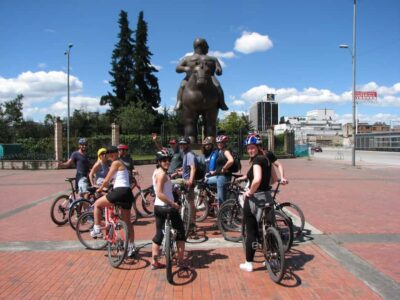

Zipaquirá: Salt Cathedral Group Tour with Pickup
Read our review →
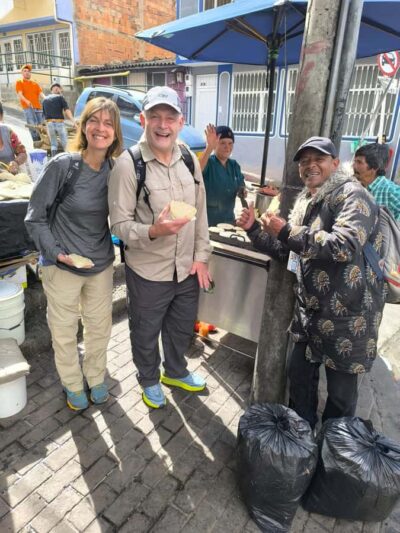
Bogotá´s Barrios: El Paraíso Favela Tour with Cable Car
Read our review →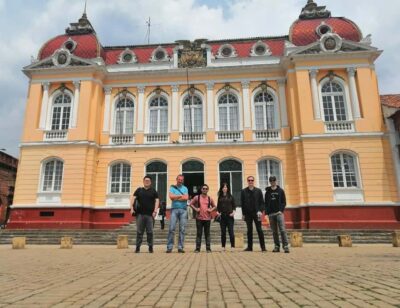
Bogota: Guatavita and Salt Cathedral Daily Group Tour
Read our review →
Bogotá City Tour with Monserrate, Gold and Botero Museums
Read our review →
Bogota: Zipaquirá Salt Cathedral and Lake Guatavita Day Tour
Read our review →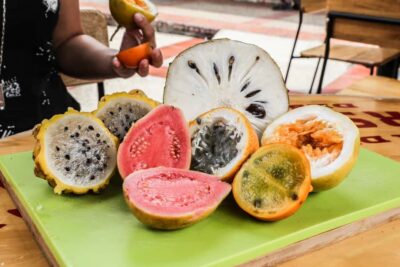
Browse the lists this tour appears in