
Reviewed · BOGOTÁ TOURS
Shared Tour Bogota’s Street Local Food
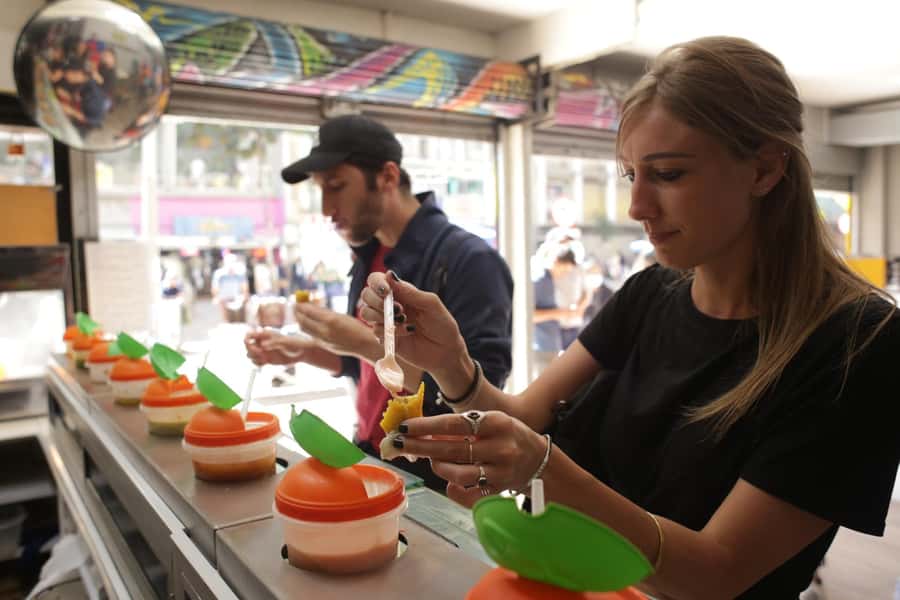
Bogotá’s food story is best understood one bite at a time. This walking tour leads you through Candelaria for local tastings while explaining Indigenous traditions, Spanish influence, coffee culture, and the curious habit of putting cheese in hot chocolate. I like the food-first approach, especially the chance to learn why empanadas and obleas became Colombian staples rather than simply checking them off a menu.
I also like that you choose what to eat and pay for only those tastings. Guides such as Leo and Patricia bring the history to life in clear English, and the tour includes vegetarian choices for much of the food. The catch is that the advertised $13 does not cover food or drinks, and the walk covers about 7 kilometers, with plenty of sweet items that may feel like too much if you prefer savory food.
Key points at a glance
- Hot chocolate with cheese: Try one of Colombia’s most unexpected food pairings and hear why it belongs to local breakfast and snack culture.
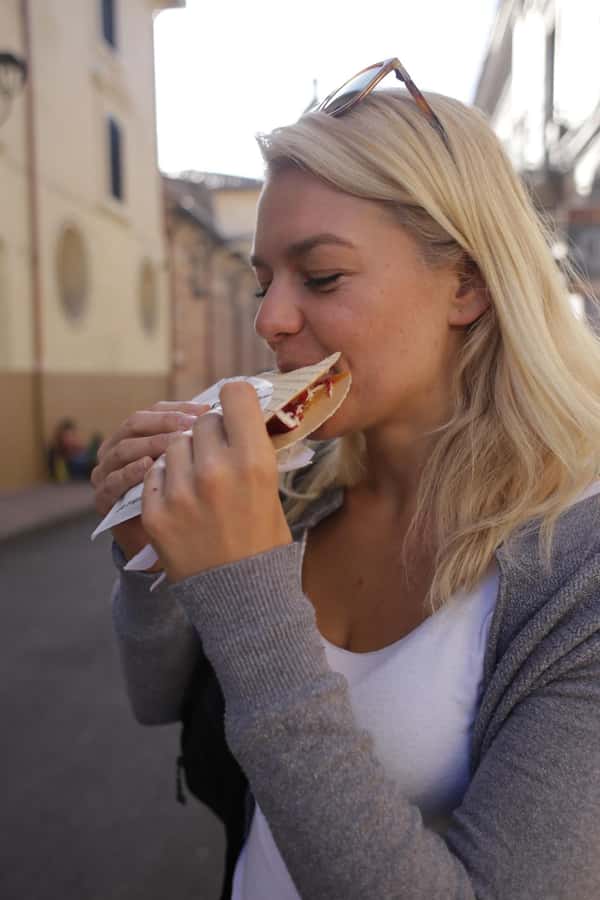
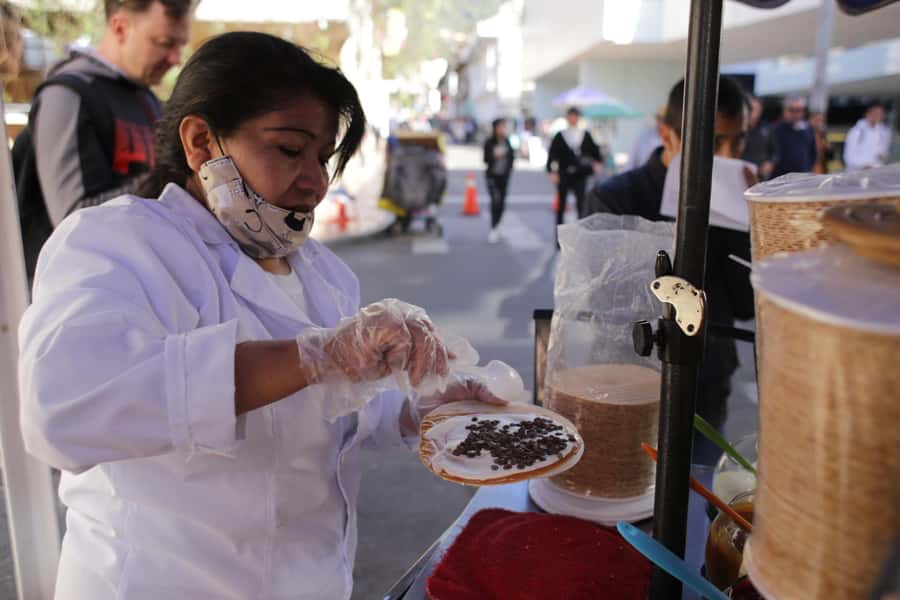
- Empanadas and obleas: Learn where these familiar street foods came from, then choose the toppings and fillings that suit you.
- A 7-kilometer walk: This is both a food tour and a city-center walk, so bring good shoes and water.
- Ajiaco with local know-how: The guide explains the traditional way to eat Bogotá’s famous potato and chicken soup.
- Food costs extra: The tour price is $13 per person, while tastings usually add about $9 to $10.
- English guidance in Candelaria: Meet under the red umbrellas in front of the Museo del Oro.
Bogotá’s food story begins in Candelaria
The tour starts in front of the Museo del Oro, where you look for the red umbrellas of Beyond Colombia. That is a useful meeting point in the historic center, though you should keep your phone and wallet secure in crowded areas. The company uses local guides and has been running its tours since 2013.
From here, the walk moves through Candelaria, Bogotá’s historic center. The food is the main event, but the streets provide the setting for a wider lesson about Colombia’s cooking. You hear how Indigenous ingredients and methods met European products and customs, then changed over time into the food served today.
I value that context because a snack can otherwise seem simple. An empanada is not just a fried pastry, and an oblea is not merely a wafer with something sweet between it. The guide connects those foods to Colombia’s past, migration, trade, and daily habits without asking you to sit through a formal lecture.
The exact food stops can vary, so you should think of this as a guided tasting walk rather than a fixed restaurant meal. That gives the guide room to use local food spots in the center, but it also means you should not expect a printed menu or a guaranteed sequence of dishes.
More Food Tours in Bogota
- Bogota Food Tour with over 12 Tastings & Tejo
★ 4.9 · 454 reviews - Bogotá: Craft Beer Tour with Tasting
★ 4.9 · 120 reviews - Bogota: Colombian Coffee Tasting
★ 4.8 · 92 reviews
Empanadas, obleas, and the art of choosing toppings
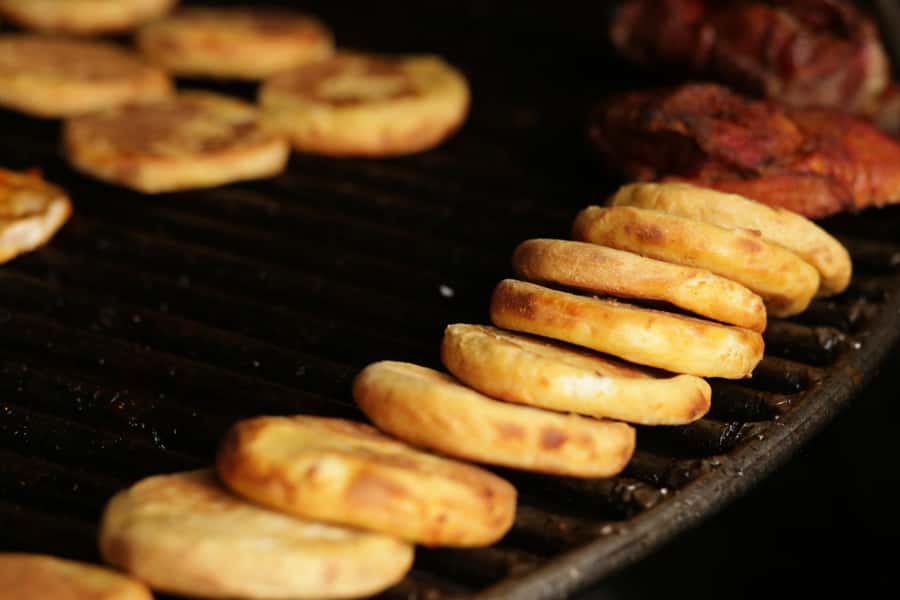
Empanadas are among the tour’s key tastes. The guide explains their origin and how they became part of Colombian street food. You may already know empanadas from other countries, but the Colombian version has its own place in local eating habits, and the tour uses it to show how outside influence mixed with local cooking.
The oblea offers a different lesson. These thin wafers are usually built with toppings, and the experience highlights the combinations you should not miss. Since you select what you eat, you can keep the portion small or try a more generous version. That choice matters if you are planning to sample several foods over the afternoon.
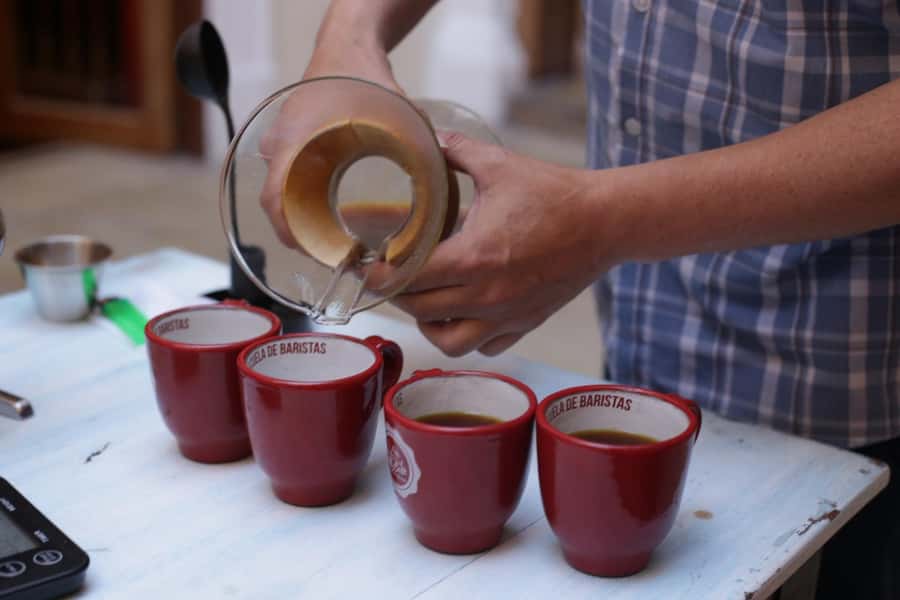
The tour also includes Colombian coffee. Coffee is one of the country’s best-known products, but the point here is not simply to drink a cup and move on. The guide places coffee within Colombia’s food culture and points you toward local allies for coffee after the tour.
One practical warning: the food is not included in the $13 booking price. Tastings usually total around $9 to $10, depending on what you choose. Carry enough Colombian pesos or a suitable payment method, but do not assume every small food stop will handle payment in the same way.
Hot chocolate with cheese is part of the lesson
The most unusual item on the route is hot chocolate with cheese. For many people, the combination sounds like a dare. In Bogotá, it is a familiar pairing, and the guide explains how to approach it rather than leaving you to guess.
This is a useful example of why a food tour can add something a restaurant menu cannot. You learn not only what is on the table but also how the dish fits into local life. The cheese changes the texture and taste of the hot chocolate, and the experience gives you a chance to decide for yourself if the pairing works.
The tour also covers aguardiente, Colombia’s anise-flavored spirit. You learn the secret name used when people want to drink it at any time of day. That detail brings out the humor in local drinking culture, though the supplied information does not promise a full aguardiente tasting. Do not book this expecting a bar crawl or a party outing. Party groups are not allowed, and the tour is built around food, stories, and walking.
Ajiaco shows you how locals eat a classic
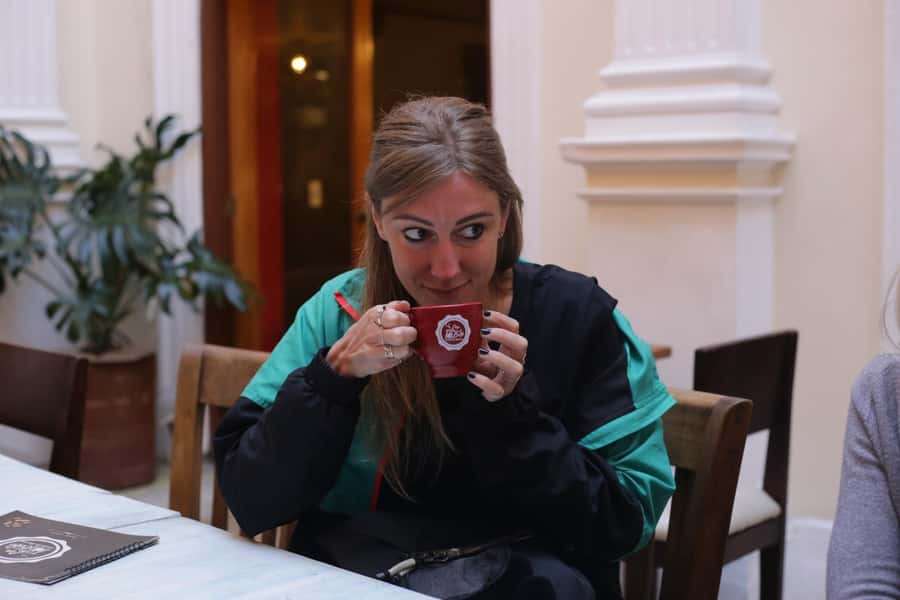
Ajiaco is one of Bogotá’s best-known dishes, and the tour explains the proper way to eat it. The soup is associated with the capital and gives the guide a chance to discuss local ingredients and regional food habits.
The important point is not just sampling a bowl. You learn the order and additions that make the dish work, including the traditional accompaniments and the way they are combined. Since the information describes a tasting route rather than a full sit-down meal, the amount served may be smaller than a restaurant portion.
Ajiaco is also the most substantial food named on the tour, which helps balance the empanadas, obleas, and other snacks. Still, you should not treat the outing as a replacement for lunch unless you confirm the food plan when booking. You pay only for what you eat, so your total depends on your appetite and choices.
Vegetarian food is available for about 70 percent of the experience. That is a useful level of flexibility, but it is not a promise that every stop will suit a vegetarian diet. If you have strict dietary needs, ask the guide what can be adapted before ordering.
Same city, a completely different kind of day:
- Bogota: Bicycle City Tour
★ 4.9 · 2,156 reviews - Zipaquirá: Salt Cathedral Group Tour with Pickup
★ 4.8 · 1,606 reviews - Bogotá: Guided La Candelaria Walking Tour
★ 4.8 · 1,229 reviews - Bogotá: Private City Tour, Monserrate, Emerald and Botero
★ 4.9 · 798 reviews
European influence meets Indigenous ingredients
The tour’s strongest feature is the way it uses food to explain Colombia’s cultural mix. Indigenous communities shaped local ingredients and cooking practices long before European control. Spanish influence later introduced new foods, customs, and methods.
You follow that story through ordinary dishes rather than museum labels. An empanada, a sweet wafer, coffee, and ajiaco each offer a small piece of the larger picture. The guide also discusses how Colombian cooking developed in response to different regions and communities.
The experience promises accurate, objective information and avoids taking sides in historical questions. That approach suits you if you want background without a political performance. The guides are there to explain, answer questions, and keep the walk moving.
Leo has received particular praise for detailed explanations, easy conversation, and a fun manner. Patricia is another named guide associated with the experience. A good guide matters here because the food itself is only half the value. Without the explanation, you could eat the same snacks on your own but miss the reasons they matter.
What the 150 minutes feels like on foot
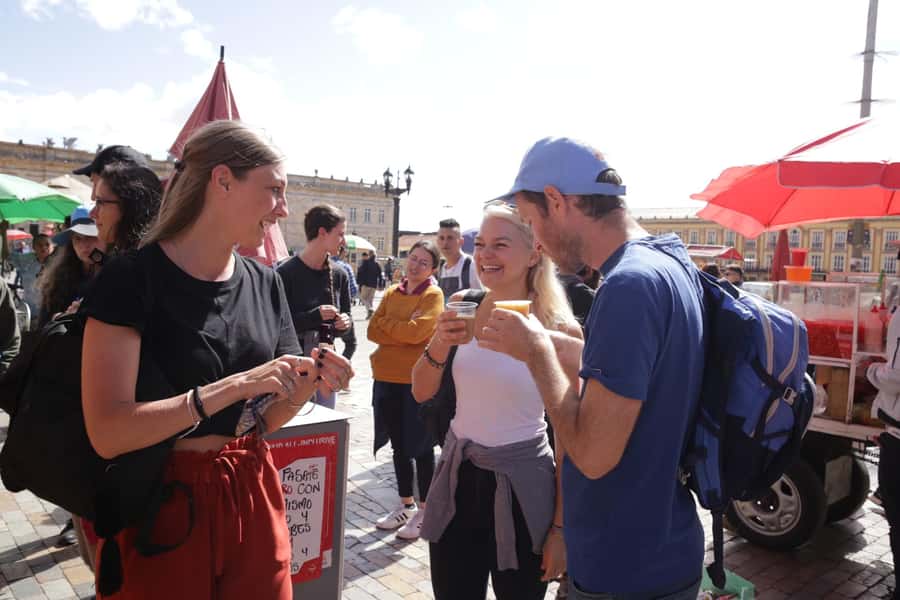
The listed duration is 150 minutes, or two and a half hours, while the tour description also calls it approximately three hours. I would set aside three hours so you are not rushing to another booking. The walk covers about 7 kilometers, with stops to listen, taste, and move between food places.
That distance makes comfortable shoes essential. Bogotá weather can change, so bring a rainproof coat or umbrella. You should also carry water or another drink, since walking and eating for several hours can leave you thirsty.
The pace combines explanation, food, and free time. That balance works well if you like to ask questions or decide carefully what to order. It may feel slow if you want a nonstop list of tastings, and it may feel active if you expected to sit in one restaurant.
The meeting point near the Museo del Oro is easy to identify because of the red umbrellas. Hotel pickup and drop-off are not included, so you need to reach the center on your own. Plan a little extra time to find the group, especially if you are new to Bogotá.
Children under 12 and people over 65 are listed as unsuitable for the activity. The reason is not explained, but the length and walking distance are relevant considerations. The tour also visits crowded areas, so keep your belongings close and follow the local advice not to make yourself an easy target.
Is the $13 price good value?
At $13 per person, the tour is inexpensive for a guided introduction to Bogotá’s food culture. You also need to budget about $9 to $10 for food tastings, bringing the likely total closer to $22 or $23 before any extra drinks.
That remains a fair price if you want an organized introduction to local food and history. You are paying for an English-speaking guide, access to selected food spots, cultural explanation, and recommendations for places to eat, buy coffee, and shop for souvenirs afterward.
The value is weaker if you want a full meal included or prefer to choose every stop yourself. You also may spend less by sampling street food independently, but you will not get the same background or help with how to eat dishes such as ajiaco.
A wristband given at the end provides benefits and discounts with recommended partners. The details of those discounts are not specified, so I would treat them as a possible bonus rather than part of the price calculation.
Who should book this food walk?
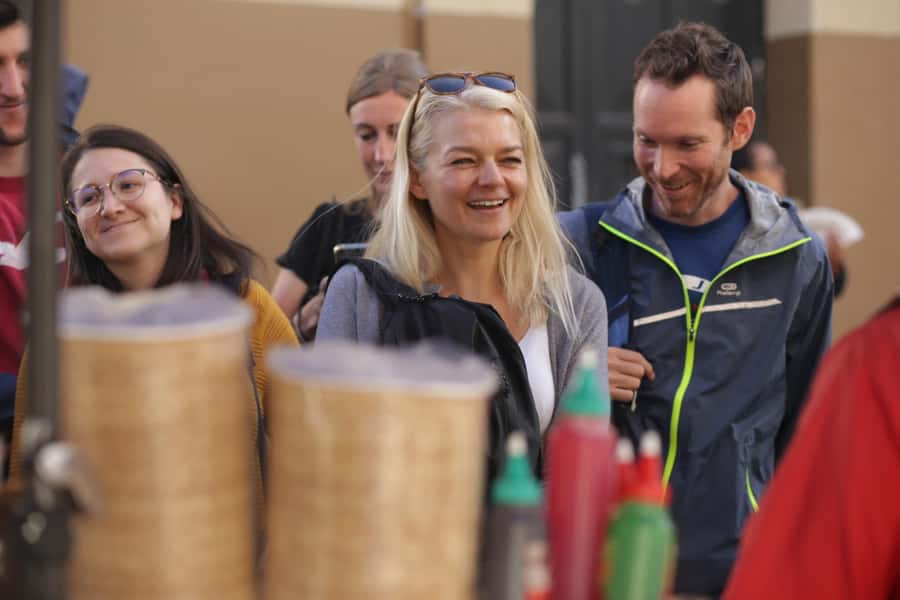
This tour suits first-time visitors who want an introduction to Bogotá beyond the main sights. It is especially useful if you enjoy asking why a dish exists, how it is eaten, and what it says about the country.
Solo visitors should feel comfortable joining. The format mixes guided explanation with time to eat and talk, and a solo participant can take part without needing to arrive with a group.
You should also consider it if you want vegetarian flexibility, enjoy coffee, or are curious about unusual combinations such as hot chocolate with cheese. An open mind matters more than a sophisticated palate.
This is less suitable for anyone seeking a luxury food tour, a fixed tasting menu, nightlife, or a short walk. It is also a poor fit if you dislike sweets, since one person found the amount of sweet food excessive. The combination of obleas and other sugary tastes can shape much of the experience, depending on the stops and your choices.
Recording video or audio is not allowed. If you want a food diary, take written notes when appropriate, but follow the guide’s instructions at each stop.
Booking details worth knowing
You can cancel up to 24 hours before the start for a full refund, and you can reserve now and pay later. The activity is offered in English with a live guide.
Bring comfortable clothes, sturdy walking shoes, rain protection, and water. Keep your food budget separate from the tour fee, and tell the company if your plans change so the reserved guide is not left waiting.
Beyond Colombia has been operating since 2013 and offers several tours in Colombian cities. The experience has a 4.5 rating from 22 reviews, with repeated praise for the food selection, clear information, and guides Leo and Patricia. There was also one serious complaint about the tour not taking place, so it is sensible to confirm the meeting details and status before heading out.
Should you book the Bogotá street food tour?
Book it if you want a practical first taste of Colombian food with a local explanation attached to every stop. The best parts are the cultural background, the chance to choose your own tastings, the unusual hot chocolate with cheese, and the advice on eating ajiaco properly.
Skip it if you need all food included, cannot walk 7 kilometers, or want mostly savory dishes. For most visitors who can handle the distance and extra tasting cost, $13 is a reasonable entry price for a friendly introduction to Candelaria’s food culture. Just arrive hungry, not ravenous, and leave room for the sweets.
FAQ
Where does the Bogotá street food tour meet?
Meet in front of the Museo del Oro in Bogotá’s historic center. Look for the red umbrellas marked Beyond Colombia.
How long does the tour last?
The listed duration is 150 minutes, or two and a half hours. The description also says approximately three hours, so allow about three hours in your schedule.
How much does the tour cost?
The listed tour price is $13 per person. Food and drinks are not included, and tastings usually cost about $9 to $10 depending on what you choose.
Is the tour offered in English?
Yes. The experience includes a live English-speaking guide.
What food can I expect to try?
The tour can include empanadas, obleas, Colombian coffee, ajiaco, and hot chocolate with cheese, along with other local food. The exact stops and your tastings may vary because you choose what to eat.
Are vegetarian options available?
Yes. Vegetarian options are available for about 70 percent of the experience. The supplied information does not confirm that every stop can accommodate a vegetarian diet.
How much walking is involved?
You will walk about 7 kilometers while stopping to listen to the guide and taste food. Comfortable shoes and water are recommended.
Can I cancel the booking?
Yes. You can cancel up to 24 hours in advance for a full refund, and the activity offers a reserve-now, pay-later option.
Just added around Bogota
- Fun Graffiti Workshop: The Art of Aerosol and Color★ 5.0 · 3 reviews
- Zipaquirá: Private Salt Cathedral Mine and Walking Tour★ 4.8 · 3 reviews
- Walking tour José Celestino Mutis Botanical Garden 3 hrs★ 5.0 · 3 reviews
- Bogota: East Hills Mountain Hike★ 4.2 · 3 reviews
- Bogota: Explore the forest and bird watching at Chicaque Natural Park★ 5.0 · 3 reviews
- Bogota: Downtown City and Monserrate Hill Private Tour★ 3.7 · 3 reviews
- From Bogota: White Water Rafting Experience★ 4.4 · 3 reviews
- From Bogota: Excursion to Jaime Duque Park★ 5.0 · 3 reviews
Bogotá Tours, compared.
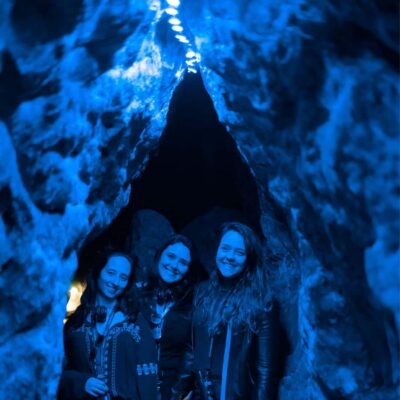
Zipaquirá: Salt Cathedral Group Tour with Pickup
Read our review →
Bogotá´s Barrios: El Paraíso Favela Tour with Cable Car
Read our review →
Bogota: Guatavita and Salt Cathedral Daily Group Tour
Read our review →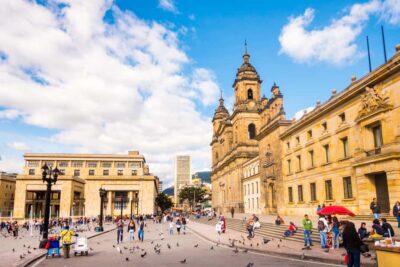
Bogotá City Tour with Monserrate, Gold and Botero Museums
Read our review →
Bogota: Zipaquirá Salt Cathedral and Lake Guatavita Day Tour
Read our review →
Browse the lists this tour appears in