
Reviewed · CALI TOURS
Shared Tour Cali’s Salsa, Graffiti & Resistance Experience
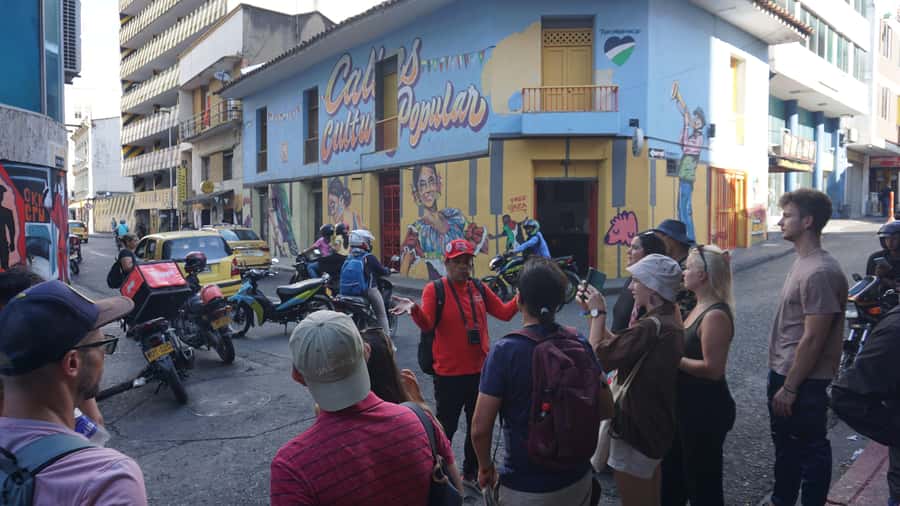
Cali’s salsa is more than a soundtrack for nightlife. It is a way to understand migration, African heritage, popular culture, protest, romance, and the city’s fierce sense of identity. This 150-minute walking tour follows that story through salsa landmarks, graffiti, and places tied to social resistance.
I like two things here: the link between music and social change, and the way the route uses real street art instead of keeping the story inside a museum. The main drawback is the distance. You may walk about 8 km, so this is not a gentle stroll, and it is not suitable for wheelchair users.
Key points to know before you book
- Salsa with a social meaning: Learn how salsa grew from African and Caribbean roots into a voice for love, politics, work, protest, and daily life.
- A walking route through central Cali: Visit the Plazoleta de la Caleñidad, Calle del Pecado, the River Boulevard curve, World Cup Tunnel, 5th Avenue, and other city sites.
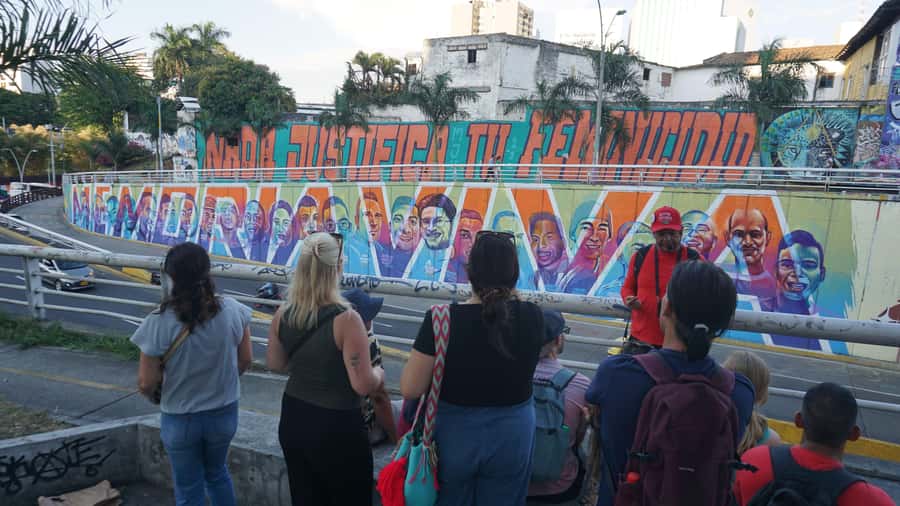
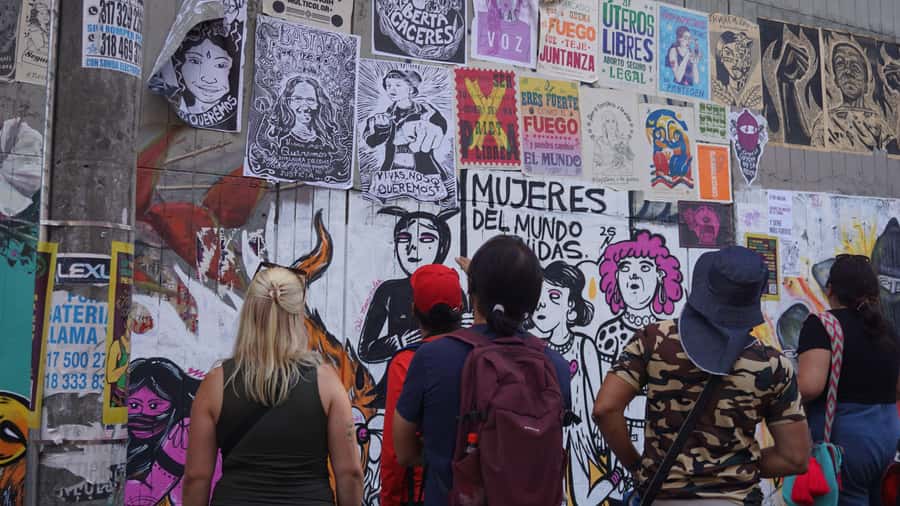
- Graffiti tied to resistance: See murals honoring salsa figures alongside works connected to activist causes and victims of violence.
- Guides who bring energy: Cristian, Christian, and Chris are names associated with the guiding team, and the tour calls for an animated, participatory style.
- Useful nightlife advice: You receive recommendations for salsa bars, plus possible discounts with partner businesses when you show the Beyond Colombia map.
- Good value for active visitors: At $13 per person, the tour offers two and a half hours of guiding, local context, and route planning without added entry fees.
Why salsa tells Cali’s story better than a standard city tour
You can visit Cali, hear salsa pouring from bars, and still miss what the music means. This tour sets out to correct that. It presents salsa as part of cultura popular, the everyday culture shaped by ordinary people, social groups, music lovers, workers, and communities with something to say.
The story begins well before Cali’s great salsa years. The tour explains the role of African emancipation and the cultural legacy carried by descendants of African communities. It then follows the music through the Caribbean Antilles, its mixture with other sounds, and its definition in New York before reaching Cali’s major period of musical growth in the 1960s, 1970s, and 1980s.
That context matters. You are not just learning where to dance. You are learning why salsa became such a strong marker of local identity and why Cali developed its own technique and style.
I especially like the idea of hearing the lyrics as social documents. Salsa can tell stories of wild love and heartbreak, but it can also speak about political events, revolution, work, and social demands. The tour gives you a way to listen with more attention the next time a song plays in a bar.
More street art walks in Cali:
- Historical Shared Tour Salsa, Graffiti & Resistance in Cali
★ 5.0 · 107 reviews - Medellin: Comuna 13 Graffiti Tour, Cable Car & Street Food
★ 4.8 · 9,046 reviews - Medellín: Comuna 13 Tour with Snacks And Your Own Graffiti
★ 4.9 · 311 reviews
Meeting under the red umbrellas at Jairo Varela
The meeting point is the Plazoleta Jairo Varela, where you look for the red umbrellas used by Beyond Colombia. This gives you a clear starting place in a central public square and avoids the confusion that can come with meeting outside an unnamed shop or hotel.
Jairo Varela is closely linked with Cali’s salsa identity, so the starting point fits the theme. The tour begins with a sense of place rather than a long transfer to the first sight.
This is a shared tour, not a private walk. That keeps the price low and gives you a chance to meet other people, but the pace and stops are set for the group. If you prefer a personal itinerary or a private guide, this may not be the right format.
The advertised duration is about 150 minutes, though the description also calls it roughly two hours. Plan for two and a half hours, especially since the route includes rests, explanations, and a substantial walk.
Plazoleta de la Caleñidad and the city’s popular culture
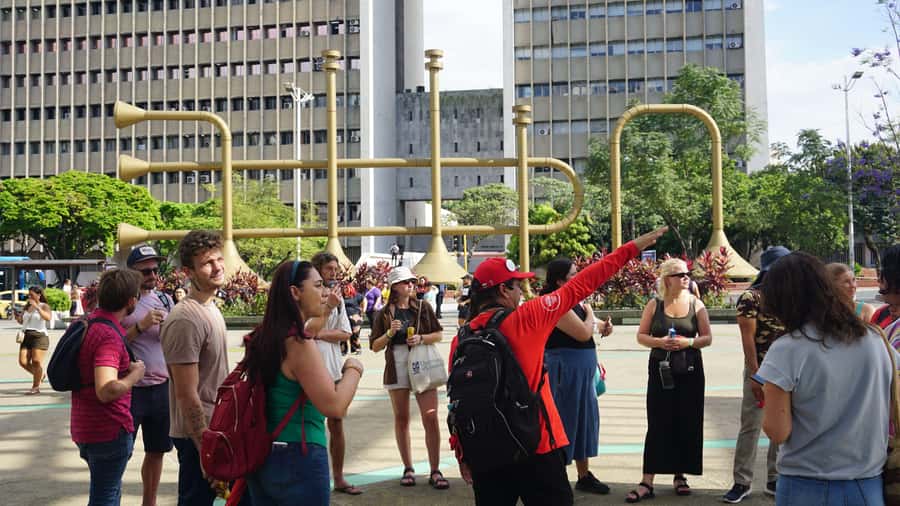
One of the early stops is the Plazoleta de la Caleñidad, a useful place to think about what it means to be from Cali. The name points to local identity, and the tour uses this setting to discuss the city’s habits, pride, music, and public life.
Here, the guide’s role is important. A list of dates would not explain Cali’s character. You need the connections between music, neighborhoods, social groups, celebrations, and the city’s sense of movement. Guides such as Cristian or Christian are expected to make the material active and personal, not simply recite facts.
The word caleño refers to a person from Cali, and the tour works toward understanding that identity from the inside. You will hear about the energy of Cali people and the way social struggles have shaped public expression.
Do not expect a formal dance lesson at this point. The focus is interpretation, with music and salsa as the tools for understanding the city.
Calle del Pecado and the pleasure of salsa
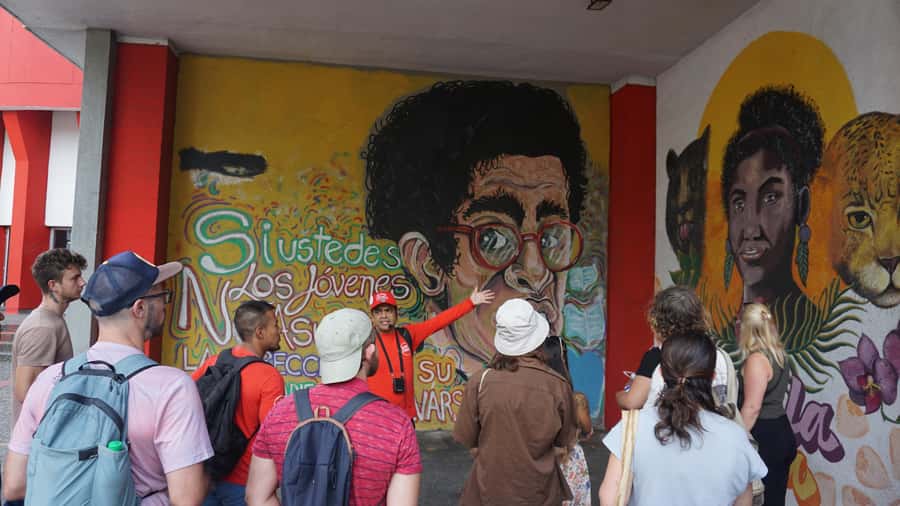
The route continues to the Calle del Pecado, also called the street of flavor. This is one of the places where the connection between salsa and nightlife becomes more direct.
Cali is known for its strong salsa scene, and people come here to study local dance styles or simply enjoy the music. The tour helps you place that nightlife within the larger story. Dancing is not treated as a separate tourist activity. It is part of how the city socializes, celebrates, flirts, remembers, and expresses itself.
This is also where you should expect a bit of audience participation. One of the tour’s practical warnings is to be ready to dance, at least in spirit. You do not need to arrive as an expert, and the tour does not require you to look polished. Comfortable clothing is specifically recommended.
Food and drinks are not included. That is worth remembering if you expect a tasting tour. You may receive suggestions for local restaurants and salsa bars, but any meal, drink, or later night out is your own expense.
More salsa classes in Cali:
- Salsa Bar Hopping in Cali
★ 4.5 · 43 reviews - Salsa & Music Tour of Cali
★ 5.0 · 42 reviews - Friday Salsa Pub Crawl in Cali
★ 4.9 · 23 reviews - The Cali Salsa Tour
★ 4.7 · 9 reviews
The River Boulevard curve and the rhythm of public space
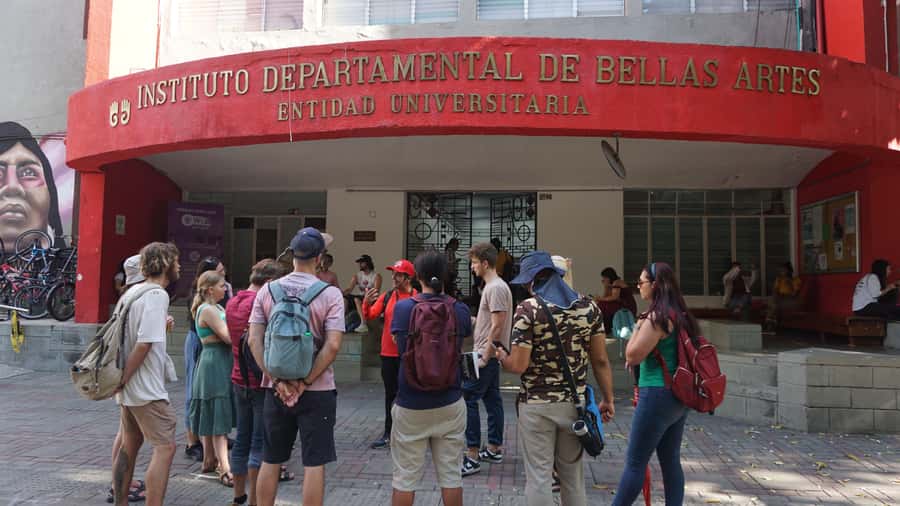
The Curve of the River Boulevard gives the tour another kind of setting. Instead of focusing only on clubs, this stop connects music with open urban space and public movement.
The route is designed to show how salsa and street art occupy the city. You are walking between places where people gather, pass through, listen, paint, protest, and mark their presence. That makes the tour feel broader than a nightlife crawl.
The guide may also point out how music and public identity overlap. Cali’s salsa culture is highly visible, but it exists beside other forms of expression. The value of this stop is seeing the city as a place where several kinds of public life meet.
You should keep your belongings close throughout the walk. The route includes crowded areas, and the tour’s own advice is plain: do not give papaya, a Colombian expression meaning do not make yourself an easy target. Bring only what you need and keep your phone and wallet secure.
World Cup Tunnel, 5th Avenue, and murals in motion
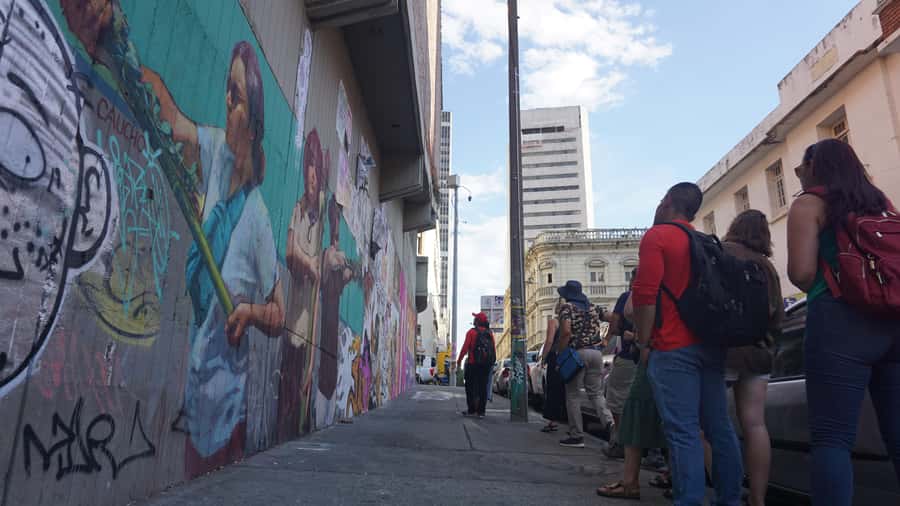
The World Cup Tunnel and 5th Avenue bring the tour into a more visual stretch of Cali. Here, graffiti becomes part of the historical record.
Murals honor musicians and salsa figures for their artistic and social contributions. Close by, you may see sharper messages linked to activism, popular causes, and resistance. The contrast is one of the most useful parts of the experience. It shows that street art is not simply decoration added to a city wall.
The tour also includes a graffiti monument dedicated to victims, identified as N21. The stop gives the word resistance a human meaning. You are asked to consider how communities remember loss, express anger, and use art when official accounts do not tell the whole story.
This part of the route may appeal to you if you enjoy urban art but want more than a photo stop. The guide explains the themes and links the images to Cali’s social struggles. The art can change, of course. Murals are exposed to weather, construction, and new political messages, so the exact appearance of a wall may not remain fixed.
Bring a camera, but do not let photography replace the explanation. The main value is in learning why a salsa portrait and an activist slogan might appear next to each other.
Salsa, protests, and the meaning of resistance
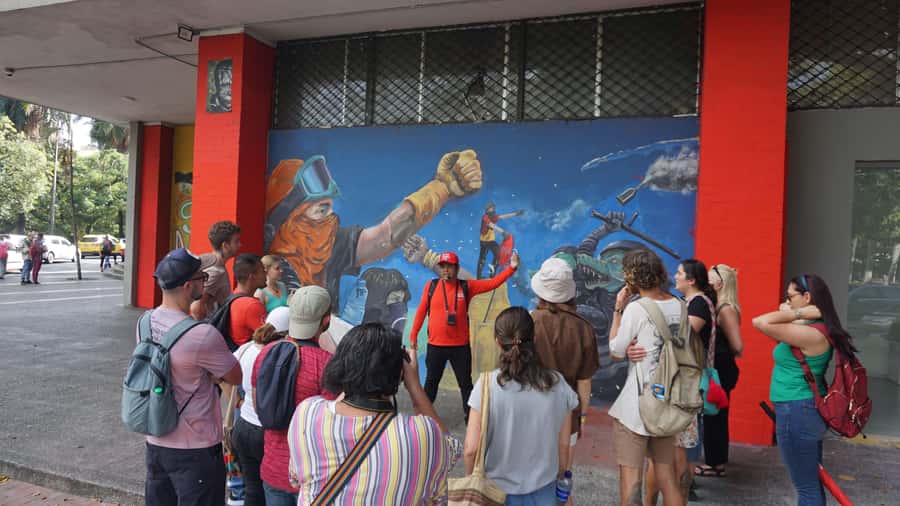
The tour’s most distinctive idea is that salsa can function as resistance. It does not suggest that every song is a political statement. Instead, it places the music within a long process of cultural survival, adaptation, and public expression.
The tour connects salsa to social movements and to the protests and social outbreaks that Cali has faced. Music, art, and activism become tools for communities dealing with conflict and inequality. This is a more serious subject than a standard introduction to dancing, but it helps explain the intensity often associated with Cali’s salsa culture.
You may hear about solidarity struggles as well as confrontation. That balance matters. Resistance is not presented only as anger. It can also mean holding on to culture, supporting neighbors, telling stories, and keeping a community’s voice in public view.
I would choose this tour early in a Cali visit if I wanted to understand the city before heading into its nightlife. After the walk, a salsa song, a mural, or a crowded bar should make more sense.
What the guide adds to the walk
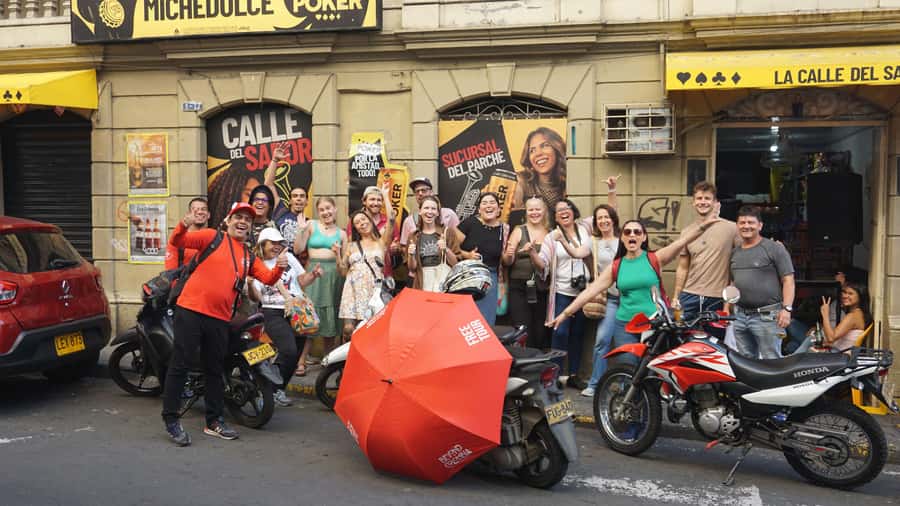
The quality of this experience depends heavily on the guide. The material covers music, African heritage, New York, Cali’s development, graffiti, activism, and local nightlife. A flat delivery would make it feel like a long school lecture.
The strongest guide style here is animated and interactive. Cristian is described as enthusiastic about salsa and Cali, with a talent for storytelling and connecting with people. That matters because the walk is long and the subject changes often.
You should expect questions, music, movement, and an invitation to take part. The tour can feel lively rather than solemn, even when it addresses victims and social conflict. That mix is appropriate for Cali, where joy and struggle sit close together.
The tour is offered in English and Spanish, with an optional Spanish audio guide. If you need the richest exchange with the guide, choose the language in which you can ask questions easily. The experience depends on conversation, not just on looking at sights.
Is $13 a good price for 150 minutes?
At $13 per person, the value is strong if you want context as well as sightseeing. You receive a guided route lasting around two to two and a half hours, visits to several central sites, explanations of salsa’s development, street art interpretation, and suggestions for where to continue your evening.
There are no surprise entrance fees built into the route because the walk does not take you to places where sudden charges apply. That keeps the budget clear. You will still pay for any food, drinks, souvenirs, or later entry to a salsa venue.
Transportation is not included, and none is needed during the tour. You walk the route and stop to rest. The low price comes with a real physical cost: about 8 km on foot.
Beyond Colombia also offers benefits and discounts with recommended partners if you show its Free Walking Tour Map through its Linktree. The exact partner offer may vary, so treat this as a possible extra rather than the main reason to book.
Who will enjoy this Cali walking tour?
I would recommend it to you if you want to understand why Cali loves salsa, not merely find a place to dance. It suits first-time visitors, music fans, street-art followers, and anyone interested in the link between culture and protest.
It is also a good choice for people who like active city walks. The route has resting stops, but 8 km is still a serious distance in warm weather. Wear comfortable shoes, carry water, and choose light, comfortable clothes.
You may want to skip it if you dislike group tours, have limited mobility, or want a quiet museum-style experience. It is not suitable for wheelchair users, and the shared format means you will not have a private guide setting the pace around your own interests.
The tour does not include a dance class, a meal, or transport. It is best understood as a guided introduction to Cali’s salsa culture, street art, and social memory.
Practical details for a smoother afternoon
Meet at the Plazoleta Jairo Varela and look for the red umbrellas. Check the available start times when booking, since the tour schedule can vary.
Wear shoes made for walking. Bring water or another drink, since the combination of distance, stops, and warm city streets can leave you thirsty. A camera is useful for the murals, but keep it secure in crowded areas.
Smoking is not allowed on the tour. An open mind helps, too. The guide covers difficult parts of Cali’s past and present, including protests, victims, and social struggles. You will get more from the tour if you are ready to listen as well as take photographs.
Free cancellation is available up to 24 hours before the activity for a full refund, and you can reserve while paying later. Those options are useful if your schedule in Colombia is still shifting.
Should you book Cali’s Salsa, Graffiti and Resistance Experience?
Book it if you want a serious but lively introduction to Cali. The best feature is its central idea: salsa is not just entertainment. It carries memory, identity, African and Caribbean influence, political feeling, and the city’s ability to celebrate while facing hard problems.
The price is modest, the route covers several meaningful places, and the nightlife recommendations can help you make better plans for the evening. Just be honest about the walking distance. If you prepare for 8 km, bring water, and accept a shared group pace, this is a strong way to meet Cali through its music and public art.
FAQ
Where does the tour meet?
The meeting point is Plazoleta Jairo Varela. Look for the red umbrellas belonging to Beyond Colombia.
How long does the experience last?
The stated duration is 150 minutes, or about two and a half hours. The description also refers to the tour as lasting approximately two hours.
How much does the tour cost?
The price is $13 per person.
Is transportation included?
No. You walk during the tour, with resting stops along the route. Transport to and from your hotel is also not included.
How far will I walk?
You should plan to walk about 8 km.
Which languages are available?
The live tour guide is available in English and Spanish. An optional audio guide is available in Spanish.
What places does the route visit?
Stops include the Plazoleta de la Caleñidad, Calle del Pecado, the Curve of the River Boulevard, World Cup Tunnel, 5th Avenue, the graffiti monument to victims N21, salsa bars, and other sites.
Are food, drinks, or entry tickets included?
No. Food, drinks, souvenirs, and tickets or entrance fees are not included. The walking route does not include sudden extra charges for site entry.
Is the tour suitable for wheelchair users?
No. The experience is not suitable for wheelchair users. Comfortable shoes, water, and a camera are recommended.
Just added around Cali
- From Cali: Whale Watching Day Trip in Buenaventura★ 4.6 · 3 reviews
- Cali: Three hours walking Cali City discovery tour★ 4.7 · 3 reviews
- Cali: Two hours walking Cali City discovery tour★ 5.0 · 3 reviews
- Private Tour on a 1100cc Cruiser Motorcycle★ 5.0 · 4 reviews
- Cali: Pico de Loro Trekking Adventure – Farallones de Cali★ 5.0 · 4 reviews
- Craft Beer Pub Crawl in Cali★ 5.0 · 4 reviews
- Cali: Comuna 20 Siloé Street Art Tour★ 5.0 · 4 reviews
- Flavors of Cali: Food tour at the local market★ 5.0 · 5 reviews
Cali Tours, compared.
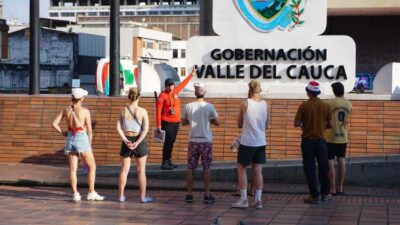
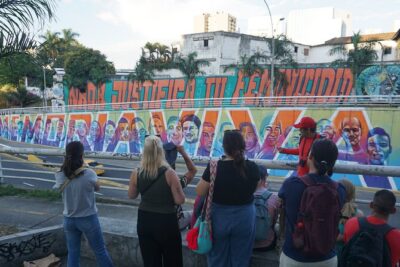
Historical Shared Tour Salsa, Graffiti & Resistance in Cali
Read our review →
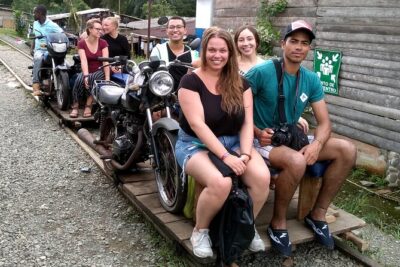
San Cipriano Rainforest – River, Waterfalls and Adventure Day
Read our review →

Browse the lists this tour appears in