
Reviewed · CALI TOURS
Shared Tour Cali’s Historical Downtown
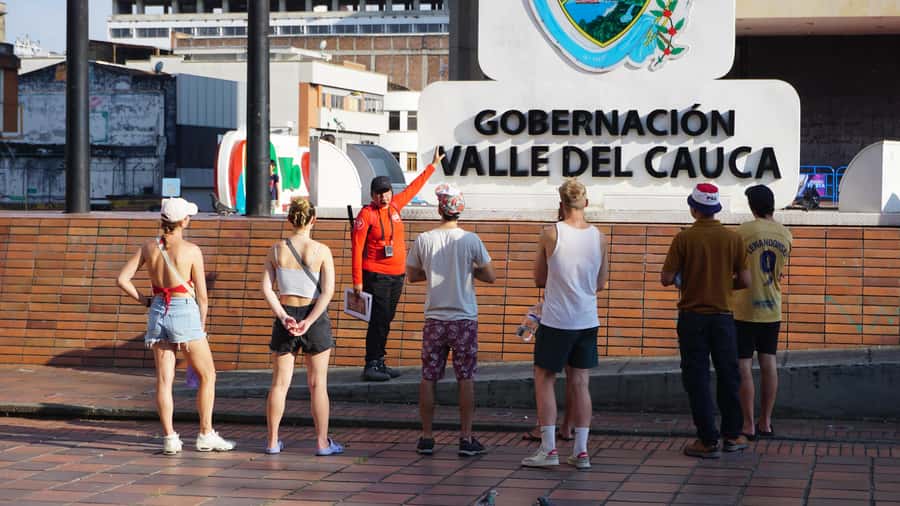
Cali’s past is not a tidy museum story. It is a lively mix of Afro-Colombian culture, salsa, social protest, and political struggle, all played out around churches, plazas, theaters, and city streets. This walking tour gives you that wider picture instead of treating Cali as only a place for dancing.
I like the way the route connects food, music, slang, literature, cinema, and theater to the city’s ethnic mix. I also like the price: at $13 per person, you get a useful first look at the historic center and practical tips for coffee, lunch, shops, and souvenirs. The main consideration is the pace. You may walk about 7 kilometers, and the tour can run close to three hours, so good shoes and water matter.
Key points to know before you go
- Cali’s story goes beyond salsa: You’ll discuss slavery, civil wars, discrimination, drug trafficking, soccer, social revolts, and cultural resistance.
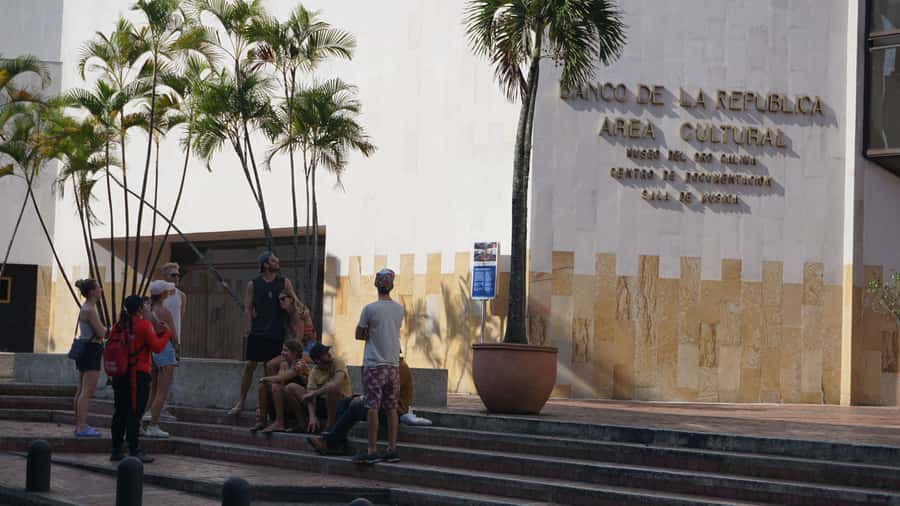
- The route covers the essential center: Expect La Merced, the Calima Gold Museum area, the River Boulevard, San Francisco Square, Cayzedo Square, Jairo Varela, churches, theaters, and Puente Ortiz.
- Afro-Colombian culture gets proper attention: Food, Pacific music, dance, local expressions, and the legacy of African communities are central to the walk.
- Guides make a real difference: Cristian, Christian, Fernando, Juliana, Lem, and Adriana Alvarez have all led this route, with repeated praise for energy, clear English, and local insight.
- You keep walking, not riding: There is no tour transport, and the route includes rest stops, but you should prepare for a long urban walk.
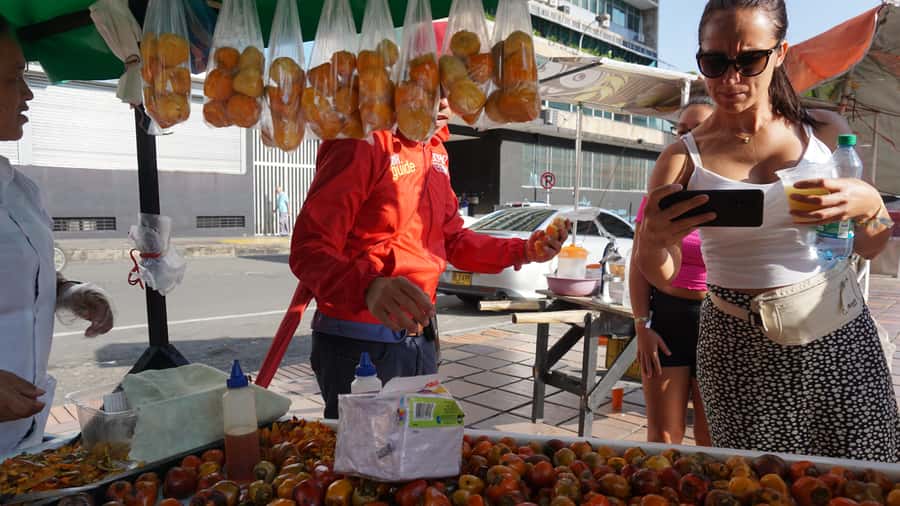
- You may taste chontaduro: This local fruit is included when available, but food, drinks, and souvenirs beyond that are not part of the price.
Why this Cali walk is more than a sightseeing circuit
A first visit to Cali can leave you with a simple impression: music, warm weather, colorful streets, and a city that loves to dance. Those things are real, but they are only the top layer.
This tour explains how the Valle del Cauca region helped shape the city. You’ll hear about the area’s economic importance, the arrival and exploitation of African slaves, and the ways African traditions survived through cooking, rhythm, language, and dance. That matters because Cali’s salsa culture did not appear from nowhere. It grew from several communities, migrations, hardships, and creative responses to daily life.
The walk also asks you to look at uncomfortable subjects. You’ll discuss discrimination, civil wars, drug trafficking, and the effects of social conflict. The route presents soccer and salsa as powerful forces in city life, but it also addresses how the cartel era affected ordinary people and Cali’s image.
I appreciate that balance. A tour that only sells Cali as the world capital of salsa and flavor would be fun but incomplete. Here, music is part of a larger story about identity and resistance.
A few more Cali day trips to weigh up
- Historical Shared Tour Salsa, Graffiti & Resistance in Cali
★ 5.0 · 107 reviews - Cali: Walking tour of the historic center
★ 5.0 · 69 reviews - Chiva Private Cultural Tour with Audio Guide in Buga
★ 5.0 · 49 reviews
Starting at La Merced and the city’s first chapter
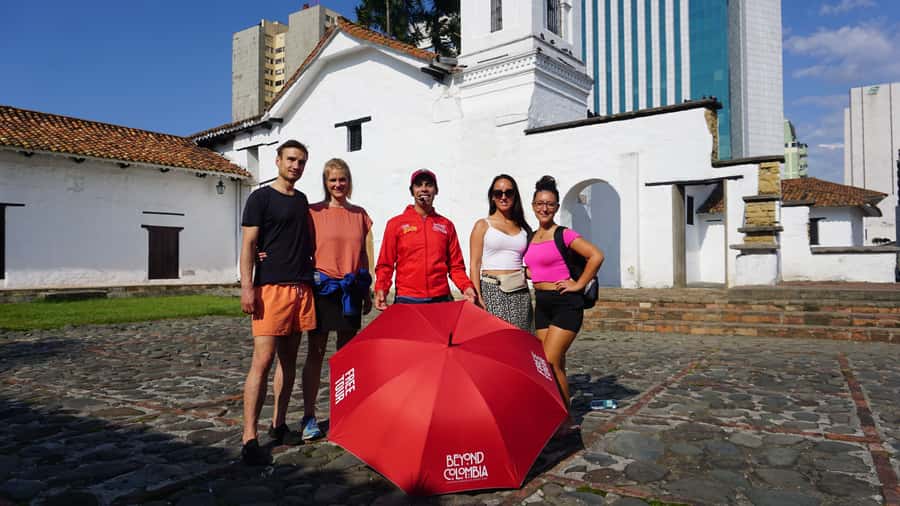
Meet the guide in front of the Museo Arqueológico La Merced, where you’ll look for the red Beyond Colombia umbrellas. This is a sensible starting point because La Merced helps introduce Cali’s colonial beginnings and the early development of Santiago de Cali.
The first part of the walk places the city inside the wider Valle del Cauca region. Geography and trade helped shape Cali’s growth, and the story moves from the city’s early foundations toward the social and economic forces that still affect life today.
The nearby Calima Gold Museum adds an important regional connection. Even if you do not enter the museum, the location helps frame the area’s Indigenous past and the older cultures that existed before the city’s later development.
Do not expect a museum tour with long indoor visits. The experience is mainly outdoors, with the guide using buildings, squares, and streets as reference points. That keeps the pace moving, but it also means the quality of the explanation depends heavily on your guide and on how well you can hear in city traffic.
La Merced, San Francisco Square, and the voices of Cali
As the route continues, the focus shifts from the city’s origins to the communities that built its culture. The discussion of African slavery is not treated as a footnote. You’ll learn how African descendants shaped gastronomy, music, dance, and the songs of Colombia’s Pacific region.
This is one of the strongest parts of the experience because food and sound make history easier to grasp. Chontaduro tasting, when available, gives you a small edible connection to local flavor. It is not a full food tour, so you should not book this expecting several meals or a series of tastings.
San Francisco Square adds another setting for talking about religion, public life, and architecture. The guide may also help you understand local slang and cultural expressions, which can be more useful than a list of dates. You leave with a better sense of how Cali speaks, eats, and celebrates.
The tour’s emphasis on culture also reaches literature, cinema, and theater. Cali’s identity has been expressed not only through dance floors but through writers, filmmakers, actors, and artists. That wider view is valuable if you want to understand the city as a creative place rather than a single-style party destination.
The River Boulevard and Puente Ortiz
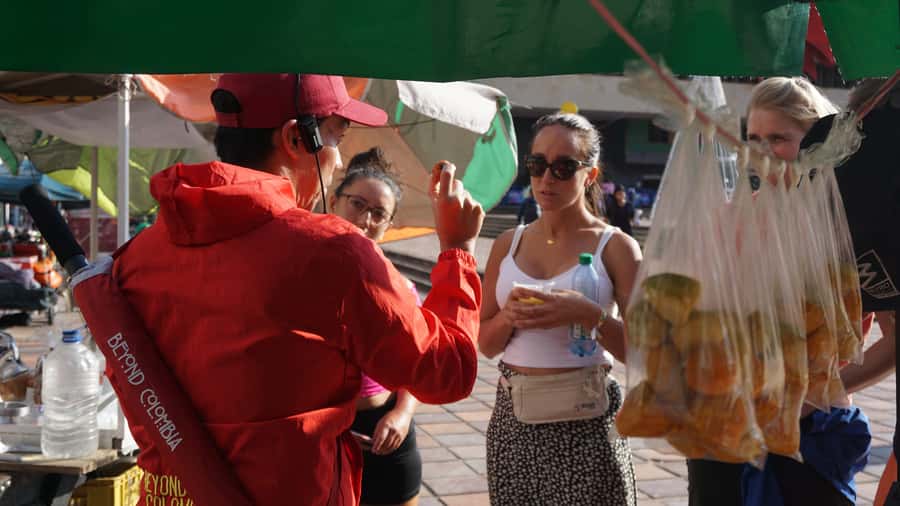
The River Boulevard is one of the route’s key public spaces. It gives you a chance to see how Cali has reworked parts of its center and how public areas can become places for gathering, walking, performance, and civic life.
From there, Puente Ortiz offers another useful point for understanding the city’s movement and growth. Bridges are practical structures, but they also reveal how neighborhoods and public life connect. Your guide uses the route itself to explain how the historic center relates to the city Cali became.
This part of the walk can feel more relaxed because there are opportunities to pause and listen. Still, keep your belongings close. The tour warns that some areas are crowded, and the local phrase don’t give papaya is good advice: avoid displaying valuables or making yourself an easy target.
The route is shared, not private. That lowers the cost and can make the walk more social, but it also means you cannot set every stop or discussion around your own interests. If you prefer a quiet private guide, this is not that kind of outing.
Same city, a completely different kind of day:
- The Cali Street Food Walking Tour
★ 5.0 · 81 reviews - San Cipriano Rainforest – River, Waterfalls and Adventure Day
★ 5.0 · 73 reviews - Cali: Street Food Tour
★ 4.8 · 71 reviews - Afro Walking Tour. The colors of Cali.
★ 5.0 · 61 reviews
Cayzedo Square and Cali’s architectural markers
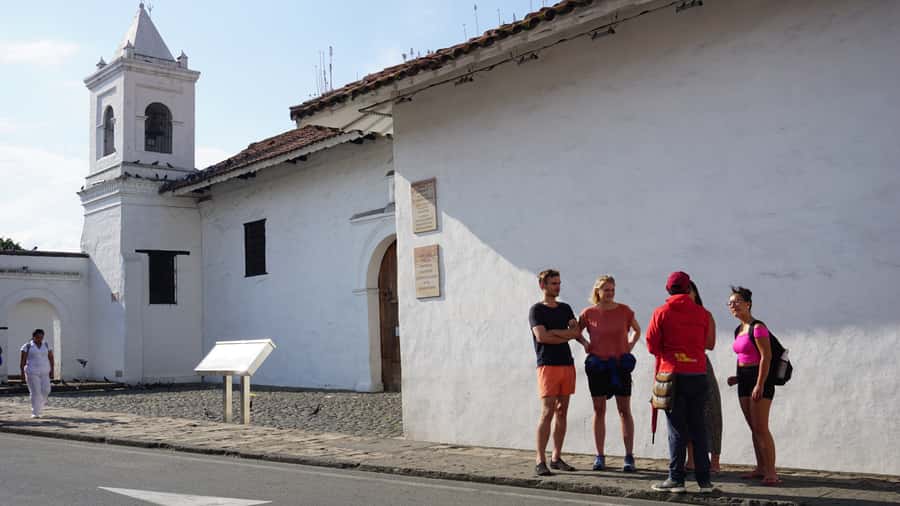
Cayzedo Square gives the tour a central public stage. It is one of the most important squares in Cali, and the guide uses it to connect architecture with civic life, political change, and the city’s daily rhythms.
You’ll see or pass several architectural markers, including the Ermita, St. Peter’s Cathedral, the Municipal Theater, and the Jorge Isaacs Theater. Each building helps shift the story from colonial religion to public performance, civic identity, and the arts.
The Ermita is particularly useful as a visual landmark. Its appearance helps anchor the route, while the churches show how strongly religious buildings shaped the historic center. The theaters add a different tone, reminding you that Cali’s culture has long included drama, literature, music, and cinema as well as street celebrations.
You should keep your expectations clear. Sightseeing these buildings does not necessarily mean entering each one, and entry tickets are not included. The value comes from seeing many important places in context while the guide explains how they fit together.
Jairo Varela and the rise of salsa
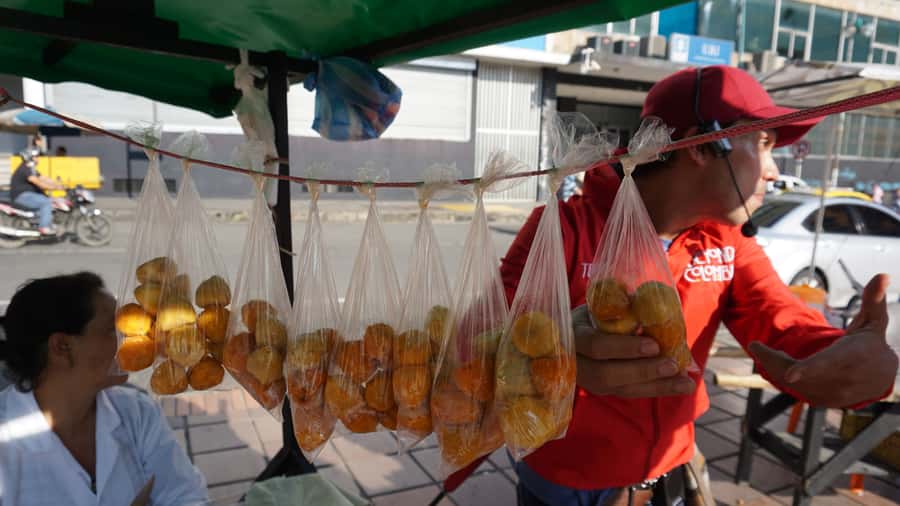
Jairo Varela is a major name in Cali’s musical identity, and the stop connected with him brings the salsa story into focus. You’ll learn how salsa developed in Cali and how La Feria de Cali helped turn the city’s love of music and dance into an international reputation.
The tour does not present salsa as mere entertainment. It links the music to social life, nightlife, neighborhoods, migration, and the city’s need to express itself during hard periods. You’ll also discuss the growth of the salsa movement during the years of the cartels, which gives the subject a more complicated edge.
This is where a lively guide can make a large difference. Lem is especially associated with bringing strong salsa energy to the experience, while Christian or Cristian has been repeatedly praised for keeping the group engaged and explaining the city with enthusiasm. Fernando is another guide who brings an interactive style and local tips.
Do not expect a dedicated dance lesson or a full evening at a salsa club. The experience is a historical walking tour with salsa woven through it. You may leave ready to dance, but the formal activity ends in the historic center.
Soccer, cartels, and the uncomfortable side of city pride
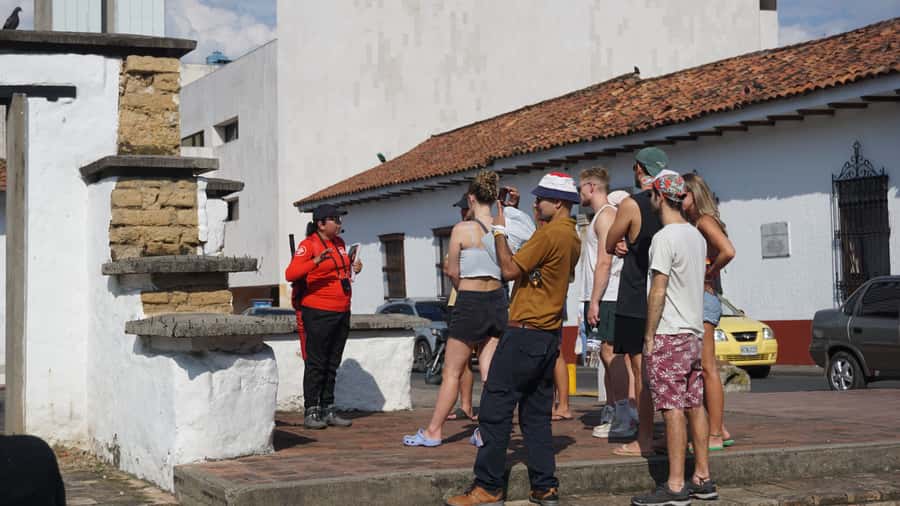
Cali’s public identity has several strong loyalties, and soccer is one of them. The tour discusses the role of soccer and salsa in society, then places those cultural forces beside the impact of drug trafficking.
That contrast is important. It keeps the story from becoming a polished postcard. The cartel era influenced Cali’s daily life, reputation, economy, and public conversation, and the guide addresses both its reach and its consequences.
The promise of objective information is useful here. The tour is designed not to take sides, though no city history is free from interpretation. I would listen actively, ask questions respectfully, and remember that complex subjects rarely fit into one neat explanation.
This section may not suit someone who wants only architecture and cheerful music. For me, it is one of the reasons to choose this walk. You gain a clearer sense of why Cali can feel proud, wounded, creative, and defiant at the same time.
Social revolts before and after the pandemic
The route also covers social revolts during and after the pandemic. That brings the city’s story into the present and shows that protest is not only a subject from old textbooks.
You’ll hear about revolutionary behavior, anti-cultural resistance movements, and the ways people have responded to inequality and political pressure. The tour connects those actions to Cali’s broader identity, including the idea that resistance is part of the city’s character.
This material gives the walk a modern edge, but it can also make the experience emotionally heavier. If you want a light introduction with no discussion of conflict, you may prefer a shorter architecture-focused route. If you want to understand why public spaces matter in Cali, these discussions add real value.
The guide’s delivery matters greatly here. Cristian and Fernando have both been praised for making serious material engaging without losing the human side. Juliana, a Cali native, brings a useful personal connection to the city’s story, and her strong English makes the details easier to follow.
What the $13 price really buys you
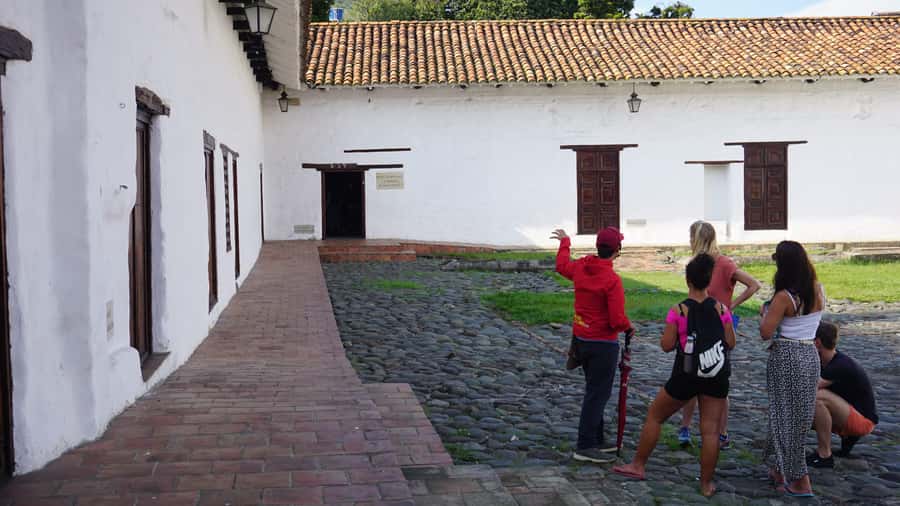
At $13, this is a strong-value introduction to Cali. You are paying for about 150 minutes of guided walking, an English-speaking professional guide, the main historic-center sights, a possible chontaduro tasting, and recommendations for food, coffee, shopping, and souvenirs.
The practical recommendations may be worth nearly as much as the sightseeing. If you are in Cali for a short stay, a local guide can help you choose where to eat lunch or buy coffee after the walk instead of wandering without a plan.
The tour does not include transportation, meals, drinks, museum admission, or private guiding. You also need to reach the meeting point yourself. That keeps the price low, but you should budget separately for anything you want to eat or visit inside.
The shared format is another part of the value. You meet other people and avoid the cost of a private tour, though group size and pace can affect how much personal attention you receive. The route includes resting stops, but the advertised distance of about 7 kilometers is still substantial.
Guide quality and the pace of the walk
The most important variable here is the person holding the red umbrella. The guide names connected with this route include Cristian, Christian, Fernando, Juliana, Lem, and Adriana Alvarez.
The strongest pattern is clear: the guides are valued for energy, clear explanations, friendly interaction, and genuine attachment to Cali. Cristian or Christian is often singled out for enthusiasm and strong command of the city’s past. Fernando is described as interactive and helpful with local tips. Juliana’s background as a Cali resident adds a particularly local voice, while Lem brings obvious salsa spirit.
The route is listed at 150 minutes, but the description also says approximately three hours. Plan your day around the longer estimate rather than rushing to a later appointment. You will stop to listen, walk between sights, and may pause for food or local drinks depending on the guide and the group.
Wear comfortable shoes and clothes. Bring water or another preferred drink, plus an umbrella or rainproof coat. Cali weather can change, and the tour company cannot control it. Alcohol, drugs, audio recording, and party groups are not allowed, and the activity is not considered suitable for people over 70.
Who should book this walk
I would choose this tour early in a Cali visit if you want a broad introduction before exploring salsa venues, markets, museums, or neighborhoods on your own. It gives you names, places, and themes that make later wandering more meaningful.
It suits people who enjoy social history as much as buildings. You should be open to discussing slavery, discrimination, violence, political protest, and drug trafficking alongside music, food, and theater.
It is also a good fit for solo visitors and couples who want an affordable shared activity. English is the stated language, and the guides have been praised for speaking clearly and engaging groups.
I would hesitate if you have limited walking ability, dislike long outdoor tours, or want a private itinerary with plenty of time inside monuments. The tour is active, shared, and focused on explanation rather than formal admissions.
Should you book the Cali Historical Downtown tour?
Book it if you want Cali explained through people, music, conflict, and public spaces, not just photographed from the sidewalk. For $13, the combination of key sights, local context, possible chontaduro, and practical recommendations is hard to beat.
Go prepared for a serious and fairly long walk. Bring water, rain protection, and an open mind, then let the guide show you why Cali’s flavor comes from much more than salsa alone.
FAQ
Where does the tour meet?
Meet in front of the Museo Arqueológico La Merced. Look for the red umbrellas marked Beyond Colombia.
How long does the tour last?
The stated duration is 150 minutes, or about two and a half hours. The description also says approximately three hours, so allow extra time.
What language is the tour in?
The tour is conducted in English with a live guide.
How much does the tour cost?
The listed price is $13 per person.
Is transportation included?
No. You travel to the meeting point yourself, and the tour itself is done on foot.
How far will I walk?
You should expect to walk about 7 kilometers, with stops for the guide’s explanations and rest breaks.
What places will I see?
The route includes La Merced, the Calima Gold Museum area, the River Boulevard, San Francisco Square, Cayzedo Square, Jairo Varela, the Ermita, the Municipal Theater, St. Peter’s Cathedral, the Jorge Isaacs Theater, and Puente Ortiz, among other sites.
Is food included?
A chontaduro tasting is included when available. Other food, drinks, and souvenirs are not included.
Is this a private tour?
No. It is a shared walking tour with a group and a professional Beyond Colombia guide.
What should I bring?
Bring comfortable shoes, comfortable clothes, water or another drink, and an umbrella or rainproof coat. Keep your belongings close in crowded areas.
Just added around Cali
- From Cali: Whale Watching Day Trip in Buenaventura★ 4.6 · 3 reviews
- Cali: Three hours walking Cali City discovery tour★ 4.7 · 3 reviews
- Cali: Two hours walking Cali City discovery tour★ 5.0 · 3 reviews
- Private Tour on a 1100cc Cruiser Motorcycle★ 5.0 · 4 reviews
- Cali: Pico de Loro Trekking Adventure – Farallones de Cali★ 5.0 · 4 reviews
- Craft Beer Pub Crawl in Cali★ 5.0 · 4 reviews
- Cali: Comuna 20 Siloé Street Art Tour★ 5.0 · 4 reviews
- Flavors of Cali: Food tour at the local market★ 5.0 · 5 reviews
Cali Tours, compared.
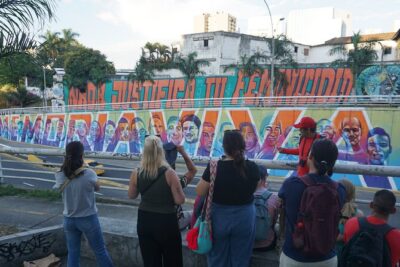
Historical Shared Tour Salsa, Graffiti & Resistance in Cali
Read our review →
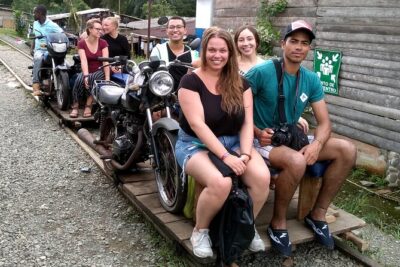
San Cipriano Rainforest – River, Waterfalls and Adventure Day
Read our review →
Cali: Cali River Waterfall and Great River Pools Tour
Read our review →Browse the lists this tour appears in