
Reviewed · SANTA MARTA TOURS
Santa Marta A Historical & Street food Experience
Santa Marta’s best stories are packed into a few blocks. This tour links the Tairona Gold Museum, colonial buildings, churches, public squares, murals, and food stops into one walk through the city’s old center. You get both the official story and the everyday one: how indigenous traditions, Spanish rule, trade, religion, and modern nightlife shaped Santa Marta.
I like the way the tour combines Tayrona culture with city history, rather than treating the museum as a separate stop. I also like the chance to taste local flavors such as lulo, exotic fruit juice, ceviche, and empanadas while you walk. The main concern is value: at $56 per person, two hours can feel expensive if the route is rushed or a planned food stop is closed. Some departures have also run much longer than two hours, so allow extra time.
Key points before you book
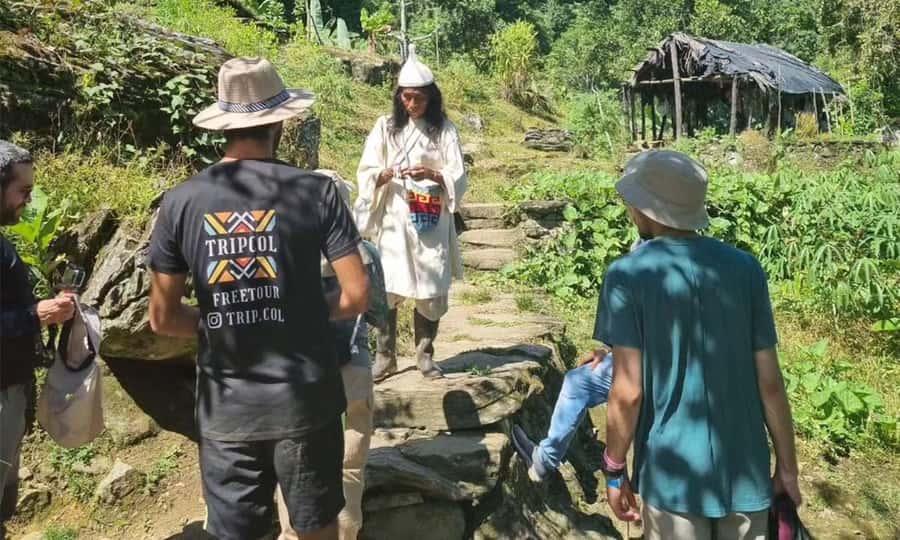
- The Tairona Gold Museum anchors the tour: You receive a guided visit to the museum inside the Casa de la Aduana.
- Sergio has earned especially strong praise: He is described as warm, well informed, helpful, and happy to answer basic questions about Santa Marta.
- The route covers more than the museum: Expect Bolívar Park, the cathedral, Camellón Rodrigo de Bastidas, Parque de los Novios, San Francisco Church, and San Miguel Cemetery.
- Food is part of the plan: Tastings are meant to include a local drink, exotic fruit juice, ceviche, lulo, and an empanada, though individual stops can vary.
- The timing needs flexibility: The advertised length is two hours, but one afternoon group spent close to four hours.
- The late afternoon may be more comfortable: A 4:30 p.m. start was praised as cooler than walking in the heat of the day.
Starting at the Casa de la Aduana
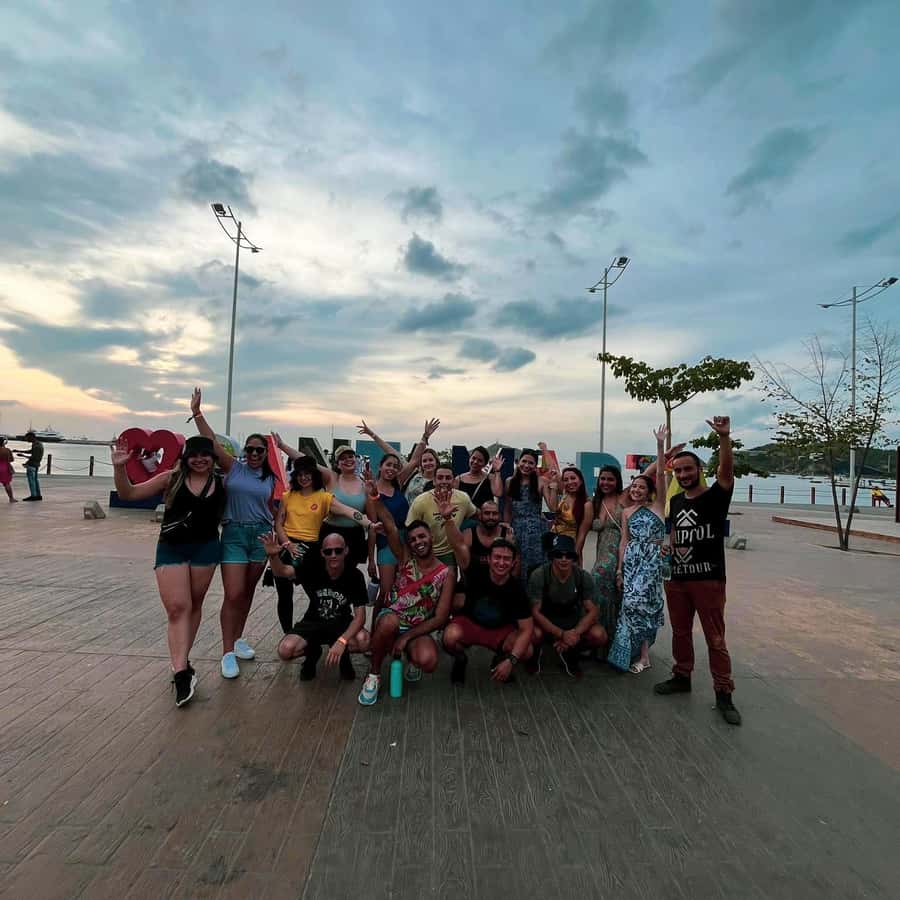
The meeting point is the Museo del Oro Tairona, also called the Casa de la Aduana. That is a useful starting place because the building introduces two of the tour’s main themes at once: Santa Marta’s indigenous cultures and its long role as a port city.
The Casa de la Aduana also connects the tour to trade. Santa Marta’s identity was shaped not only by churches and government buildings, but by goods moving through the city. Your guide uses this setting to explain how commerce affected the old center and how the city changed over time.
The experience is led in English or Spanish. Guides come from backgrounds in history, journalism, and anthropology, which gives the walk a wider focus than a simple list of dates. The strongest guide-specific praise goes to Sergio. He has been described as easy to talk with, attentive, and willing to offer useful suggestions for other things to do in Colombia and around Santa Marta.
A few more Santa Marta day trips to weigh up
- Santa Marta: Guided Walking Food Experience
★ 4.8 · 33 reviews - Dinner cruise on Cartagena’s bay with Sibarita Master
★ 4.5 · 297 reviews - Cartagena: Cruise by the Bay with Dinner and Wine
★ 4.4 · 142 reviews
Inside the Tairona Gold Museum
The museum visit is the intellectual heart of the experience. You have a guided tour inside the museum, with time listed for both an initial guided portion and a longer visit. The focus is the Tairona civilization and the indigenous people connected with the Sierra Nevada.
This matters because Santa Marta is more than a colonial port with pretty balconies. The Sierra Nevada has long been home to indigenous communities, and the museum gives you a way to understand their traditions through objects, artifacts, and cultural practices. The tour’s stated aim is to explain both physical heritage and living cultural ideas, so listen for the connections between what you see in the cases and what remains important in the region today.
The museum is also a good place to ask questions. If you want only a quick look, the stop may feel long. If you care about archaeology, goldwork, and the indigenous history of northern Colombia, it gives the rest of the walk a stronger foundation.
One practical caution is worth noting. The advertised route includes a museum visit, but one recent departure did not receive the full museum tour described. If this stop is your main reason for booking, confirm at the start that the guided museum portion is included.
Bolívar Park and Santa Marta’s public center
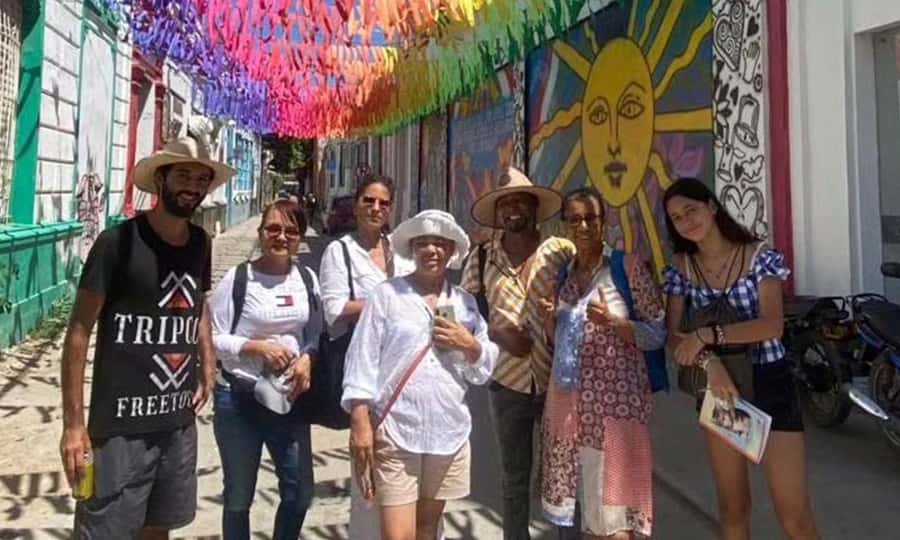
From the museum, the route moves to Simón Bolívar Park. This is a natural place to discuss the city’s political story and the legacy of Simón Bolívar, the independence leader whose final days are closely associated with the Santa Marta area.
The guide’s job here is not just to point out a statue or name a square. The park helps you see how Santa Marta’s public spaces work. They are meeting points, places for ceremonies, and reference points for understanding the old center. The stop is scheduled for about 30 minutes, enough time for explanation and questions if the group keeps a steady pace.
You may also hear about Santa Marta’s links to Gabriel García Márquez, whose presence appears in murals around the center. That detail adds a modern cultural layer to the colonial streets and indigenous stories.
Walking the Camellón Rodrigo de Bastidas
The Camellón Rodrigo de Bastidas provides a change of pace. This part of the route is listed as a visit, guided stop, and photo opportunity. It is a good section for seeing how Santa Marta presents its connection to the waterfront and its founding story.
The name recalls Rodrigo de Bastidas, the Spanish explorer associated with the founding of Santa Marta. The stop gives the guide room to explain the city’s early colonial period while you take photographs and move between the inland streets and the open waterfront area.
Do not expect a long standalone attraction here. It is a connecting part of the walk, useful for orientation and views rather than a formal museum visit. Its value depends on the explanation your guide provides.
More food tours in Santa Marta:
- Santa Marta Street Food Tour: 7 Tastings with a Local Guide
★ 5.0 · 39 reviews - Medellin: Comuna 13 Graffiti Tour, Cable Car & Street Food
★ 4.8 · 9,046 reviews - Medellín: Comuna 13 True Story and Street Food Tour
★ 4.9 · 1,779 reviews - Cartagena: Guided Street Food Tour with Tastings
★ 4.9 · 833 reviews
Santa Marta Cathedral Basilica
The Cathedral Basilica of Santa Marta brings the Spanish colonial and Catholic side of the story into focus. The route includes a guided visit, with about 20 minutes assigned to the stop and scenic views along the way.
Inside, your guide explains the building’s architecture and points out details in the frescoes, including the hidden messages highlighted in the tour description. This is the kind of stop where a guide makes a real difference. On your own, you might admire the interior and move on. With context, the church becomes evidence of the city’s religious and political past.
The cathedral is also one of the places where the tour balances large themes with small details. You will hear about colonial construction, but you are also encouraged to look closely at the building itself. Keep your camera ready outside, but give yourself time to listen before treating the church as a quick photo stop.
Parque de los Novios, the social heart of the walk
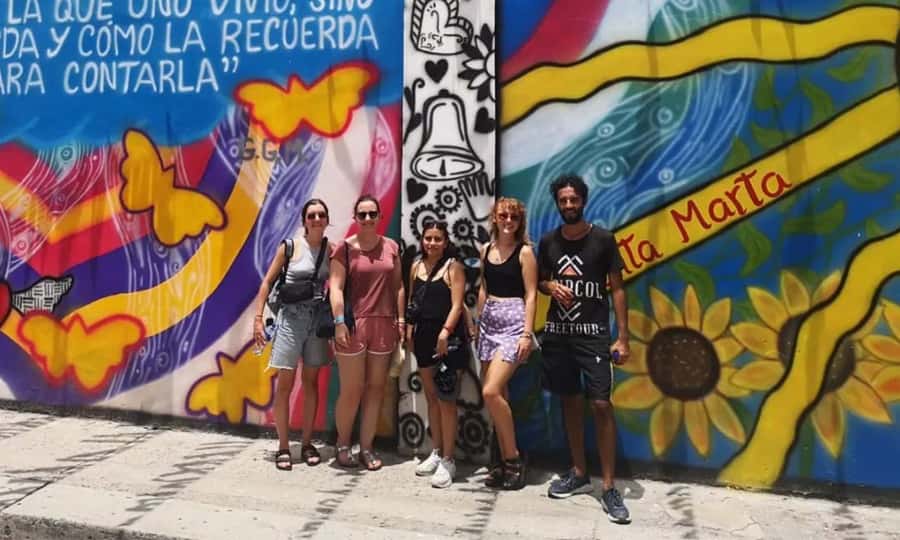
Parque de los Novios is scheduled for the longest single stop, about 45 minutes. That tells you something about the tour’s priorities. This is not just a square to cross on the way to dinner. It is presented as a center of social life, romance, legends, restaurants, pubs, and clubs.
If you are new to Santa Marta, this stop helps you get your bearings for an evening out. The tour highlights the surrounding restaurant and nightlife scene, giving you a sense of where the center comes alive after dark. You will not receive a full nightlife tour, but you should come away with ideas for places to investigate later.
The square also offers a useful contrast with the earlier museum and cathedral. The museum looks back at indigenous culture. The cathedral reflects colonial power. Parque de los Novios shows the city’s current social rhythm. That progression makes the route feel like a story rather than a string of unrelated landmarks.
This is also one of the two listed drop-off points. If you plan to eat or go out after the tour, finishing here is convenient. If you prefer to return to the Casa de la Aduana, that is also listed as an end point.
San Francisco Church and San Miguel Cemetery
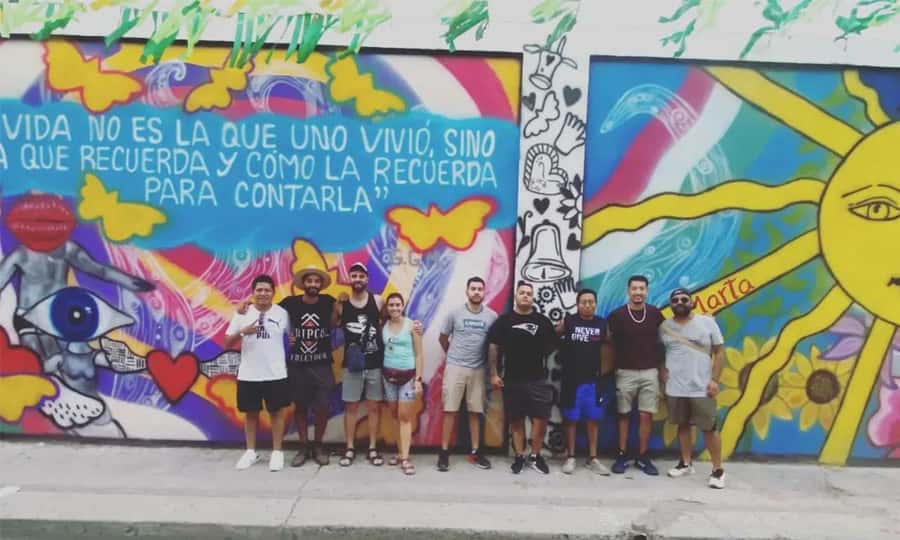
The walk continues to Iglesia San Francisco, where you receive a visit, guided explanation, and photo stop. The church adds another religious building to the route, but it is not redundant. Comparing it with the cathedral can help you notice differences in scale, design, and role within the old center.
The stop at San Miguel Cemetery is less predictable in tone and more unusual than the usual historic-center itinerary. It is listed as a 20-minute guided visit and photo stop. A cemetery can reveal how a city remembers its important families, religious figures, and public history. Your guide may use it to discuss local customs and the people who shaped Santa Marta.
This is a place where respectful behavior matters. Treat it as a historical site, not simply a backdrop for photographs. The appeal will be strongest if you like the quieter, more reflective parts of city history.
The food stops: what you may actually taste
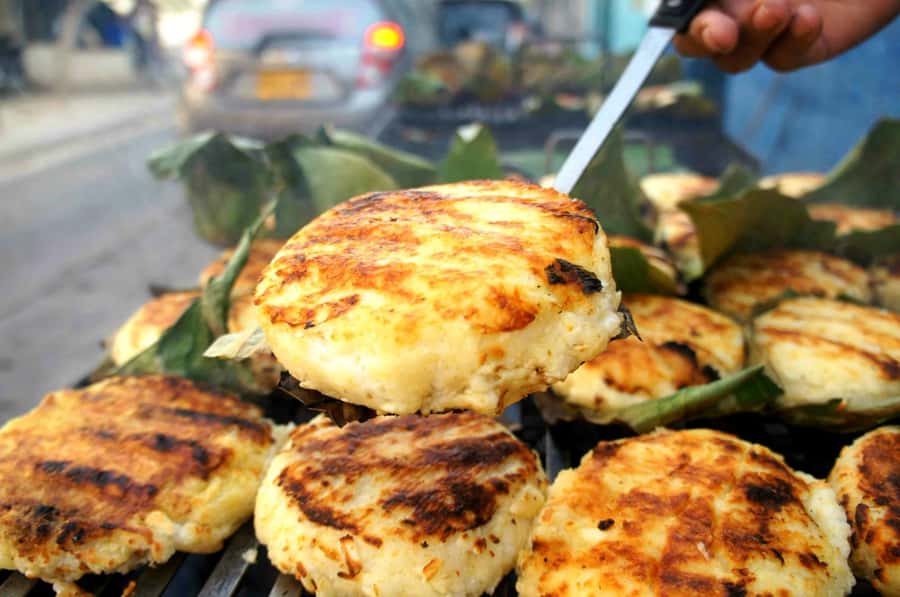
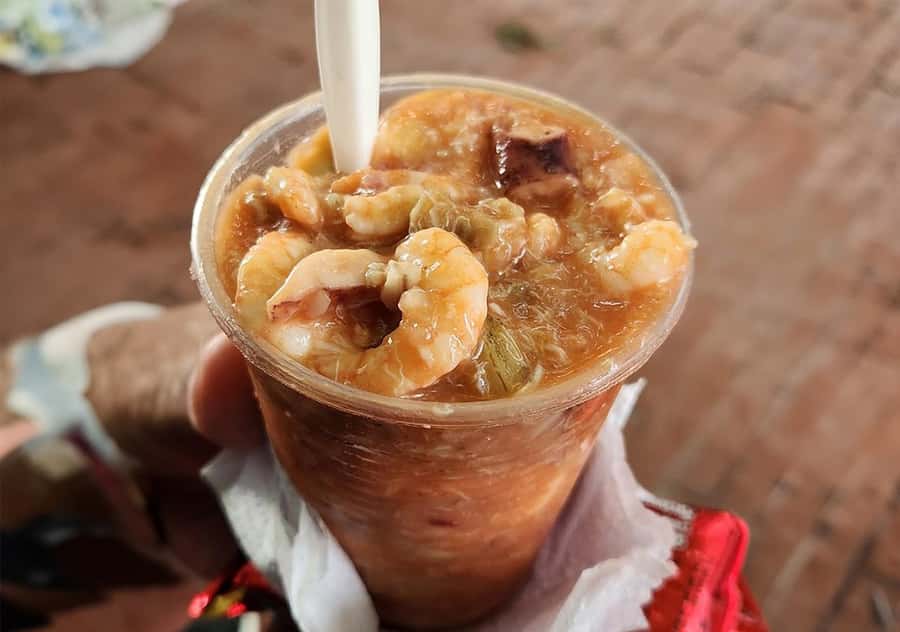
The food side gives the tour its local flavor, but you should understand how it works before paying $56. The experience highlights ceviche, lulo, exotic fruit juice, and empanadas. The included items specifically confirm a professional guide, the museum tour, and a local drink. The food description presents more tastings, but it does not spell out a fixed amount or a guaranteed menu for every departure.
The exotic fruit stop may include juice made with guanábana, maracuyá, or zapote. These fruits give you a quick introduction to Colombian flavors beyond the usual orange or pineapple juice. Lulo is another useful tasting because its sharp, distinctive flavor appears in juices and artisanal infusions.
Ceviche is meant to be a key stop. Colombian-style ceviche can differ from the versions you know elsewhere, so this is a chance to try a local preparation rather than a standard tourist snack. Still, one scheduled ceviche stop was closed, and no replacement was made. That is the clearest warning in the whole experience: food stops depend on operating hours and local availability.
The final empanada stop is likely to feel the most familiar and casual. Crispy pastry filled with local ingredients is classic Colombian street food, and an empanada makes a sensible finish to a walking tour. If you have dietary restrictions, ask the guide what is available before you eat. The supplied information does not specify fillings or alternatives.
Think of the tastings as small samples that add character to the walk, not as a full meal. You may still want dinner afterward, especially if your group spends only a few minutes at each food stop.
Two hours, or closer to four?
The official duration is two hours. That is enough time for a brisk overview, but the route contains a museum, several landmarks, a cemetery, and multiple food stops. You can see why the pace may vary.
One group finished in close to four hours, while two recent departures were described as short and rushed. This is not a minor detail. A two-hour version may suit you if you want an orientation walk and plan to explore the sites later. A longer version may be better for anyone who wants time to ask questions, eat, take photographs, and look inside the buildings.
The guide and group pace appear to matter. Sergio received especially warm praise for answering basic questions and offering practical ideas beyond the official route. That kind of personal attention can stretch the tour, but it can also make the experience more useful.
I would not schedule a tight lunch, bus departure, or another timed activity immediately afterward. The advertised time is two hours, but you should keep extra space in your day.
Choosing the best departure time
Santa Marta can be hot, and this is a walking experience with several outdoor stretches. An afternoon start at 4:30 p.m. was specifically praised because the temperature was more manageable. A later departure also lets you see Parque de los Novios as the center begins shifting toward evening dining and nightlife.
The tradeoff is light. If you want strong daylight for architecture and photographs, an earlier start may help. If comfort matters most, the late afternoon is the smarter choice based on the available experience of the tour.
Check the available starting times when you book. The activity does not provide one fixed daily departure time.
Is $56 a fair price?
At $56 per person, this is not a cheap walking tour. The price makes the most sense if you receive a proper guided museum visit, a thoughtful walk through the main sights, and several food samples. A strong guide can also add value by helping you decide where to eat and what to see next.
The price feels less convincing if the tour lasts only a short time, moves too quickly, or skips the museum and ceviche tasting. This is especially important because many of the places on the route are public landmarks you could visit independently.
I would judge the value this way:
- Good value for a first visit: You want history, indigenous culture, orientation, and food in one booking.
- Better value with a strong guide: Sergio’s personal approach, local suggestions, and willingness to answer questions can make the cost easier to justify.
- Weak value for independent explorers: If you mainly want photographs or nightlife recommendations, you may not need a paid historical walk at this price.
- Worth confirming in advance: Ask what tastings are operating that day and make sure the museum visit is included.
The flexible booking terms help reduce risk. You can cancel up to 24 hours in advance for a full refund, and the reserve-now, pay-later option lets you hold a place without paying immediately.
Who should book this experience?
I would recommend it to first-time visitors who want a quick framework for Santa Marta. The combination of the Tairona Gold Museum, colonial churches, public squares, local drinks, and street food gives you several useful starting points for the rest of your stay.
It also suits curious eaters who want to try lulo, guanábana, maracuyá, zapote, ceviche, and empanadas without planning every stop themselves. History fans should appreciate the link between the Sierra Nevada’s indigenous cultures and the city’s colonial development.
You may want to skip it if you dislike variable timing or expect a full meal. It is also a questionable choice if $56 feels high for a walking tour and you are comfortable visiting the cathedral, parks, and waterfront by yourself.
My verdict
Book this tour if you want a personable introduction to Santa Marta and care about the story behind the buildings. The best parts are the Tairona focus, the range of historic stops, and guides such as Sergio who make room for questions and practical advice.
Before confirming, ask two simple questions: Is the full museum tour running, and which tastings are available today? Choose a late afternoon departure if you want cooler walking conditions, and leave extra time after the advertised two hours. With those expectations, this can be a useful and flavorful first look at Santa Marta. If the operator cannot confirm the museum and food portions, the $56 price becomes harder to defend.
FAQ
Where does the Santa Marta historical and street food experience start?
It starts at the Museo del Oro Tairona, also known as the Casa de la Aduana.
Where does the tour finish?
The listed drop-off points are Parque de los Novios and the Museo del Oro Tairona, Casa de la Aduana.
How long does the activity last?
The advertised duration is two hours. One completed afternoon tour lasted close to four hours, so you should allow extra time.
Which languages are available?
The live guide is available in English or Spanish.
What is included in the price?
The listed inclusions are a professional guide, a guided tour inside the Tairona Gold Museum, and a local drink. The experience also describes food tastings such as juice, ceviche, lulo, and empanadas, but individual stops can vary.
Can I cancel the booking?
You can cancel up to 24 hours in advance for a full refund. The reserve-now, pay-later option is also available.
More Historical Tours in Santa Marta
- Trekking History and Indigenous Heritage in Minca + Cacao & Coffee + Waterfall
★ 4.9 · 63 reviews - Cartagena: Historic Center and Getsemaní Shared Walking Tour
★ 4.9 · 2,716 reviews - Shared Tour Cali’s Historical Downtown
★ 4.8 · 143 reviews - Medellín: History & Local Life Essentials Tour on an E-Bike
★ 4.9 · 130 reviews
Just added around Santa Marta
- Diving Santa Marta & Tayrona for Certified Divers (2 tanks)★ 3.9 · 3 reviews
- Minca, Marinka Waterfall & Hostel Sierra Minca★ 4.7 · 3 reviews
- Santa Marta: Museum of the Sea and Playa Blanca Beach Tour★ 4.8 · 3 reviews
- Palomino: Private Tour to Tungueka Indigenous Village★ 3.7 · 3 reviews
- Tour to Punta Gallinas with Cabo de la Vela 3 Days★ 3.3 · 4 reviews
- Tayrona Park & Playa Cristal★ 3.8 · 4 reviews
- SANTAMARTA: TOUR Remanso, Taganga, Playa Grande Lunch and Snorkeling Included★ 3.5 · 4 reviews
- Avistamiento de aves en Minca Sierra Nevada de Santa Marta★ 5.0 · 4 reviews
Santa Marta Tours, compared.
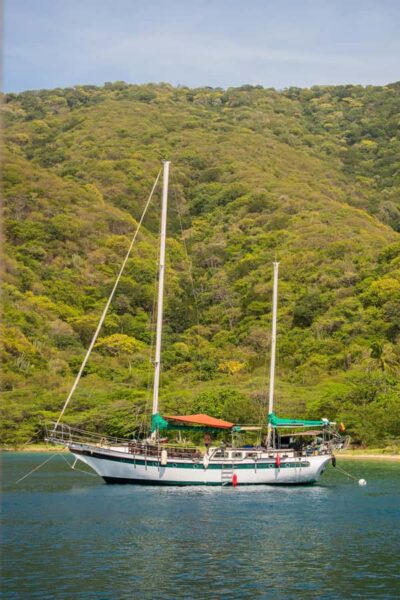
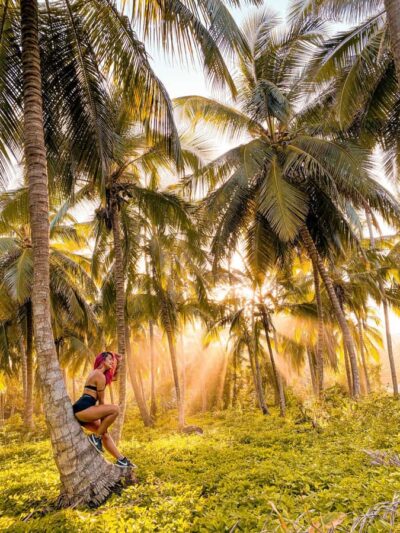
From Santa Marta: Tayrona National Park Guided Tour
Read our review →
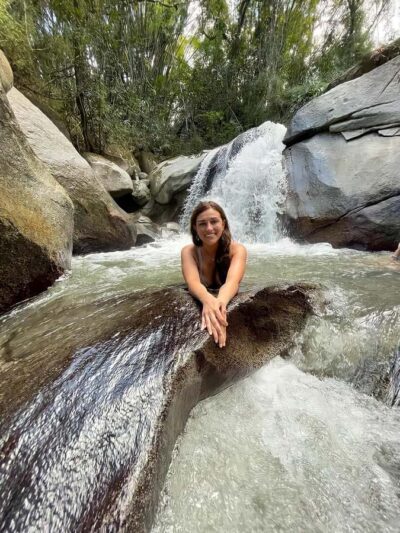
Santa Marta: Minca Coffee, Cocoa, & Waterfall Full-Day Trip
Read our review →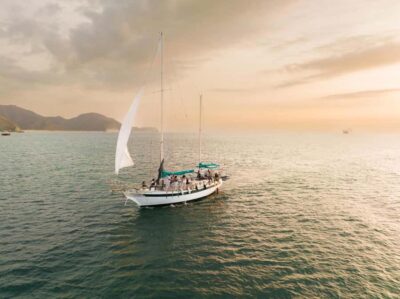
From Santa Marta: Sunset Sailboat Tour with 2 Beverages
Read our review →
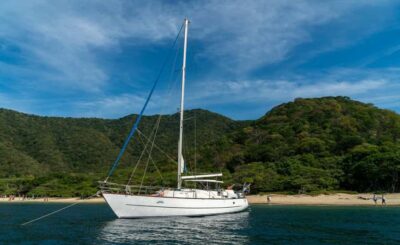
Santa Marta: Sailing Tour to Tayrona Park with Luis’ Team
Read our review →
Browse the lists this tour appears in