
Reviewed · HORSES
Horseback Riding Tour and visit to Tablón, Chaquira, Pelota
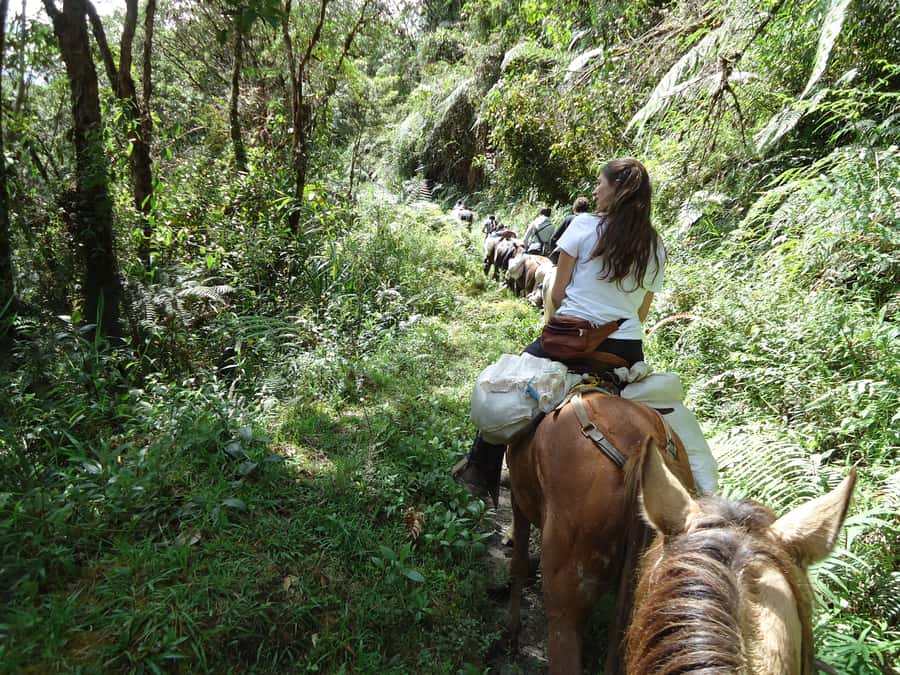
San Agustín’s archaeological sites make more sense when you reach them on horseback. This four-hour ride carries you through the hills around town to La Chaquira, La Pelota, El Purutal, and El Tablón, where ancient stone figures meet wide views across Huila. The statues at La Pelota and El Purutal are especially unusual because traces of their original paint remain.
I like the personal guiding and the simple logistics. Pacho has more than 25 years of experience, while guides such as Milton and Luna have led tours in English and German. I also like that the horses can be matched to children, beginners, and experienced riders. The main consideration is physical: four hours in the saddle requires moderate fitness, and the tour is not suitable for pregnant women, people with back problems, wheelchair users, or people with certain medical conditions.
Key points to know before booking
- Four archaeological stops: See La Chaquira, La Pelota, El Purutal, and El Tablón around San Agustín.
- Original color remains: La Pelota and El Purutal preserve striking traces of painted decoration.
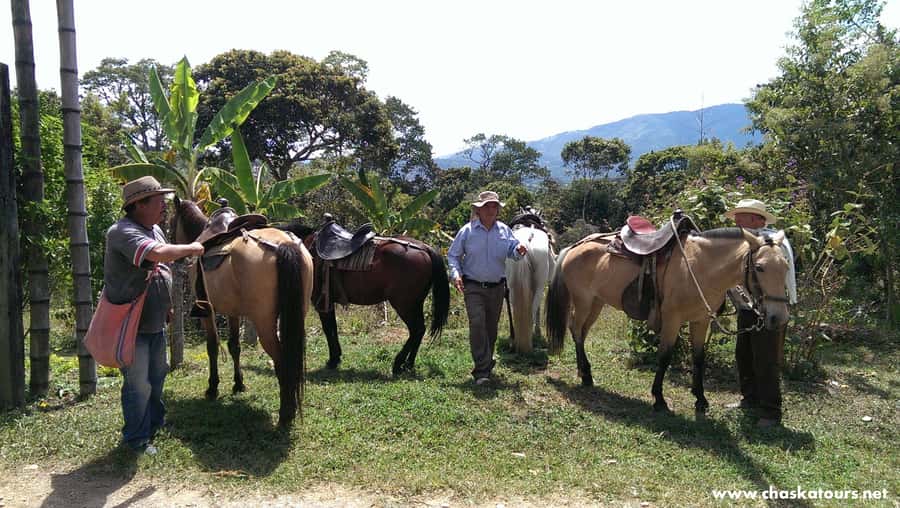
- Hotel pickup on horseback: Your guide brings the horse to the front of your hotel and begins the ride there.
- Guides in four languages: Tours may be available in Spanish, English, French, or German.
- Small-group format: The experience is advertised for up to 10 participants, though the stated maximum is 15, so confirm the group size when booking.
- $90 value: The price includes riding gear, insurance, taxes, site admission to La Pelota, and a four-hour guided experience.
Why horseback riding suits San Agustín
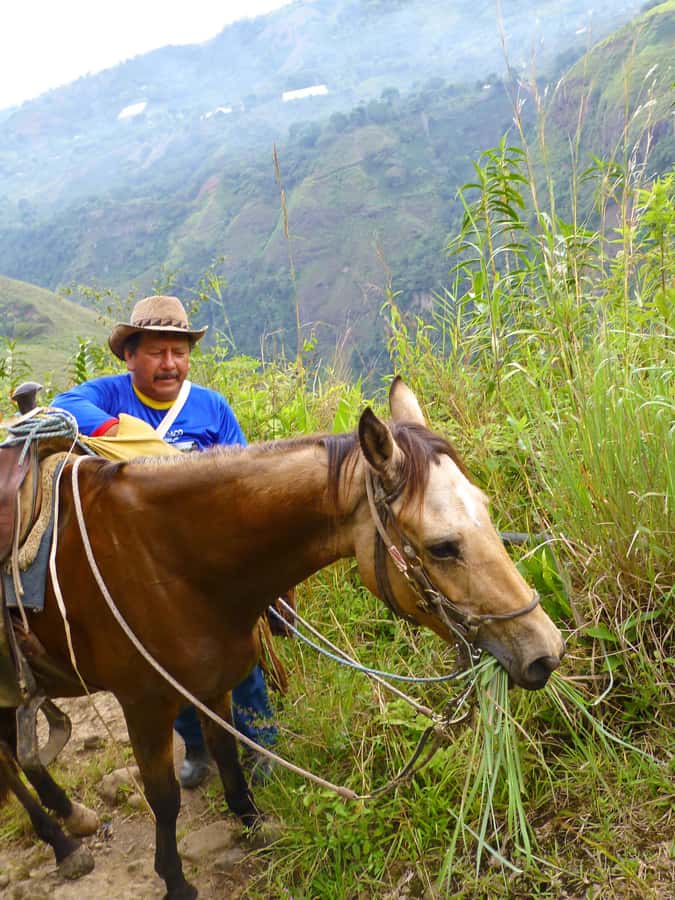
San Agustín is not a single archaeological site you can quickly walk around. Ancient statues and burial monuments are spread through the countryside, with roads, paths, slopes, and open viewpoints linking them. A horseback tour gives you a practical way to connect several places in one half-day without spending the whole time in a vehicle.
You also see the area at a slower pace. That matters here. The ride is not just transport between stone figures. The open views and changing countryside help explain why these monuments feel connected to the land around them.
I would not choose this tour only for the riding. The strongest reason to book is the combination of riding and interpretation. Your guide explains the meaning of the statues and monoliths at each stop, so you get more than a photo beside an old stone figure.
The route is designed for different levels of riding ability. Children, first-time riders, and experienced riders can all be accommodated, with the guide adjusting the experience to your needs. Still, suitable for beginners does not mean effortless. You should be comfortable spending several hours on horseback and handling a moderately active outdoor excursion.
A few more Colombia day trips to weigh up
- Cartagena: Horseback Riding on the Beach at Sunset
★ 4.9 · 203 reviews - Medellin: Horseback Riding Coffee Farm Tour with Coffee Spa
★ 4.8 · 151 reviews - Medellin: Horseback Riding in the Medellin Mountains
★ 4.8 · 139 reviews
Starting at your hotel in San Agustín
Pickup is unusually direct. The guide brings the horse to the front of your hotel, picks you up there, and starts the tour. You do not need to arrange a separate transfer to a stable or meeting point.
That detail saves time and removes one common source of confusion. Even so, confirm the pickup timing and exact hotel arrangement when you book, since the supplied details specify hotel-front pickup rather than a particular departure hour.
The tour lasts four hours, with starting times based on availability. A small group can make the ride easier to manage, especially when riders have different levels of confidence. The booking information gives a limit of 10 participants in one place and a maximum of 15 in another. I would ask the operator which limit applies to your date if group size matters to you.
Chaska Tours runs the experience. Pacho is described as the main guide and has more than 25 years of guiding experience, but your assigned guide may be someone else. Previous departures have included Milton, who was praised for clear explanations and a friendly manner, and Luna, who provided the tour in German. Guides may work in Spanish, English, French, or German.
La Chaquira and the first big views
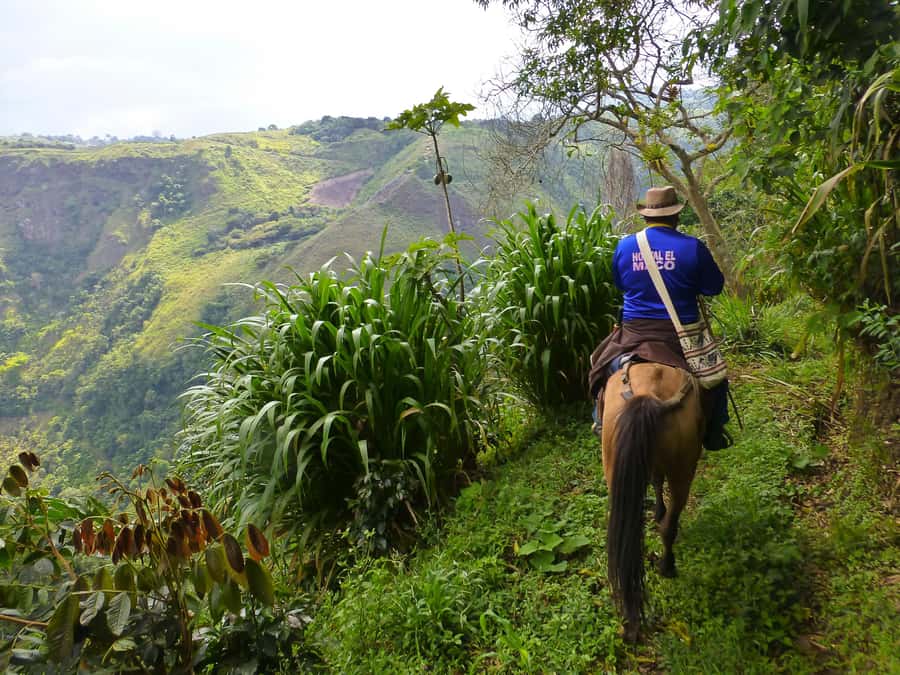
La Chaquira is one of the key stops on the route. You receive about 30 minutes for a visit, photos, and a break. The site is valued as much for its setting as for its carved figures, with broad views that make this a natural place to pause.
Your guide provides context about the carvings and their place among San Agustín’s monuments. That explanation is important because the meaning of the figures is not always obvious from a quick look. You will have time to listen, take pictures, and enjoy the view before continuing.
The stop is also a good test of how you feel on the horse. If you are a first-time rider, the first part of the tour gives you a chance to settle into the pace before the route continues. Wear clothes you can move in and shoes that stay secure. Riding gear is included, but you should still dress for an outdoor activity and changeable weather.
Poor weather can cancel the tour. If that happens, you are offered another date or a full refund. This is useful flexibility, but it also means you should avoid placing the ride on the only open day of a tightly packed Huila itinerary.
La Pelota and the preserved colors
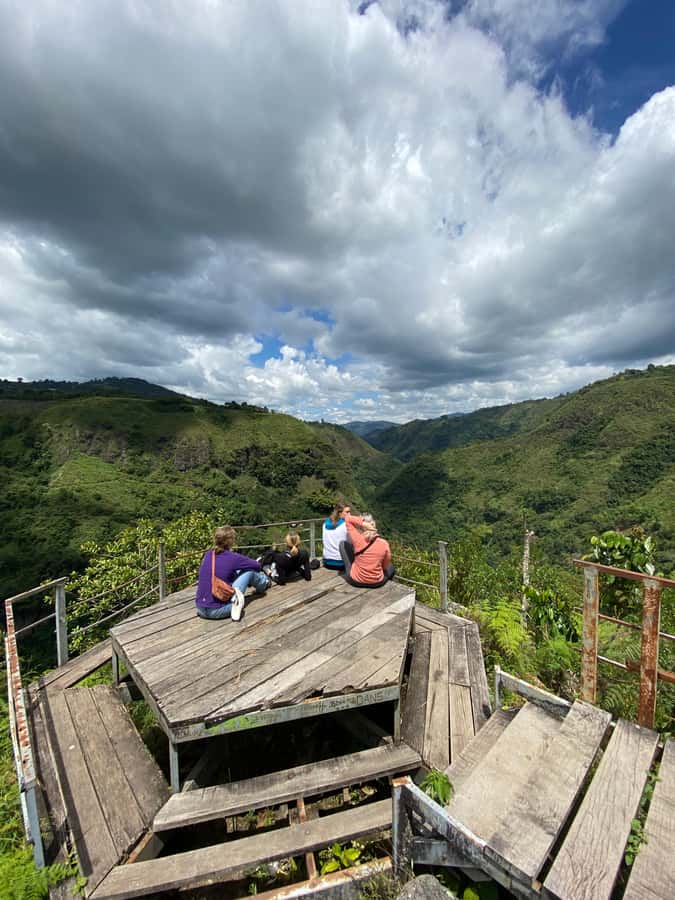
La Pelota, also called La Pelota, Estatuas a Color, is the stop with a separate admission fee included in the tour. You get another 30-minute visit, photo stop, and break here.
The colored statues are the visual highlight for many people. Unlike plain gray stone figures, these carvings retain traces of their original colors. The paint makes the ancient work easier to imagine as it may once have appeared, rather than as weathered stone alone.
I would give this stop your full attention instead of rushing through it for pictures. Ask your guide about the figures, the surviving pigments, and what the colors tell us about the way these monuments were made. The supplied information does not promise a set lecture or specific details about every statue, so the depth of the explanation may depend on your guide and language choice.
Admission to La Pelota is included, along with taxes and insurance. That improves the value of the $90 price, since you are not paying the tour fee and then adding several separate charges at the gate.
Same city, a completely different kind of day:
- Medellin: Comuna 13 Graffiti Tour, Cable Car & Street Food
★ 4.8 · 9,046 reviews - Medellín: The Real Pablo Escobar Tour
★ 4.8 · 3,205 reviews - Cartagena: Historic Center and Getsemaní Shared Walking Tour
★ 4.9 · 2,716 reviews - Cartagena: Rosario Islands Catamaran with Lunch and Snorkel
★ 4.5 · 2,479 reviews
El Purutal and El Tablón
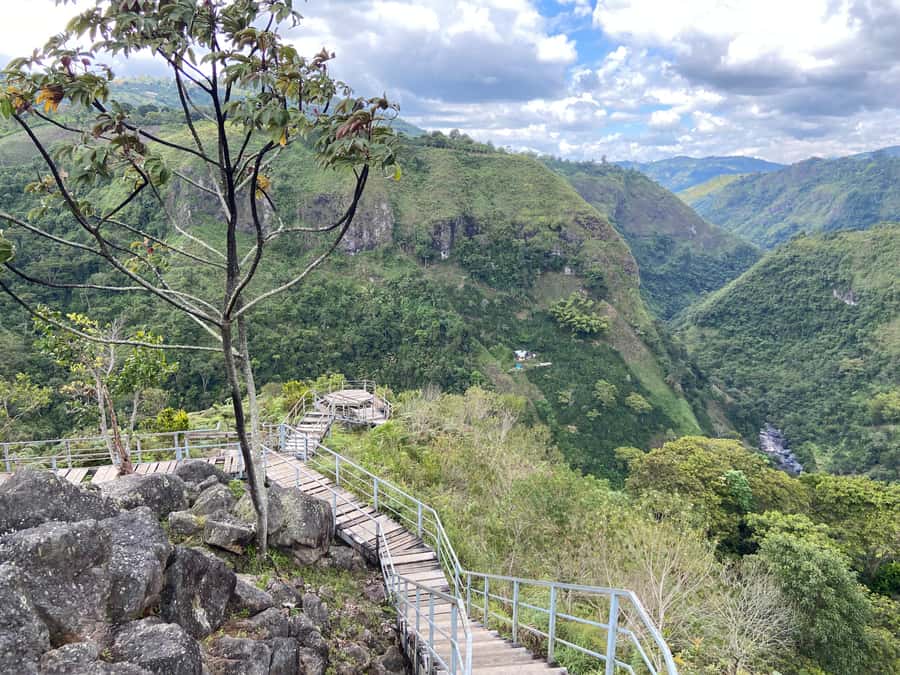
The tour also highlights El Purutal and El Tablón, two more archaeological locations in the San Agustín area. Both are part of what makes this ride different from a short visit to one central park.
El Purutal is particularly notable for its painted statues. Seeing it alongside La Pelota helps you notice a wider pattern in the region: these monuments were not always intended to be bare stone. Your guide’s explanation can help you connect the artwork, color, and ceremonial purpose without turning the visit into a rushed list of dates and names.
El Tablón adds another stop to the route and gives the ride a broader archaeological range. The available schedule does not assign a separate visit length to every site, so the exact balance between riding time and stop time may vary. If you want long periods at each monument, ask for the detailed route before paying.
That is the tradeoff of a four-hour outing. You can reach several sites in one morning or afternoon, but you are not getting a full archaeological study of each one. For a first look at the San Agustín area, that coverage is useful. For serious archaeology fans, it may work best as one part of a longer visit.
What the guide adds to the ride
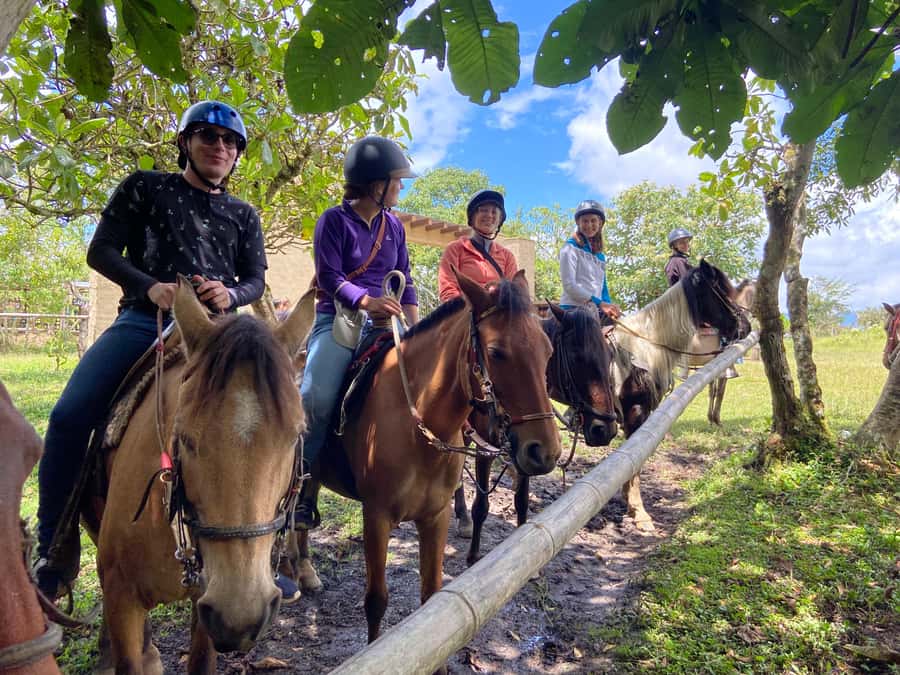
The guide is the difference between a pleasant horse ride and a meaningful archaeological outing. Pacho’s more than 25 years of guiding experience is a strong reason to request him if he is available, though assignments are not guaranteed.
The experience has also been offered with Milton and Luna. Milton guided in a friendly, informative way, and Luna led a German-language ride with extensive explanations. Those details matter if you are choosing the tour partly for language access.
You can book in Spanish, English, French, or German, but one French-language assessment raised a practical concern about a large price difference between Spanish and other languages. The actual difference is not stated here, so I cannot calculate it. I would ask Chaska Tours for the price in your preferred language and the reason for any supplement before booking.
The guide also helps match the horse to the rider. That matters for families and beginners, but it does not remove the need to speak up. Tell the guide about your riding experience, comfort level, and any concern before leaving the hotel.
Is $90 a fair price?
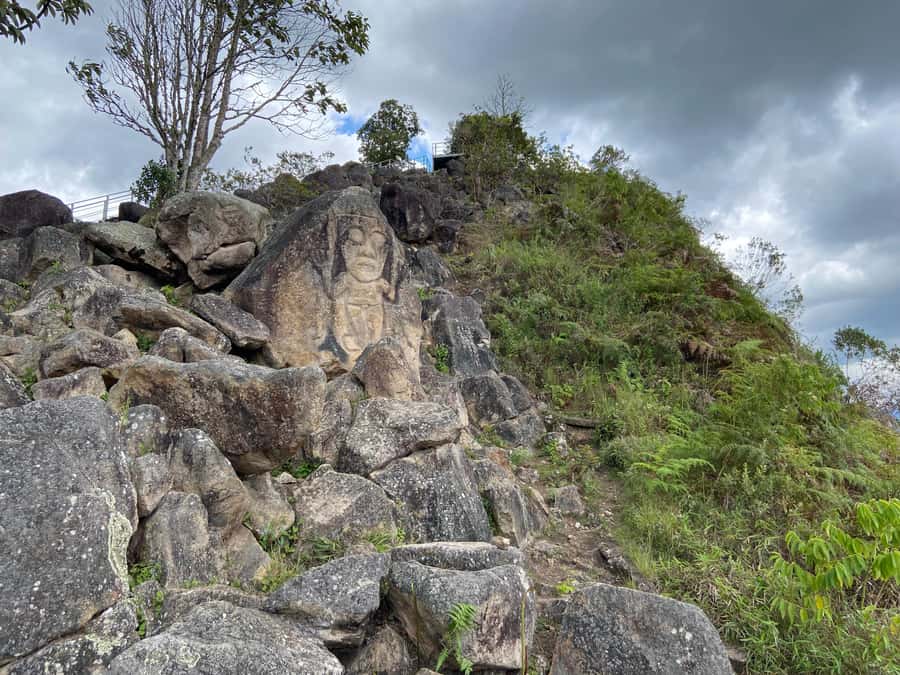
At $90 per person, this is not the cheapest way to see San Agustín. The value depends on what you want from the day.
The fee includes horse riding gear, hotel pickup by horse, all taxes and fees, insurance, and admission to La Pelota. You are also paying for four hours of guiding, several archaeological stops, and the practical benefit of moving between sites without arranging separate transport.
For a person who wants only a short horseback ride, $90 may feel high. For someone who wants an organized half-day combining riding, interpretation, and archaeology, the price is easier to justify. The included admission and pickup reduce the number of extra costs and decisions.
Language can affect the price. Since one French-language booking raised concern about a substantial difference compared with Spanish, confirm the final amount in writing. This is the one area where I would not assume all language options cost the same.
The small-group setup adds value if it is honored. A group of 10 is easier for a guide to manage than a large trail ride, and beginners usually benefit from individual attention. Because the information also gives a maximum of 15, ask about the expected number of riders for your date.
Fitness, weather, and who should skip it
You need a moderate level of physical fitness. The tour is four hours long, and even a calm horse ride can be tiring for your legs, hips, and back. Beginners can take part, but you should not book this as a completely passive sightseeing trip.
The activity is not suitable for pregnant women, people with back problems, wheelchair users, or people with pre-existing medical conditions. The restrictions are worth taking seriously, especially because the route includes outdoor riding and archaeological stops rather than a vehicle-based visit.
Alcohol and drugs are not allowed. Good weather is required, and poor conditions can lead to a new date or a full refund.
I think the tour fits adults and families who want an active way to see the monuments, as well as experienced riders who prefer countryside routes to standard transport. It may not suit anyone who wants long, quiet time at one site, has limited mobility, or feels uneasy about spending several hours on horseback.
How to get the most from your four hours
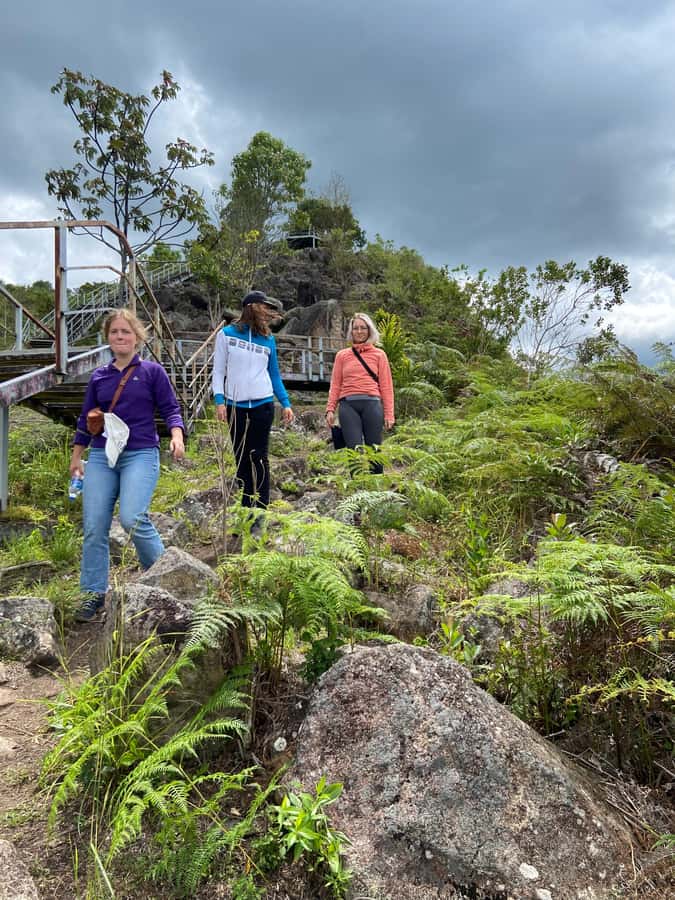
If you have not yet visited the main San Agustín Archaeological Park, consider doing that first. One French-language assessment specifically suggested this order, and it makes sense: the park can give you basic context before you see the outlying statues on horseback.
At each stop, use the break for both photos and questions. Ask about the purpose of the monuments, the figures’ original colors, and how each site relates to the wider San Agustín area.
Keep the day simple. The tour already includes pickup, horses, gear, and admission to La Pelota, so you do not need to build a complicated transport plan around it. Check availability for the start time, then allow room in your schedule in case weather affects the ride.
The tour has earned a perfect rating from four published assessments, with praise focused on the views, punctual organization, friendly guiding, and clear information in several languages. That is a small sample, so I would treat it as encouraging rather than final proof. The consistent theme is clear, though: the ride works best when you value the scenery and the guide’s explanations as much as the archaeological stops.
Should you book the San Agustín horseback tour?
Book it if you want to see several San Agustín sites in one active half-day, enjoy wide countryside views, and like having a guide explain what you are looking at. It is especially appealing for families, beginners who want a tailored horse, and visitors who need English, French, German, or Spanish support.
Skip it if you have back problems, limited mobility, a medical condition that makes riding unsafe, or only want a short and purely archaeological visit. At $90, the tour is best value when you use all four hours and appreciate the included pickup, equipment, insurance, taxes, and La Pelota admission.
Before confirming, ask which guide will lead your ride, what language surcharge applies, and whether your group will be closer to 10 or 15 people. With those details clear, this is a practical and memorable way to connect San Agustín’s statues with the countryside around them.
FAQ
How long does the horseback riding tour last?
The tour lasts four hours, including riding, archaeological visits, photo stops, and breaks.
Where does pickup take place?
Pickup is in front of your hotel in San Agustín. The guide brings the horse to the hotel and starts the tour there.
Which archaeological sites does the tour visit?
The experience highlights La Chaquira, La Pelota, El Purutal, and El Tablón. The listed schedule specifically gives a 30-minute visit at La Chaquira and a 30-minute visit at La Pelota.
Is admission included?
Admission to La Pelota, Estatuas a Color, is included. All fees and taxes are also included.
What languages are available?
The tour can be offered in Spanish, English, French, or German. Guide assignment depends on availability.
Is the tour suitable for beginners and children?
Yes. The horses are suitable for children, beginners, and experienced riders, and the guide can tailor the tour to your needs and preferences.
How many people can join the tour?
The experience is described as a small group limited to 10 participants, while another booking detail gives a maximum of 15 travelers. Confirm the expected group size for your date.
What happens if the weather is bad?
The tour requires good weather. If poor weather causes cancellation, you will be offered a different date or a full refund.
Just added around Colombia
- Fun Graffiti Workshop: The Art of Aerosol and Color★ 5.0 · 3 reviews
- Gastronomic and musical experiences in San Andres Rondontour★ 4.7 · 3 reviews
- Cartagena: Ecoplan on Barú, Aviary and Oceanarium in one day★ 3.3 · 3 reviews
- CARTAGENA, EXCLUSIVE launch for Rosario and Baru Islands★ 5.0 · 3 reviews
- Zipaquirá: Private Salt Cathedral Mine and Walking Tour★ 4.8 · 3 reviews
- Cartagena: Day Tour to Tierra Bomba Island★ 3.2 · 3 reviews
- Villavieja: Tatacoa Desert Horseback Riding Tour★ 5.0 · 3 reviews
- photo session through the streets of cartagena★ 5.0 · 3 reviews
Horses, compared.
Cartagena: Horseback Riding on the Beach at Sunset
Read our review →
Medellin: Horseback Riding Coffee Farm Tour with Coffee Spa
Read our review →
Medellin: Horseback Riding in the Medellin Mountains
Read our review →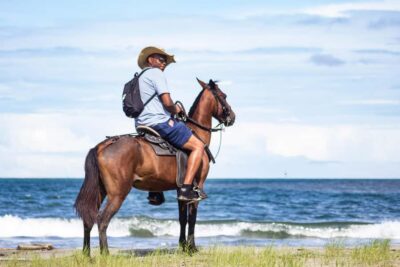

Scenic Horseback Riding in the Medellín Mountains
Read our review →
Coffee Tour with arrival on horseback and sugar cane processing
Read our review →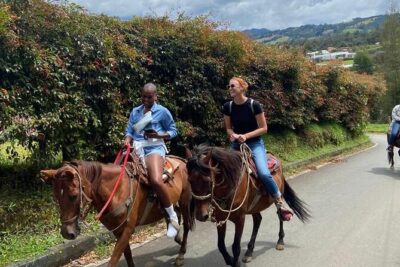
Medellin: Horseback Riding Adventure In Nature (Don’t Overpay)
Read our review →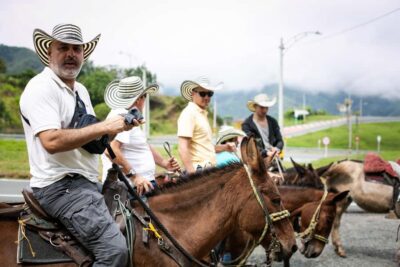
Medellin: Coffee Tour, Horseback Arrival, and Sugar Cane
Read our review →Browse the lists this tour appears in