
Reviewed · CALI TOURS
Cali: Walking Tour of the 11 Neighborhoods of Commune 20
Cali’s MIO cable car gives this experience an immediate lift, quite literally. You rise above the city toward Commune 20, then continue on foot through Siloé and its 11 neighborhoods, where murals, salsa traditions, local legends, and community-led change shape the visit. It is part sightseeing tour, part history lesson, and part serious uphill walk.
I like the mix of wide city views and close-up street art, since you get both the big picture and the details at street level. I also like that local guides such as Miguel, Juan Carlos, Jorge, William, and Pablo are central to the experience. The main drawback is physical: you walk about 3 kilometers, including steep inclines, and the tour is not suitable for children under 10, pregnant women, or people with mobility impairments.
Key points to know before you go
- The MIO cable car is part of the experience: You ride from Terminal MIO Cañaveralejo and return there at the end.
- Four themed stations add structure: Cañaveralejo focuses on transportation, Tierra Blanca on salsa, Lleras Camargo on green spaces, and Brisas de Mayo on myths and legends.
- Siloé is explored on foot: Expect roughly 3 kilometers of walking, with steep sections that require decent fitness.
- Community action is a central theme: Your guide explains how residents worked toward positive change in Commune 20.
- A typical drink is included: You get a small taste of local Cali culture, while dinner remains your responsibility.
- The price includes useful basics: At $65 per person, you get the guide, cable car admission, a local drink, and medical assistance insurance.
Riding above Cali from Cañaveralejo
Your meeting point is the main door of Terminal MIO Cañaveralejo Station, on 5th Street. This is not a hotel pickup, so plan your own way to the station and allow enough time to find the correct entrance. Your guide should be waiting there.
The cable car is not just transport to the walking section. It is one of the most memorable parts of the outing. As the car climbs, you can take photos of Cali from above and watch the city spread out beneath you. The ride gives you a useful sense of how Commune 20 sits in relation to the rest of Cali before you start walking through it.
I would keep your camera ready, but also listen closely during the ride. The guide uses this opening stretch to place the neighborhood in context. You are not simply being carried from one point to another. You are beginning to understand the city’s shape and the route’s connection to daily life in the hills.
The supplied timing describes the cable car ride as one hour, a three-hour guided visit in Siloé, and another one-hour cable car segment. Yet the overall activity is advertised as four hours, with a return at 7:00 PM. Those figures do not line up neatly, so check the starting time and expected end time when booking. It may include waiting and touring time in the cable car blocks, but you should not assume the schedule is exact.
More Walking Tours in Cali
- The Cali Street Food Walking Tour
★ 5.0 · 81 reviews - Cali: Walking tour of the historic center
★ 5.0 · 69 reviews - Afro Walking Tour. The colors of Cali.
★ 5.0 · 61 reviews
Cañaveralejo and the story of transportation
The first thematic stop is Cañaveralejo. Here, the focus is transportation. That may sound less colorful than salsa or graffiti, but it gives the route a practical starting point.
Transportation helps explain how neighborhoods connect to the city and how the MIO system changed access to the hills. Your guide can tie the cable car itself to that broader story, showing why a ride that feels scenic to you matters as a daily link for local residents.
This is also where you can get comfortable with the pace of the activity. The tour combines riding, standing, listening, taking photos, and walking. If you prefer a fast list of photo stops, this may feel slow. If you want to understand how a public transit project relates to a neighborhood, the stop earns its place.
Tierra Blanca brings in Cali’s salsa tradition
At Tierra Blanca, the subject shifts to salsa. Cali is closely linked with this music and dance tradition, and the tour uses the station as a way to connect local culture with the streets you are visiting.
Expect your guide to explain how salsa fits into neighborhood identity rather than treating it as a separate show for visitors. The experience does not promise a dance performance or a formal class, so come for the stories and cultural setting, not for a staged spectacle.
This stop is especially useful if you know little about Cali before arriving. It gives you a cultural reference point that will help you read the murals, hear local anecdotes, and understand why music is such an important part of the city’s public life. You may also want to leave room in your afternoon for your guide to adjust the emphasis to your interests. One past booking specifically noted that the guides offered options about what to see.
Lleras Camargo offers a pause among green spaces
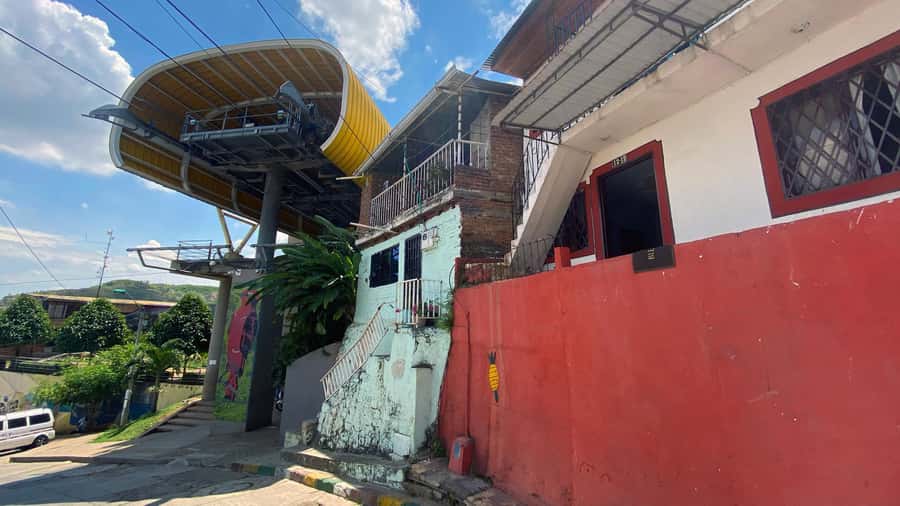
Lleras Camargo is the green-space stop. After the noise and movement of the cable car and the concentrated storytelling at the earlier stations, a quieter pause can be welcome.
The value here is not a long nature walk. The tour remains focused on Commune 20, its neighborhoods, and its community life. Instead, this stop shows that the area is more than buildings, roads, and painted walls. Pockets of greenery affect how people use a neighborhood and how a district feels from street level.
Because the tour involves hills and about 3 kilometers of walking, use this stop to catch your breath and drink some water. Comfortable shoes are essential. The activity takes place rain or shine, so practical clothing matters more than looking polished.
Same city, a completely different kind of day:
- Shared Tour Cali’s Historical Downtown
★ 4.8 · 143 reviews - Historical Shared Tour Salsa, Graffiti & Resistance in Cali
★ 5.0 · 107 reviews - San Cipriano Rainforest – River, Waterfalls and Adventure Day
★ 5.0 · 73 reviews - Cali: Street Food Tour
★ 4.8 · 71 reviews
Brisas de Mayo and local myths
The final thematic station is Brisas de Mayo, where the guide introduces local myths and legends. This can be one of the most personal parts of the route because stories passed through a community reveal how residents see their own streets.
Do not expect a museum-style presentation with signs and display cases. The point is to hear local accounts in the place where they belong. A good guide can make this section feel like a conversation rather than a lecture, and the guide team’s friendly approach is one of the strongest features of this experience.
The available feedback repeatedly singles out Miguel, with several visitors calling him friendly, entertaining, and very good on local history. Other praised guides include Jorge, Juan Carlos, William, Pablo, and Juan. Since the guide assigned to your departure may vary, you should think of these names as members of the provider’s guide team rather than a promise that one specific person will lead your tour.
Walking through Siloé and Commune 20
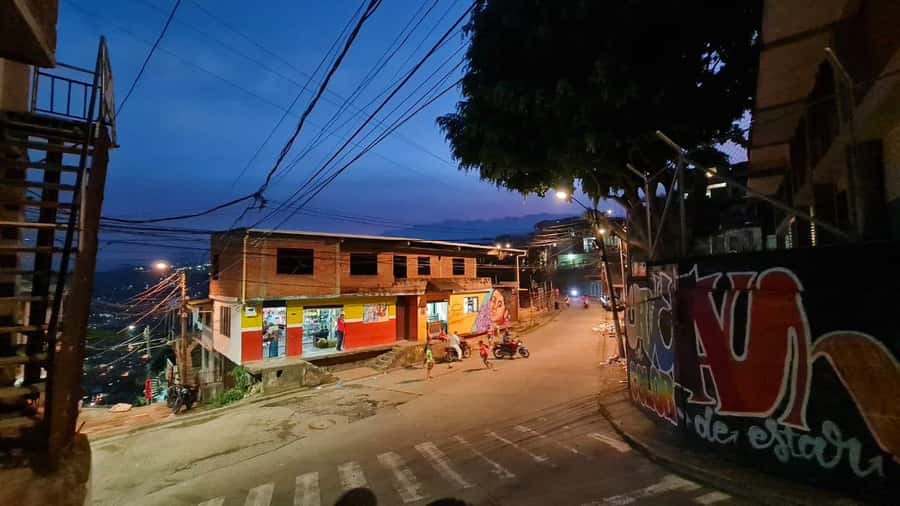
The walking section takes place in Siloé, within Commune 20. The route visits parts of the 11 neighborhoods and focuses on art, culture, and the changes created through community action.
That last point matters. This is not a tour that presents the area only through hardship or warnings. Your guide explains why residents sought positive change and how local action helped reshape the way the neighborhoods are seen and experienced. The result is a more respectful visit, one that treats the community as a living place rather than a backdrop for photographs.
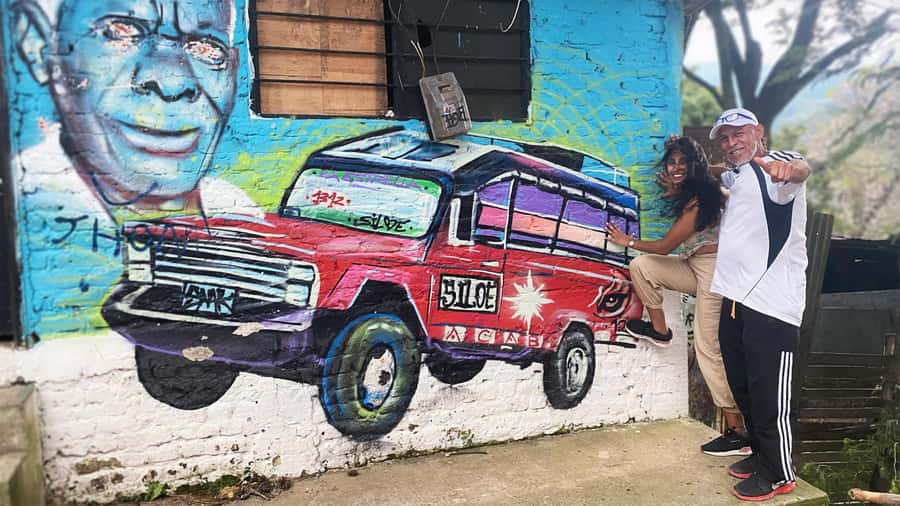
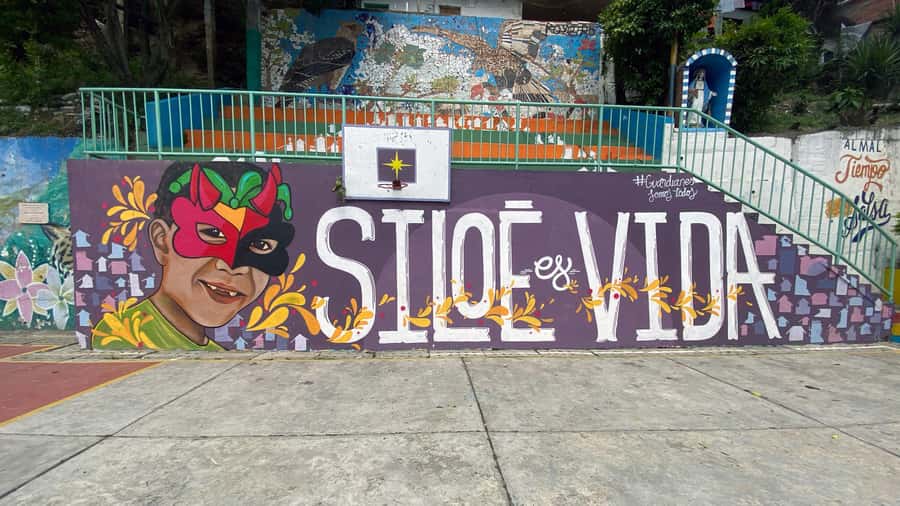
You will have chances to see graffiti and street art by different artists. The art gives the walk visual energy, but it also provides a way into local concerns, pride, memory, and identity. Since murals can change, fade, or be replaced, the exact works you see may vary. The useful part is the guide’s explanation of the people and ideas behind the walls.
This is also where the physical demands become clear. One past participant felt safe during the visit but warned that you should not go if you are unable to manage steep inclines. That is practical advice. The listed distance is about 3 kilometers, but hills can make a short distance feel much longer.
A local drink, not a full meal
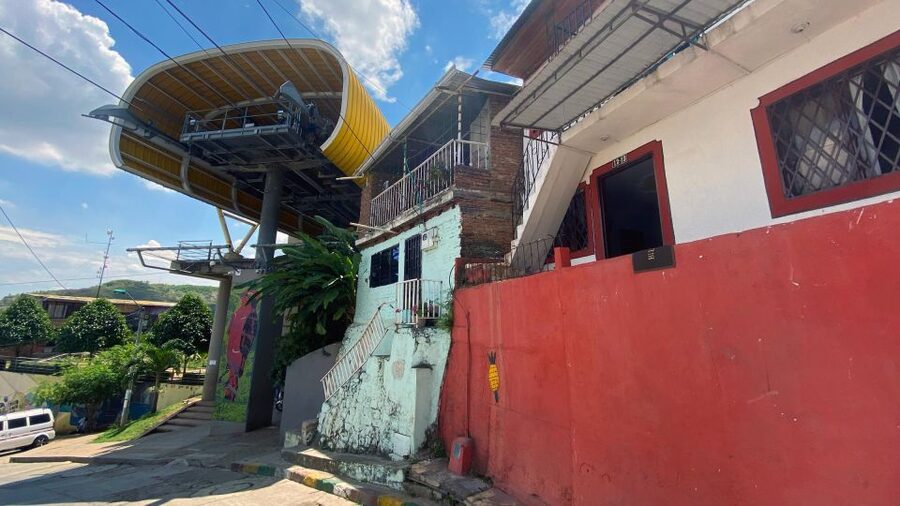
A typical local drink is included during the walk. It is a small but worthwhile part of the outing because it lets you try something connected to Cali rather than spending the whole time looking at the city from the outside.
The drink is not a substitute for dinner. Dinner is not included, and you should plan to eat separately before or after the tour. Cash is also recommended, so bring some Colombian pesos for any personal purchases or food you may want later.
This is the sort of detail that helps keep expectations sensible. The $65 price covers the experience’s main components, but it is not an all-inclusive evening. You are paying for access, guiding, interpretation, and a local taste, not a meal package.
Is $65 a fair price?
At $65 per person, this is more expensive than a basic self-guided ride on public transit, but the comparison is not quite fair. The cable car fare alone does not give you the neighborhood context, the themed stops, the street-art walk, the local drink, or the guide’s interpretation of community change.
You also receive medical assistance insurance, which is a useful inclusion for an active walking tour. Hotel transportation and dinner are not included, so add those costs when setting your budget.
I see the value most clearly if you want a guided introduction to Commune 20 and would otherwise feel unsure about how to approach the area. You are paying for access to local knowledge and for a route with a clear purpose. If you are comfortable using public transport, walking independently, and researching the neighborhood on your own, you may find the price harder to justify.
The strong overall rating of 5 from 10 reviews supports the view that the guide service is a major part of what you are buying. The most repeated praise centers on friendly hosts, strong local knowledge, an authentic feel, and a sense of safety during the visit. Ten reviews are still a small sample, so I would treat that rating as encouraging rather than absolute proof that every departure will be identical.
Who will enjoy this tour most?
I would choose this for an active visitor who wants more than Cali’s familiar central sights. It suits you if you enjoy public art, neighborhood stories, public transportation, salsa culture, and conversations about how communities improve their own surroundings.
It also works well if you prefer a guide who can explain what you are seeing as you go. Several comments describe the experience as fun, interesting, authentic, and good exercise. Those descriptions fit the format: you get cultural interpretation, but your legs do some of the work.
You should think twice if you dislike hills, rain, informal neighborhood walks, or a schedule that may shift. The activity is not suitable for children under 10, pregnant women, or people with mobility impairments. Comfortable shoes and clothes are specifically advised, and I would take that seriously.
The tour is offered in English and Spanish. If language is important to your experience, select the option that lets you follow detailed explanations and ask questions comfortably.
Practical advice for a smoother afternoon
Wear shoes with a secure sole, not sandals that make steep walking awkward. Choose light, comfortable clothes that can handle rain, since the tour operates in all weather.
Bring cash, water, and a way to protect your phone or camera from rain. The official instructions only require comfortable shoes, comfortable clothing, and cash, but the walking distance and weather policy make those extra precautions sensible.
Keep your belongings close in the same ordinary way you would on public transit in any large city. I would avoid carrying more camera gear than you need. The best photographs will come from being ready during the cable car ride and from noticing the details of the murals, not from bringing a heavy kit.
Expect a social experience rather than a private sightseeing bubble. The guide may offer choices about what to see, and the pace may depend on the group and the neighborhood route. That flexibility can be a plus, but it means the afternoon is not designed like a tightly timed museum visit.
Should you book the Commune 20 walk?
Book it if you want to combine a memorable cable car ride with a thoughtful walk through Siloé. The strongest reasons are the four themed stations, the local guide team, the street art, and the honest focus on community action. Miguel, Juan Carlos, Jorge, William, Pablo, and Juan have all been associated with especially warm and engaging guiding on different departures.
Skip it if steep hills or a three-kilometer walk would make the afternoon stressful. Also check the timing before paying, since the advertised four-hour duration does not match the separate one-hour, three-hour, and one-hour segments exactly.
For the right person, $65 buys more than views. It gives you a way to meet Cali through its transport system, music, art, stories, and residents’ efforts to shape their own neighborhoods. That is a worthwhile choice for an active visitor looking for a more local side of the city.
FAQ
Where does the tour begin?
It begins at Terminal MIO Cañaveralejo Station. Your guide meets you at the main door of the station on 5th Street.
Where does the tour finish?
The experience returns to Terminal MIO Cañaveralejo.
How long is the tour?
The activity is advertised as lasting four hours. The scheduled return is at 7:00 PM, and you should check the available starting time when booking.
How much walking is involved?
You will walk about 3 kilometers, including steep inclines.
Is the MIO cable car included?
Yes. Admission to the MIO cable car is included in the price.
What language is the tour offered in?
The tour is available with a live guide in English or Spanish.
Is food included?
A typical local drink is included. Dinner is not included.
What should you bring?
Bring comfortable shoes, comfortable clothes, and cash. The activity takes place rain or shine.
Who should not join this activity?
The tour is not suitable for children under 10, pregnant women, or people with mobility impairments.
Just added around Cali
- From Cali: Whale Watching Day Trip in Buenaventura★ 4.6 · 3 reviews
- Cali: Three hours walking Cali City discovery tour★ 4.7 · 3 reviews
- Cali: Two hours walking Cali City discovery tour★ 5.0 · 3 reviews
- Private Tour on a 1100cc Cruiser Motorcycle★ 5.0 · 4 reviews
- Cali: Pico de Loro Trekking Adventure – Farallones de Cali★ 5.0 · 4 reviews
- Craft Beer Pub Crawl in Cali★ 5.0 · 4 reviews
- Cali: Comuna 20 Siloé Street Art Tour★ 5.0 · 4 reviews
- Flavors of Cali: Food tour at the local market★ 5.0 · 5 reviews
Cali Tours, compared.
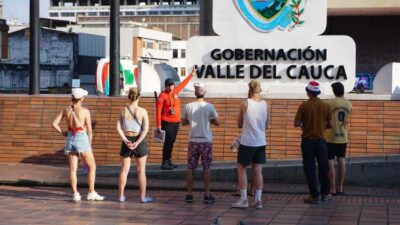
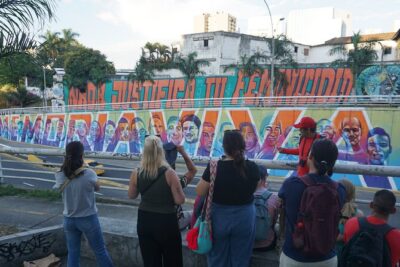
Historical Shared Tour Salsa, Graffiti & Resistance in Cali
Read our review →
San Cipriano Rainforest – River, Waterfalls and Adventure Day
Read our review →
Browse the lists this tour appears in