Reviewed · VIP
Amazon Unveiled: Private Ancestral Immersion & Conscious Luxury
The most unusual part of this five-day Amazon trip is how quickly it leaves ordinary Colombia behind. You start at Leticia, then travel 70 kilometers by boat to Puerto Nariño, a car-free river town where your days move by canoe, on foot, and along muddy forest trails. One night is spent in a private jungle cabin run by a local Ticuna family, with a wood-fired dinner and a night walk nearby.
I like the mix of wildlife and community life. You are not simply looking for animals from a boat. You visit Indigenous communities, learn about natural medicine, see a primate rescue center, and cross the Amazon into Peru. I also like the thoughtful practical touches: airport transfers, rubber boots, four breakfasts, four lunches, four dinners, and an English translator in Puerto Nariño.
The main consideration is physical. Expect hot, humid conditions, slippery paths, steep creek banks, mud, board crossings, and small boats. You need decent fitness and comfort with getting wet. Some accommodation may have no hot water, and Wi-Fi is limited to the Wikungo hotel lobby, so this is a jungle trip with a few comforts, not a polished resort holiday.
Six details that shape the experience
- A 70-kilometer river ride replaces the usual road transfer: The journey from Leticia to Puerto Nariño gives you an immediate sense of how the Amazon works.
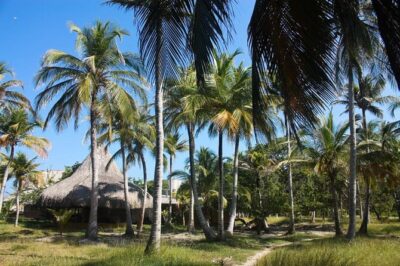
- Your first night is in a Ticuna family’s jungle cabin: Dinner is cooked over wood, followed by a look at nocturnal forest life.
- You cross into Peru by private boat: Cacao Island and San Antonio del Cacao add a cross-border, community-based side to the trip.
- Tarapoto Lakes combine wildlife and action: You can fish for piranha, swim in the lake, and search for pink and gray river dolphins.
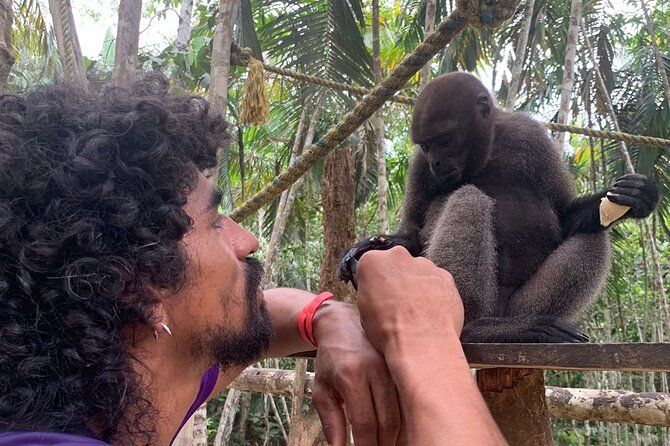
- Maikuchiga brings conservation into the itinerary: Rescued woolly monkeys, capuchins, and squirrel monkeys are part of a serious rehabilitation effort.
- The trip is private: Only your group participates, which makes it easier to adjust the pace for photography, weather, and comfort.
Leaving Leticia for Puerto Nariño
Your trip begins with a private welcome at Leticia’s port. From there, the boat covers about 70 kilometers along the Amazon to Puerto Nariño, usually the first big shift in your sense of time and distance. The river is not just scenery here. It is the highway, meeting place, and daily reference point for the communities along its banks.
Puerto Nariño is Colombia’s first certified sustainable town and has no normal motor traffic. You walk among colorful wooden houses rather than dodging cars and motorcycles. A few tractors operate in town, but the calm is one of the place’s defining pleasures.
After seeing the town, you walk roughly 2 kilometers into the rainforest to your private jungle cabin. It is managed by a local Ticuna family, so the first night has a more personal feel than a standard lodge stay. Dinner is prepared over a wood fire, and the evening includes a look at the forest after dark.
Bring a flashlight. The night walk is one of the trip’s most memorable elements, but darkness, humidity, and uneven ground make it a different kind of outing from a daytime stroll. A guide such as Carlos has led this part of the experience, bringing strong knowledge of plants and animals to the forest after sunset.
A few more Colombia day trips to weigh up
- Bogotá: Private City Tour, Monserrate, Emerald and Botero
★ 4.9 · 798 reviews - Medellín: Private City Tour with Metrocable and Comuna 13
★ 4.9 · 330 reviews - Bogota: Salt Cathedral of Zipaquira Private daily Trip
★ 4.8 · 262 reviews
Sunrise, Pirarucú, and Victoria Regia
Day two begins early, with a misty sunrise among giant trees and the sounds of the morning forest. That early start matters. The Amazon is cooler and quieter then, and the changing light gives you better conditions for watching birds and other wildlife.
A morning walk leads to the Wochine reserve, where you have a traditional breakfast and encounter two of the region’s most striking natural features. The pirarucú is the Amazon’s largest scaled fish, a prehistoric-looking creature that can reach an impressive size. Victoria Regia, the enormous Amazonian lotus, gives you a completely different kind of spectacle, with broad floating leaves that look almost too large to be real.
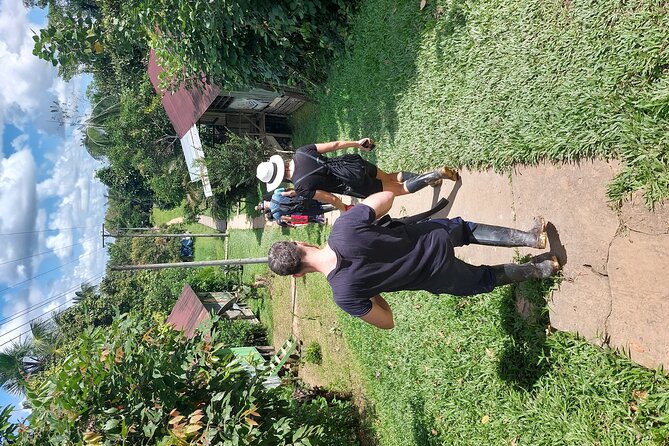
The outing lasts about five hours, so pace yourself. The heat builds quickly, and trails may be wet or slick. Long sleeves and light-colored trousers help with sun and insects. The operator provides rubber boots, but you should bring thick socks to prevent rubbing.
The afternoon shifts from forest to town. You walk through Puerto Nariño’s wooden streets, meet local artisans, and visit the Natütama Museum. The museum focuses on the underwater world of the river, adding useful context to the fish, flooded forest, and river creatures you see during the rest of the trip.
This balance is important. You get wildlife, but you also learn how people live beside the river and why the town has chosen a lower-impact approach. Dinner follows in town, with typical Colombian food included as part of the package.
Peru by boat, with mythology and natural medicine
On the third morning, you cross the Amazon by private boat to Cacao Island in Peru. The border crossing is not treated as a quick photo stop. The day centers on forest, community life, and local traditions.
In the Yarumo forest, you search for the animal described in the program as the Sloth Bear. Wildlife sightings are never guaranteed, and the forest can be thick, so you should treat this as a tracking walk rather than a promise of a close encounter. The value is in moving slowly and learning how a guide reads the habitat.
You then visit San Antonio del Cacao, where the focus turns to daily life, Amazonian mythology, and traditional natural medicine. This is one of the strongest parts of the experience for anyone who wants more than a wildlife checklist. You are given a window into how local knowledge connects plants, stories, health, and the river environment.
Lunch is Peruvian and authentic to the area. With four lunches included during the five-day program, food is not an afterthought. You should still budget separately for alcoholic drinks, which are not included.
The boat ride and forest walking make this another active half-day. Small boats can feel cramped, especially in hot weather, and getting in and out requires balance. The private format helps because your group can discuss timing and comfort with the guide instead of being locked into a large group schedule.
Tarapoto Lakes at sunset
The afternoon takes you to Lake Tarapoto, a Ramsar protected site. The protected status matters because this is not simply a pretty swimming stop. The lakes support important wetland habitat and are closely tied to the region’s fish and river dolphin populations.
You can try artisanal piranha fishing, then swim in the lake beside pink and gray river dolphins. The wording matters here: dolphins may be present, but wildlife remains wild. You should enjoy the chance to see them without expecting them to perform on cue.
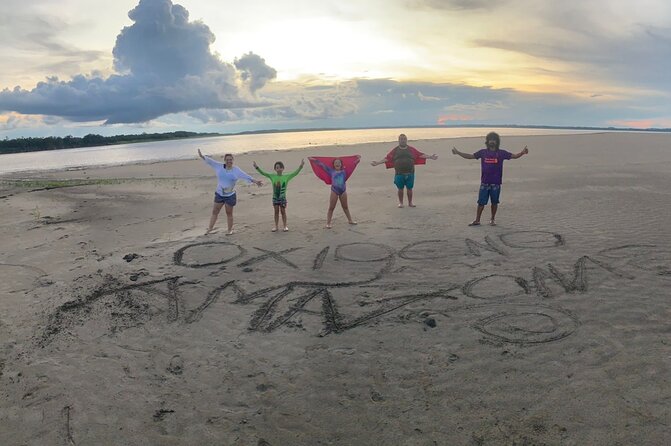
Sunset is the visual high point. From the water, the changing light and still surface create a quiet pause after the active parts of the day. After dark, a night safari offers the chance to look for black caimans and other nocturnal animals.
Bring a swimsuit, sunscreen, sunglasses, and insect repellent. A poncho or raincoat is also wise because tropical rain can arrive quickly. The day includes about five hours of activity, but the heat and time on the water can make it feel longer.
Same city, a completely different kind of day:
- Medellin: Comuna 13 Graffiti Tour, Cable Car & Street Food
★ 4.8 · 9,046 reviews - Medellín: The Real Pablo Escobar Tour
★ 4.8 · 3,205 reviews - Cartagena: Historic Center and Getsemaní Shared Walking Tour
★ 4.9 · 2,716 reviews - Cartagena: Rosario Islands Catamaran with Lunch and Snorkel
★ 4.5 · 2,479 reviews
Mocagua and the Maikuchiga primate center
Day four centers on Mocagua, an Indigenous community in the Loreto area. You walk among traditional houses and crops before following trails through both mainland and flooded forest.
The change between these forest types is useful to see. Flooded jungle alters how you walk, where animals live, and how communities use the land. Expect mud, uneven footing, steep creek banks, and sections where you cross on boards. This is the day when good shoes, even though rubber boots are provided, matter most.
The destination is Maikuchiga, a primate rehabilitation center. You may see rescued woolly monkeys, capuchins, and squirrel monkeys. The visit also introduces ethnobotany, the study of how plants are used by people. That gives the forest a practical dimension: plants are not just scenery, but part of food, medicine, building, and cultural life.
I especially like this stop because it links tourism with conservation in a direct way. You see animals that need care, learn why rehabilitation exists, and meet a local effort aimed at protecting Amazonian species. The experience does not pretend that the forest faces no problems. Deforestation and drought are real pressures in the wider region, and a responsible visit should leave you more aware of them.
One more sunset on the flooded forest
Later on day four, you return to the water and sail into the flooded jungle. This is another chance to seek pink river dolphins, fish by traditional methods, or swim in calm, reflective water.
The repetition is useful rather than wasteful. The Amazon changes with light, weather, and animal movement, so a second water outing gives you another chance to see something missed earlier. Still, if you prefer a packed schedule of different attractions, you may find the two dolphin and sunset outings somewhat similar.
The day finishes with another sunset on the river. It is a quiet close to a demanding day, and you return to town afterward. The schedule gives you four nights overall, with the first in the family-managed jungle cabin and the remaining stay connected with Puerto Nariño accommodation.
The final tower view and return to Leticia
On the last morning, you climb an observation tower for a final panoramic view and taste ice cream made from a local exotic fruit. It is a small detail, but a good one. After several days of mud, boats, and forest walks, a high viewpoint gives you a clear sense of the town and surrounding water system.
You then travel about two hours by boat back to Leticia. Airport transfer is included, which removes one of the day’s practical worries. A private Leticia and Tabatinga city tour in Brazil may also be added, depending on your flight schedule. If you arrived early on day one, that city discovery may take place then instead.
The triple-border setting is unusual, but the exact amount of time available for it depends on your flights. Do not plan a tight airport connection around extra sightseeing. Confirm the timing with the operator before booking flights.
Guides, language, and the private format
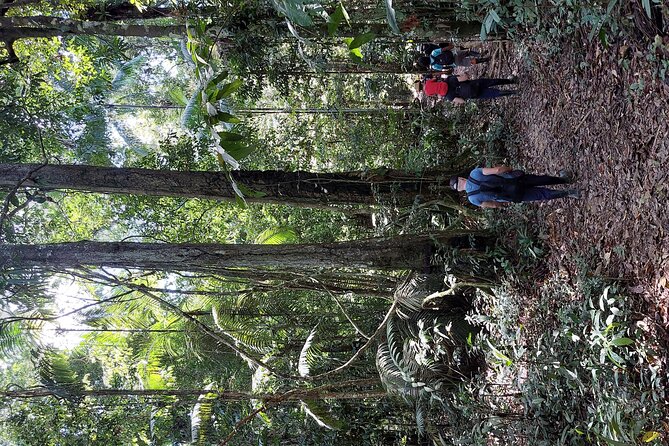
The operator provides an English translator in Puerto Nariño for all five days. Guides named in past arrangements include Pedro, Runa, Gato, Brandon, Carlos, Cielo, and Carmen, though the exact team can vary.
That language support matters because the best parts of the trip involve more than pointing out animals. You want help understanding Indigenous customs, plants, mythology, conservation work, and the names of species around you. Runa has also helped visitors with photography, while guides such as Pedro and Gato have led detailed walks through plants, animals, and local life.
Because this is a private activity, only your group takes part. I see that as a real advantage for photographers and anyone who prefers a slower pace. One past arrangement included flexible timing for photography, and the operator has also handled personal changes during a trip.
Private does not mean effortless. You still need to walk through mud, sit in small boats, and cope with tropical heat. It simply gives you more room to ask questions, pause for wildlife, or adjust an outing when conditions allow.
Comfort, meals, and what to pack
The accommodation is designed for the setting rather than luxury in the city sense. The jungle cabin offers an authentic first night, while the Puerto Nariño stay provides air conditioning and clean, comfortable rooms according to the arrangements described. Hot water may not be available, which is a minor inconvenience in a place where a cool shower can actually feel welcome.
Wi-Fi is available in the lobby of Hotel Wikungo, not as a constant connection throughout the jungle. Treat that as a chance to keep your phone useful for photos and maps rather than expect normal internet access.
Pack:
- A poncho or raincoat
- A flashlight
- Light-colored, long-sleeved shirts
- Long trousers
- Thick socks for the provided rubber boots
- Sunscreen, sunglasses, and mosquito repellent
- A swimsuit
- A camera and spare protection for wet conditions
The package includes four breakfasts, four lunches, and four dinners, plus airport transfers. Alcoholic drinks and the COP 50,000 departure tax per person are extra. Flights to and from Leticia are not included.
Is $1,103.90 a fair price?
At $1,103.90 per person, this is not a budget Amazon outing. But price alone misses what is included. You receive five days of private guiding, boat transport between Colombia and Peru, airport transfers, accommodation, meals, translation help, community visits, conservation experiences, and several full days on foot and water.
The value is strongest if you want a carefully handled, private trip rather than a basic lodge stay. You are paying for coordination in a remote area, local contacts, multiple guides, and a broad route that includes Puerto Nariño, Peru, Tarapoto Lakes, Mocagua, and Leticia.
It is less compelling for you if your main goal is a short wildlife cruise or a luxury hotel with reliable hot water and internet. The word luxury here means comfort within an active Amazon setting, not marble bathrooms or full resort service.
The operator has earned a 5 out of 5 rating from 31 listed ratings, with 100 percent recommending the experience. More important than the number is the pattern of praise: personal communication, smooth transfers, flexible scheduling, warm hosts, strong guides, good meals, and community support. One small boat pickup problem was resolved quickly, which is a useful reminder that river logistics can have minor glitches even when the overall planning is sound.
Who should book this Amazon trip?
I would choose this for you if you want a full five-day introduction to the Colombian Amazon with real contact with local communities and several kinds of wildlife outings. It suits active couples, families with older children, solo visitors, photographers, and anyone who wants a private guide rather than a fixed large-group program.
You should be comfortable with mud, humidity, long walks, basic jungle conditions, and uncertain wildlife sightings. Most people can participate, and service animals are allowed, but the terrain remains demanding. Ask about your specific mobility needs before booking.
The free cancellation policy allows cancellation at least 24 hours before the local start time for a full refund. Poor weather or failure to reach the minimum number of participants can lead to a different date, another experience, or a full refund.
Should you book it?
Book this trip if your ideal Amazon experience includes river travel, Indigenous culture, conservation, and active exploration, not just a hammock and a short boat ride. The best moments are spread across the program: the Ticuna cabin, the misty sunrise, the Peru crossing, Tarapoto at sunset, and Maikuchiga’s rescued monkeys.
Skip it if you need predictable weather, hot showers, strong internet, or easy paths. For everyone else, the five-day length is a smart choice because it gives the forest time to reveal itself. You get a serious taste of Amazon life, with enough planning and support to make a demanding place manageable.
FAQ
Where does the experience begin and end?
The experience begins with a private greeting at the port in Leticia. It ends with a boat journey back to Leticia and a transfer to Leticia Airport, subject to your flight schedule.
How long is the tour?
The tour lasts approximately five days and includes four nights.
Is the tour private?
Yes. Only your group participates in this private activity.
Is an English translator available?
Yes. An English translator is available in Puerto Nariño for the five days of the tour.
Are meals included?
Four breakfasts, four lunches, and four dinners are included. Alcoholic drinks are not included.
What should I bring for the jungle?
Bring a poncho or raincoat, flashlight, light-colored long-sleeved clothing, trousers, thick socks, sunscreen, mosquito repellent, sunglasses, a swimsuit, and a camera. Rubber boots are provided.
Just added around Colombia
- Fun Graffiti Workshop: The Art of Aerosol and Color★ 5.0 · 3 reviews
- Gastronomic and musical experiences in San Andres Rondontour★ 4.7 · 3 reviews
- Cartagena: Ecoplan on Barú, Aviary and Oceanarium in one day★ 3.3 · 3 reviews
- CARTAGENA, EXCLUSIVE launch for Rosario and Baru Islands★ 5.0 · 3 reviews
- Cartagena: Day Tour to Tierra Bomba Island★ 3.2 · 3 reviews
- Villavieja: Tatacoa Desert Horseback Riding Tour★ 5.0 · 3 reviews
- Zipaquirá: Private Salt Cathedral Mine and Walking Tour★ 4.8 · 3 reviews
- photo session through the streets of cartagena★ 5.0 · 3 reviews
VIP, compared.
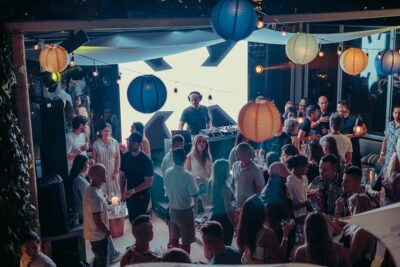
Medellin: Rooftop Bar Crawl with VIP Access & Hidden Clubs
Read our review →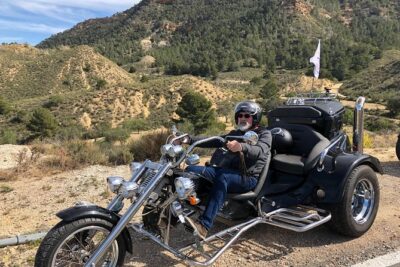
Luxury Rewaco Trike “The Fun In The Sun Tour” – (3 hours, Min of 2 Passengers)
Read our review →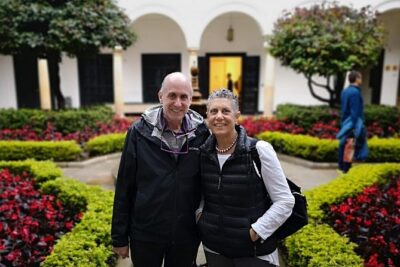
VIP Bogota City Tour: Farmers Market, Monserrate, Candelaria, 9hr
Read our review →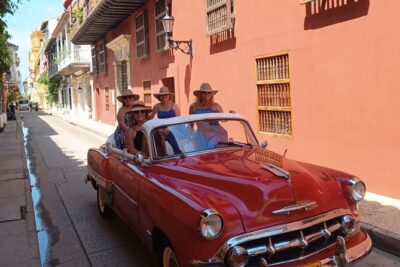
Cartagena Luxury Classic Car Tour + Bilingual Historian Guide
Read our review →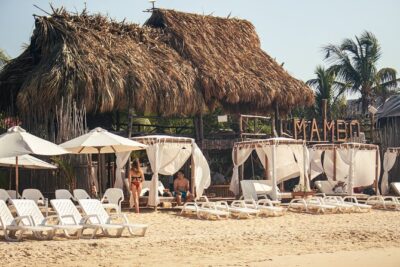
Playa Blanca Barú: VIP Access to Mambo Beach Club
Read our review →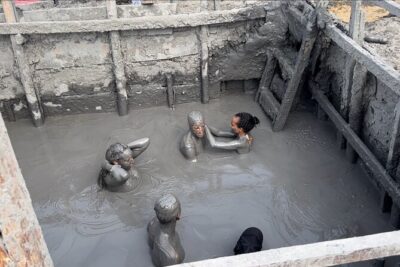
Cartagena Mud Volcano Tour — VIP Exclusive Crowd-Free Access!
Read our review →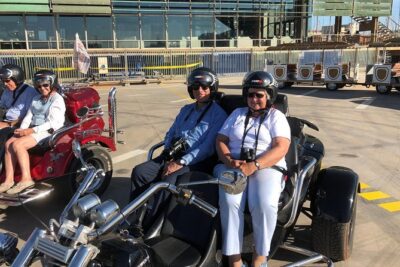
Luxury Rewaco Trike “The Photo Blaster Tour” – (2 hours, Min of 2 passengers)
Read our review →