
Reviewed · CARTAGENA TOURS
Cartagena: Graffiti Tour in Getsemani
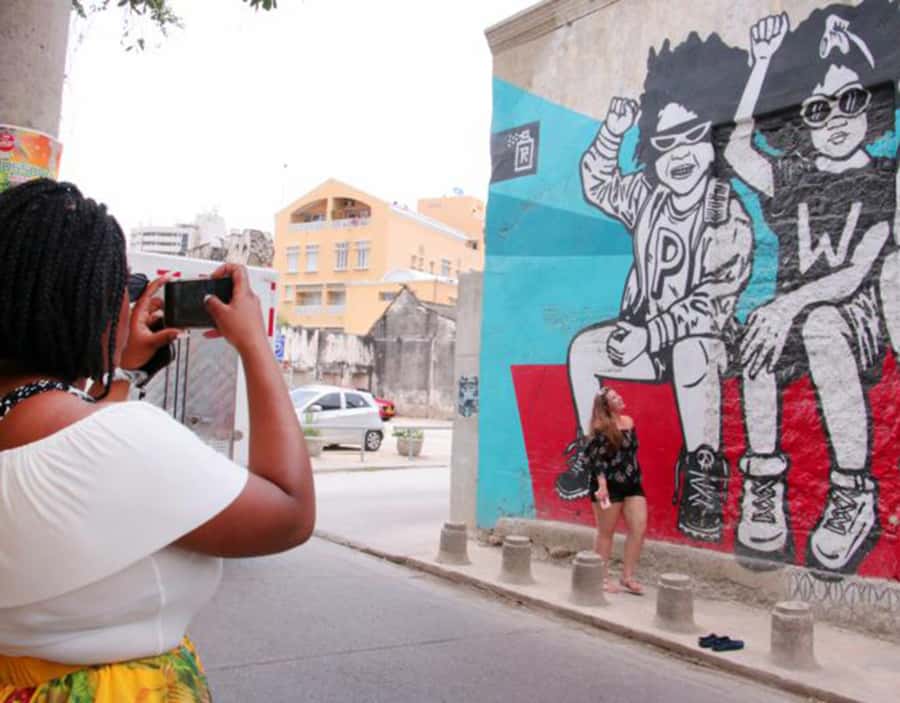
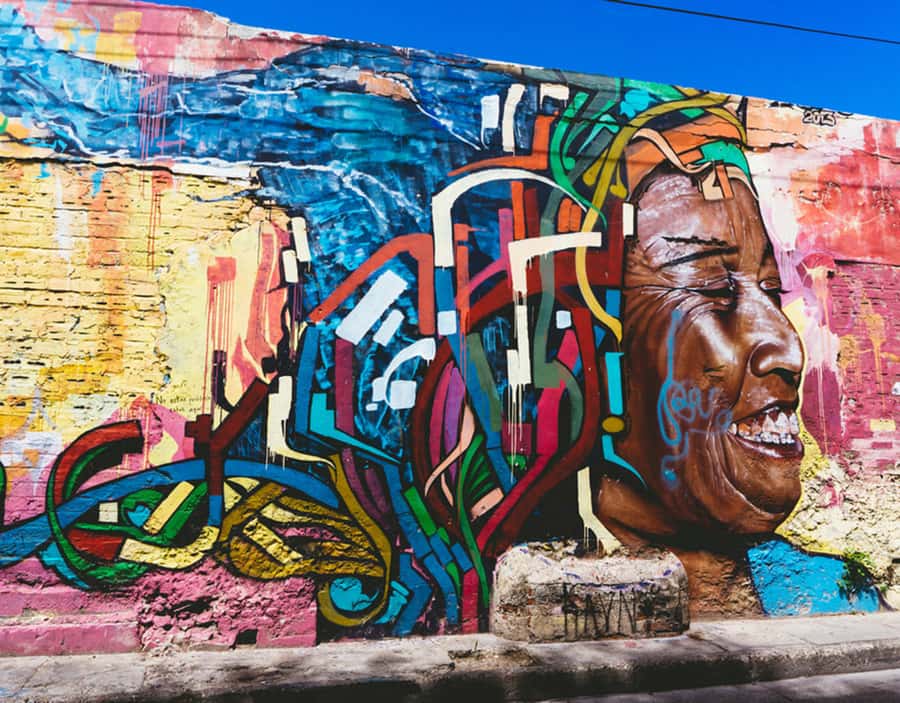
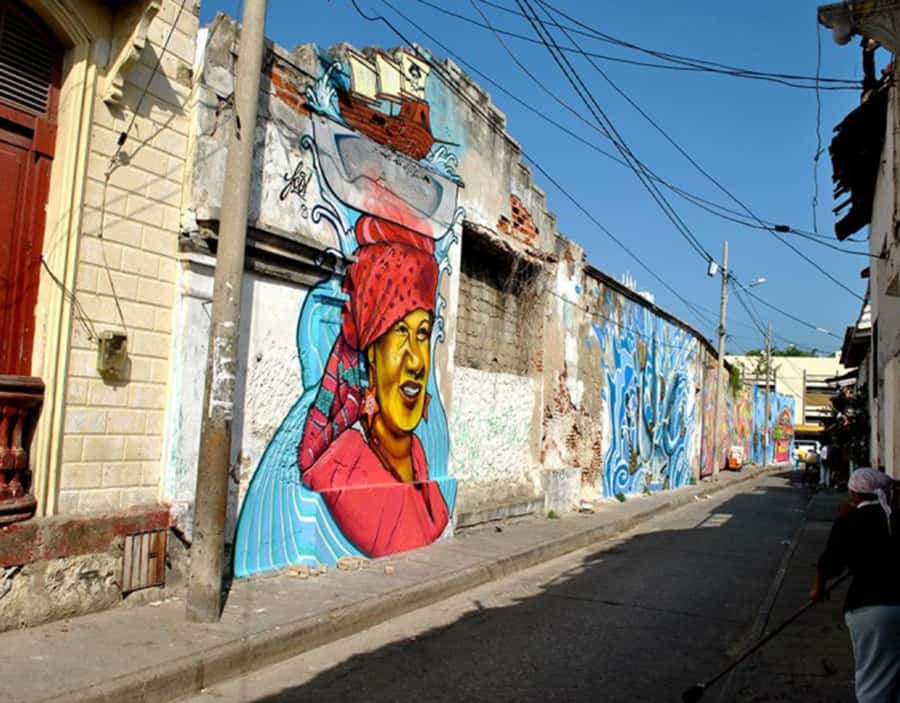
Getsemaní turns its walls into a running conversation about Cartagena and Colombia. On this three-hour private walk, you follow murals and graffiti through Calle de la Media Luna, Calle San Juan, Calle Larga, and nearby lanes while your guide explains the politics, social projects, and local stories behind the paint.
I like the personal pace, since your guide can spend more time on the art that catches your eye. I also like the finish: a walk by Centenary Park followed by a traditional snack made by Getsemaní locals. The main thing to consider is the route’s opening point. One booking reported that it began in a distant, less comfortable part of the neighborhood, so confirm the meeting plan with your guide.
Key points to know
- Private attention: You have a guide for your own group, with English and Spanish available.
- Art with context: Murals and graffiti are used to explain cultural change, activism, and politics in Colombia.
- Three well-known streets: The route includes Calle de la Media Luna, Calle San Juan, and Calle Larga.
- A taste of Getsemaní: The walking portion ends with a traditional snack made by local residents.
- Easy walking pace: The neighborhood visit lasts about 1.5 hours within the three-hour outing.
- Hotel pickup included: Your guide meets you outside your Cartagena accommodation or another selected point.
Why Getsemaní is the right place for a street-art walk
Getsemaní is not a neighborhood you understand from a bus window. Its character shows up in painted walls, open doorways, local gathering spots, and the contrast between old homes and newer cultural energy. A guided walk gives those details a story instead of leaving you with a collection of attractive photographs.
The art here is not treated as simple decoration. Your guide explains how artists and activists have used public walls to comment on Colombia’s reality, express local pride, and support social and artistic projects. That context matters. A mural can show color and skill at first glance, but its meaning becomes more useful when you know what issue or change it addresses.
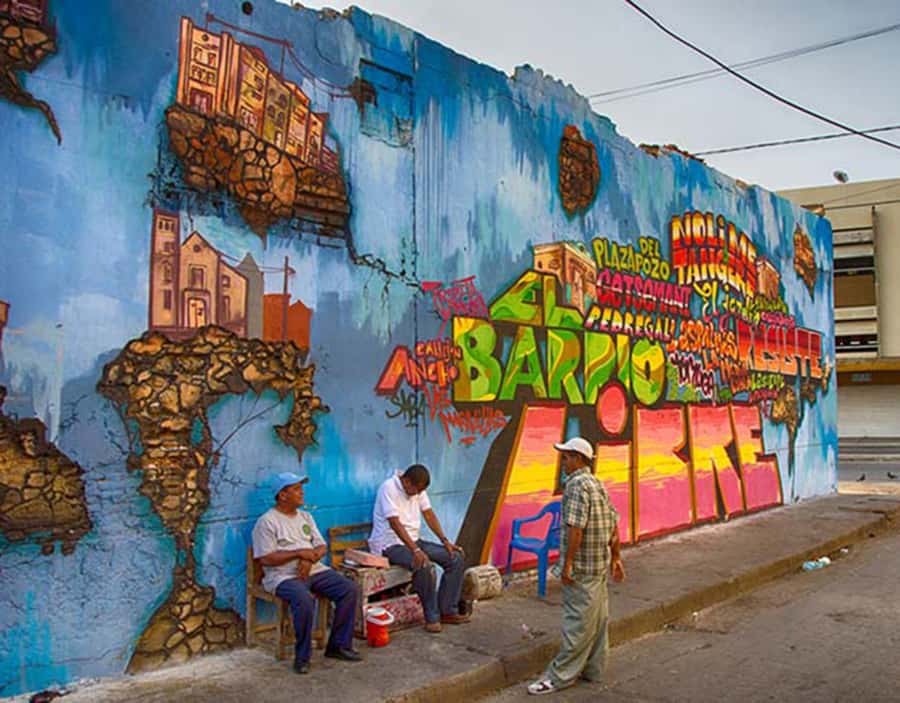
I especially like that the tour connects art with ordinary neighborhood life. You pass colorful houses and may see residents sitting outside their homes as you walk. That keeps the experience grounded. You are not only looking at a gallery without a roof. You are seeing artwork in the streets where people live, talk, and watch the neighborhood change.
The private format helps here. Instead of following a large group at a fixed pace, you can ask about a symbol, a political reference, or a section of the neighborhood that interests you. The guide can also adjust explanations for your group. That is a real advantage if you want more history, more art, or a slower walk for photographs.
More street art walks in Cartagena:
- Medellin: Comuna 13 Graffiti Tour, Cable Car & Street Food
★ 4.8 · 9,046 reviews - Medellín: Comuna 13 Tour with Snacks And Your Own Graffiti
★ 4.9 · 311 reviews - Bogotá: La Candelaria Graffiti & Urban Art Guided Tour
★ 4.7 · 250 reviews
Starting in Cartagena and meeting your guide
Pickup is included from your accommodation or a chosen point of interest within Cartagena. The activity is designed as a three-hour outing, with the main Getsemaní walk listed at about 1.5 hours. The remaining time allows for pickup, the return journey, pauses, and the snack.
Because the tour is private, your guide is the key to how the morning or afternoon feels. English and Spanish are offered. Several guides are named in the available feedback, including Jhon, Dan, Edgar, and Edward. Jhon was singled out for giving useful background on both the artworks and Getsemaní, while Dan was described as patient, helpful, and good at explaining local culture and history. Edward was noted for speaking very good English and for keeping the walk clear, friendly, and free of unwanted shopping stops.
That last point is worth noting. The tour is presented as a cultural walk, not a shopping circuit. You are not expected to stop for souvenirs or purchases. For me, that keeps the focus where it belongs: on the neighborhood, the art, and the stories.
There is one practical warning. One lower-rated experience described the start as being in a far part of the neighborhood and felt uncomfortable about the area. The available information does not establish that this is a regular problem, but you should still ask exactly where you will meet and how the pickup will work. Since hotel pickup is included, use it if that makes the start simpler.
Calle de la Media Luna: the first look at Getsemaní’s walls
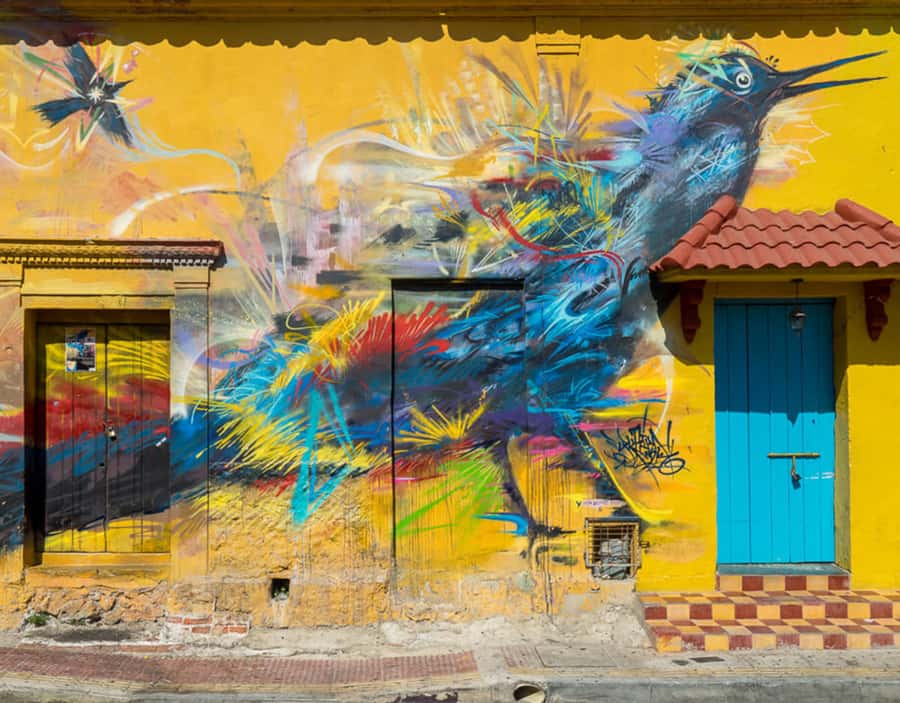
Calle de la Media Luna is one of the named stops, and it is a useful place to begin reading Getsemaní through its walls. Expect a street-level walk past painted buildings, colorful homes, and large-scale works rather than a formal museum visit.
The important question is not simply how many murals you see. It is how your guide helps you look at them. The route is meant to show ideas expressed through graffiti and paintings, including perspectives on the country’s social and political life. Your guide may point out visual details, explain the work’s wider message, or connect the art to changes in Getsemaní.
This is where a private tour can earn its price. If you are taking photographs, you can pause without holding up a full group. If a particular mural raises a question, you have the time to ask it. The walk is described as easy paced, which suits anyone who wants to look closely rather than rush from one wall to the next.
You should still expect a genuine city walk, not a polished art center. Streets can be active, sunny, and uneven in feel. Wear comfortable shoes, carry water, and use sunscreen. The tour operates in all weather, so clothing suited to the day matters.
Calle San Juan and Calle Larga: art beside daily life
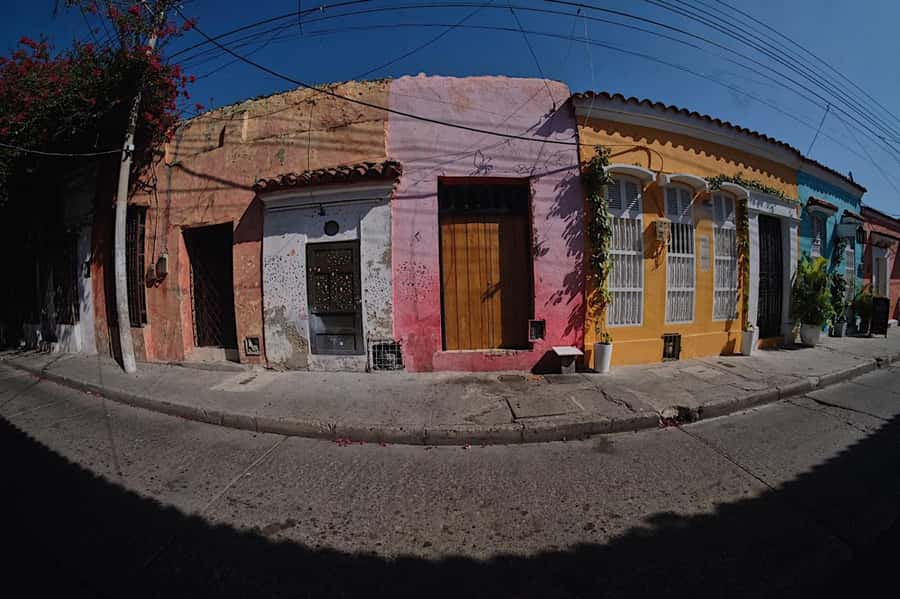
The walk continues through Calle San Juan and Calle Larga, among other parts of the neighborhood. These streets help show the mix that makes Getsemaní appealing: public art, old houses, local residents, and the steady movement of a lived-in Cartagena district.
The guide’s role becomes more important as the route moves along. A quick self-guided stroll might leave you noticing only color and scale. With an explanation, you can connect the artwork to cultural changes and to efforts by artists and activists to make public statements about Colombia.
The tour also gives you a chance to observe how the neighborhood has become a cultural and artistic reference over time. That does not mean every wall will be equally impressive, or that the route offers a complete history of Cartagena. It means you get a focused look at one part of the city and at the way local identity is expressed in public space.
I would treat the tour as a strong introduction rather than the final word on Getsemaní. The supplied ratings are high overall, at 4.8 from nine reviews, and the repeated praise centers on clear explanations, history, culture, patience, and an easy pace. One four-star rating simply called it a good way to get to know the neighborhood. That sounds right: the value comes from orientation and interpretation as much as from the artwork itself.
A few more Cartagena day trips to weigh up
- Cartagena: Historic Center and Getsemaní Shared Walking Tour
★ 4.9 · 2,716 reviews - Cartagena: Rosario Islands Catamaran with Lunch and Snorkel
★ 4.5 · 2,479 reviews - Full-Day Rosario Islands Including Barú, Bocachica & Playa Blanca
★ 4.0 · 1,729 reviews - Cartagena de Indias: 2-Hour Sunset Cruise
★ 4.7 · 1,105 reviews
Stories of politics, culture, and neighborhood change
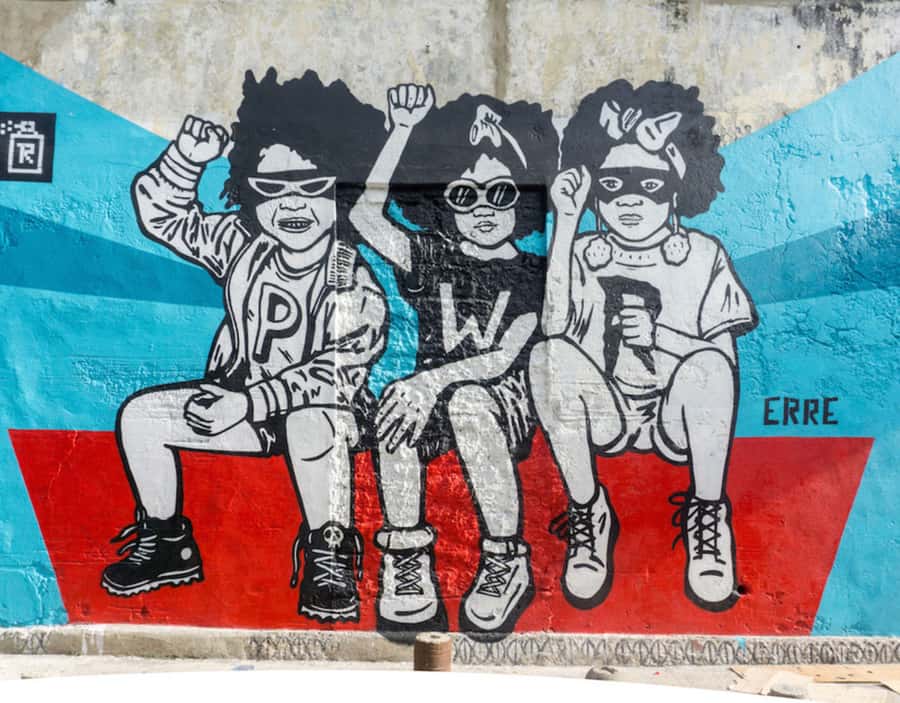
The best part of this experience is likely to be the conversation between the walls and the guide. You hear how social and artistic projects helped shape cultural and political changes in Colombia, and how local creators have used graffiti to speak about the country’s reality.
That subject can be more rewarding than a list of dates. Street art is temporary by nature. Paint fades, walls change, and neighborhoods are constantly revised. A guide can explain why a particular work matters now, even if it is not an old monument.
You should also expect different levels of detail depending on the guide and your questions. The strongest available comments describe Jhon as excellent at giving background and context, Dan as fun and patient, and Edward as clear, humorous, and responsive to the group’s interests. One Spanish-language comment praised Edgar’s walk, conversation, and stories. These details suggest that the human side of the tour is a major part of the experience.
If you prefer to walk quietly and take photographs without much explanation, this may feel more talkative than necessary. If you want to know what you are looking at and why the neighborhood changed, the guide is the reason to book a private tour instead of simply wandering alone.
Meeting Getsemaní residents along the way
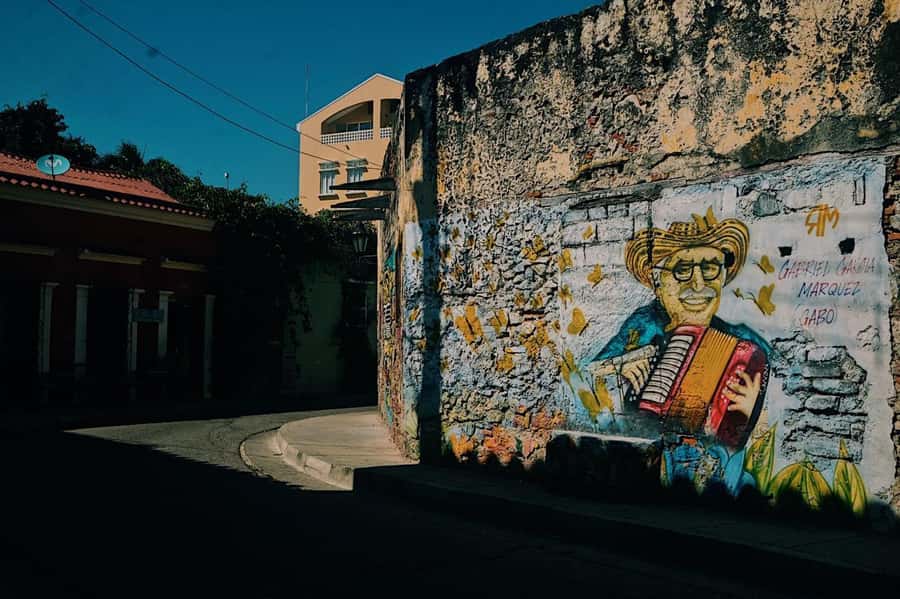
The description of the route includes local residents sitting outside their homes. This is a small detail, but it gives the walk a more authentic shape. Getsemaní is not presented only through its murals. You also see the people and homes that make the area a neighborhood rather than an outdoor exhibit.
Your guide can help you understand the transformation of the district while you are standing inside it. The point is not to turn residents into part of a show. It is to notice that cultural change affects real streets, houses, and routines.
Keep your manners simple and respectful. Ask before photographing people, and give residents room. The tour’s value comes partly from seeing everyday life alongside public art, so it is best approached with curiosity rather than a checklist of photo stops.
Centenary Park and the traditional snack

Near the end, the tour includes a walk along Centenary Park before a traditional snack made by locals in Getsemaní. This is a welcome change from looking upward at walls. You get a chance to pause, take stock of the neighborhood, and try a local flavor without committing to a full meal.
The snack is included, while lunch is not. Plan accordingly. The food is a small tasting, not a replacement for lunch, and the activity does not promise a broader food tour. Its role is to give the walk a local finish and connect the visual side of Getsemaní with something you can taste.
I like this ending because it avoids an abrupt stop at the last mural. The park and snack give the experience a natural close. If you have dietary restrictions, ask the provider before booking, since the supplied information does not name the snack or list ingredient options.
Is $53 a fair price for three hours?
At $53 per person, this is not the cheapest way to see Getsemaní’s street art. The price makes more sense if you are traveling as a small private group and want hotel pickup, a dedicated guide, local interpretation, and a snack in one package.
For a solo visitor, the cost may feel high compared with walking through the neighborhood independently. You can see public art without paying an admission fee. But you would not get the same explanation of the murals, the political and social background, or the chance to ask questions at your own pace.
For two or more people, the private format becomes easier to justify, especially if you value a slower walk and direct attention. The tour also has practical value early in a Cartagena stay. It can help you get your bearings in Getsemaní, identify streets you want to revisit, and understand the neighborhood beyond its most photographed walls.
The included pickup and drop-off add convenience. So does the lack of shopping stops noted in one detailed account. You are paying for time, interpretation, and ease rather than for entry to a single attraction.
Who will enjoy this walk most?
I would recommend this tour to you if you:
- Like street art but want more than photographs
- Want social and political context from a local guide
- Prefer a private group over a large scheduled walk
- Enjoy meeting a neighborhood through its streets and residents
- Want an easy-paced introduction to Getsemaní
- Appreciate a small local food tasting at the end
Families and mixed-interest groups may also find the private setup useful because the guide can adjust the pace. It is wheelchair accessible, though you should still discuss your exact needs when arranging pickup and the route.
This is less suited to someone looking for a full meal, a long formal history lecture, or a packed list of Cartagena landmarks. The walk focuses on Getsemaní, its public art, and its cultural changes. The neighborhood is the subject, not a quick stop between major monuments.
Bring comfortable shoes, water, sunscreen, a camera, and weather-appropriate clothing. Since the tour runs in all weather, a rain plan is sensible even though no special equipment is provided in the details available here.
Should you book the Getsemaní graffiti tour?
Book it if you want to understand what you are seeing, not just photograph it. The strongest reason to choose this experience is the private guide, with names such as Jhon, Dan, Edgar, and Edward associated with clear explanations, local stories, patience, humor, and good English or Spanish communication.
The tour offers good value for couples, families, and small groups who want pickup, a private pace, neighborhood context, and a traditional snack. I would be more hesitant if you are traveling alone on a tight budget or mainly want a casual, self-guided look at murals.
Before you go, confirm the pickup point and ask where the walking route begins. With that detail settled, this is a practical way to meet Getsemaní through its art, politics, homes, and local flavor.
FAQ
How long does the Getsemaní graffiti tour last?
The full activity lasts three hours. The guided walking portion in Getsemaní is listed as about 1.5 hours, with the remaining time covering pickup, return, pauses, and the snack.
Where does the tour take place?
The tour takes place in Getsemaní, within Cartagena, Bolívar, Colombia. Named streets include Calle de la Media Luna, Calle San Juan, and Calle Larga, along with other important places in the neighborhood.
Is hotel pickup included?
Yes. Pickup and drop-off are included from your accommodation or a chosen point of interest within Cartagena. You meet the guide outside the selected location.
Is this a private tour?
Yes. The activity is for a private group, so you have the full attention of your own guide rather than joining a shared group.
Which languages are available?
The live guide service is available in English and Spanish.
Is the tour wheelchair accessible?
Yes, the activity is listed as wheelchair accessible. Contact the provider about your specific needs when arranging the pickup and route.
Is food included?
A traditional snack made by local residents in Getsemaní is included. Lunch is not included.
What should I bring?
Bring comfortable shoes, a camera, sunscreen, water, and clothing suited to the weather.
Does the tour operate in bad weather?
Yes. The tour operates in all weather conditions, so dress accordingly.
Just added around Cartagena
- Cartagena: Ecoplan on Barú, Aviary and Oceanarium in one day★ 3.3 · 3 reviews
- CARTAGENA, EXCLUSIVE launch for Rosario and Baru Islands★ 5.0 · 3 reviews
- Cartagena: Day Tour to Tierra Bomba Island★ 3.2 · 3 reviews
- photo session through the streets of cartagena★ 5.0 · 3 reviews
- Cartagena Coffee Masterclass: Artisanal Roasting and Brewing★ 5.0 · 3 reviews
- FULL DAY BARRANQUILLA AND SANTA MARTA 1 DAY from Cartagena★ 4.0 · 3 reviews
- Cartagena: Cholon Island Boat PARTY with DJ and Lunch★ 3.7 · 3 reviews
- Murcia Full Day Private Tour from Cartegena★ 5.0 · 3 reviews
Cartagena Tours, compared.
Cartagena: Historic Center and Getsemaní Shared Walking Tour
Read our review →
Cartagena: Rosario Islands Catamaran with Lunch and Snorkel
Read our review →
Full-Day Rosario Islands Including Barú, Bocachica & Playa Blanca
Read our review →
Cartagena: Guided Street Food Tour with Tastings
Read our review →
Cartagena: Panoramic City Tour, Monuments, Walls, Castle
Read our review →
Bora Bora Cartagena Beach Club Full Day Experience
Read our review →Browse the lists this tour appears in