
Reviewed · CALI TOURS
Shared Tour Cali’s Local Food at Alameda Market
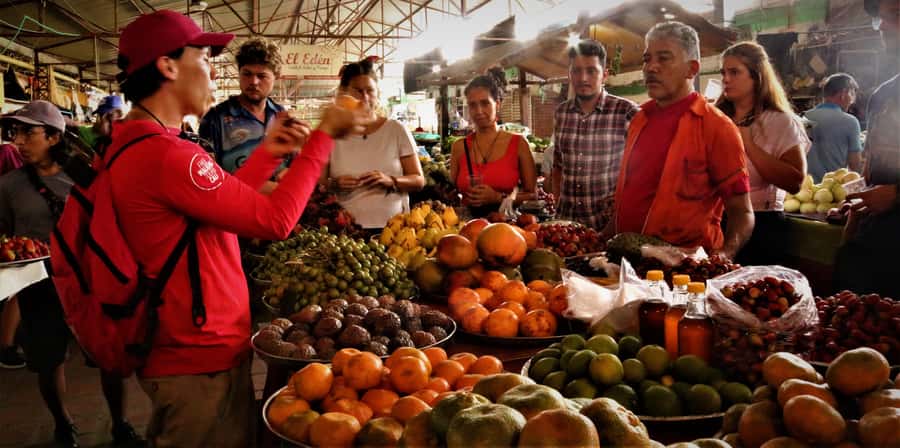
Cali’s Alameda Market is not a polished food hall. It is a working market where fresh produce, homemade dishes, household goods, clothing, and local trade meet. That makes this tour a useful introduction to Valle del Cauca’s food culture, especially if you want to understand why a bowl of Champús or a sip of Viche means more than lunch.
I like two things right away: you get guided tastings in places inside the market that you might not choose on your own, and the tour explains the links between Afro-Colombian cooking, European influence, local ingredients, and the region’s varied geography. Guides such as Fernando have also been praised for being funny, friendly, and good at explaining unfamiliar foods.
The main drawback is the walking. You may cover about 8 kilometers over roughly 150 minutes, with food stops along the way. The market can be crowded, and the tour is not suitable for wheelchair users or people with food allergies. Bring patience, comfortable shoes, and an open mind.
Key points to know before you go
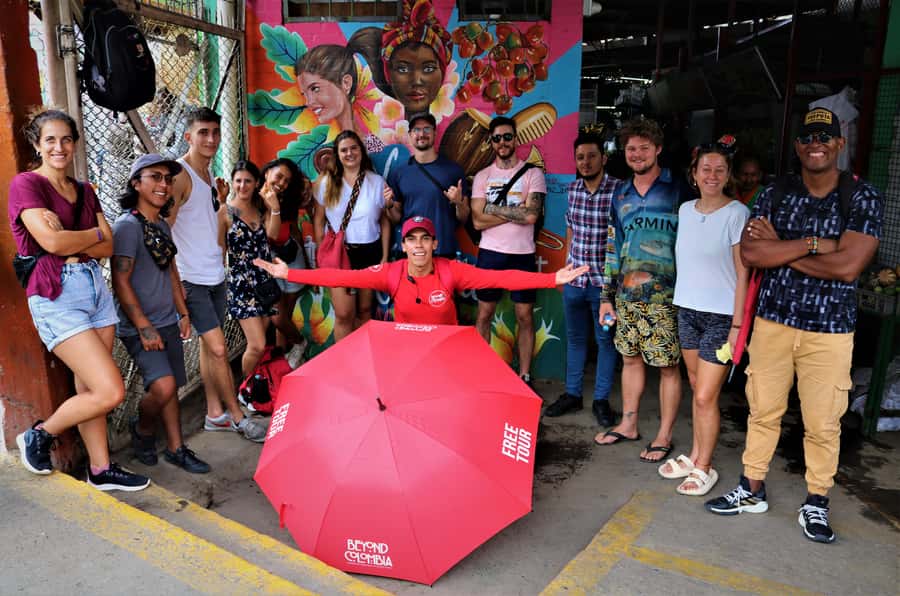
- Start at Parque Alameda: Look for the red Beyond Colombia umbrellas at the park.
- Taste Cali specialties: Expect foods such as Champús, Cucas, Tamal Valluno, Pandebono, Manjar, and regional fruit preparations.
- Explore Pacific flavors: The tour includes traditional food connected to the Pacific region and an introduction to Viche, a local alcoholic drink.
- Plan for extra spending: The tour costs $13 per person, but food, drinks, and souvenirs are not included. Trying everything may cost up to 40,000 COP.
- Walk through a real market: Alameda is also a place of work and economic survival, not only a stop for sightseeing.
- Choose this for context, not just snacks: The guide connects ingredients and cooking methods to Valle del Cauca’s biological, geographic, and cultural variety.
Entering Parque Alameda and meeting the guide
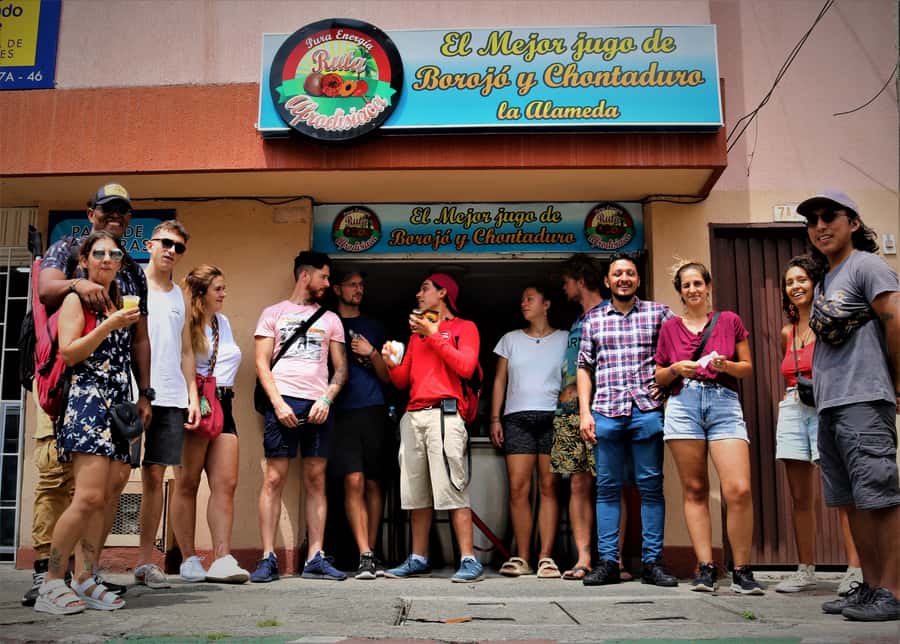
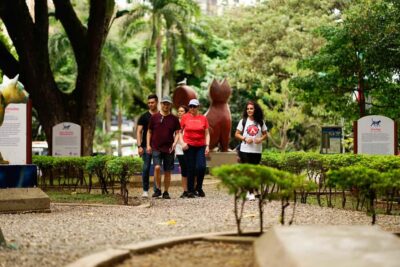
The experience begins at Parque Alameda, where you meet the Beyond Colombia guide beneath the company’s red umbrellas. The meeting point is easy to identify, but you should arrive ready to walk rather than expecting transport to the first food stop.
This is a shared tour, not a private outing. You will be part of a group and may meet people from several countries, which suits anyone who likes a social afternoon. The tradeoff is that the pace and food choices are not designed entirely around your personal interests.
The guide leads in English. Fernando is one of the guides associated with especially warm feedback for this route. He has been described as funny, friendly, and good at showing people new things. That matters here because a food-market visit depends on explanation. Without context, an unfamiliar fruit or preparation can seem merely strange. With a good guide, you learn what it is, how it is used, and why it matters locally.
The tour operator, Beyond Colombia, has offered local walking tours since 2013. For you, the practical point is simple: this is a guided cultural walk with a food focus, not a restaurant crawl with a fixed multi-course menu.
More Food Tours in Cali
- The Cali Street Food Walking Tour
★ 5.0 · 81 reviews - Cali: Street Food Tour
★ 4.8 · 71 reviews - Street Food Tour – Live A Unique Gastronomic Experience
★ 5.0 · 34 reviews
Why Alameda Market matters beyond food
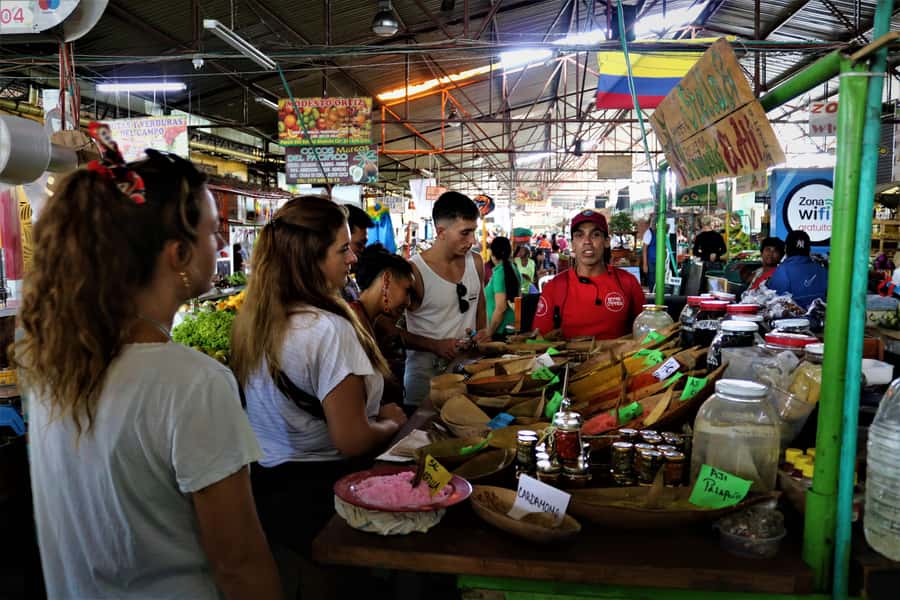
The Mercado de la Alameda is presented as a center of daily economic life. Vendors sell produce, prepared food, clothing, crafts, and household items, so the market gives you a wider view of how people shop and work in Cali.
I like this focus because it keeps the food from being treated as a collection of exotic samples. The market is tied to family income, local supply, cooking traditions, and ordinary routines. You are not only hearing which dish tastes sweet or spicy. You are also learning how food supports households and preserves regional identity.
The market setting has a practical downside. This is a crowded public place, and you need to keep your phone, wallet, and bag secure. The advice to keep your belongings close is worth following. The tour also asks you not to litter, smoke, or use alcohol and drugs outside the proper tasting context.
You should expect some noise, movement, and changing conditions. A market is more unpredictable than a restaurant, but that is part of its value. Wear clothes you can walk in and accept that the route may feel more like a neighborhood outing than a carefully staged culinary show.
Champús, Cucas, and the first taste of Cali
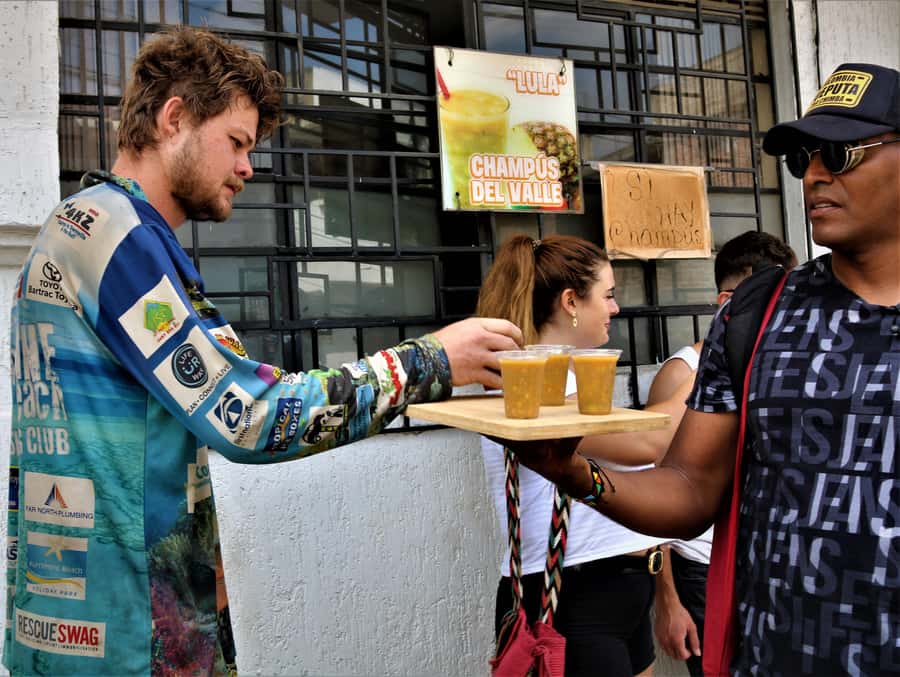
One of the early food experiences centers on Champús and Cucas, homemade preparations made by local women from Cali. These foods offer a useful starting point because they connect everyday cooking with local identity.
The tour uses these dishes to explain how family recipes are passed down and how traditional techniques remain useful. You will hear about sweet, salty, oily, spicy, and hearty flavors rather than a narrow idea of Colombian cuisine.
The exact food portions and order of tastings can vary, so do not treat the $13 booking price as the cost of a full meal. Food and drinks are separate, and the total for trying everything may reach 40,000 COP. If you have a small appetite, you can be selective. If you want to sample broadly, carry enough Colombian pesos.
This section suits curious eaters who enjoy small tastes and explanations. It may be less comfortable if you need precise ingredient control. The tour is listed as suitable for vegetarians, but it is not suitable for people with food allergies, so you should not rely on the guide to manage serious dietary risks.
Valle del Cauca on a plate
The tour’s larger lesson is that Valle del Cauca is not one uniform food region. Its gastronomy reflects biological, geographic, and cultural variety, with ingredients and techniques shaped by different parts of the department.
You will hear about foods such as Tamal Valluno, Pandebono, Viche, Manjar, and fruit juices made with ingredients such as Borojó. Some items are familiar across Colombia, while others may be new to you. The guide’s job is to show how these foods belong to a regional story rather than simply placing samples in front of you.
The tour also discusses Afro-Colombian preparations and European flavors. That combination is important. Local food traditions are rarely created by one influence alone, and the route treats cuisine as evidence of movement, adaptation, and family practice.
You can expect plenty of attention to texture and flavor. The description points to sweet, salty, oily, spicy, and vigorous foods, so this is not a cautious route built around mild snacks. The phrase vigorous food is a fair warning that some preparations may be filling or strongly seasoned.
For me, the strongest part of this approach is its usefulness. You leave with a better chance of recognizing dishes later in your trip and a clearer idea of how to order lunch without choosing at random.
Same city, a completely different kind of day:
- Shared Tour Cali’s Historical Downtown
★ 4.8 · 143 reviews - Historical Shared Tour Salsa, Graffiti & Resistance in Cali
★ 5.0 · 107 reviews - San Cipriano Rainforest – River, Waterfalls and Adventure Day
★ 5.0 · 73 reviews - Cali: Walking tour of the historic center
★ 5.0 · 69 reviews
Pacific dishes and a taste of Viche
The experience includes traditional food from Colombia’s Pacific region. This gives the route a wider reach than a simple tour of Cali staples, since the Pacific has its own ingredients, methods, and cultural traditions.
The guide discusses ancestral ingredients and traditional techniques, then helps you connect those methods to the people who use them. The point is not to claim that one market stall represents the whole Pacific. Instead, you get a small, guided introduction to a regional influence that is important to Valle del Cauca’s food culture.
Viche is another memorable subject. It is a local alcoholic drink with strong cultural importance, and the experience includes a toast with it. Because drinks are not included in the price, budget separately for the tasting. If you do not drink alcohol, you should tell the guide and skip it.
This part works best if you are willing to try combinations you have not encountered before. The tour specifically asks for an open mind, and that is sound advice. You do not need to like every sample. You do need to accept that local food may not match the flavor balance or serving style you know from home.
Fruit, juices, and the market’s color and texture
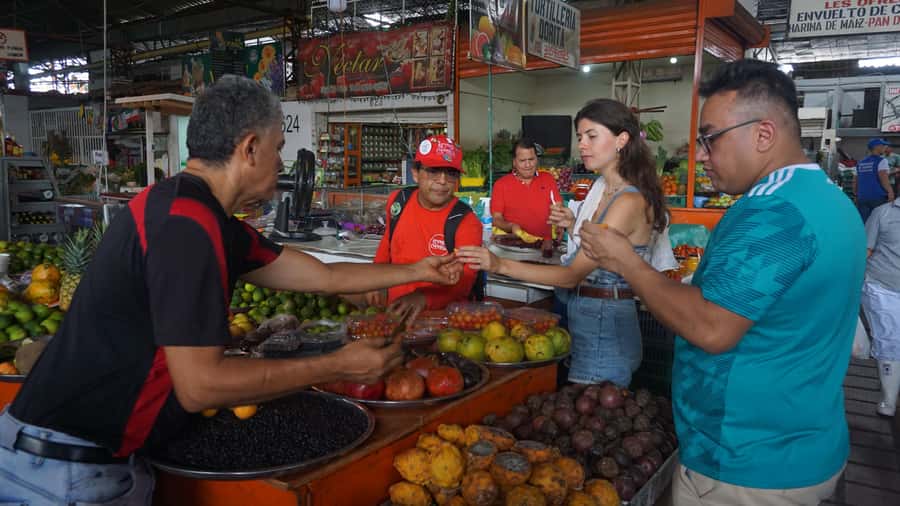
Fruit is another central thread. You may encounter unusual fruit preparations and juices, including Borojó. The fruit discussion helps explain the biological variety of Valle del Cauca and gives you a break from heavier salty or oily foods.
The market setting also lets you see ingredients before they reach a plate. That can make a difference when the guide talks about preparation, storage, and traditional use. You get a more complete picture than you would from eating a finished dish in a restaurant.
Still, do not expect a fruit-tasting counter with every item neatly labeled. This is a working market, and the route visits authentic places to eat within it. The experience is shaped by what is available and by the rhythm of the market.
If you are prone to stomach trouble, start conservatively and drink water. The tour recommends bringing water, biodegradable sunscreen, insect repellent, and sun protection. A rainproof coat or umbrella is also sensible because the weather is outside the operator’s control.
An 8-kilometer walk with food stops
The route lasts about 150 minutes, although the description also calls it approximately three hours. Plan your afternoon around roughly two and a half to three hours, not a quick one-hour snack stop.
The stated walking distance is about 8 kilometers. That is significant for a food tour. You will make resting stops, but the route still requires comfortable shoes and clothes. I would not schedule this immediately after a long bus ride or on a day when your feet are already tired.
There is no transportation during the tour, and getting to and from your hotel is your responsibility. You walk from the meeting point and move between market areas on foot. This keeps the cost low and gives you more contact with the neighborhood, but it also makes the experience unsuitable for anyone who cannot manage a long urban walk.
The pace should allow time to eat, listen, and stop, but a shared group can affect how quickly you move. You may need to wait while others order or ask questions. That is a normal part of the format.
What the $13 price really covers
At $13 per person, the tour is priced as an affordable introduction rather than an all-inclusive meal. Your money pays for the English-speaking professional guide, the walking route, the market visits, and the explanations about regional gastronomy.
You must pay separately for food, drinks, and souvenirs. The stated extra cost can reach 40,000 COP if you try everything. That total is still reasonable for a broad tasting session, but you should compare it with your appetite and plans for lunch.
The value is strongest if you want help choosing what to taste and want cultural context along with the food. If you only want a cheap meal, you can likely spend less by eating on your own. If you want to understand the market and find places to return to later, the guide adds practical value.
The tour also gives recommendations for local shops where you can buy lunch, coffee, souvenirs, and more. Those tips may be particularly useful on a first visit to Cali because you can return to the market independently after learning your way around.
Who will enjoy this market tour most
I would recommend this experience to curious eaters, first-time visitors to Cali, and anyone who wants a local introduction before exploring restaurants alone. It is especially useful for people who want to connect food with Afro-Colombian traditions, Pacific cooking, family recipes, and the working life of a market.
Vegetarians can take part, which broadens its appeal. You should still ask about individual preparations before tasting them, since the tour is not designed for people with food allergies.
This is less suitable for anyone seeking a private, polished culinary class or a fixed menu. It is also a poor match if you dislike crowded markets, long walks, strong flavors, or spontaneous food choices.
The route is not suitable for wheelchair users. That is not only a matter of distance. Market surfaces, crowds, and the walking format make the accessibility limit important to consider before booking.
Practical tips for a better afternoon
Arrive at Parque Alameda with comfortable shoes, water, a hat, sunscreen, and insect repellent. Carry a light rainproof layer or umbrella, since Cali’s weather can change and the tour continues outdoors.
Bring enough money for optional food and drinks. The booking price does not cover tastings, so a little planning keeps you from having to skip something you want to try.
Keep your belongings close in crowded areas. The local phrase no des papaya, roughly meaning do not make yourself an easy target, is useful street advice here.
Do not arrive expecting to look dressed up. Comfortable clothes matter more than appearance, especially with an 8-kilometer walking route.
Finally, arrive hungry but not starved. You will be sampling several preparations, and pacing yourself will make the afternoon more enjoyable.
Should you book the Alameda Market food tour?
Book it if you want a low-cost, guided way to understand Cali through food rather than through a list of famous restaurants. The combination of market life, homemade specialties, Pacific flavors, fruit drinks, and cultural explanation gives you a useful first look at Valle del Cauca.
Think twice if you have serious food allergies, limited mobility, or no interest in unfamiliar combinations. Also remember that the $13 price is only the tour fee, not your complete food bill.
The strongest reason to choose it is the guide-led context. Fernando has received especially warm praise for his humor and friendly approach, and the high overall rating of 4.8 from 12 ratings supports the idea that the human side of the tour is a major part of its appeal. Just allow plenty of walking time, carry extra cash, and treat the market as a real place of work rather than a staged attraction.
FAQ
Where does the tour meet?
Meet at Parque Alameda beside the red Beyond Colombia umbrellas.
How long does the experience last?
The stated duration is 150 minutes, or about two and a half hours. The description also says approximately three hours, so allow some flexibility.
What language is the tour offered in?
The live tour guide leads in English.
How much does the tour cost?
The listed price is $13 per person.
Are food and drinks included?
No. Food, drinks, and souvenirs are separate. The total extra cost may reach up to 40,000 COP if you try everything.
What foods might I taste?
The tour features foods and drinks connected to Valle del Cauca, including Champús, Cucas, Tamal Valluno, Pandebono, Viche, Manjar, and exotic fruit juices such as Borojó.
Is the tour suitable for vegetarians?
Yes, the experience is listed as suitable for vegetarians.
Is the tour suitable for people with food allergies?
No. The experience is listed as unsuitable for people with food allergies.
How much walking is involved?
You may walk about 8 kilometers, with resting stops and food stops along the way. Transportation is not provided during the tour.
Can wheelchair users join?
No. The experience is not suitable for wheelchair users.
What should I bring?
Bring comfortable shoes, a sun hat, water, biodegradable sunscreen, insect repellent, and a rainproof coat or umbrella.
Can I cancel the booking?
Yes. You can cancel up to 24 hours in advance for a full refund. Reserve now and pay later is also available.
More Shopping Tours in Cali
- PALOQUEMAO MARKET FOOD TOUR. EXOTIC FRUIT. LOCAL SNACKS. /Min 2 pax
★ 5.0 · 70 reviews - Fruit Tour at the World’s sweetest Market
★ 5.0 · 67 reviews - VIP Bogota City Tour: Farmers Market, Monserrate, Candelaria, 9hr
★ 5.0 · 66 reviews - Private Tour to Comuna 13 & Exotic Fruit Market in Medellin!
★ 5.0 · 41 reviews
More Markets in Cali
- Cali: Fruit Market Walking Tour with Tastings
★ 4.6 · 7 reviews - Flavors of Cali: Food tour at the local market
★ 5.0 · 5 reviews - Medellín Multi-sensory Tour in the market, +15 Exotic Fruits
★ 5.0 · 113 reviews - Bazurto Public Market
★ 5.0 · 81 reviews
Just added around Cali
- From Cali: Whale Watching Day Trip in Buenaventura★ 4.6 · 3 reviews
- Cali: Three hours walking Cali City discovery tour★ 4.7 · 3 reviews
- Cali: Two hours walking Cali City discovery tour★ 5.0 · 3 reviews
- Private Tour on a 1100cc Cruiser Motorcycle★ 5.0 · 4 reviews
- Cali: Pico de Loro Trekking Adventure – Farallones de Cali★ 5.0 · 4 reviews
- Craft Beer Pub Crawl in Cali★ 5.0 · 4 reviews
- Cali: Comuna 20 Siloé Street Art Tour★ 5.0 · 4 reviews
- Flavors of Cali: Food tour at the local market★ 5.0 · 5 reviews
Cali Tours, compared.
Historical Shared Tour Salsa, Graffiti & Resistance in Cali
Read our review →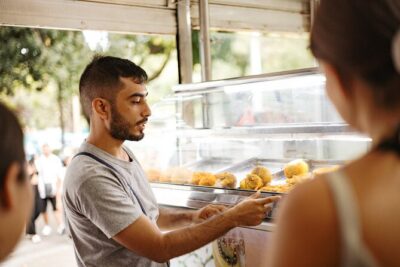
San Cipriano Rainforest – River, Waterfalls and Adventure Day
Read our review →

Browse the lists this tour appears in