
Reviewed · MEDELLÍN TOURS
We Don’t Talk About Pablo: Untold Narcos Story and Transformation
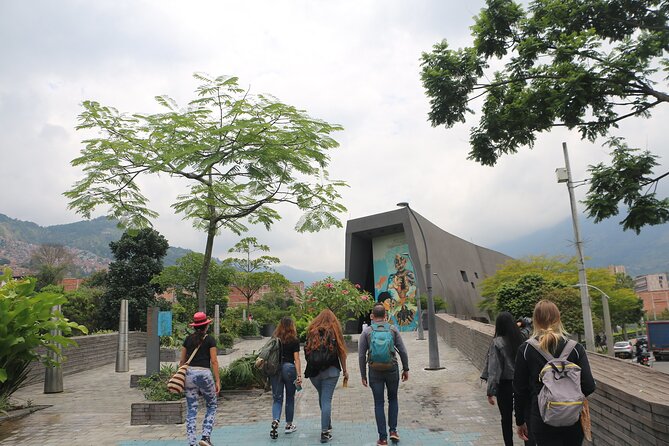
Medellín’s most worthwhile Pablo Escobar tour is not really about admiring Pablo Escobar. It uses his rise and death as a doorway into the forces that shaped the city, then shifts attention to victims, damaged neighborhoods, public memory, and Colombia’s hard-won social renewal. The cable car and tram rides help you read Medellín’s geography as the story unfolds.
I like two things especially: the visit to Museo Casa de la Memoria, where several voices challenge the tidy version of the past, and the chance to travel through Comuna 8 instead of merely stopping at a famous house or grave. Guides such as Carlos, Juan Carlos, Hector, and Luis Ospina have been praised for explaining the era with personal and civic context rather than turning it into a crime-celebrity show.
The main drawback is simple: this is not the tour for someone determined to see every Escobar landmark, especially La Catedral. Some stops are modest, and one account described the house and cemetery as less visually striking than expected. The value is in the interpretation, not in dramatic monuments.
Key points to know before booking
- Victims come before mythology: The tour aims to explain narcotrafficking, violence, and recovery without presenting Escobar as a leader or hero.
- Three ways to see Medellín: You travel by air-conditioned minivan, cable car, and tram, with walking between several stops.
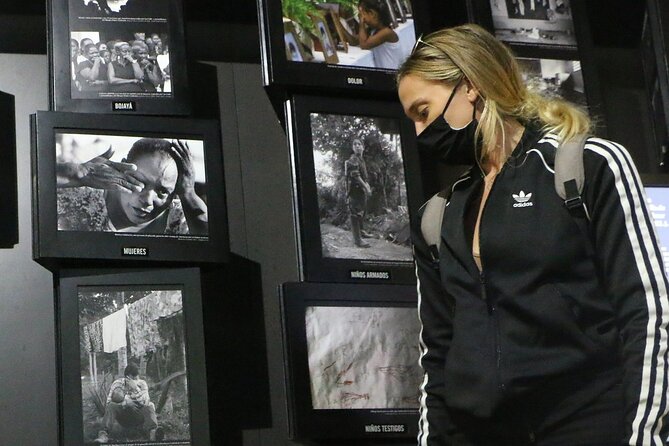
- Museo Casa de la Memoria matters: Its interactive exhibits add the voices of people affected by Colombia’s conflict.
- Private format: Only your group participates, with a bilingual English and Spanish guide.
- Good value for a first day: The four-hour route gives you city orientation, public transit practice, and a strong political and social introduction.
- Expect a serious subject: The tour deals with murder, narcotrafficking, state violence, and the lasting pain of the 1980s and 1990s.
Why this is more than a Pablo Escobar sightseeing tour
Many visitors arrive in Medellín with a picture shaped by television: Escobar as a clever outlaw, generous neighborhood builder, and larger-than-life criminal. This experience tries to correct that narrow frame. It explains how narcotrafficking emerged, how violence spread through institutions and communities, and how ordinary Colombians lived through the damage.
That distinction matters. Escobar may be the name that gets you interested, but he is not meant to be the final subject. The tour provider explicitly says it does not present him as a leader. Instead, you learn about the people and systems affected by his actions, along with the city’s efforts to recover.
I like that approach because Medellín is not frozen in the era shown in crime dramas. The tour connects the past to the present, including public projects, changing neighborhoods, and the resilience of communities that endured violence without losing their sense of place.
It also gives you geography. Medellín’s hills, central districts, and east-side neighborhoods are easier to understand when you move through them rather than stare at a map. The route’s public transport is not just a practical detail. The cable car and tram show how mobility has become part of the city’s social story.
A few more Medellin day trips to weigh up
- Medellin: Comuna 13 Graffiti Tour, Cable Car & Street Food
★ 4.8 · 9,046 reviews - Medellín: The Real Pablo Escobar Tour
★ 4.8 · 3,205 reviews - Medellín: Comuna 13 True Story and Street Food Tour
★ 4.9 · 1,779 reviews
Hotel pickup and a useful introduction to Medellín
The day begins with pickup at your Medellín accommodation. The tour description lists a comfortable, air-conditioned minivan, while the included services also specify hotel pickup and drop-off in public transportation. In practical terms, you should expect the vehicle to help start and finish the outing, with the cable car and tram forming the middle section of the route.
The first part takes about an hour and introduces the narco era, Escobar’s life and death, and the wider conditions that allowed narcotrafficking to grow. This is where your guide sets the tone. The strongest guides do not simply recite dates. They explain how violence touched police, government, neighborhoods, families, and public life.
Several named guides have received especially warm praise for this kind of storytelling. Carlos was described as bringing personal experience to the subject, and one account identified him as a former police officer during Escobar’s period. Juan Carlos was also praised for connecting Escobar’s story to Medellín’s broader past and current political questions.
You should treat guide assignment as variable. The available guide may be Carlos, Juan Carlos, Hector, Luis Ospina, Wilson, Nicolas, or another bilingual member of the team. The useful point is that the tour depends heavily on the person leading it. A strong guide can turn a plain street or ordinary building into a meaningful part of the story.
Riding the cable car into Comuna 8
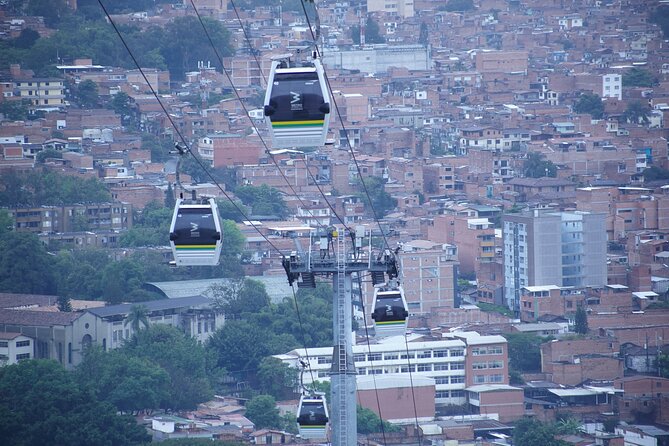
The cable car is one of the most effective parts of the route. From above, you can see how Medellín extends up steep hillsides, and you begin to understand why transport has such weight here. The ride is not a thrill attraction added for decoration. It helps explain the distance between central Medellín and hillside communities, along with the challenge of connecting neighborhoods divided by terrain and inequality.
You then visit Comuna 8 and walk through areas tied to the city’s transformation. The stated route includes stops from El Pinal toward Ayacucho, with the guide using the neighborhood to explain different sides of Medellín’s past and present.
Do not expect a polished historic district or a line of grand monuments. This is a working urban setting. Some sights may look ordinary at first, and much of the meaning comes through the explanation. That can disappoint anyone expecting a succession of cinematic Escobar locations, but it is precisely what makes the tour more grounded.
One useful benefit is the way the route combines local movement with interpretation. You are not sealed inside a vehicle listening to a lecture. You see how people live in the city now, while your guide explains what changed and what remains unresolved.
The public transport element also helps you get your bearings early in your stay. One person called the tour a good way to get around Medellín, and I can see why. You learn how the cable car and tram fit into the city, rather than treating them as isolated tourist rides.
Museo Casa de la Memoria and the voices left out of crime dramas
After the cable car section, you ride the tram to Museo Casa de la Memoria. This museum is devoted to Colombia’s past, with interactive exhibits focused on violence, loss, memory, and resistance. The tour provider says the museum collaborated on the narrative and research behind the experience, which gives this stop more weight than a quick photo opportunity.
This is likely the emotional center of the day. The museum shifts the focus away from the criminal himself and toward people who lived through narcotrafficking and conflict. You gain a wider view of the harm caused by cartels, police actions, paramilitary groups, military forces, and political structures.
The museum also helps explain why memory is an active issue in Colombia. The past is not a closed chapter that can be packaged into a television plot. Families and communities continue to carry its effects, while public institutions try to record what happened from more than one point of view.
Plan for this stop to be thoughtful rather than lighthearted. The exhibits may raise difficult questions, and the subject includes death and trauma. That is a strength if you want a serious understanding of Medellín, but it may be too heavy for a casual half-day outing.
I would pay close attention to your guide here. A good explanation can help you connect the museum’s material to the neighborhoods you have already seen. The point is not simply to view displays, but to understand why Medellín’s transformation cannot be separated from the violence that came before it.
Same city, a completely different kind of day:
- Medellín: Comuna 13 District Tour with Cable Car Ride
★ 4.8 · 1,467 reviews - Medellin: Coffee Tour with Transport, Snacks and Tastings
★ 4.7 · 1,357 reviews - From Medellín: Paragliding Tour with GoPro Photos & Videos
★ 4.9 · 1,210 reviews - Tour Guatapé
★ 5.0 · 865 reviews
Parque Memorial de la Inflexión and the limits of famous landmarks
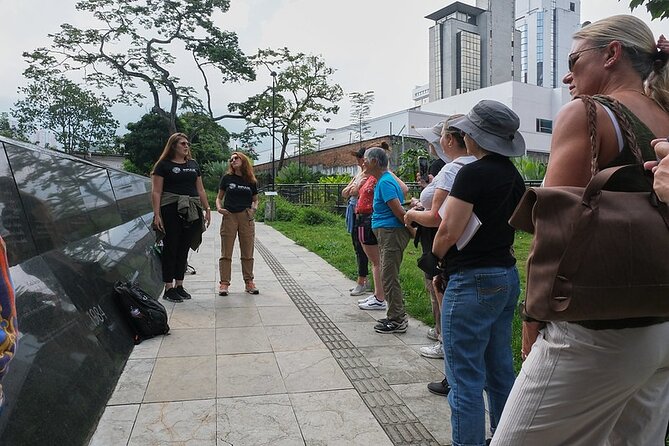
The final two-hour section includes Parque Memorial de la Inflexión and other meaningful stops around the city. The park serves as a memorial to victims of the narco wars, giving the tour a clear place for remembrance rather than spectacle.
This part may include exterior views and locations connected with Escobar’s life and death, depending on the route and the guide’s handling of the day. Earlier versions of similar experiences have included the exterior of the house where Escobar was killed, his burial place, neighborhoods associated with homes he helped build, and other locations tied to the period.
Here is where expectations matter most. A house viewed from outside can be just a house. A cemetery may have few grand markers. One person found the physical sights underwhelming, describing a plain house, a deteriorating building, and a cemetery without prominent headstones or photographs.
That is not a flaw in the city. It is a reminder that the tour’s meaning comes from context. You are not visiting a preserved palace or a museum devoted to a criminal. The modest appearance of some places may actually resist the glamour that crime tourism can create.
Some guides have adjusted the route when possible. One account described a private group that had already visited Comuna 13 and was taken to La Catedral instead. Another guide added La Catedral for a small extra fee. These changes are not guaranteed, and La Catedral is not part of the stated standard route, so ask before booking if that location is essential to you.
What the guides add to the experience
The guide is the deciding factor here. The tour is built around explanation, and the best accounts describe guides who were friendly, clear, patient, and able to answer difficult questions.
Carlos appears several times in the available feedback, with praise for his background and his ability to connect personal experience with Medellín’s wider story. Juan Carlos was described as making the group feel as if a friend were showing them around the city. Hector was praised for going beyond Escobar and explaining how Medellín changed over four decades.
Other guides named include Wilson, Luis Ospina, Nicolas, and John William. John William was praised for presenting information in a neutral way during a substituted tour. One guide had worked as a police officer during the Escobar era, which gave the storytelling a direct link to the period.
You should not assume you will receive a particular guide. Still, these details tell you what to look for: clear historical framing, respect for victims, and an ability to separate fact from television drama.
The bilingual format is useful even if you speak only English. It gives the guide flexibility and helps the tour serve mixed-language groups. Since this is a private activity, you can also ask questions without competing with a large crowd.
How the four-hour pace feels
The experience lasts about four hours. That is enough time to cover several parts of Medellín without turning the day into an exhausting full-day commitment.
The timing is divided roughly like this:
- About one hour for the opening city and historical introduction
- About one hour at Museo Casa de la Memoria, reached by cable car and tram
- About two hours around Parque Memorial de la Inflexión and other neighborhood stops
Walking is part of the experience, so wear comfortable shoes and clothes. You move between transport stations, museum spaces, memorial areas, and neighborhood streets. The route is near public transportation, and most people can participate, but anyone with mobility concerns should ask the provider about the walking and transfers before reserving.
Snacks are included. Unspecified meals and drinks are not, so do not treat this as a food tour. Some guides have added local food stops or ice cream in other versions of the outing, but those extras are not guaranteed.
The hotel return is helpful after a serious morning or afternoon. It also removes the need to work out the final route yourself, though the exact transport arrangement should be confirmed because the description refers to both a minivan and public transportation.
Is $95 a fair price?
At $95 per person, this is not Medellín’s cheapest city outing. The value depends on what you want from a Pablo Escobar experience.
You are paying for a private tour, a bilingual guide, hotel pickup and return, cable car and tram fares, museum entry, other entrance fees, and snacks. You also get a four-hour route that combines transport orientation with historical interpretation.
That package makes more sense for a first visit, especially if you want one organized introduction to Medellín’s recent past. The private format can be worthwhile if you are traveling with family or friends and expect to ask many questions. Several accounts describe the tour as exceeding expectations because the guides connected Escobar to Colombian politics, policing, community life, and urban change.
The price feels less attractive if your goal is simply to photograph a few Escobar-related locations. One person felt the tour was expensive for a ride around the city. That criticism is fair if you measure value by the number of physical landmarks rather than the quality of the explanation.
I would book it for the ideas, the museum, and the city orientation. I would not book it solely for a dramatic Escobar house, grave, prison, or aircraft display.
Who should book this experience?
This tour suits you if you want to understand Medellín rather than collect crime-show photo stops. It is particularly useful for first-time visitors who want a framework for the city before exploring neighborhoods on their own.
It also suits solo visitors, couples, families with older children, and private groups who prefer a flexible conversation. The reported experiences include solo outings, friend groups, and parents traveling with an adult child.
You should choose something else if you want a light, entertaining activity. The museum and memorial focus can be painful, and the discussion of violence is direct. You should also look elsewhere if La Catedral is your must-see location, since it is not part of the listed standard itinerary.
For fans of Narcos, this experience can be a useful correction. Television may provide the starting curiosity, but the tour asks you to look beyond the central criminal and consider the people who paid the cost.
Practical details that affect your decision
Confirmation is sent within 48 hours, subject to availability, and the experience is often booked well ahead, with an average booking time of about 124 days. If your dates are fixed, reserve early.
Free cancellation is available up to 24 hours before the start time. Changes or cancellations made less than 24 hours before the start are not accepted for a refund, and the cutoff follows local time.
Tips and gratuities are optional. Personal expenses, extra food, and drinks are yours to cover.
Because this is a private activity, only your group participates. That gives you room to ask about difficult subjects, request clarification, and discuss how the past is represented. It does not guarantee a custom route, but the accounts of route adjustments show that some flexibility may be possible when arranged with the guide.
Should you book it?
Book this tour if you want a serious, fact-based look at Escobar’s era and Medellín’s recovery. The strongest reasons are the victim-centered approach, Museo Casa de la Memoria, the cable car route into Comuna 8, and guides who can connect the past to the city you see today.
Skip it if your only goal is a string of spectacular landmarks or a visit to La Catedral. Some physical stops are plain, and the emotional weight is real.
For most visitors interested in Medellín’s recent past, I think the tour earns its price because it treats Escobar as part of the story, not the whole story. That is the difference between a quick celebrity tour and a useful introduction to Colombia.
FAQ
How long does the tour last?
The experience lasts approximately four hours.
What transportation is used?
The tour begins with hotel pickup in an air-conditioned minivan, then uses Medellín’s cable car and tram system. Hotel drop-off is included.
Is the tour private?
Yes. Only your group participates in this private activity.
Is the tour offered in English?
A bilingual guide in English and Spanish is included.
Are cable car and tram tickets included?
Yes. Cable car and tram tickets are included, along with entry tickets for the stated attractions.
Is La Catedral included in the standard route?
La Catedral is not listed as a standard stop. Some guides have arranged a visit as a route change or for a small extra fee, but this is not guaranteed.
What should I wear?
Wear comfortable clothes and walking shoes. The tour includes walking through several stops and using public transportation.
Just added around Medellin
- Comuna 13: Recorrido de Arte Urbano, Cultura y Resiliencia★ 5.0 · 3 reviews
- Tour to Río Claro and La Caverna del Cóndor★ 5.0 · 3 reviews
- Medellin: Tour to The Cathedral – History of Pablo Escobar and his Impact★ 5.0 · 3 reviews
- Medellín: Coffee Tour Experience at a Coffee Farm★ 4.8 · 3 reviews
- Medellin: waterfalls and naturals poolls tour★ 3.7 · 3 reviews
- Medellín: Private City Tour and Comuna 13 Tour★ 3.8 · 3 reviews
- Tour Medellín: Pablo Escobar and Commune 13★ 5.0 · 3 reviews
- Colombia: Official Pablo Escobar Meet the Family Museum Tour★ 5.0 · 3 reviews
Medellín Tours, compared.

Medellin: Comuna 13 Graffiti Tour, Cable Car & Street Food
Read our review →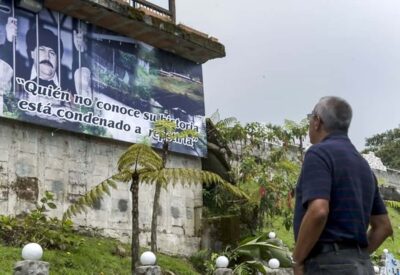
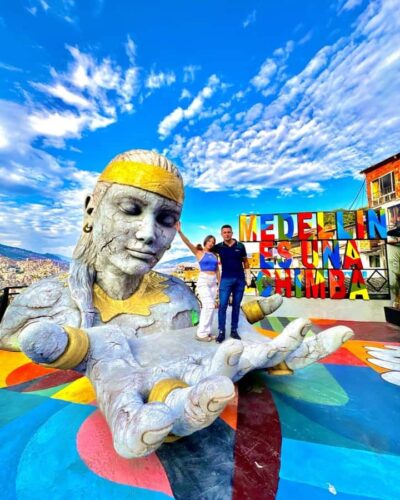
Medellín: Comuna 13 True Story and Street Food Tour
Read our review →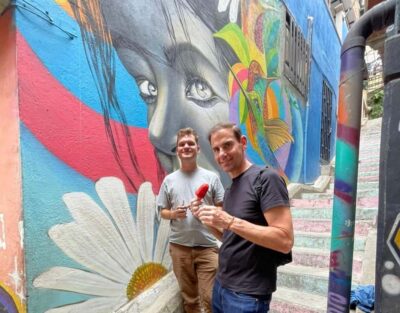
Medellín: Comuna 13 District Tour with Cable Car Ride
Read our review →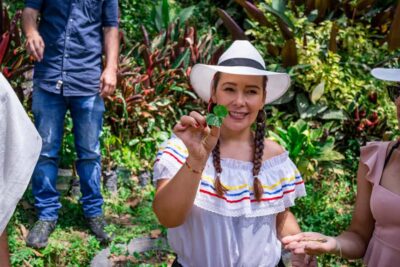
Medellin: Coffee Tour with Transport, Snacks and Tastings
Read our review →
From Medellín: Paragliding Tour with GoPro Photos & Videos
Read our review →
Medellín: Pablo Escobar Tour with beer included
Read our review →Browse the lists this tour appears in