
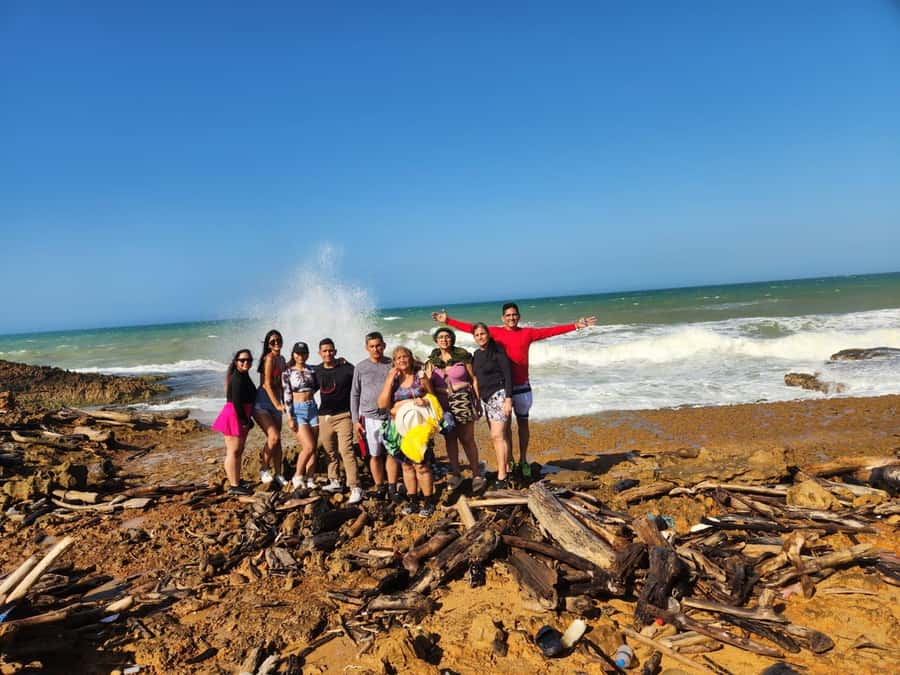
Reviewed · SANTA MARTA TOURS
TOUR DE 2 DIAS AL CABO DE LA VELA, LA GUAJIRA
Cabo de la Vela is where La Guajira’s desert meets the Caribbean, and this 36-hour trip gives you a direct look at the Wayuu people, Colombia’s largest Indigenous group. The long ride from Santa Marta is part of the deal, but so are big skies, sandy roads, a salt-flat visit, and a night at a Wayuu ranchería by the sea.
I like the all-inclusive format, which covers transport, food for two days, one night of lodging, a guide, and travel insurance. I also like the route’s strong sense of place: Palomino, Riohacha, Uribia, Cabo de la Vela, and Manaure each add something different.
The main concern is road safety and tour operation standards. One recent booking account describes a private car, unsafe driving, checkpoint confusion, and pressure to pay for an extra stop. Confirm the vehicle, driver, and operator arrangements before you leave Santa Marta.
Key points to know before booking
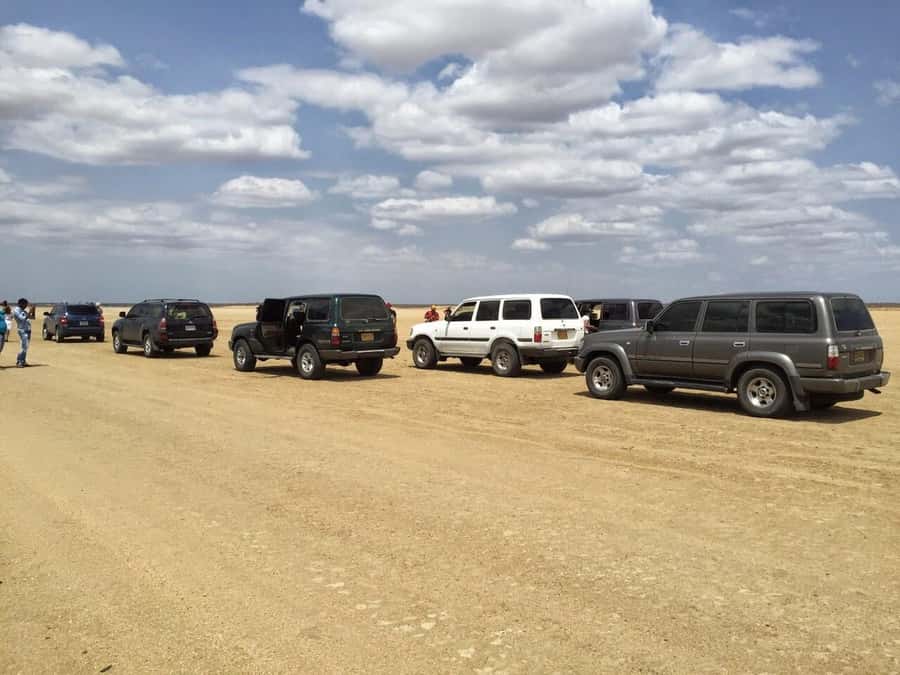
- Cabo de la Vela takes time: The 36-hour schedule includes a long overland journey from Santa Marta, not a quick beach excursion.
- Wayuu ranchería stay: You spend one night in Indigenous accommodation facing the sea, with dinner included.
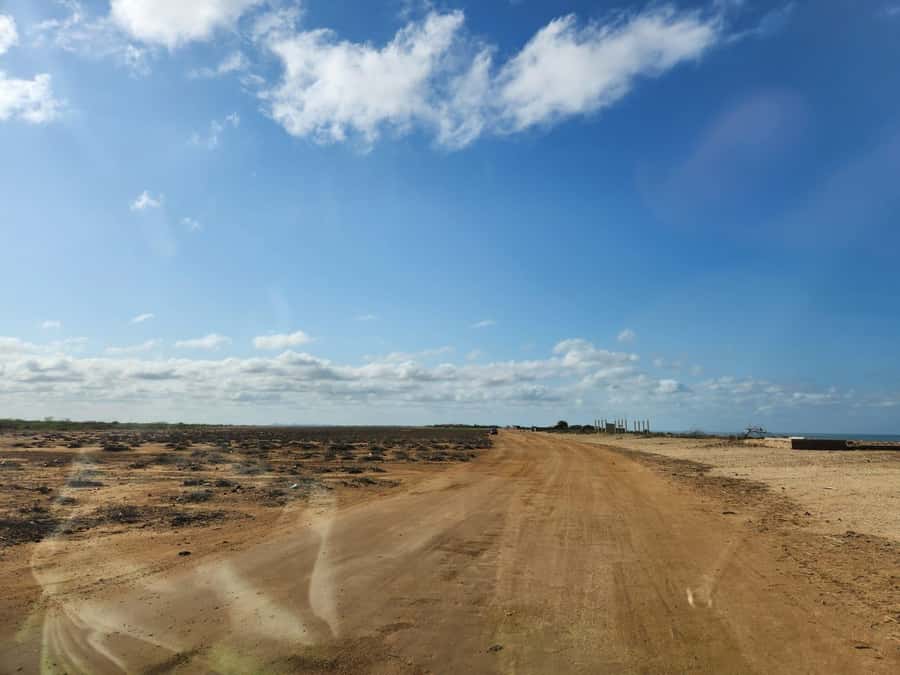
- Desert and Caribbean scenery: Expect sandy tracks, open dry country, beaches, a lighthouse sunset, and salt flats.
- Uribia adds cultural context: The stop is in the Indigenous capital of Colombia, with a supply break before reaching the cape.
- Spanish-speaking private tour: The group is private, and the live guide operates in Spanish only.
- Check the road arrangements: Ask what vehicle will be used and who will drive before committing to the trip.
The long road from Santa Marta to La Guajira
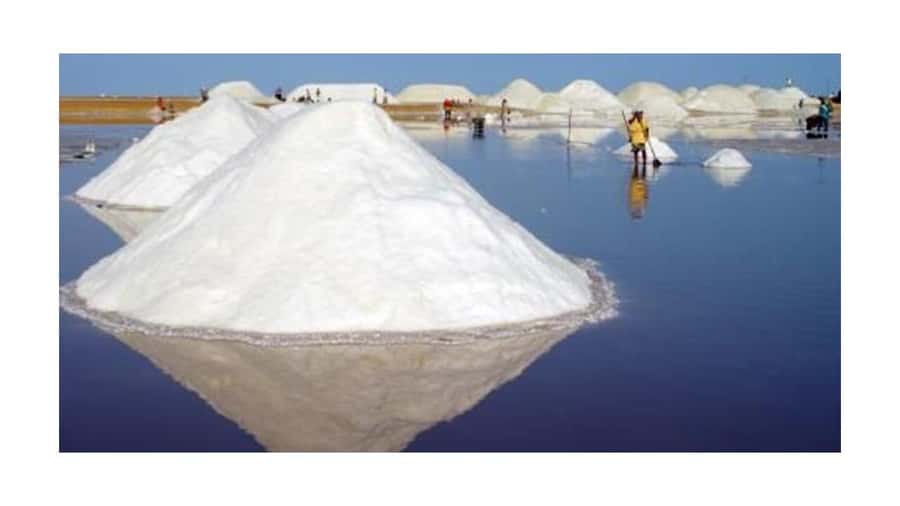
The tour starts with pickup at your hotel in Santa Marta, Rodadero, or Bello Horizonte. You need to be in the lobby 10 minutes early, since the guide will call you or ask for you at reception.
The first part of the journey heads toward Palomino. If the sky is clear, you may see the Colón and Bolívar peaks of the Sierra Nevada de Santa Marta. Those summits add a fine contrast to the dry country ahead. A typical coastal breakfast is also offered along the way, giving you something more substantial than a roadside snack before the long drive continues.
This is not a tour for anyone who dislikes sitting in a vehicle. The total experience lasts 36 hours, and the route covers several towns before reaching Cabo de la Vela. I would think of the drive as part of the cultural trip, not as dead time to be endured between attractions.
After Palomino, you continue toward Riohacha and then Uribia. Riohacha is the final major city on the route, while Uribia is described as the Indigenous capital of Colombia. The supply stop there matters because Cabo de la Vela is much more remote and offers fewer chances to pick up basic items.
Bring cash. That advice is listed directly among the tour preparations, and it makes sense for a remote route with unspecified extra services. I would also buy any personal snacks, drinks, or small necessities before leaving the larger towns.
A few more Santa Marta day trips to weigh up
- Santa Marta: Sailboat day tour to Tayrona Park
★ 4.5 · 352 reviews - From Santa Marta: Tayrona National Park Guided Tour
★ 3.8 · 131 reviews - Tayrona Bay Sailboat trip
★ 4.5 · 107 reviews
What the Wayuu ranchería stay adds
Around noon, the group is scheduled to reach a typical Wayuu ranchería for lunch. The trip then continues to Cabo de la Vela, where you stay overnight at another Wayuu Indigenous ranchería facing the sea.
The lodging is not presented as a conventional hotel. That is important. You are choosing a basic cultural stay because it puts you closer to Wayuu life and the setting that makes Cabo de la Vela special. If you need hotel-style facilities, polished rooms, or predictable comforts, ask detailed questions before booking.
The word ranchería refers to a Wayuu settlement or homestead. Here, it is also the base for the overnight stay, dinner, and part of the cultural experience. The strongest appeal is proximity. You are not simply driving through La Guajira for photographs, then returning to a city hotel. You sleep in the region and wake up there.
The tour description calls the experience multicultural and Indigenous-focused. Keep your expectations respectful and practical. This is a short introduction to Wayuu culture, not a full anthropology program. Your guide and host community shape how much conversation and explanation you receive, and the only guide language listed is Spanish.
Sugar Pylon, Virgin’s Beach, and the Cabo sunset
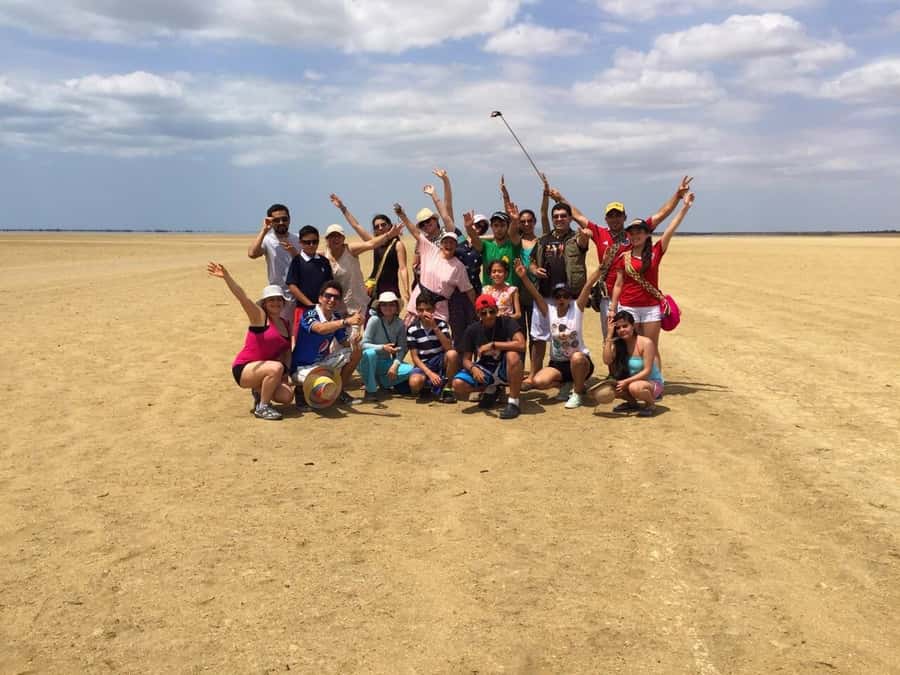
The Cabo de la Vela portion includes several stops with very different scenery. The Sugar Pylon is one of the named attractions. The itinerary does not provide a detailed explanation of the site, so your guide will be the best source of local context during the visit.
Virgin’s Beach offers the Caribbean side of the trip. After the hours of dry roads and desert scenery, a beach stop changes the pace. You get the visual contrast that defines this part of La Guajira: pale, open ground meeting the sea.
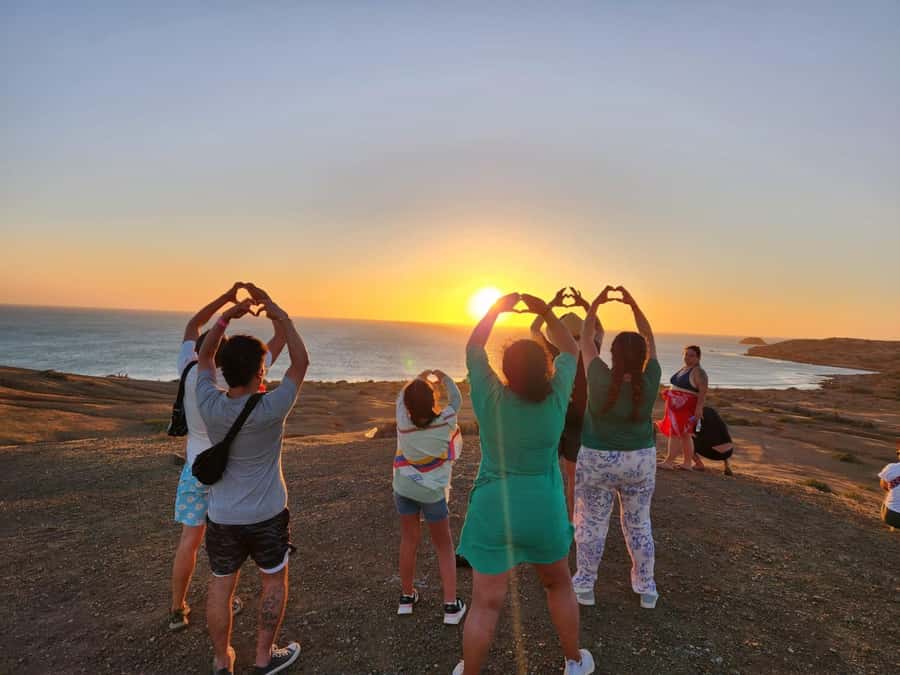
The day finishes with a Guajiro sunset at the lighthouse, followed by dinner at the ranchería. This is likely to be the most memorable part of the schedule because it combines a named viewpoint, evening light, and the overnight setting.
Still, keep the timing flexible. The route includes long road sections, and unpaved or sandy tracks can slow the trip. The published plan gives the order of the main visits, but it does not promise exact times at each stop.
The remote quality is a major reason to consider the tour. One booking account specifically praised the area for feeling wild and being outside mass tourism, while also noting the many kilometers of sandy track needed to reach it. That is the tradeoff in plain terms: fewer crowds and a more unusual setting, but a rougher journey.
Manaure salt flats on the second day
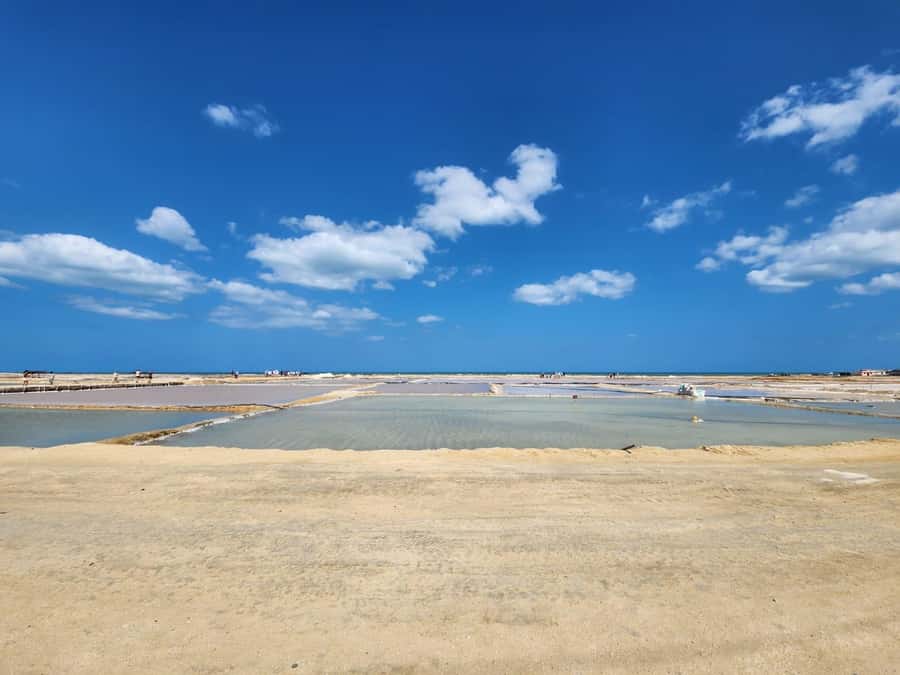
The second day continues to the Manaure salt flats before the return to Riohacha. Salt flats give you another side of La Guajira, far removed from the beaches and lighthouse.
The itinerary does not state how long you stay at Manaure or whether a local salt worker explains the production process. Ask your guide on the first day if that detail matters to you. You can still expect the stop to be scenic and distinctive, but do not assume a formal workshop or extended visit unless the operator confirms it.
After Manaure, the group returns to Riohacha for lunch. From there, the route continues back to Santa Marta. The meal schedule is included as part of the two days of food, but the exact menus are not specified. The breakfast is described as typical coastal food, and lunch is scheduled at the ranchería and again in Riohacha.
The return makes this a demanding trip. You will see more than you could on a short coastal outing, but the second day is not a relaxed morning followed by a brief transfer. Plan for another substantial period on the road.
Same city, a completely different kind of day:
- Santa Marta: Minca Coffee, Cocoa, & Waterfall Full-Day Trip
★ 4.6 · 102 reviews - From Santa Marta: Sunset Sailboat Tour with 2 Beverages
★ 4.3 · 93 reviews - Tayrona Park Hike And Beach Day
★ 5.0 · 91 reviews - Private transportation from Santa Marta city to Cartagena
★ 5.0 · 76 reviews
What the $279 price really covers
At $279 per person, the price is easiest to judge as a package rather than as a simple sightseeing ticket. It includes transport, one night at a ranchería, food for two days, travel insurance, and a professional guide.
That package can offer fair value if you want the trip arranged from Santa Marta. Organizing transport to Cabo de la Vela, remote lodging, meals, and the stops around the cape on your own would require more planning. The private-group format can also suit people who want to avoid joining a large bus group.
The value becomes less clear if you expect premium transport or a high level of guiding. The information does not specify the vehicle type, room setup, meal choices, or the guide’s name. It lists Spanish as the guide language, so English-speaking visitors should be ready to use Spanish or travel with someone who can translate.
Also note the wording unspecified services under exclusions. That leaves room for costs outside the package. Carry cash and ask directly about any proposed extra excursion, entrance, drink, or service before agreeing.
One recent booking account raises a serious concern about the operator, MAX TOUR OPERADOR. The customer described a private car rather than a marked tourism vehicle, said the group was told to pretend to be relatives at police checkpoints, and reported unsafe driving. The same account says the driver became forceful after an optional paid stop was declined.
I cannot treat one account as proof that every departure operates this way. But the details are serious enough that I would not ignore them. Before paying or departing, ask for the operator’s tourism authorization, the driver’s name, the vehicle details, and a clear list of included and extra costs. If the answers feel evasive, choose another provider.
The private-group format and guide language
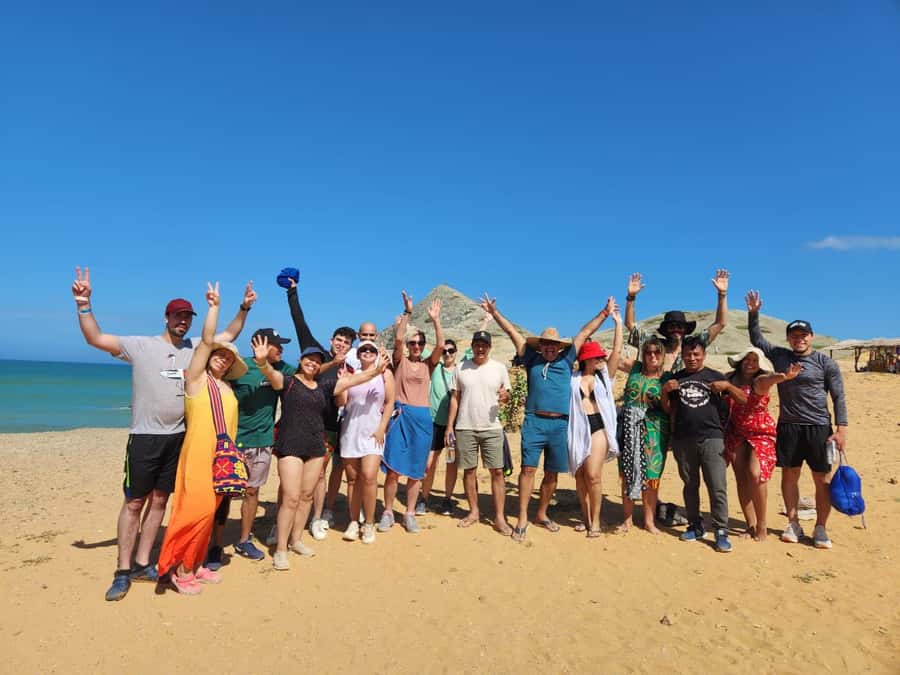
A private group gives you a more personal setup than a large shared excursion. You can ask questions, control the pace within reason, and spend the trip with your own party.
It does not automatically guarantee a polished experience. The driver may also handle guiding, and one account described the driver-guide as unsympathetic and limited in English. Since Spanish is the only listed language, that language issue is not a surprise, but it is still important for international visitors.
You should be comfortable communicating in Spanish about meals, stops, safety, and lodging. If you are not, arrange translation help in advance rather than hoping the guide will speak English.
The tour is best for people who value access and setting more than comfort. You will get closer to Wayuu accommodation and remote scenery than on a standard city-based excursion. You also accept a basic overnight stay, a long ride, uncertain road conditions, and fewer details about the daily operation.
What to pack for the sandy road
The tour specifically advises bringing a change of clothes, cash, clothes that can get dirty, and closed-toe shoes. Follow that advice.
Closed shoes are especially sensible for the sandy route and stops around the desert and salt flats. Wear clothing that can handle dust and road grime rather than your best beach outfit.
A change of clothes helps after the long drive and before dinner at the ranchería. The supplied information does not list towels, toiletries, sun protection, or water, so ask the operator what is provided and bring personal items you normally need.
You also need to submit your complete name, age, nationality, identification details, and hotel address. Give the hotel address accurately, since pickup is tied to hotels in Santa Marta, Rodadero, and Bello Horizonte.
Who will enjoy this tour most
I would recommend this experience to you if you want a remote Colombian road trip with Indigenous culture, desert scenery, and a sea-facing overnight stay. It suits people who see rough roads as part of the story and who would rather visit a less developed destination than stay on a polished tourist route.
It can also work well for a private party that wants transport and meals arranged in advance. The all-inclusive structure removes several planning tasks, especially for a place as remote as Cabo de la Vela.
I would hesitate if you need reliable English guidance, careful driving, hotel-level accommodation, or a tightly timed schedule. The route is long, the information about the vehicle and lodging is limited, and the safety complaint connected with one departure deserves a direct check before booking.
The score attached to the activity is 4.4 from 14 ratings, which suggests the experience works well for many people but is not free of concerns. The positive core is clear: wild scenery, Wayuu culture, and a route far from mass tourism. The weak points are also clear: communication, road conditions, and questions about one operator’s conduct.
Should you book the Cabo de la Vela tour?
Book it if your priority is seeing a remote part of La Guajira with Wayuu ranchería lodging, desert roads, beaches, a lighthouse sunset, and Manaure salt flats in one organized trip from Santa Marta.
Before you commit, contact MAX TOUR OPERADOR and confirm the vehicle, driver, tourism authorization, exact lodging arrangement, meals, and all possible extra charges. Ask whether the guide is Spanish-only, then decide if that works for your group.
The destination deserves the effort, but the operator matters greatly here. If the answers are clear and the transport looks properly arranged, the tour offers a memorable two-day introduction to Cabo de la Vela. If safety questions remain unanswered, spend your $279 with a provider that can give you firmer details.
FAQ
How long does the Cabo de la Vela tour last?
The tour lasts 36 hours over two days.
Where does pickup take place?
Pickup is included from hotels in Santa Marta, Rodadero, and Bello Horizonte. You should wait in the hotel lobby 10 minutes before pickup.
What language does the guide speak?
The live tour guide speaks Spanish. English guiding is not listed.
Is the tour private?
Yes. The activity is described as a private-group tour.
What is included in the price?
The price includes transport, one night of accommodation at a ranchería, food for two days, travel insurance, and a professional guide.
Where do you stay overnight?
You stay for one night at a Wayuu Indigenous ranchería facing the sea.
What should you bring?
Bring a change of clothes, cash, clothes that can get dirty, and closed-toe shoes. You must also provide your complete name, age, nationality, identification details, and hotel address.
Just added around Santa Marta
- Diving Santa Marta & Tayrona for Certified Divers (2 tanks)★ 3.9 · 3 reviews
- Minca, Marinka Waterfall & Hostel Sierra Minca★ 4.7 · 3 reviews
- Santa Marta: Museum of the Sea and Playa Blanca Beach Tour★ 4.8 · 3 reviews
- Palomino: Private Tour to Tungueka Indigenous Village★ 3.7 · 3 reviews
- Tour to Punta Gallinas with Cabo de la Vela 3 Days★ 3.3 · 4 reviews
- Tayrona Park & Playa Cristal★ 3.8 · 4 reviews
- SANTAMARTA: TOUR Remanso, Taganga, Playa Grande Lunch and Snorkeling Included★ 3.5 · 4 reviews
- Avistamiento de aves en Minca Sierra Nevada de Santa Marta★ 5.0 · 4 reviews
Santa Marta Tours, compared.
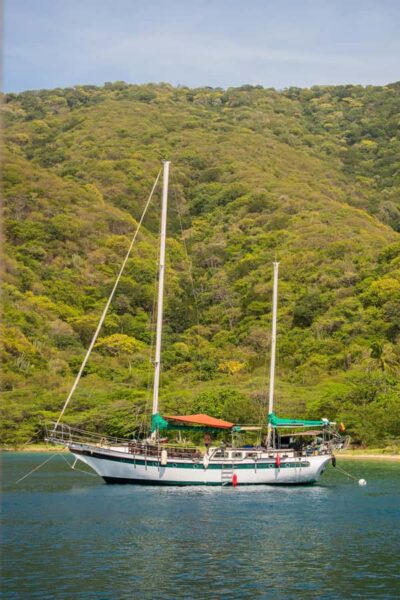
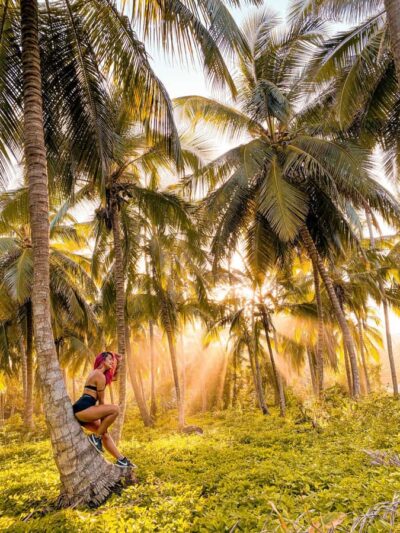
From Santa Marta: Tayrona National Park Guided Tour
Read our review →
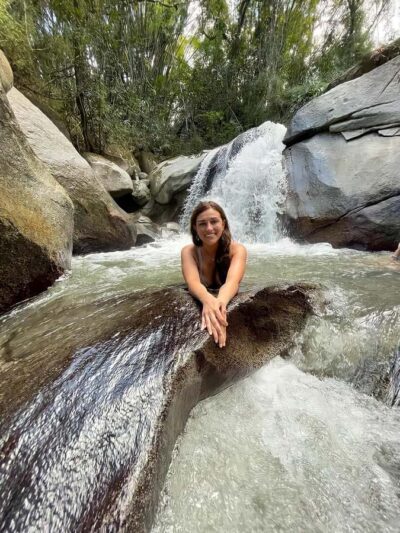
Santa Marta: Minca Coffee, Cocoa, & Waterfall Full-Day Trip
Read our review →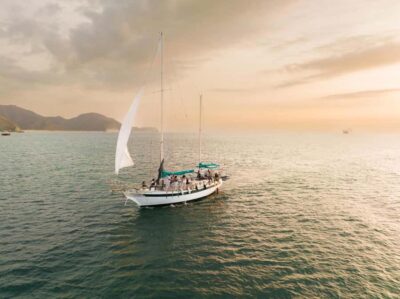
From Santa Marta: Sunset Sailboat Tour with 2 Beverages
Read our review →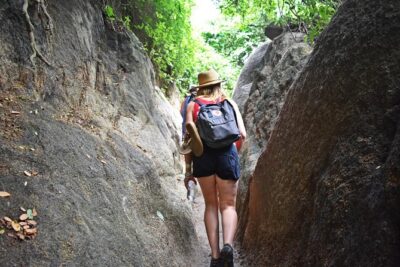
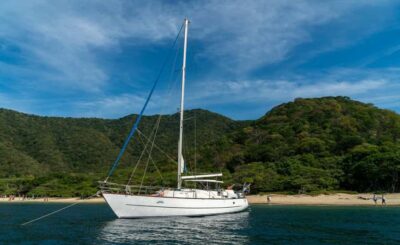
Santa Marta: Sailing Tour to Tayrona Park with Luis’ Team
Read our review →
Browse the lists this tour appears in