
Reviewed · MEDELLÍN TOURS
Pablo and the drug trafficking world
Pablo Escobar’s story makes the most sense when you leave the television version behind and visit the places tied to it. This small-group tour links five important sites, including his self-built prison, grave, teenage home area, and the house where he was killed, while Juan Eduardo explains how Medellín changed around them.
I like the four-person limit, which gives you time to ask direct questions, and I like the use of old photographs to show what places looked like during the cartel years. The private car also matters, especially for reaching La Catedral in the mountains. The main drawback is the long drive between stops and the emotionally heavy subject, which will not suit every visitor.
Key points to know before you book
- La Catedral is the rare highlight: The former prison sits in the mountains and offers broad views over Medellín, but some areas shown in older promotional images, including the helipad, are no longer accessible.
- Juan Eduardo leads the tour: He guides in English and Spanish, explains the wider Medellín Cartel story, and uses photographs to make names, dates, and places easier to follow.
- The group never exceeds four people: You get a quieter ride, more room for questions, and less waiting at each stop.
- The route covers five significant locations: Expect a former residence turned memorial area, La Catedral, a place connected with Escobar’s youth, Jardines Montesacro cemetery, and his final hiding house.
- Private transportation saves your legs: The sites are spread far apart, and the car handles the mountain road and city traffic more easily than a large bus.
- Plan for sun and a serious subject: Bring sunscreen, cash for water or snacks, needed medication, and a passport copy in case local police ask for identification.
Why this tour needs more context than a television series
A Pablo Escobar tour can easily become a parade of notorious names and dramatic photographs. This one is more useful when you treat it as a history lesson about Medellín and Colombia, not as a hunt for criminal souvenirs.
Juan Eduardo explains how Escobar entered the drug trade, how the Medellín Cartel gained power, and how violence affected the city and country. The aim is to place his crimes beside the political, social, and human cost. You should come away understanding not only where Escobar lived and died, but also why Medellín was once viewed as one of the most dangerous places in the world and what has changed since then.
The guide uses a binder or phone images showing people and places from the period. That visual help is valuable. Names connected with the cartel can blur together, and a modern street corner rarely resembles its historical image. Looking at an older photograph while standing near the same location gives the tour a clearer timeline.
The tone is serious but not stiff. Juan is also described as funny and easy to talk with, which helps during the long drives. He answers questions rather than simply reciting a prepared speech, and the small group makes that possible.
A few more Medellin day trips to weigh up
- Medellin: Comuna 13 Graffiti Tour, Cable Car & Street Food
★ 4.8 · 9,046 reviews - Medellín: The Real Pablo Escobar Tour
★ 4.8 · 3,205 reviews - Medellín: Comuna 13 True Story and Street Food Tour
★ 4.9 · 1,779 reviews
Starting in Laureles or El Poblado
Pickup is arranged from one of two general meeting areas: Éxito in El Poblado or the Primer Parque de Laureles. Juan Eduardo sends the exact location and meeting details through WhatsApp, usually the day before, so keep your number current and check your messages.
For afternoon departures, the meeting point is generally the Primer Parque de Laureles. That choice is practical because Medellín traffic can slow the route, and starting in Laureles helps the driver make better use of the four-and-a-half-hour schedule.
The tour ends at Éxito Wow Poblado. In some cases, the guide has helped with a return to a hotel, but do not treat that as a guaranteed part of the route. Confirm your final drop-off when you arrange the tour.
The car is an important part of the plan. The stops are scattered across the city and hills, so you are not spending the day changing between buses or walking long distances. A small vehicle can also reach La Catedral more easily than a large coach. One practical note: a past outing was affected when the car was clamped near the final stop, so it is wise to know how to reach public transport if the planned return changes.
Stop one: the former home and memorial setting
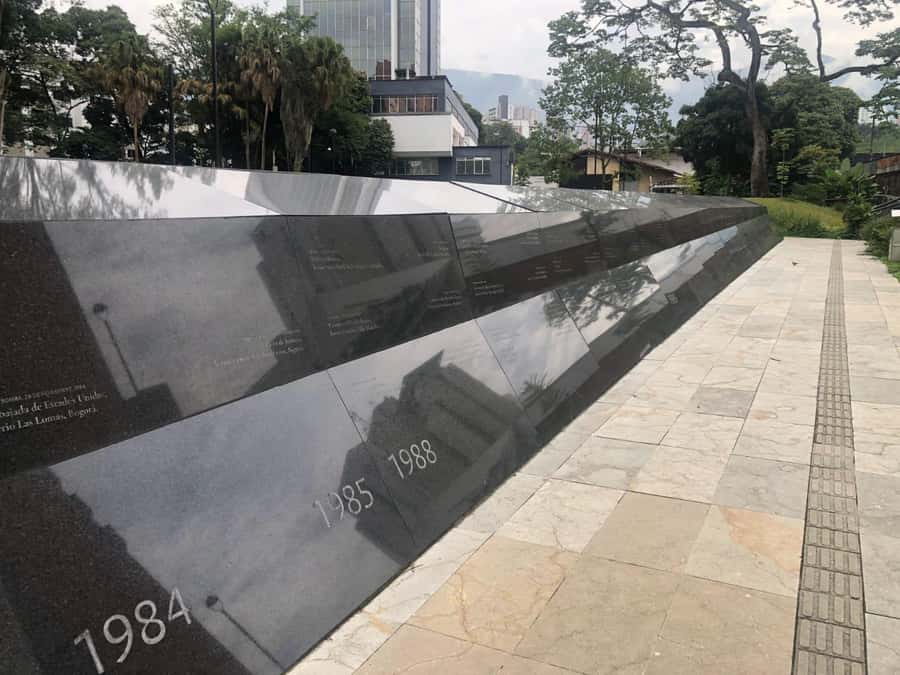
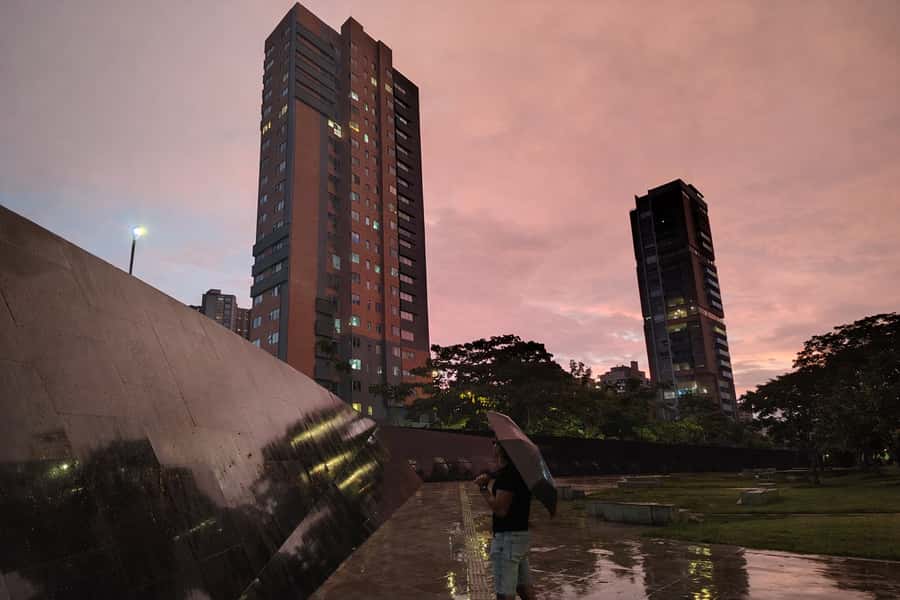
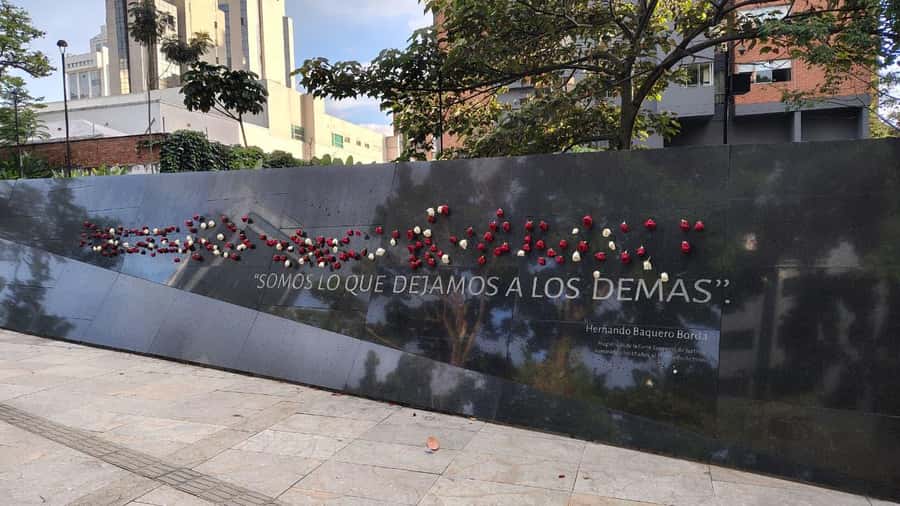
The first location is connected with one of Escobar’s houses. It is now a memorial park or public site rather than a private residence, making it a useful place to begin the story.
This stop helps you see the contrast between the modern city and the period being discussed. You will have time for photographs, and the guide uses images to explain what the location meant during Escobar’s rise. The stop lasts about 25 minutes.
The sun can be strong here, so bring sunscreen and water money. There is no promise of included food or drink, although the group can stop somewhere if you need refreshments.
Do not expect a preserved mansion filled with original furnishings. The value is the location and the explanation around it. You are seeing a site that has moved from personal power to public memory, which says something about how Medellín now handles this difficult past.
Stop two: La Catedral and the mountain road
For many people, La Catedral is the reason to choose this tour. Escobar built the prison for himself after negotiating an arrangement that allowed him to surrender while retaining extraordinary control over his confinement. The site is reached in the mountains, and the drive itself becomes part of the lesson.
At the prison area, Juan explains how the arrangement worked and why it became such a notorious episode. The setting is striking, with views over Medellín that help explain the site’s appeal and isolation. You are not simply looking at a prison building. You are looking at a place built around power, privilege, and a failed attempt to contain a major criminal figure.
Allow about 25 minutes at the stop, with additional time spent driving through the hills. The route can be winding, and conditions may vary, so this is not the best part of the tour for anyone who struggles with mountain roads.
A useful warning: the helipad shown in some older tour photographs is no longer accessible. You still visit the area where La Catedral was located and hear the story, but do not book expecting access to every feature shown in promotional images.
The views are a genuine bonus. From up here, Medellín’s size and bowl-like setting become easier to understand. The city’s geography helped shape movement, policing, and the way different neighborhoods related to one another. Juan connects the view to the history rather than leaving you with a scenic photo and no explanation.
Same city, a completely different kind of day:
- Medellín: Comuna 13 District Tour with Cable Car Ride
★ 4.8 · 1,467 reviews - Medellin: Coffee Tour with Transport, Snacks and Tastings
★ 4.7 · 1,357 reviews - From Medellín: Paragliding Tour with GoPro Photos & Videos
★ 4.9 · 1,210 reviews - Tour Guatapé
★ 5.0 · 865 reviews
Stop three: Escobar’s teenage years and the personal timeline
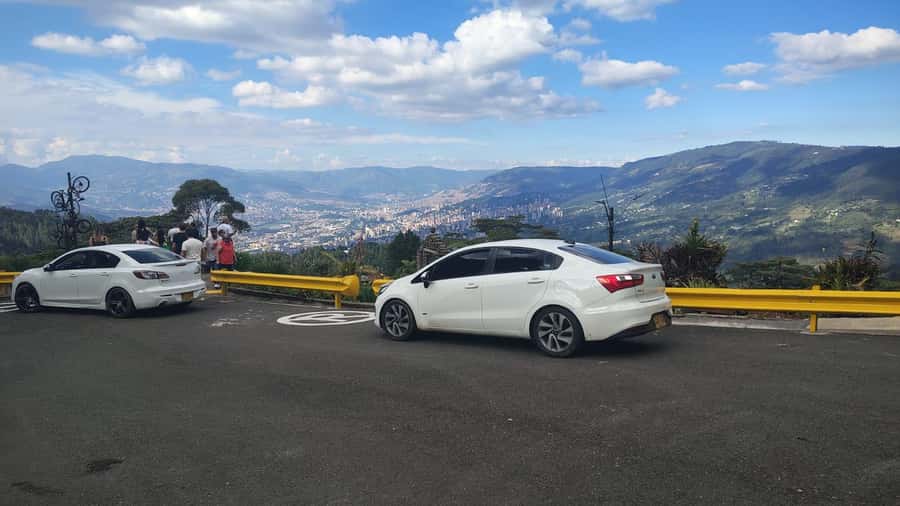
Another stop focuses on the place where Escobar grew up as a teenager. The itinerary identifies this part of the route through a map pin and allows about 15 minutes at Cancha El Dorado.
This is a shorter visit, but it serves an important purpose. Escobar did not appear fully formed as a cartel leader. The guide uses this stop to explain his early years and the path from local criminal activity to large-scale drug trafficking.
The sports court and surrounding area are part of present-day Medellín, not a museum built around Escobar. That makes the visit less theatrical and more grounded. You are seeing an ordinary urban setting attached to an extraordinary and painful story.
The third stop is also where a bathroom is available. If you need one earlier, ask the guide rather than waiting. The route is more comfortable when you handle small practical needs before the mountain and cemetery stops.
Stop four: Jardines Montesacro cemetery
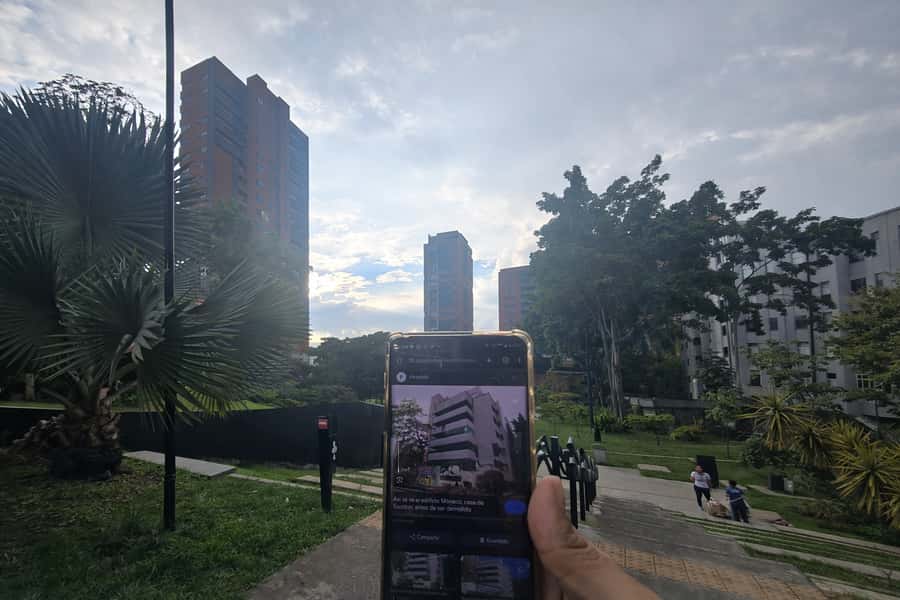
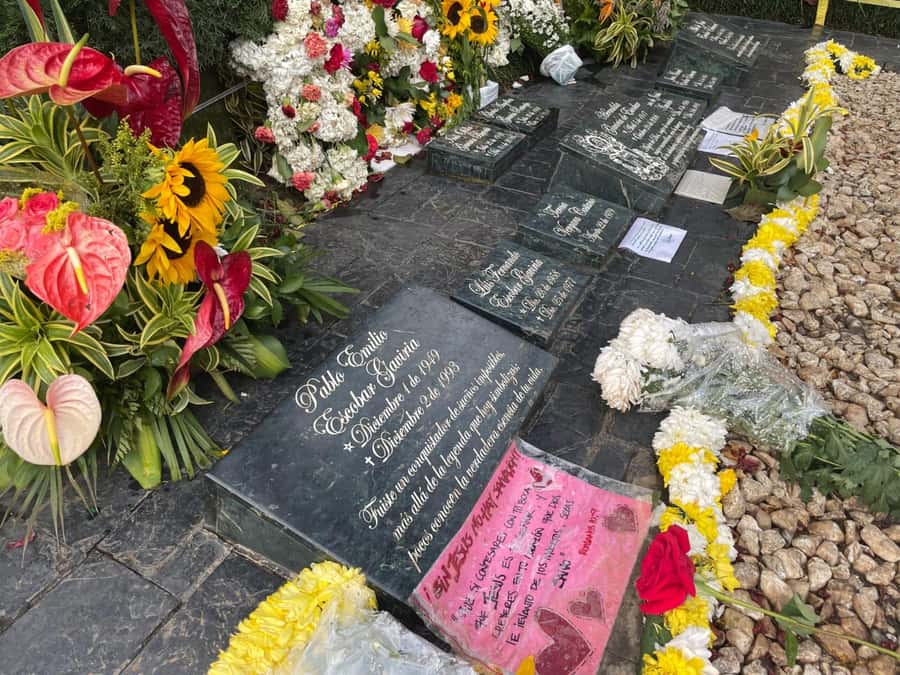
At Jardines Montesacro, you visit Escobar’s grave. The stop lasts around 20 minutes and gives the guide room to discuss the end of Escobar’s life, his family, and the public memory that formed around him.
A grave can create an awkward balance. Some people arrive with strong interest from crime shows, while others are thinking about the victims and the damage left behind. Juan’s approach is to discuss more than Escobar’s criminal image. The tour places his influence beside the violence suffered by Medellín and Colombia.
You can take photographs, but this is a place where restraint matters. The cemetery is not merely another photo opportunity. It is a real burial ground, and the guide’s explanation helps keep the visit from turning into celebrity worship.
This stop also gives you a chance to ask about the wider cartel network and other figures involved in the period. The tour is not limited to a single biography. If you have watched Narcos or similar programs, bring your questions, but expect the guide to separate dramatized television from local history.
Stop five: the house where Escobar was found
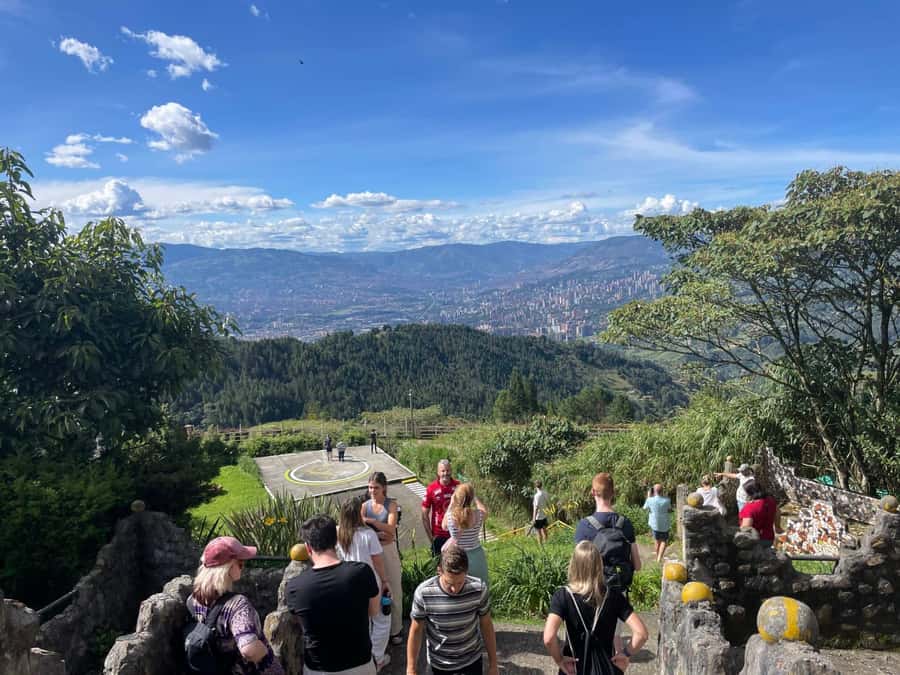
The final scheduled site is the house where Escobar was hiding and where he was shot. The visit lasts about 20 minutes and closes the physical timeline that began with his early years and moved through his criminal power, prison, burial, and death.
Juan uses photographs and details from the period to explain how the hiding place was located and what happened there. The modern building and street may look unremarkable, which is exactly why the historical material matters. Without context, you could easily pass the site without understanding its role.
Some descriptions of the wider route also refer to Inflexion Park, a site connected with the memory of cartel violence. Confirm the exact final stop when booking, since the scheduled information identifies the hiding house while one account describes a stop at Inflexion Park. That small clarification prevents you from expecting a different location.
The final stop can be emotionally difficult. You are standing at a place linked to death, after spending hours hearing about assassinations, intimidation, and the destruction caused by the drug trade. If you want a lighter final activity afterward, leave yourself some quiet time rather than scheduling another demanding tour immediately.
Four and a half hours in a private car
The stated duration is 270 minutes, or four and a half hours. Some outings have felt closer to five hours because of traffic, questions, and the distance to La Catedral. Give yourself extra room before your next appointment.
The maximum group size is four. That is a major advantage if you want to ask about details, compare Colombia’s experience with what you have seen on television, or ask for help understanding the Spanish terms used at each location.
The car also keeps the route efficient. One past participant noted that the vehicle moved through traffic more easily than a bus would have and could reach the mountain prison site. The trade-off is that a private car is less spacious than a tour coach, especially if four adults bring large bags. Leave valuables behind, and never bring items prohibited in the vehicle.
The tour is offered in English and Spanish. It can also work for a mixed-language group, with the guide explaining in both languages when needed. No other language is included.
What the $50 price means
At $50 per person, this tour costs more than a basic city walk but offers far more transport and time than a short neighborhood visit. You are paying for a small group, a bilingual guide, a private vehicle, five stops, and a route that includes La Catedral, a location many shorter tours skip.
The value is strongest for two or four people who want a personal history tour without a large bus. You can ask questions throughout the drive, and the guide can adjust the pace within the fixed schedule. A solo visitor may find the per-person price less attractive, but the small group still gives you a more direct experience.
Food, drinks, and entrance costs beyond the stated tour arrangements are not included. Carry cash for water or a snack. There is an optional opportunity to meet Escobar’s brother, Roberto, who was involved with the Medellín cartel and is still alive, but that is a separate activity with an additional fee.
A current special-month promotion offers 20 percent off, though you should confirm the final price and dates before paying. Free cancellation is available up to 24 hours ahead, and you can reserve now and pay later, which helps if your Medellín schedule is still shifting.
Who will get the most from this experience
I would choose this tour if you want the history behind the headlines and prefer direct conversation to a large group. It suits adults interested in Colombian history, organized crime, urban change, journalism, and the way communities remember violence.
It is also a good choice if you have watched Narcos or other crime programs and want to test the television version against real places. Juan Eduardo can explain the wider setting and answer questions about the Medellín Cartel, but you should be ready for a serious discussion rather than a staged crime-themed attraction.
The tour is not suitable for children under eight or people over 75. The mountain drive, cemetery, and subject matter may also be uncomfortable for anyone looking for a cheerful introduction to Medellín.
Bring sunscreen, medication, and a copy of your passport. A copy is accepted if police stop the vehicle to request information. Weapons, sharp objects, alcohol, smoking, pets other than assistance dogs, speakers, skateboards, surfboards, fireworks, and other listed items are not allowed.
Should you book the Pablo Escobar tour?
Book it if La Catedral matters to you, since that is the stop that separates this route from many shorter Pablo Escobar outings. Book it if you want a small, bilingual group and a guide who uses photographs, keeps the story organized, and gives you time to ask questions.
Skip it if you are uncomfortable visiting a grave or a death site, or if you want a general Medellín city tour with food, art, and neighborhoods at the center. This experience concentrates on one dark chapter, though its best moments explain how the city and country moved beyond it.
For most adults with a serious interest in the subject, the combination of five locations, private transport, mountain views, and Juan Eduardo’s personal guidance makes the $50 price fair. Confirm the final stop, meeting point, and access conditions at La Catedral before you go, then arrive prepared for sun, traffic, and a sobering but useful history lesson.
FAQ
How long does the Pablo Escobar tour last?
The tour lasts 270 minutes, or about four and a half hours. Traffic, questions, and the mountain drive to La Catedral can affect the exact finish time.
What languages are available?
The tour is available in English and Spanish. No other languages are included.
How many people can join the tour?
The group is limited to four participants. This allows more time for questions and a more personal pace at each stop.
Where can I be picked up?
Pickup is arranged from two options: Éxito in El Poblado or Primer Parque de Laureles. The guide sends the exact meeting point through WhatsApp, usually the day before. Afternoon departures generally use Primer Parque de Laureles to reduce the effect of rush-hour traffic.
What places will I visit?
The route includes a former Escobar residence that is now a memorial park, La Catedral, a place connected with his teenage years, his grave at Jardines Montesacro, and the house where he was hiding when he was killed.
Is food or drink included?
No. Snacks and drinks are not included, so bring cash for water or food. The guide can stop somewhere if you need refreshments.
Can I cancel or pay later?
You can cancel up to 24 hours in advance for a full refund. You can also reserve the tour and pay later, subject to the booking conditions in effect when you reserve.
Just added around Medellin
- Comuna 13: Recorrido de Arte Urbano, Cultura y Resiliencia★ 5.0 · 3 reviews
- Tour to Río Claro and La Caverna del Cóndor★ 5.0 · 3 reviews
- Medellin: Tour to The Cathedral – History of Pablo Escobar and his Impact★ 5.0 · 3 reviews
- Medellín: Coffee Tour Experience at a Coffee Farm★ 4.8 · 3 reviews
- Medellin: waterfalls and naturals poolls tour★ 3.7 · 3 reviews
- Medellín: Private City Tour and Comuna 13 Tour★ 3.8 · 3 reviews
- Tour Medellín: Pablo Escobar and Commune 13★ 5.0 · 3 reviews
- Colombia: Official Pablo Escobar Meet the Family Museum Tour★ 5.0 · 3 reviews
Medellín Tours, compared.

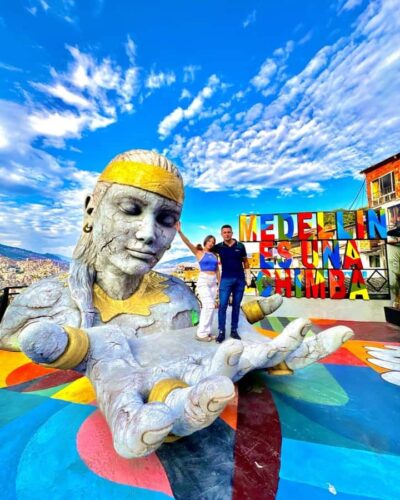
Medellin: Comuna 13 Graffiti Tour, Cable Car & Street Food
Read our review →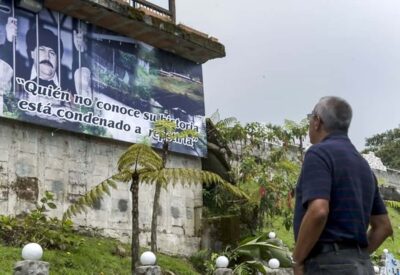
Medellín: Comuna 13 True Story and Street Food Tour
Read our review →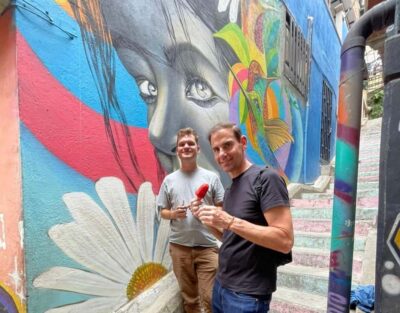
Medellín: Comuna 13 District Tour with Cable Car Ride
Read our review →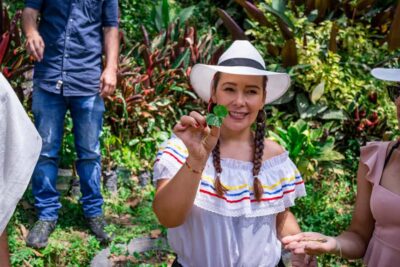
Medellin: Coffee Tour with Transport, Snacks and Tastings
Read our review →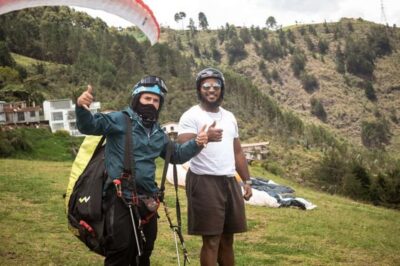
From Medellín: Paragliding Tour with GoPro Photos & Videos
Read our review →
Medellín: Pablo Escobar Tour with beer included
Read our review →Browse the lists this tour appears in