
Reviewed · CARTAGENA TOURS
Cartagena City Tour with San Felipe Castle & Old Town Walk
Cartagena’s best sights fit into a compact route here, but the real prize is the local guide’s storytelling. You move from San Felipe Castle’s dark tunnels to the old city’s grand squares, then finish among the murals and music of Getsemaní. The route gives you a useful first look at Cartagena’s past and present.
I like the private format, which gives you room to ask questions, and I like that entry to both San Felipe Castle and San Pedro Claver Church is covered. The main consideration is time: four hours goes quickly, and you will see many important places from the outside rather than tour every historic interior.
Key points at a glance
- San Felipe Castle begins the story: Explore battlements, tunnels, and defensive works at South America’s largest Spanish fort.
- A private bilingual guide keeps the pace personal: Tours are offered in English or Spanish, with time for questions and local context.
- The walled city route links major landmarks: Walk through the Clock Tower, Plaza de la Aduana, San Pedro Claver Square, and Plaza de Bolívar.
- Centenario Park brings an unexpected change of scenery: Sloths, monkeys, and iguanas may be seen moving through this city-center park.
- Getsemaní supplies the colorful finale: Murals, flower-filled balconies, music, and street life show Cartagena beyond its grand colonial façades.
- The four-hour schedule favors an overview: It suits a first visit, but travelers wanting cathedral, Inquisition Museum, Santo Domingo Church, and other interiors should allow more time elsewhere.
Why San Felipe Castle is the right place to start
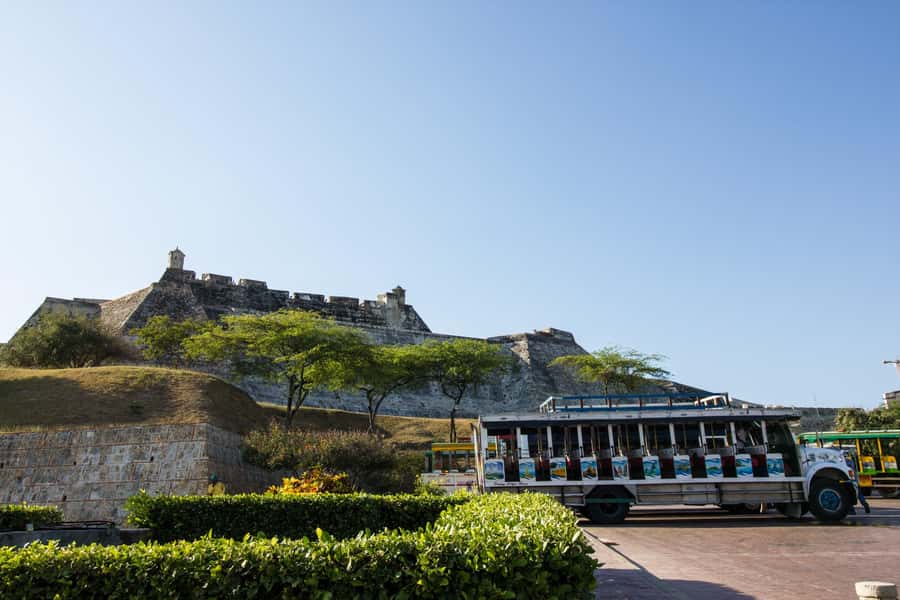
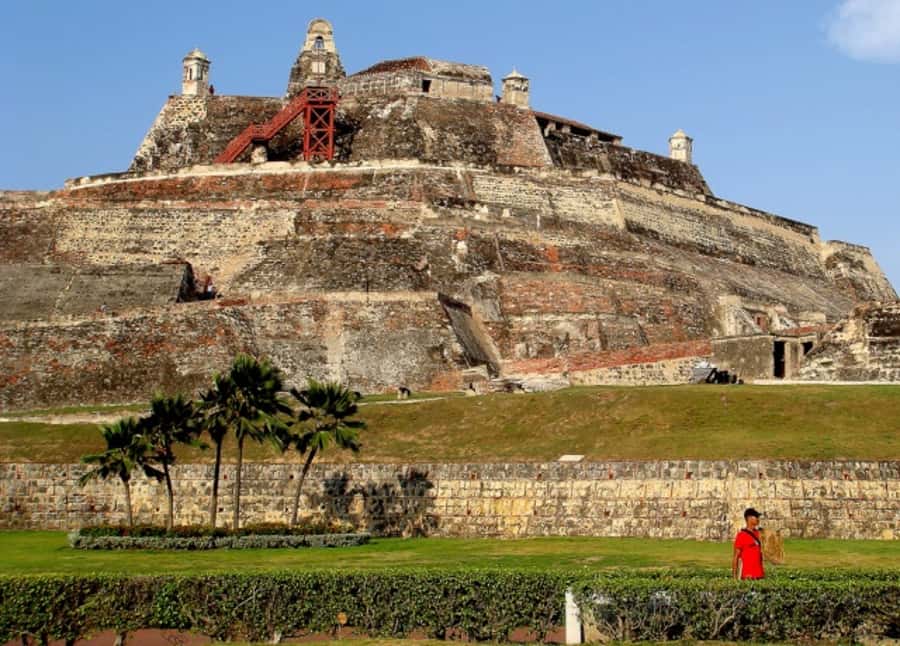
The tour opens at Castillo de San Felipe, the huge Spanish fortress on a hill above Cartagena. Its location tells you much about the city before your guide says a word: this was a strategic port, and controlling the approaches mattered to anyone hoping to control the Caribbean trade route.
You will walk through the fort’s tunnels, along its battlements, and around its defensive structures. The architecture is the star here. Narrow passageways and thick walls show how the builders planned for attack, movement, and defense in a way that is easier to understand on foot than from a museum label.
I would pay close attention to the guide’s explanation of the battles and conquests connected with the castle. The fortress is more than a photogenic stop. It helps explain why Cartagena became so important and why the city required such heavy protection.
The hill and stone surfaces make comfortable shoes essential. Cartagena is hot and sunny, so bring a hat, sunglasses, and sunscreen. The first part of the outing uses an air-conditioned vehicle, but you should expect walking in the open air once the historic-center portion begins.
One practical limit is worth noting. San Felipe is large, and four hours must also cover the old city, park, and Getsemaní. You will get a focused look at its main features, not an hour-by-hour military study. If fortifications are your main interest, plan a separate return visit.
More Walking Tours in Cartagena
- Cartagena: Historic Center and Getsemaní Shared Walking Tour
★ 4.9 · 2,716 reviews - Cartagena: Walled City and Getsemani Shared Walking Tour
★ 4.5 · 352 reviews - 3 Tapas Cartagena walking tour
★ 4.5 · 105 reviews
Entering the old city through the Clock Tower
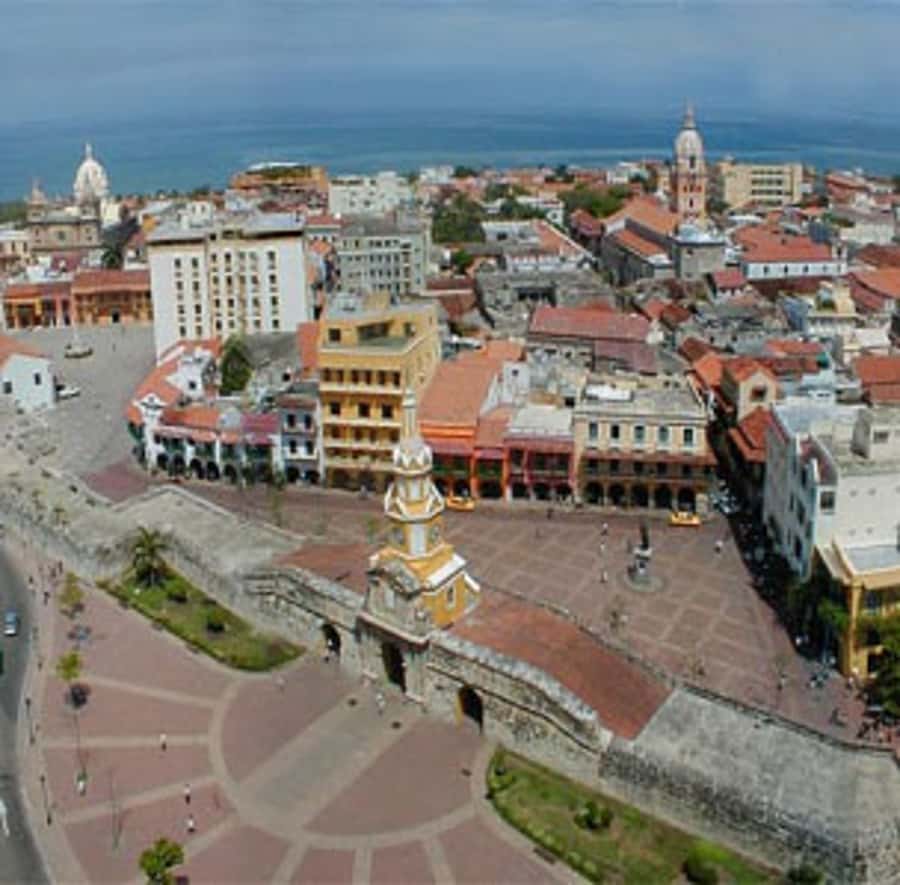
After the castle, the route continues into Cartagena’s walled historic center. You enter through Torre del Reloj, the Clock Tower, a landmark that works as both an actual entrance and a dramatic change of scene.
Inside, the streets lead toward colonial squares and historic façades. The buildings are appealing, but the guide adds the context that turns a pretty walk into a useful lesson. Cartagena’s past includes wealth, empire, commerce, forced labor, religion, and resistance. Those subjects deserve clear treatment, and the tour addresses them as you move through the center.
The private setting helps here. You can stop to ask how a square was used, why a building mattered, or how the city changed over time. The guide speaks English or Spanish, and the activity is designed for a private group rather than a large shared party.
Plaza de la Aduana and Cartagena’s difficult past
Plaza de la Aduana is one of the most important stops for understanding Cartagena’s colonial role. It was once a major site in the trade of enslaved Africans, a fact that can be easy to miss if you focus only on the plaza’s architecture and modern activity.
Your guide brings that history into the walk, connecting the square’s grand setting with the human cost behind the city’s colonial economy. I consider this one of the tour’s most valuable elements. A city visit should not smooth away the uncomfortable parts of the past, and this stop gives you a more honest view of Cartagena.
You will not spend the entire tour at the plaza, so listen closely and ask questions while you are there. The schedule is designed to keep moving, and the guide has several more landmarks to cover. That pace is useful for orientation, though it may feel brief if you want a long discussion of colonial trade.
San Pedro Claver Church and a short pause
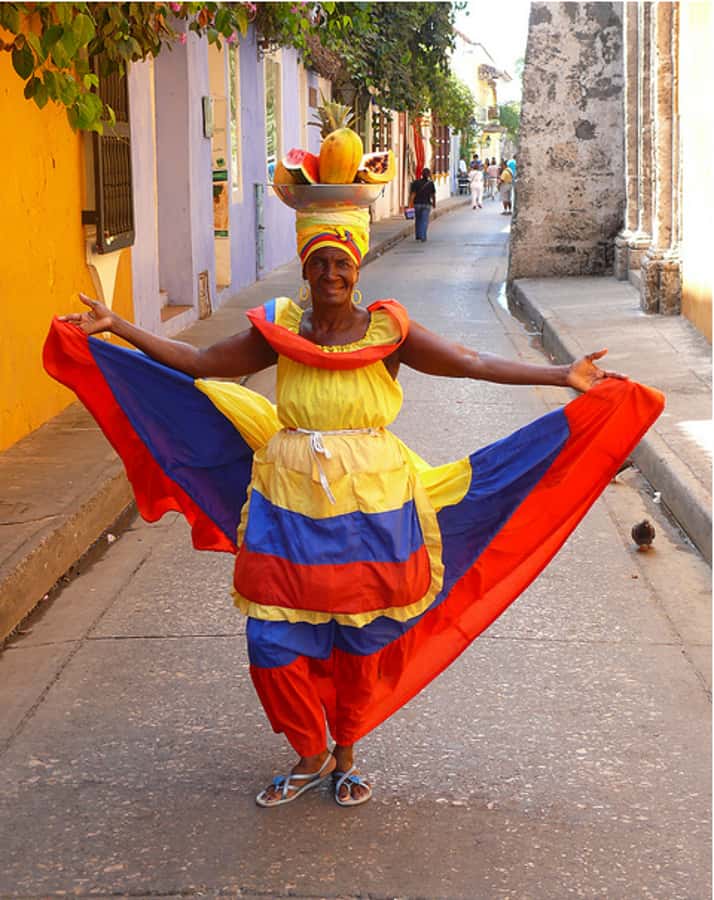
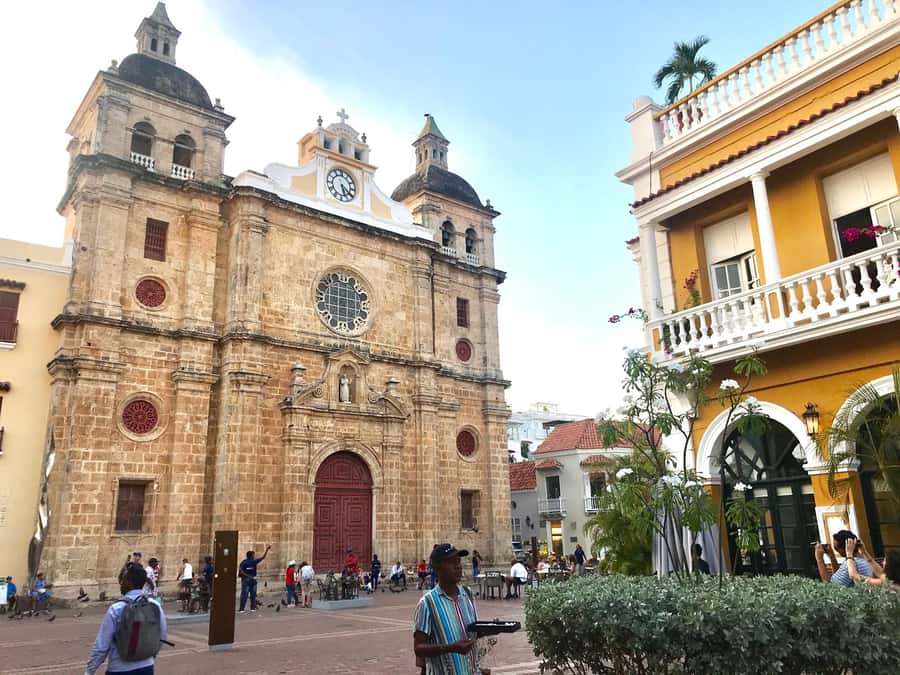
The walk continues to San Pedro Claver Square and the church dedicated to San Pedro Claver, a figure associated with defending the rights and dignity of enslaved people. The church’s façade gives the square a strong visual focus, while the surrounding streets keep the setting active and social.
Admission to San Pedro Claver Church is included. That matters because it lets you step beyond the street view and see the interior as part of the tour rather than having to decide on another ticket and another stop later.
The tour description also allows time for a refreshing juice or Colombian coffee in the area. Treat this as a brief pause, not a full meal. Snacks are included, but lunch is not, so you should plan to eat before or after the four-hour outing.
This stop adds a human and religious dimension to the castle and colonial squares. I like the contrast: San Felipe explains military power, while San Pedro Claver Church points toward faith, social responsibility, and Cartagena’s cultural identity.
Same city, a completely different kind of day:
- Cartagena: Rosario Islands Catamaran with Lunch and Snorkel
★ 4.5 · 2,479 reviews - Full-Day Rosario Islands Including Barú, Bocachica & Playa Blanca
★ 4.0 · 1,729 reviews - Cartagena de Indias: 2-Hour Sunset Cruise
★ 4.7 · 1,105 reviews - 2-hour tour in Cartagena Sunset View in party boat
★ 4.6 · 899 reviews
Plaza de Bolívar and the art of slowing down
Plaza de Bolívar offers a quieter moment in the middle of the walking route. The square is surrounded by colonial buildings and carries a more composed mood than the main entrance streets.
Your guide can help you read the setting rather than simply pass through it. Look at the buildings, the layout, and the way the square functions as a public space. Cartagena can feel noisy and crowded around its main routes, so this pause gives you a chance to take in the architecture without rushing from one famous name to the next.
The drawback is the same one that follows the entire itinerary: the tour covers a lot. You will see the square and hear its historical context, but this is not a dedicated architectural tour. If you want to visit every museum or study each façade, use this outing as your introduction and return on your own.
Centenario Park, with wildlife in the middle of town
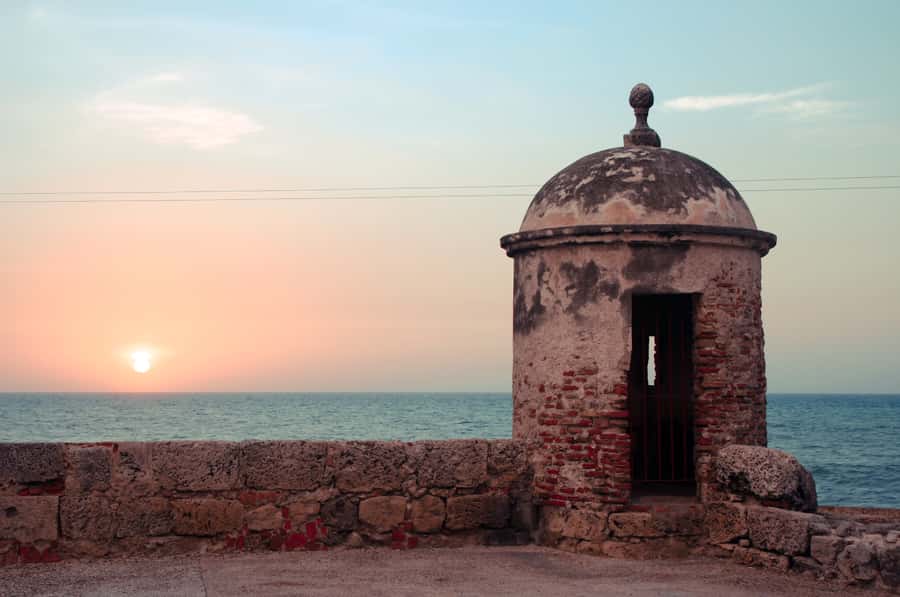
One of the route’s more surprising changes comes when you exit through the Clock Tower and enter Centenario Park. The park offers an urban break from stone walls and colonial buildings, and sloths, monkeys, and iguanas roam freely there.
This is a memorable stop because it changes your view of Cartagena. You have just spent time among fortifications and historic squares, then suddenly you are watching wildlife in the center of the city. Seeing an animal is not guaranteed, so keep your eyes open and do not treat the park as a formal wildlife exhibit. It is a city park with creatures moving through it.
I especially like this part for families and for anyone who needs a short change of pace. It also gives the guide another way to talk about local life and the city’s natural setting without leaving the center.
Getsemaní closes the tour with color and street life
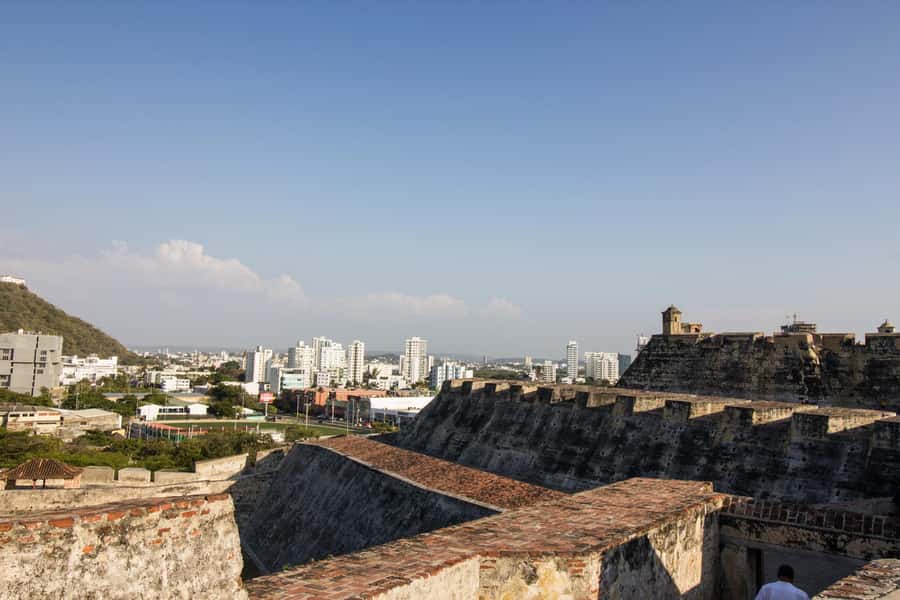
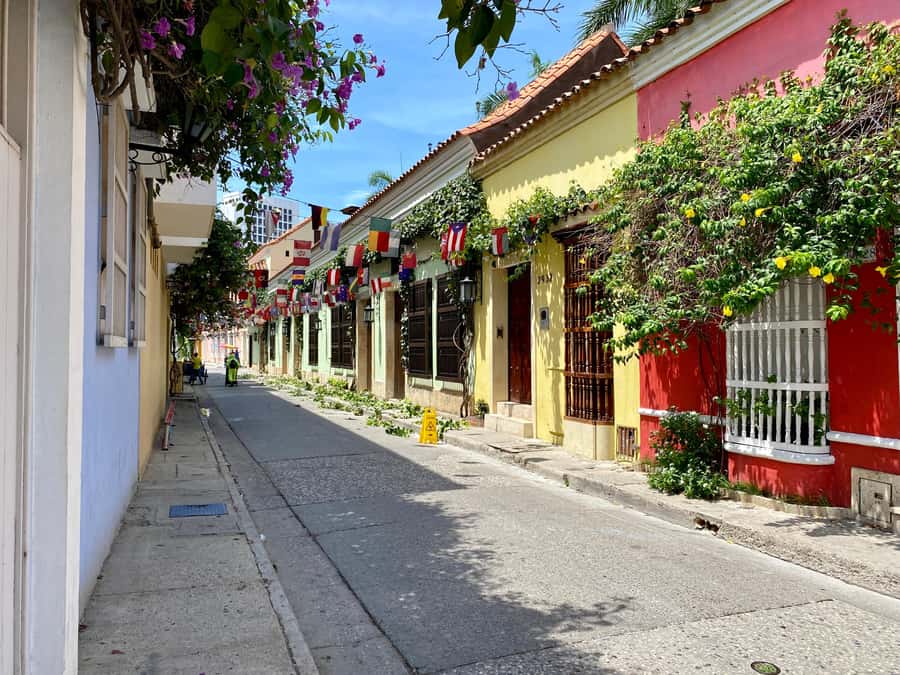
The final area is Getsemaní, one of Cartagena’s most expressive neighborhoods. Here, the grand colonial order gives way to vivid murals, flower-filled balconies, live music, and lively street scenes.
Getsemaní shows you a different side of the city. The old center can feel formal and polished, while this neighborhood has a more informal, creative character. It is a good place to notice how Cartagena’s culture appears in daily life, not only in monuments and churches.
The timing works well. After the serious subjects at Plaza de la Aduana and the formal architecture of the old city, Getsemaní provides a lighter, more visual ending. You will likely want photographs here, but remember that the tour still has a schedule. If you find a mural or street corner you want to explore slowly, note its location for a later visit.
What the four-hour schedule really gives you
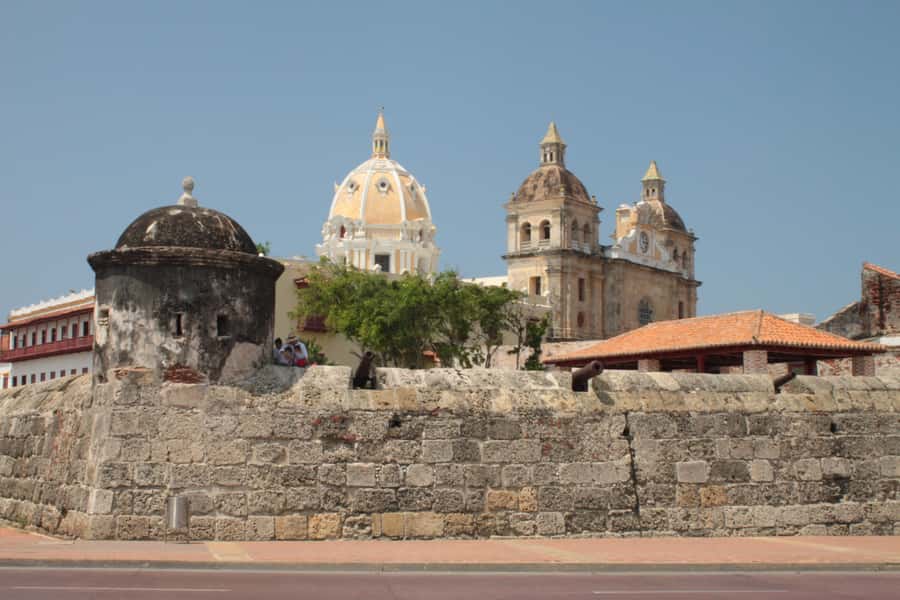
Four hours is enough for a strong first orientation. You receive transportation during the early part, a private bilingual guide, castle admission, church admission, and a route that connects the fortress, walled city, park, and Getsemaní.
The schedule also demands reasonable expectations. You are not getting a full museum day. The itinerary passes several major landmarks, including the Clock Tower, Plaza de la Aduana, San Pedro Claver Square, and Plaza de Bolívar, but not every historic building is entered.
That point matters because some people will want more interiors. The cathedral, Museum of the Inquisition, Santo Domingo Church, and additional parts of San Felipe Castle are natural choices for a longer history-focused visit. This tour includes San Felipe Castle and San Pedro Claver Church, while the other sites are part of the broader walk and explanation.
I would choose this experience early in your stay. It helps you understand where the main areas are, gives you a sense of the city’s historical layers, and shows you places you may want to revisit independently. It is especially useful if you have only one day in Cartagena or prefer to start with a private overview before exploring alone.
Private guiding and the value of the price
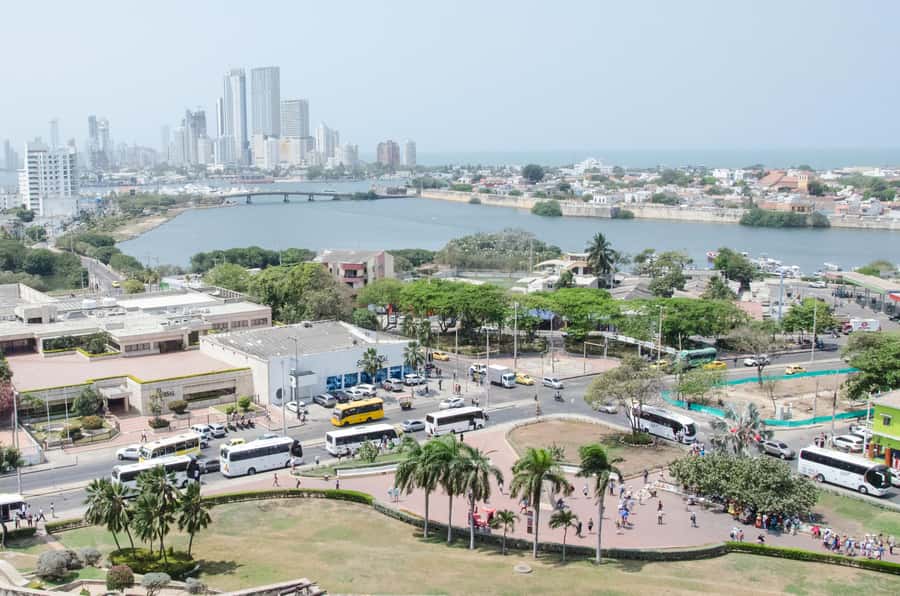
At $131 per person, this is not the cheapest way to see Cartagena. The value depends on how much you care about having a private guide and a planned route.
You are paying for more than transportation. The price includes a private group, an English- or Spanish-speaking local guide, entry to San Felipe Castle, entry to San Pedro Claver Church, snacks, and hotel pickup from most centrally located hotels. The air-conditioned vehicle is available for the first part, which is welcome in Cartagena’s tropical climate.
The private format is the strongest reason to consider the cost. You can ask questions about the city, adjust the pace within the fixed four-hour window, and avoid being folded into a large group. The guide’s role is particularly important here because the route includes difficult history that benefits from explanation rather than a quick photo stop.
Pickup is included from most centrally located Cartagena hotels. Hotels in the Manzanillo area may require an additional fee, so check that point before booking. You must also provide your accommodation details and confirm the reservation, along with any needed information, at least 48 hours ahead.
The price makes less sense if you only want transportation to the castle and a quick walk through the old city. In that case, independent visits may cost less. It makes more sense if you want the historical links explained, the admissions handled, and the day organized around a compact private route.
Heat, walking, and what to pack
Cartagena’s climate affects the experience. Much of the tour takes place outdoors, and stone streets, castle paths, and open squares can feel hot. Bring comfortable shoes, sunscreen, sunglasses, and a sun hat. Carry your passport or identification card, as requested for the activity.
Do not bring oversize luggage. This is a sightseeing outing, not a transfer service, and bulky bags would make the walking sections awkward.
Snacks are included, but lunch is not. If you need a substantial meal, eat before pickup or arrange lunch afterward. The stop for juice or Colombian coffee is a pleasant cultural pause, but it should not replace a proper meal.
Free cancellation is available up to 24 hours before the tour for a full refund, and you can reserve now and pay later. Those terms help if your Cartagena schedule is still shifting, though you should still confirm the details at least 48 hours before the outing.
Who will get the most from this Cartagena tour
I would recommend this experience to first-time visitors who want the main historical areas connected by one clear route. It also suits couples, families, and small private groups that prefer asking questions instead of following a large crowd.
History-minded visitors will appreciate San Felipe Castle and the discussion at Plaza de la Aduana. Architecture fans will enjoy the walled city and colonial squares. Families may like the mix of fort tunnels, church interiors, open plazas, and animals in Centenario Park.
It is less suitable for anyone who wants a slow museum program or extensive time inside every landmark. The tour has a lot of ground to cover, and the final stop in Getsemaní means the schedule favors variety over exhaustive detail.
Should you book it?
Book this tour if you want a well-rounded first look at Cartagena, value a private guide, and would rather spend four hours moving through the city’s key areas than planning each admission and route yourself.
Skip it if you already know the walled city, want a full day inside museums and churches, or prefer to explore at a very slow pace. For most first visits, though, the combination of San Felipe Castle, the old city, San Pedro Claver Church, Centenario Park, and Getsemaní gives you a useful and memorable starting point. The guide-led format is the main advantage, while the limited time is the main compromise.
FAQ
How long is the Cartagena City Tour?
The tour lasts four hours.
Is the tour private?
Yes. The activity is offered for a private group.
Which languages are available?
The live guide speaks English and Spanish.
Is hotel pickup included?
Hotel pickup is included from most centrally located Cartagena hotels. Hotels in the Manzanillo area may incur an additional fee.
Are entrance fees included?
Yes. Admission to San Felipe Castle and San Pedro Claver Church is included.
Is lunch included?
No. Snacks are included, but lunch is not.
What should I bring?
Bring your passport or identification card, comfortable shoes, sunglasses, a sun hat, and sunscreen. Oversize luggage is not allowed.
Just added around Cartagena
- Cartagena: Ecoplan on Barú, Aviary and Oceanarium in one day★ 3.3 · 3 reviews
- CARTAGENA, EXCLUSIVE launch for Rosario and Baru Islands★ 5.0 · 3 reviews
- Cartagena: Day Tour to Tierra Bomba Island★ 3.2 · 3 reviews
- photo session through the streets of cartagena★ 5.0 · 3 reviews
- Cartagena Coffee Masterclass: Artisanal Roasting and Brewing★ 5.0 · 3 reviews
- FULL DAY BARRANQUILLA AND SANTA MARTA 1 DAY from Cartagena★ 4.0 · 3 reviews
- Cartagena: Cholon Island Boat PARTY with DJ and Lunch★ 3.7 · 3 reviews
- Cartagena: Basic Diving for beginners in Rosario Islands★ 3.4 · 3 reviews
Cartagena Tours, compared.
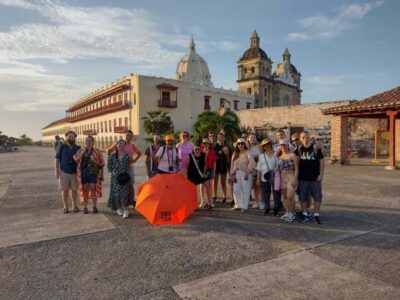
Cartagena: Historic Center and Getsemaní Shared Walking Tour
Read our review →
Cartagena: Rosario Islands Catamaran with Lunch and Snorkel
Read our review →
Full-Day Rosario Islands Including Barú, Bocachica & Playa Blanca
Read our review →
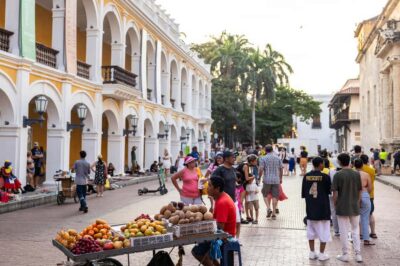
Cartagena: Guided Street Food Tour with Tastings
Read our review →
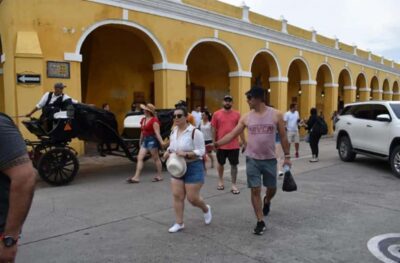
Cartagena: Panoramic City Tour, Monuments, Walls, Castle
Read our review →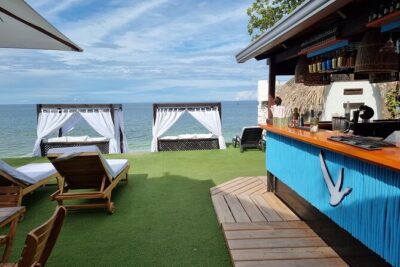
Bora Bora Cartagena Beach Club Full Day Experience
Read our review →Browse the lists this tour appears in