
Reviewed · MEDELLÍN TOURS
Anti tour Medellin
Medellín’s Anti Tour asks you to look at what the city removed, replaced, or chose not to remember. In three hours, you move from the Monumento a la Raza and the old train station to El Hueco, Plaza Botero, La Playa Avenue, and Casa de la Memoria. The subject is not pretty, but it is important: progress has a bill, and this tour asks who paid it.
I like two things here. First, the route connects grand symbols, daily commerce, and painful memories instead of treating history as a row of monuments. Second, the viche tasting and the chance to meet people linked to the armed conflict give the tour a human scale. You are not only looking at buildings. You are hearing how lives were shaped by change.
The main consideration is the setting. Parts of central Medellín are crowded, rough around the edges, and described by one participant as somewhat dangerous. Wear good shoes, keep your attention on your belongings, and understand that this is a serious history walk, not a light sightseeing outing.
Key points to know before you book
- The Monumento a la Raza begins a debate about identity and power, rather than simply serving as a meeting point.
- Parque de las Luces reveals what redevelopment erased, including the former market life of the area.
- El Hueco brings you into everyday central Medellín, with informal trade, noise, crowds, and fragments of older buildings.
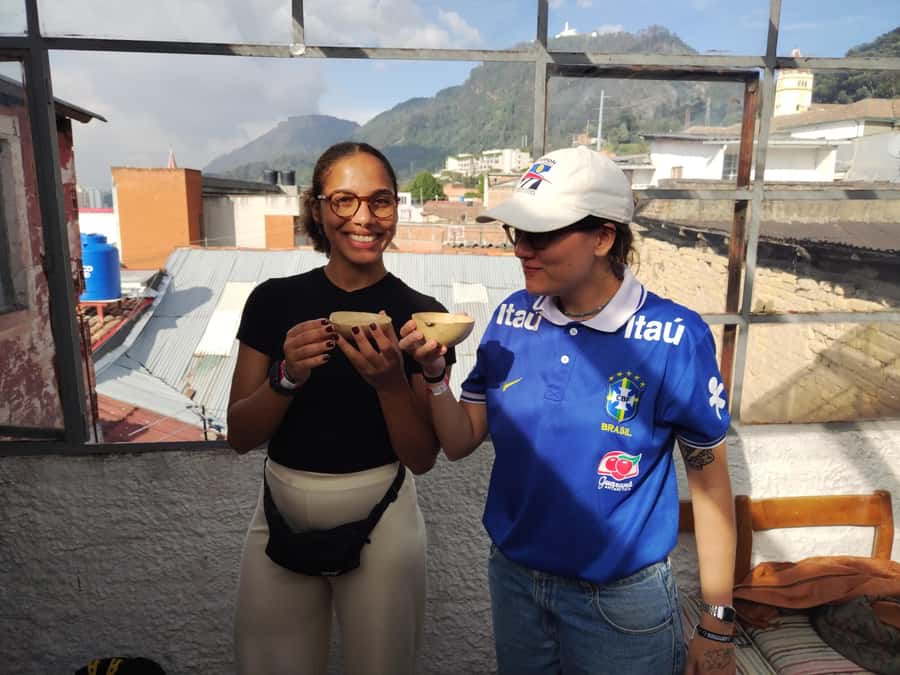
- The viche tasting at La Alpujarra adds a local tradition to the history lesson, with a spirits workshop lasting about 40 minutes.
- Casa de la Memoria gives the tour its emotional weight, focusing on Colombia’s armed conflict, loss, and survival.
- Guide Manuel has received especially warm praise, particularly for explaining Medellín’s drive toward progress and showing its ordinary city life.
Why this is not a standard Medellín city tour
Most old-city walks collect attractive buildings and famous names. This one takes a different route through absence. The guide points out spaces where markets, rail links, colonial buildings, courts, and elegant streets once shaped the city.
That idea gives the tour a strong thread. Medellín is known for reinvention, and this experience asks you to notice the cost of constant reinvention. The city’s old center was changed in the name of modernization, so a new tower, plaza, or public project may also be a sign of something lost.
You should come ready to listen. The tone is reflective and at times uncomfortable. It deals with violence, forced change, memory, and the way public places can be renamed or repurposed. If you want only colorful anecdotes and photo stops, this may feel heavy. If you want to understand how Medellín explains itself, the approach is useful.
The tour is led in English and lasts three hours. The listed price is $33 per person. That is a fair price if you value interpretation, a museum ticket, a tasting, and access to stories that are not usually part of a basic center tour. It is less compelling if you plan to spend the entire time taking photographs or if you prefer a broad overview with little discussion.
A few more Medellin day trips to weigh up
- Medellin: Comuna 13 Graffiti Tour, Cable Car & Street Food
★ 4.8 · 9,046 reviews - Medellín: The Real Pablo Escobar Tour
★ 4.8 · 3,205 reviews - Medellín: Comuna 13 True Story and Street Food Tour
★ 4.9 · 1,779 reviews
Starting at the Monumento a la Raza and La Alpujarra
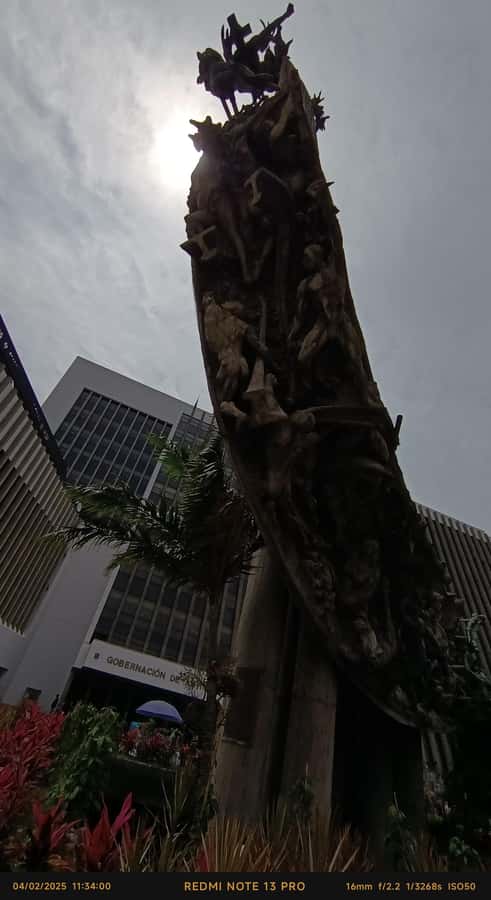
Meet in front of the Monumento a la Raza, the large sculpture at La Alpujarra. This is Medellín’s political and administrative center, so it is a fitting place to begin a conversation about power, identity, and the official story a city tells about itself.
Nearby, the old train station helps explain how industrial growth changed Medellín. Rail transport supported the city’s commercial and industrial ambitions, but that same push toward modern development helped set the stage for major changes in the old center.
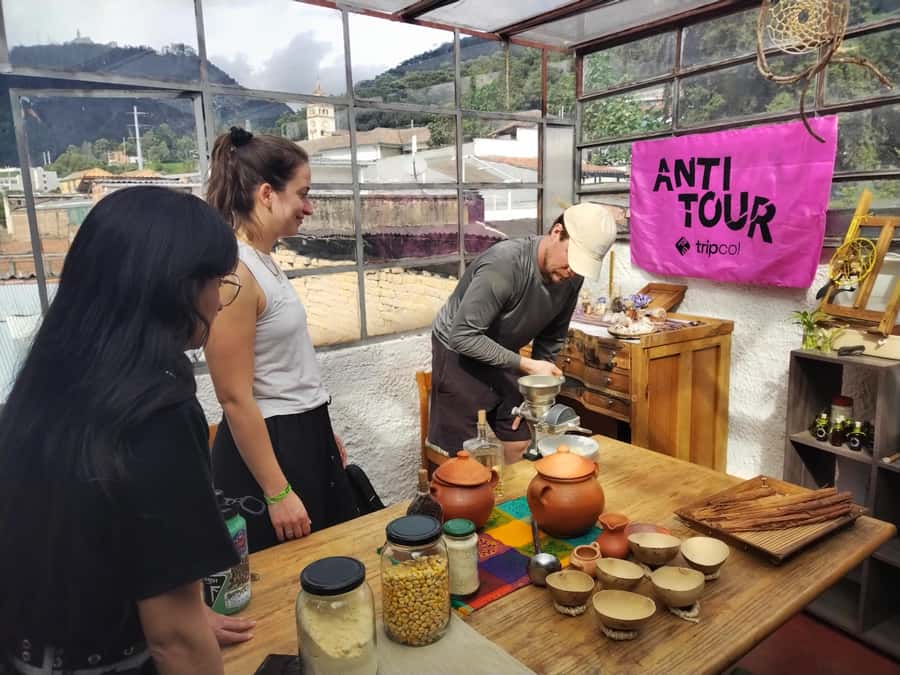
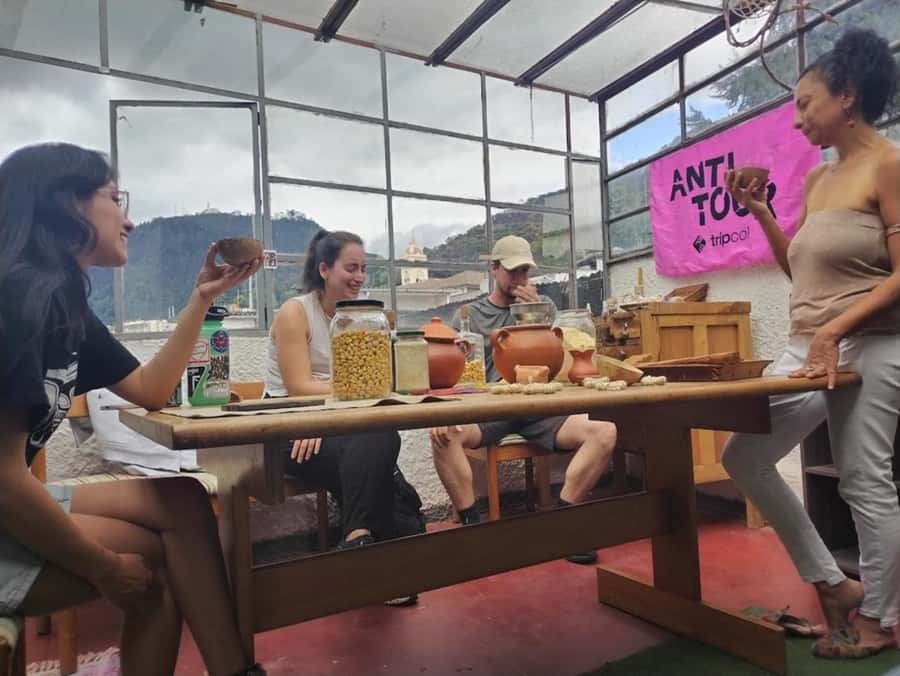
The route includes La Alpujarra as a major stop, with spirits and a workshop listed for about 40 minutes. The tasting is viche, a traditional Colombian liquor made from sugar cane. It breaks up the serious walking with something social and local, while also giving the guide a way to discuss culture beyond official buildings.
This is also where the tour can feel less like a normal sightseeing product. You are not simply told that Medellín has an identity. You are given a drink associated with local tradition, then asked to think about which traditions survive while buildings and neighborhoods change.
You should still pace yourself. The tour includes several central districts and museum time within three hours. Comfortable shoes, water, a hat, and sunscreen are sensible. Medellín’s weather can shift, so a light layer or rain protection may also help, though the supplied advice only specifically requires preparation for varying conditions.
Parque de las Luces and the missing market square
The walk continues toward Parque de las Luces, a field of tall light poles near important civic and commercial buildings. Today, the space reads as a modern urban project. The tour uses it to explain that this was once a lively market area with a different role in city life.
That contrast is one of the strongest parts of the route. A public square can look successful while still carrying a story of removal. The lights are easy to photograph, but the more useful question is what stood there before them and why it disappeared.
The surrounding buildings add more layers. The Carré and Vásquez buildings preserve pieces of the area’s commercial past, while the EPM Library and other modern structures show the city’s newer public face. Your guide will help connect these pieces instead of treating them as unrelated sights.
I like this section because it teaches you how to read urban space. You begin to notice that new architecture does not erase the past completely. Old walls, altered facades, and changed uses remain as clues, even when the original neighborhood no longer exists.
El Hueco, where daily Medellín takes over
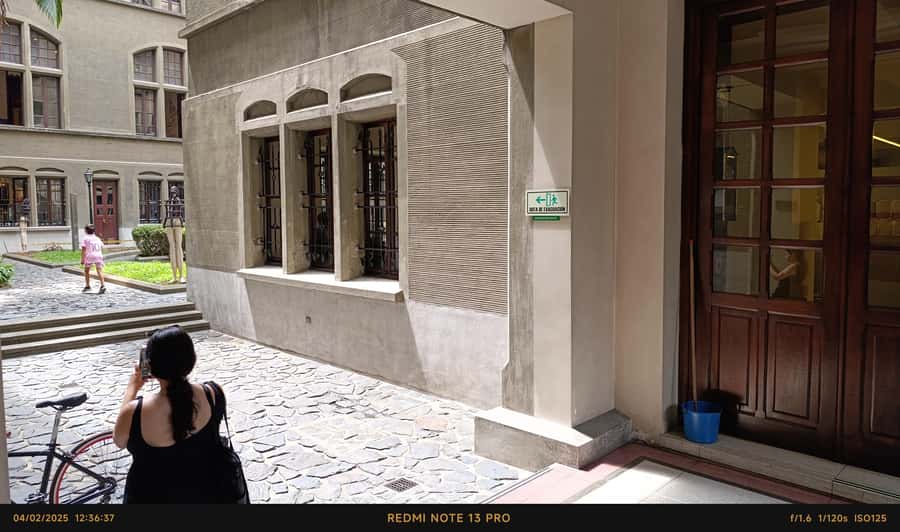
The tour then enters El Hueco, a busy commercial district known for informal trade, music, crowds, and constant movement. This is not polished old-town scenery. It is a place where commerce happens at street level and where the city’s practical side comes through clearly.
Expect a more chaotic stretch. You may find narrow passages, anonymous modern buildings, older fragments, and plenty of people focused on shopping or work rather than sightseeing. That can make the stop feel more authentic, but it also means you need to stay close to the group and watch your belongings.
The route description includes a visit, scenic views along the way, and a scenic-drive element for this portion. Transportation to and from the activity is not included, so you should not assume that a private vehicle will collect you from your hotel or return you afterward. Ask the operator about the exact movement between stops if that matters to you.
El Hueco is valuable because it keeps the tour grounded. Medellín’s story is not only told through government buildings and museums. It is also visible in informal trade, crowded sidewalks, changing storefronts, and the way people use central space every day.
Same city, a completely different kind of day:
- Medellín: Comuna 13 District Tour with Cable Car Ride
★ 4.8 · 1,467 reviews - Medellin: Coffee Tour with Transport, Snacks and Tastings
★ 4.7 · 1,357 reviews - From Medellín: Paragliding Tour with GoPro Photos & Videos
★ 4.9 · 1,210 reviews - Tour Guatapé
★ 5.0 · 865 reviews
Palacio Nacional and the last colonial survivor
At the Palacio Nacional, the tour looks at a former judicial palace that has become a shopping center. That change is a neat summary of the experience: a building once associated with law and authority now serves a very different public purpose.
The point is not that one use is good and the other is bad. The point is that buildings carry power through their function. When a courthouse becomes a commercial space, the city’s priorities and daily rhythms have shifted with it.
A short walk away, the Church of La Veracruz offers a sharp contrast. It is one of the last colonial survivors in this part of the city, and its continued presence gives the area a visible link to an older Medellín.
The church visit is listed at about 10 minutes, so expect a focused explanation rather than a long religious tour. This is a stop for context and contrast. A remaining colonial building, a repurposed judicial palace, and a modern commercial district sit close together, making the city’s changes easy to see within a few blocks.
Plaza Botero, public art, and a new city image
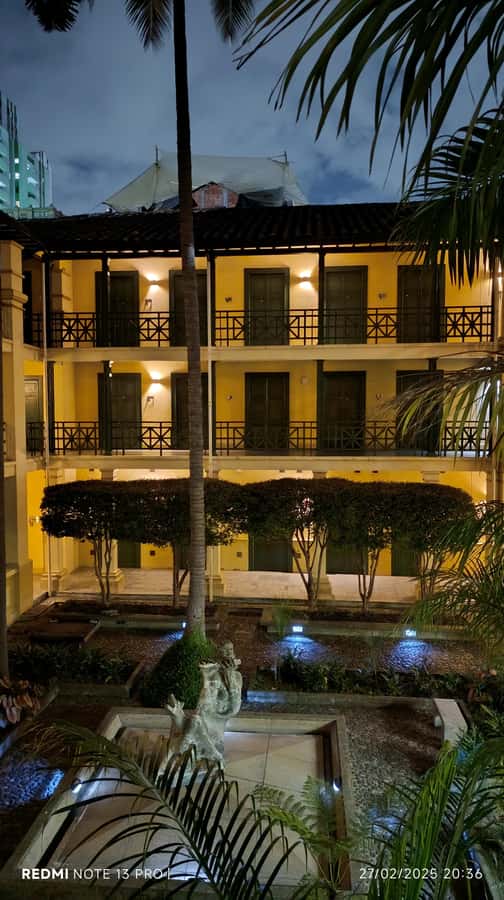
Plaza Botero brings art into the argument. Fernando Botero’s large sculptures draw attention, but the surrounding buildings matter just as much. The Palacio de la Cultura Rafael Uribe Uribe gives the plaza a grand architectural frame and helps show how culture has been used to reshape Medellín’s public image.
This section is more visually appealing than some earlier stops, but the tour does not treat the sculptures as a simple photo break. It asks how public art can help redefine a city after years of violence and damaging stereotypes.
You will also see the Coltejer Building, a landmark of Medellín’s industrial ambition. Its presence connects the plaza to the wider story of factories, business, and the belief that economic growth could remake the city.
There is a useful tension here. A public square can welcome art, tourists, and civic pride while still being built over layers of conflict and displacement. The Anti Tour does not ask you to reject the city’s transformation. It asks you to see what the new image leaves out.
Junín Street and La Playa Avenue
From the Coltejer Building, the route traces Junín Street, once the center of more formal urban life. This was a place associated with elegant shops and social activity, and its changing role helps explain how economic progress gradually displaced older patterns of collective life.
The walk eventually reaches La Playa Avenue, one of the remaining traces of Medellín’s more aristocratic past. The avenue includes older mansions and theaters, reminders that the city once presented itself through a different kind of public style.
These sections are not about one perfect historic street. Medellín’s center has been altered too much for that. Instead, you get fragments: a surviving facade, an old avenue, a building with a new function, or a place that still carries the outline of its former importance.
That fragmented quality is part of the lesson. You may not leave with a tidy picture of old Medellín, but you will understand why the city can feel new and old at the same time.
Casa de la Memoria and the cost of silence
The final major stop is Casa de la Memoria Museum, where the focus turns directly to Colombia’s armed conflict. The museum visit lasts about 30 minutes, and admission is included.
This is the emotional center of the experience. The tour includes the chance to meet ex-combatants and victims connected to the conflict, and the museum gives you a place to reflect on violence, loss, and resilience. The exact format of those encounters is not specified, so you should be prepared for a serious conversation rather than assume a staged presentation.
The museum matters because the earlier stops have already shown you how physical spaces can be erased. Here, the question becomes personal. What happens when people, families, and communities are also pushed out of the official story?
Give yourself mental room for this part. A three-hour schedule is compact, so the museum time is not a long museum study session. It is a focused closing visit that ties the city’s rebuilt spaces to the human consequences behind them.
The tour finishes at the Parroquia de San Ignacio de Loyola. That gives you a clear end point in the center, but transport afterward is your responsibility.
What the price includes, and what it does not
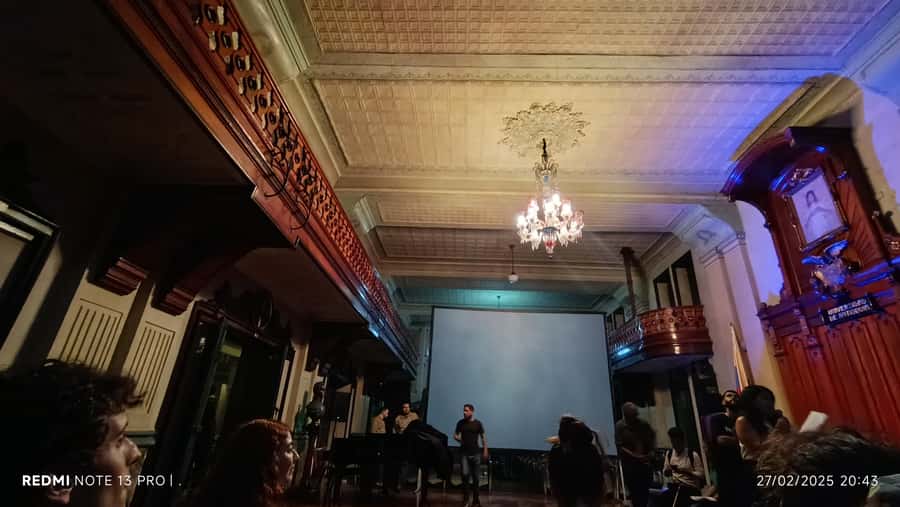
At $33 per person, the experience offers more than a basic walk past landmarks. The fee includes a guided tour of the old center, the viche tasting, the workshop at La Alpujarra, and the Casa de la Memoria ticket.
The value depends on what you want from a city tour. If you were already planning to visit the museum and explore the center alone, the guide’s interpretation and route could make the price worthwhile. You also save the cost of a separate museum ticket.
The strongest value is access to a specific point of view. You are paying for the connections between demolished places, surviving buildings, public art, industrial symbols, and conflict memory. Those connections are hard to build from a guidebook alone.
The fee does not include transportation to or from the activity. Plan your own way to the Monumento a la Raza and from San Ignacio at the end. Food is not listed as included, so bring water and a snack if you need one.
Practical advice for a safer, more comfortable walk
Wear walking shoes with a good grip. The route covers central streets and several districts, and you will be more comfortable if you are ready to walk for much of the three hours.
Bring sunscreen, a hat, and water. Snacks are also sensible, especially since the tasting is not a meal. A camera is welcome, but do not let photography distract you in crowded areas.
Pay attention in El Hueco and other busy parts of the center. One participant specifically felt that some areas should come with a clearer warning about safety. That does not make the route impossible, but it does mean you should stay alert, avoid displaying valuables, and follow the guide’s directions.
The experience is not suitable for wheelchair users. The walking route, central streets, and listed access limitations make this an important consideration when booking.
An English-speaking guide leads the tour. Manuel has been singled out for explaining Medellín’s spirit of progress and for taking people beyond the usual tourist route. You should not assume Manuel will lead every departure, but his approach gives you a useful sense of the kind of guiding this experience aims to provide.
Free cancellation is available up to 24 hours before the activity for a full refund, and you can reserve now and pay later. Starting times vary, so check availability before planning the rest of your day.
Who should book the Anti Tour Medellín?
You should book this if you want a candid look at Medellín’s past and present, especially if museums, urban change, political history, and local voices interest you. It suits repeat visitors who have already seen the major postcard sights, as well as first-time visitors who want more context than a standard center walk provides.
It is also a good fit if you like tours that leave you with questions. The viche tasting keeps the experience from becoming one long lecture, while Casa de la Memoria gives the route a serious purpose.
You may want to skip it if you prefer cheerful sightseeing, dislike discussions of armed conflict, or need a fully accessible route. The crowded central setting can also be tiring, and the tour does not provide your transport to or from the meeting and finishing points.
For me, the strongest reason to book is the way the stops speak to one another. Parque de las Luces, El Hueco, Palacio Nacional, La Veracruz, Plaza Botero, Junín, La Playa, and Casa de la Memoria are not just separate attractions. Together, they show a city built by replacing parts of itself, then trying to decide what those replacements mean.
FAQ
Where does the Anti Tour Medellín begin?
The meeting point is in front of the Monumento a la Raza at La Alpujarra.
Where does the tour finish?
The tour finishes at the Parroquia de San Ignacio de Loyola.
How long does the experience last?
The tour lasts three hours.
What language is the tour conducted in?
The live guided tour is conducted in English.
How much does the Anti Tour Medellín cost?
The listed price is $33 per person.
Is viche tasting included?
Yes. Viche tasting is included, along with a spirits workshop at La Alpujarra.
Is the Casa de la Memoria Museum ticket included?
Yes. Admission to the Memory House Museum, also called Casa de la Memoria, is included.
Is transportation included?
Transportation to and from the activity is not included. You need to arrange your own way to the meeting point and from the final stop.
Is the tour suitable for wheelchair users?
No. The experience is listed as not suitable for wheelchair users.
Just added around Medellin
- Comuna 13: Recorrido de Arte Urbano, Cultura y Resiliencia★ 5.0 · 3 reviews
- Tour to Río Claro and La Caverna del Cóndor★ 5.0 · 3 reviews
- Medellin: Tour to The Cathedral – History of Pablo Escobar and his Impact★ 5.0 · 3 reviews
- Medellin: waterfalls and naturals poolls tour★ 3.7 · 3 reviews
- Medellín: Coffee Tour Experience at a Coffee Farm★ 4.8 · 3 reviews
- Medellín: Private City Tour and Comuna 13 Tour★ 3.8 · 3 reviews
- Tour Medellín: Pablo Escobar and Commune 13★ 5.0 · 3 reviews
- Colombia: Official Pablo Escobar Meet the Family Museum Tour★ 5.0 · 3 reviews
Medellín Tours, compared.

Medellin: Comuna 13 Graffiti Tour, Cable Car & Street Food
Read our review →
Medellín: Comuna 13 True Story and Street Food Tour
Read our review →
Medellín: Comuna 13 District Tour with Cable Car Ride
Read our review →
Medellin: Coffee Tour with Transport, Snacks and Tastings
Read our review →
From Medellín: Paragliding Tour with GoPro Photos & Videos
Read our review →
Medellín: Pablo Escobar Tour with beer included
Read our review →Browse the lists this tour appears in