
Reviewed · SAN ANDRÉS TOURS
Gastronomic and musical experiences in San Andres Rondontour
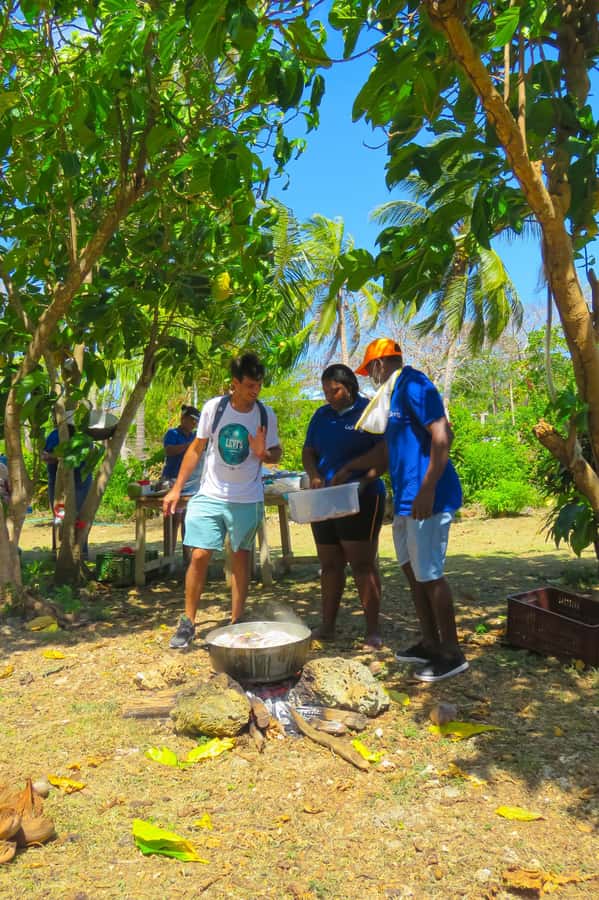
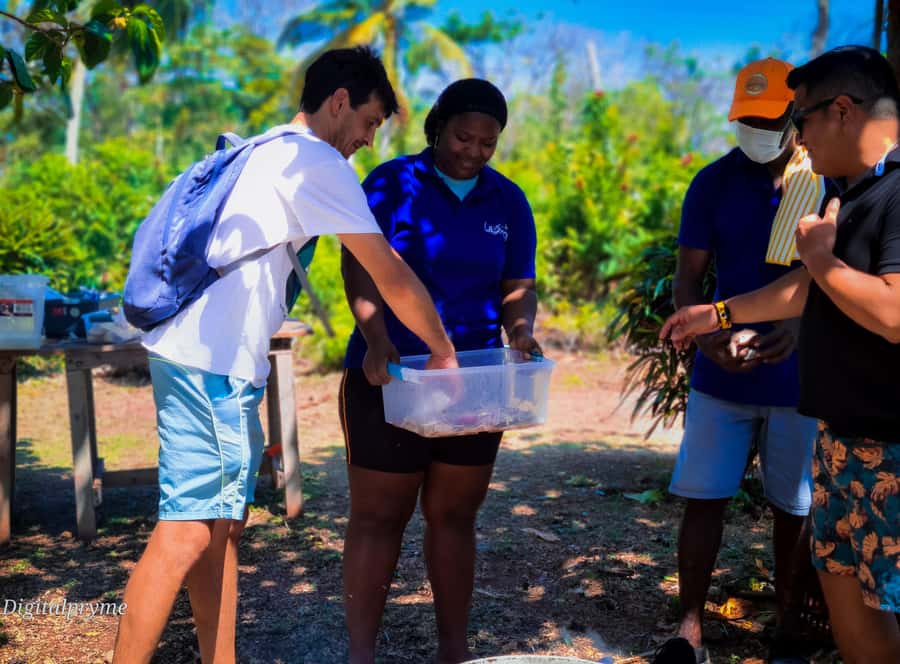
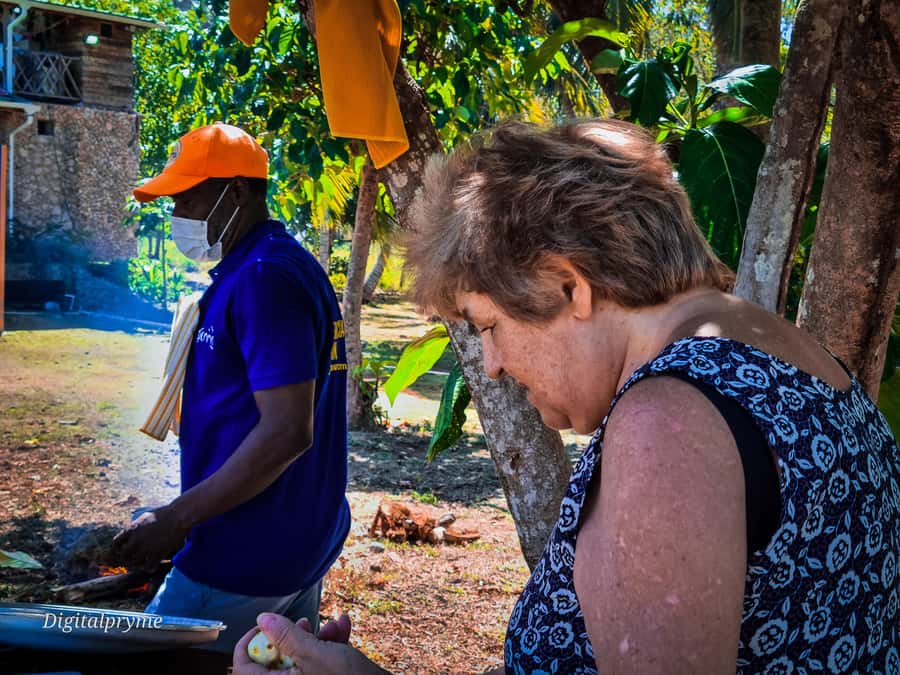
The best part of this San Andrés experience is the rondón cooked over firewood. You do not simply receive a plate of the island’s signature dish. You watch it come together, help with the preparation, and learn why coconut milk, fish, breadfruit, dumplings, and other local ingredients belong in the same pot.
I like two things right away: the chance to cook alongside local people, and the music that follows the meal. The horse jaw instrument adds a wonderfully unusual touch. The main thing to consider is transportation, since getting to the venue is your responsibility.
Key points to know before booking
- Rondón from the firewood pot: Help prepare San Andrés’s best-known traditional dish with the chef.
- Breadfruit and coconut milk: Taste two ingredients that give the meal its island character.
- Local music after cooking: Hear Caribbean rhythms and try instruments such as the horse jaw.
- 150 minutes with food included: The visit combines a welcome drink, cooking, entertainment, and a full meal.
- Vegetarian and vegan choices: Tell the operator at least one day ahead if you need an alternative.
- Strong but small review record: The experience has a 4.7 rating from three verified bookings, with special praise for the food, staff, music, and cultural explanation.
Why rondón is the heart of this San Andrés visit
Rondón is more than a seafood stew. It is a practical island dish built around ingredients that suit the Caribbean setting: coconut milk, fresh fish, pork tail or sea snail, breadfruit, and dumplings. The exact combination can make the dish feel like a small lesson in local foodways, with land and sea meeting in one cauldron.
You will take part in the preparation rather than watch from a distance. That matters because the cooking process is the point. You can see the ingredients added, follow the work over firewood, and understand how a dish with humble components becomes a shared meal.
The activity is especially useful if you have only a short stay on San Andrés. In two and a half hours, you get food, music, a little island background, and a guided cultural activity in one sitting. It will not replace a full food tour or a long visit with local families, but it gives you a focused introduction without taking up an entire day.
The experience costs $76 per person. That is not a cheap lunch, so judge it as a cultural meal rather than a restaurant visit. The price includes the cooking activity, the rondón meal, traditional beverages, live music, cultural games, contests, and prizes. If you want only to eat rondón, you can spend less elsewhere. If you want to understand the dish and have an evening of entertainment around it, the value is easier to see.
A few more San Andres day trips to weigh up
- San Andres: Scuba Diving Experience with Hotel Pickup
★ 4.8 · 192 reviews - Tourist white train – Tour around the island
★ 4.5 · 117 reviews - Beach Cart in San Andrés : your ideal Caribbean experience
★ 5.0 · 85 reviews
A coconut water welcome and a short island introduction
The visit begins with a welcome drink, fresh coconut water, and an introduction to San Andrés and its typical food. This first section lasts about 25 minutes, although the overall schedule also includes a short bus tour and local snacks.
I like that the welcome starts with something directly tied to the island rather than a generic cocktail. Coconut water sets the tone for what follows, and the opening talk gives the cooking a bit of context before you reach the firewood.
The schedule lists a 15-minute bus tour around San Andrés Island and 10 minutes for local snacks. Transportation to the venue is not included, so do not read the bus segment as a hotel pickup service. The operator provides guidance to help you reach the location, but you need to arrange your own way there.
That detail is important when planning your day. Ask for clear directions and allow enough time to arrive. The activity itself lasts 150 minutes, and a late arrival could cut into the cooking section, which is the part most worth protecting.
The food history talk is presented in English or Spanish. Specific guide names are not provided, so you should not book this expecting a named chef or a particular host. What is clear is that a chef leads the practical cooking portion and local artists handle the music afterward.
Cooking rondón with a chef over firewood
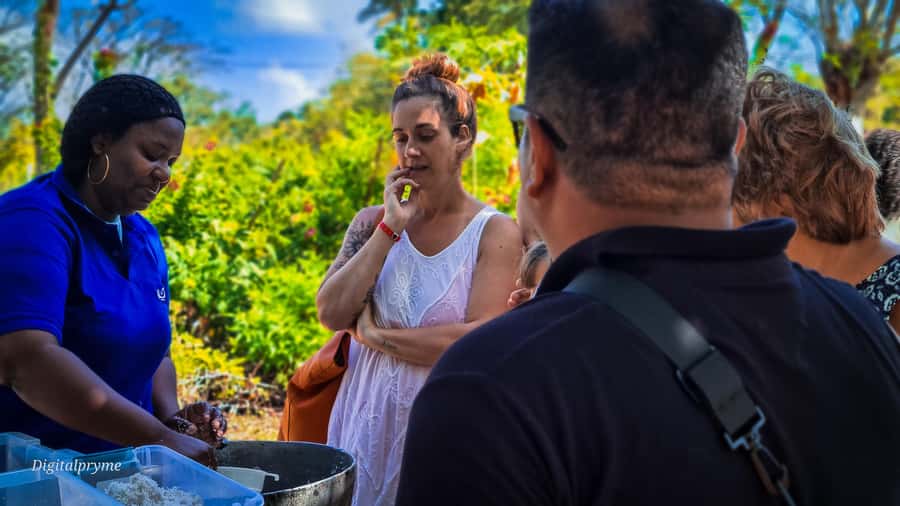
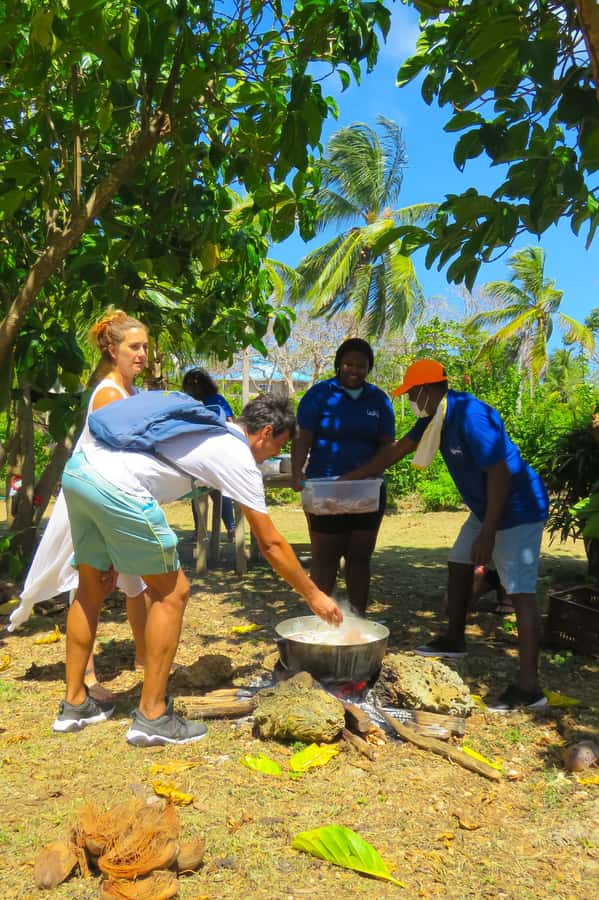
The main cooking session lasts about 60 minutes. You meet the chef, work over a firewood flame, and take part in several steps, including making dumplings and adding fish to the cauldron.
The dumpling is described as a type of island arepa. That gives you a useful point of comparison, but do not expect a standard corn arepa simply served on the side. Here, making it yourself is part of learning how the meal is assembled.
The rondón includes coconut milk and fresh fish, with pork tail or sea snail also part of the traditional preparation. Breadfruit is added as well. Because seafood and meat are both part of the dish’s usual form, tell the provider in advance if you need vegetarian or vegan food. You must give at least one day’s notice so an alternative can be arranged.
Cooking over firewood changes the feel of the activity. You can watch the pot build slowly, see when ingredients enter the dish, and ask questions while the chef works. The supplied details do not specify every cooking method, recipe quantity, or dish variation, so do not expect a formal culinary school lesson with printed instructions. This is a hands-on cultural cooking session.
I would wear comfortable clothing that you do not mind wearing around a cooking fire. The information does not state how hot, smoky, or sheltered the cooking area is, so practical clothes are the sensible choice. If you have food allergies, communicate them before booking because the traditional ingredients are not minor garnishes. Fish, coconut, seafood, and meat may all matter to the recipe.
This is also the section where the activity earns its price. You are not just paying for the finished bowl. You are paying for access to the preparation, the local explanation, and the chance to do part of the work yourself.
What makes the ingredients worth talking about
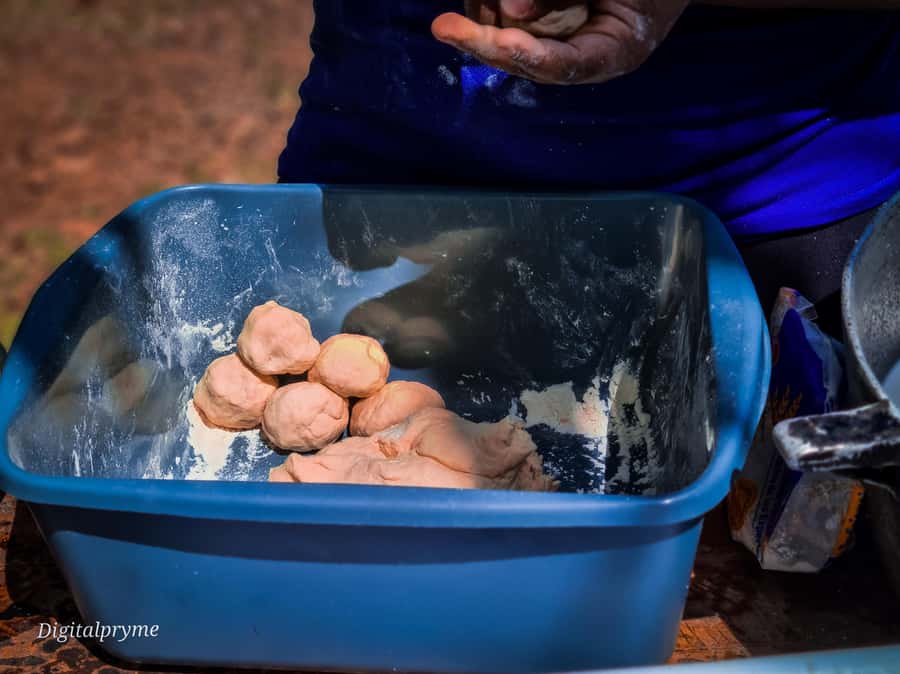
Coconut milk gives rondón its creamy base and links the dish to the island’s tropical food traditions. It also helps distinguish the meal from an ordinary fish soup or seafood plate.
Breadfruit is another reason this dish deserves attention. It grows in relatively few parts of the world, according to the tour information, and it is not an ingredient many visitors encounter every day. Its inclusion makes the rondón more than a familiar seafood meal with a local label.
The fish brings the sea into the pot, while pork tail or sea snail shows how the traditional dish can draw from several sources. The food is filling and practical, not designed as a tiny tasting course. You should arrive ready for a proper meal.
Local snacks appear earlier in the schedule, before the main cooking and tasting. Since the exact snacks are not specified, keep your expectations open. Their role is to give you an early taste of island food while the main dish is still being prepared.
Same city, a completely different kind of day:
- Boat Tour to Johnny Cay & Aquarium in San Andres Island
★ 4.0 · 82 reviews - Marine Safari Tour on San Andrés Island: Includes photo with DRONE
★ 5.0 · 70 reviews - Rent The New 2025 Kawasaki Mule Pro in San Andrés
★ 5.0 · 64 reviews - Private Marine Tour: Discover the 7 Colors of the San Andreas Sea
★ 4.5 · 51 reviews
Caribbean music, dancing, and the horse jaw
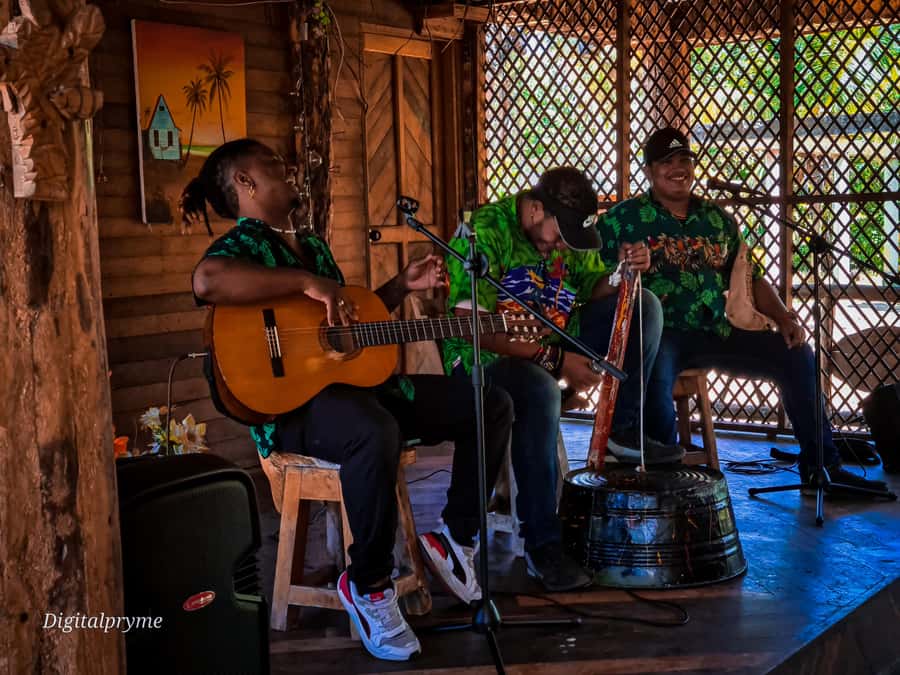
After the cooking, the program shifts from the kitchen to live entertainment. The music section lasts about 45 minutes in the step-by-step description, while the broader itinerary gives 30 minutes for the traditional dance show. Allow for roughly half an hour to three quarters of an hour of music and dance, depending on how the schedule is run.
Local artists perform Caribbean music, and you can try instruments that are unusual outside the region. The most memorable example is the horse jaw, a percussion instrument made from a horse jawbone. You can play along with the artists rather than simply sit and watch.
That hands-on music matters because it keeps the cultural portion from becoming a passive stage show. You get a chance to hear the rhythm, handle an unfamiliar instrument, and take part at your own comfort level. The activity also includes games, contests, and prizes, so expect a social atmosphere rather than a quiet concert.
The entertainment is one of the most praised parts of the experience. The three available ratings give the activity an overall 4.7 out of 5, and the comments specifically point to good music, friendly staff, and an interesting presentation of island food traditions. The sample is small, but the praise is consistent across those points.
If you prefer a formal cooking class with little performance, this may feel too lively. If you like food paired with music and local participation, the combination makes good sense.
Sitting down to eat what you helped make
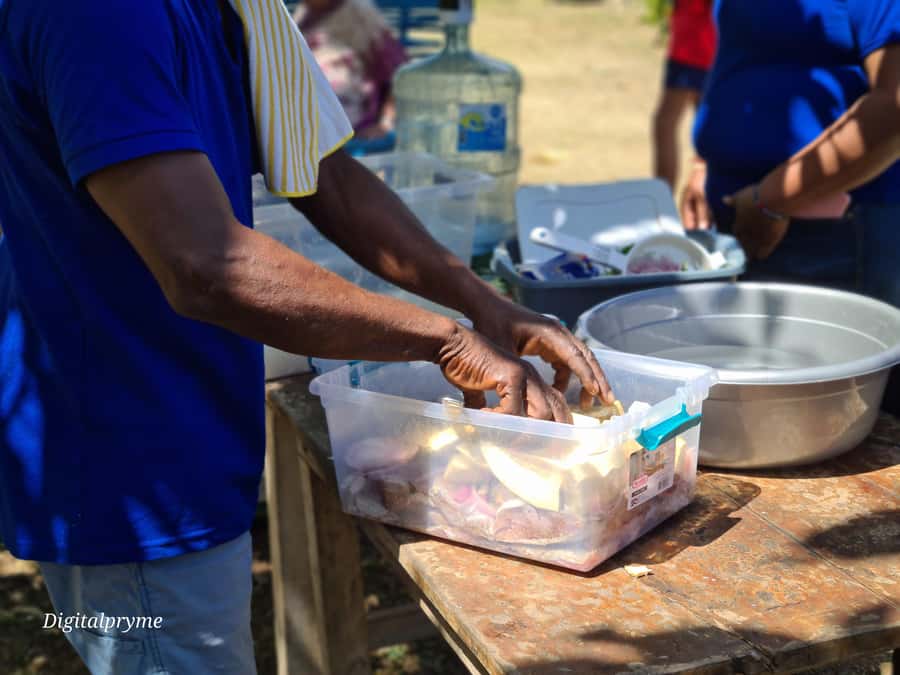
The final part is the rondón meal. You eat the dish you helped prepare, along with traditional beverages included in the activity.
This finish gives the cooking a clear purpose. You can connect the ingredients you handled with the flavor in front of you, and the earlier explanations become easier to remember once you are eating the result.
The available comments praise the food and drinks, which supports the idea that the meal is not an afterthought. Still, rondón is a dish with coconut milk and substantial ingredients, so it may not suit someone looking for a light snack. The traditional version can include fish, pork tail, or sea snail, and people with strong food preferences should request an alternative ahead of time.
The meal also gives you time to enjoy the setting and music without rushing back to another appointment. The total visit is only 150 minutes, but the program packs several parts into that window. You will get the most from it if you treat it as one connected event rather than separate cooking, food, and music stops.
The practical cost of getting there
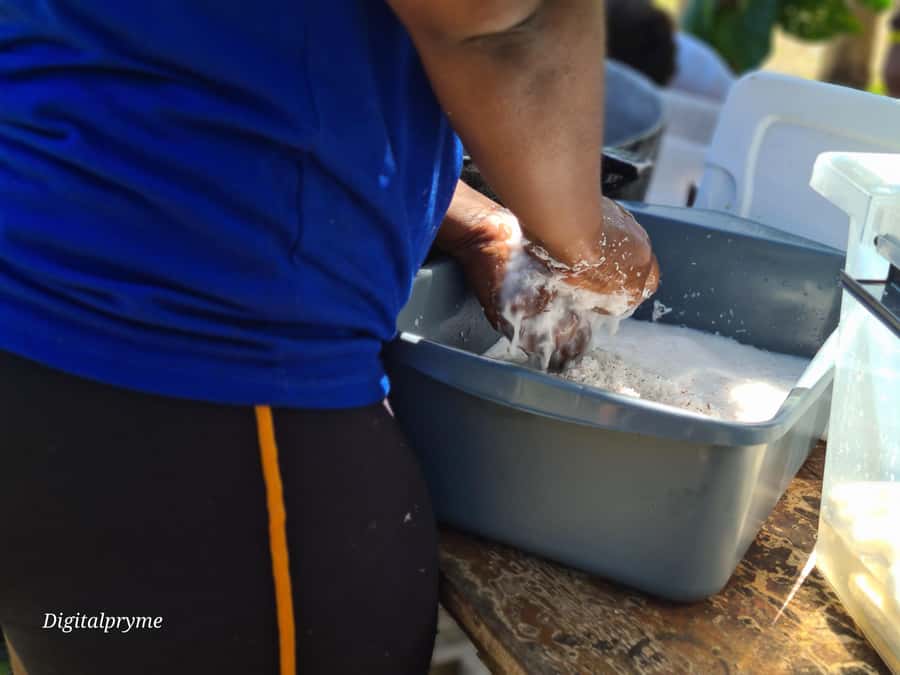
Transportation is not included. You receive directions and assistance for reaching the venue, but you need to arrange your own transport from San Andrés or Providencia.
The itinerary mentions San Andrés Island and lists San Andrés and Providencia as the pickup area, yet the inclusion details clearly say transportation is excluded. I would confirm the exact venue and route before paying, especially if you are staying outside the main area or planning to arrive by taxi.
The activity is wheelchair accessible, which is useful information for anyone who needs step-free access. The data does not explain the surface, bathroom setup, vehicle arrangements, or exact cooking-area layout, so ask the provider about those details if they affect your plans.
The tour is offered in English and Spanish. That makes it suitable for mixed-language groups, although the name and background of the guide are not supplied. The cooking is led by a chef, and local musicians lead the performance.
You can cancel up to 24 hours before the activity for a full refund. A reserve-now, pay-later option is also available, which helps if you are still arranging your San Andrés schedule.
Who will get the most from this activity
I would recommend it most strongly to people who want food with a cultural explanation. It suits couples, families, and small groups who enjoy trying local dishes and joining a bit of music afterward.
It also works well for first-time visitors who want a compact introduction to San Andrés. In one visit, you taste coconut water and local snacks, hear about island food, help with rondón, eat a full meal, and see traditional music and dance.
Families should note that participation includes cooking, instruments, games, and prizes. That gives younger visitors more to do than simply sit through a lecture, though the provider does not state a minimum age or specific child pricing.
Vegetarians and vegans can take part if they give advance notice. Anyone who does not eat fish, shellfish, coconut, or meat should contact Living Travel before booking rather than assume the standard rondón can be adjusted on the spot.
This is less suitable for someone seeking a long, detailed culinary course. The cooking lasts about an hour within a 150-minute program, and much of the visit is devoted to cultural explanation, music, dance, and eating.
My verdict on the San Andrés rondón experience
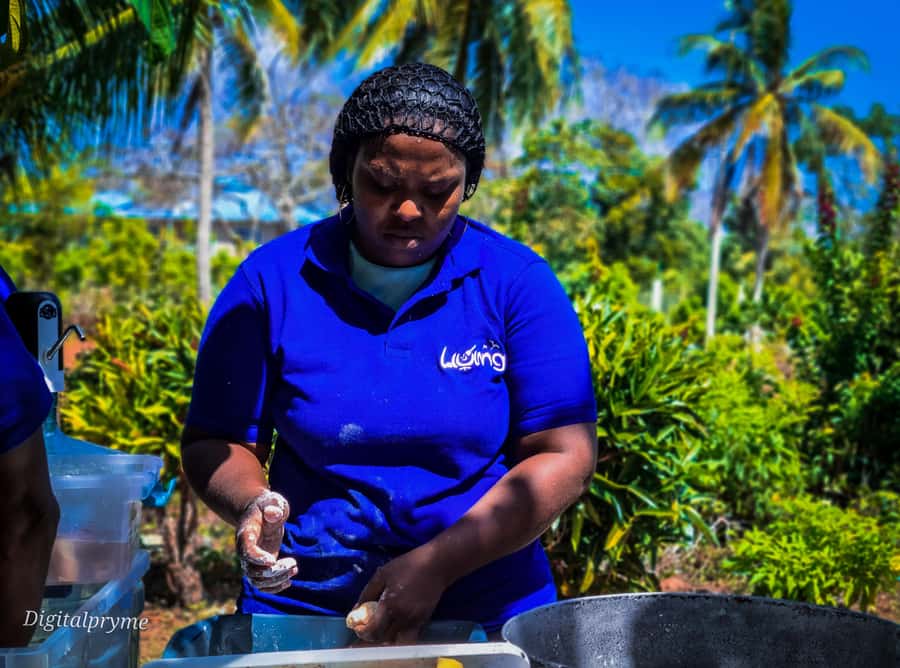
Book this if you want to understand San Andrés through one traditional dish, not simply order it from a menu. The best reasons are the firewood cooking, the chance to make dumplings and add ingredients to the pot, and the live music with the unusual horse jaw instrument.
The main cautions are clear: $76 is a meaningful price for a two-and-a-half-hour activity, transport is extra, and the program has a lively performance element that may not suit every cooking enthusiast. The rating of 4.7 is encouraging, and the praise focuses on exactly the parts that give the experience its identity: friendly staff, good food and drinks, music, and an explanation of island food traditions.
For a short San Andrés stay, I think it makes a good use of an afternoon or evening. You leave with more than a meal. You have seen how rondón is made, tasted ingredients that may be new to you, and heard local music in the same place. That is a fair exchange for the price if those are the parts of island culture you came to find.
FAQ
How long does the San Andrés rondón experience last?
The full activity lasts 150 minutes, or two and a half hours.
What dish will I prepare?
You will help prepare rondón, a typical dish from San Andrés and Providencia.
What ingredients are used in rondón?
The dish is made with coconut milk and includes fresh fish, pork tail or sea snail, breadfruit, and dumplings.
Will I cook the food myself?
You will participate with the chef during the preparation. This includes making dumplings and adding fish to the cauldron, among other steps.
Is the food cooked over firewood?
Yes. The rondón is prepared over a firewood fire.
Is transportation included?
No. Transportation is not included, but the provider gives guidance to help you reach the venue.
Are vegetarian and vegan options available?
Yes. Vegetarian and vegan alternatives are available if you inform the provider at least one day in advance.
What languages are available?
The live tour guide service is offered in English and Spanish.
Is the activity wheelchair accessible?
Yes. The activity is listed as wheelchair accessible.
Can I cancel for a full refund?
Yes. You can cancel up to 24 hours in advance for a full refund. You can also reserve now and pay later.
Just added around San Andres
- San Andres: Private Boat Trip with Aquarium and Beach Stops★ 4.8 · 3 reviews
- San Andres: White Party on boat with open bar, dinner and dancers!★ 5.0 · 4 reviews
- San Andres: Coco Art Workshop★ 4.3 · 5 reviews
- Luxury private tour boat 6 in 1★ 3.0 · 5 reviews
- San Andres: Acuario Key Premium Tour★ 3.3 · 6 reviews
- From San Andrés: Speedboat Tour to Johnny Cay Island★ 3.6 · 6 reviews
- SAN ANDRES: Island Tour by Chiva + Hoyo Soplador★ 3.8 · 6 reviews
- SAN ANDRES: FULL DAY SHARED PONTOON TOUR★ 3.4 · 7 reviews
San Andrés Tours, compared.
San Andres: Scuba Diving Experience with Hotel Pickup
Read our review →

Beach Cart in San Andrés : your ideal Caribbean experience
Read our review →
Boat Tour to Johnny Cay & Aquarium in San Andres Island
Read our review →
Marine Safari Tour on San Andrés Island: Includes photo with DRONE
Read our review →
Private Marine Tour: Discover the 7 Colors of the San Andreas Sea
Read our review →
Browse the lists this tour appears in