
Reviewed · COFFEE REGION TOURS
Coffee Tour at Finca El Ocaso Salento: Traditional Spanish Farm
Coffee at Finca El Ocaso starts in the soil, not in the cup. In 90 minutes, you follow the bean from planting and harvesting through pulping, drying, storage, roasting, and a traditional preparation in a cloth strainer and pot. It is a compact, hands-on look at how Colombian coffee is made.
I like the full farm-to-cup route and the clear attention to sustainable production, including composting, crop fertilization, and local plants and animals. I also like the price: $19 gives you a proper working-farm visit and tasting, not just a quick sample at a café.
The main drawback is practical: transport is not included, and the final road is partly unpaved. You also need to manage heat, insects, and possible rain, since the tour continues in wet weather.
Key points to know before you go
- The whole coffee process fits into 90 minutes, from coffee trees and harvesting to roasting and brewing.
- Sustainability is part of the tour, with a composting station, crop fertilization, and discussion of fauna and flora.
- The mill visit gets technical, covering the hopper, pulper, mechanical drying, and traditional drying.
- The final tasting uses a cloth strainer and pot, giving you a traditional way to taste the farm’s work.
- Spanish is the tour language, with guides such as Nicolás leading an entertaining and informative visit.
- A Willys Jeep is the practical connection, leaving from Salento every hour from 8:30 a.m. to 4:30 p.m., with the fare paid separately.
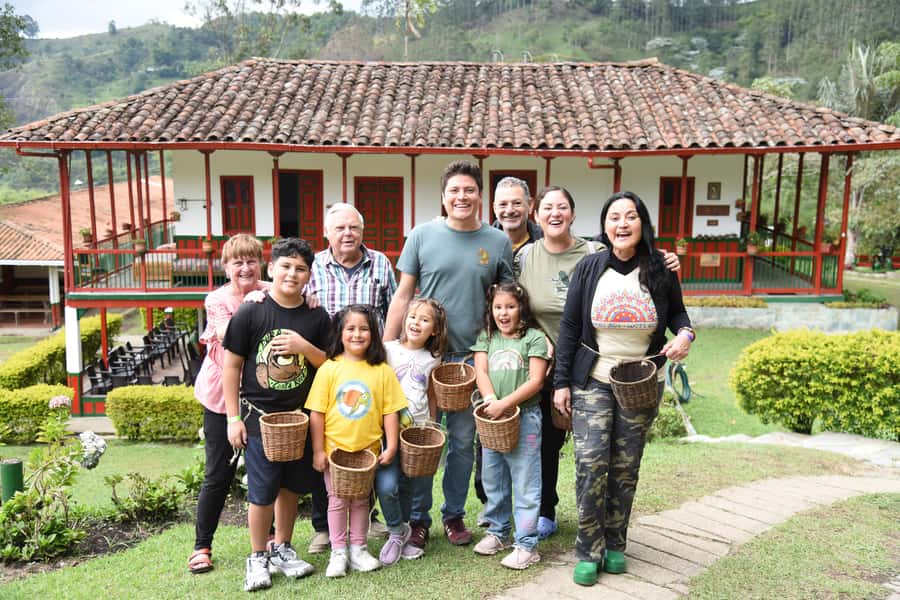
Arriving at a rural coffee farm near Salento
Finca El Ocaso sits in the rural area of Salento, Colombia. You must make your own way to the farm, so the tour begins before the coffee talk does. The road is not completely paved, and a low car is not recommended.
For many people, the most useful option is a Willys Jeep. These shared vehicles leave Salento every hour between 8:30 a.m. and 4:30 p.m., and you can also return to town by Willys from the farm. The transport fare is not part of the $19 tour price, so keep cash or a separate transport budget ready.
I would allow extra time for the ride and for finding the departure point. The farm does not provide transfers, and missing the right vehicle could make a short tour feel rushed. If you are driving, choose a vehicle with enough clearance for the unpaved sections.
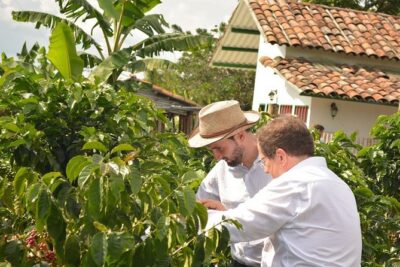
The rural setting is important to the experience. You are not simply hearing about coffee in a tasting room. You are arriving at a working farm with gardens, coffee plots, processing equipment, and agricultural systems to inspect. That makes the visit more useful for anyone who wants to understand production rather than only sample the finished drink.
More Coffee Tours in Coffee Region
- Salento: Private Cocora Valley, Salento & Coffee Farm Tour
★ 4.9 · 202 reviews - Coffee Tour Salento-Ocaso Farm- English Tour
★ 4.6 · 88 reviews - Salento: Coffee Farm Tour with Tasting
★ 4.9 · 41 reviews
The opening lesson: coffee begins with a plant
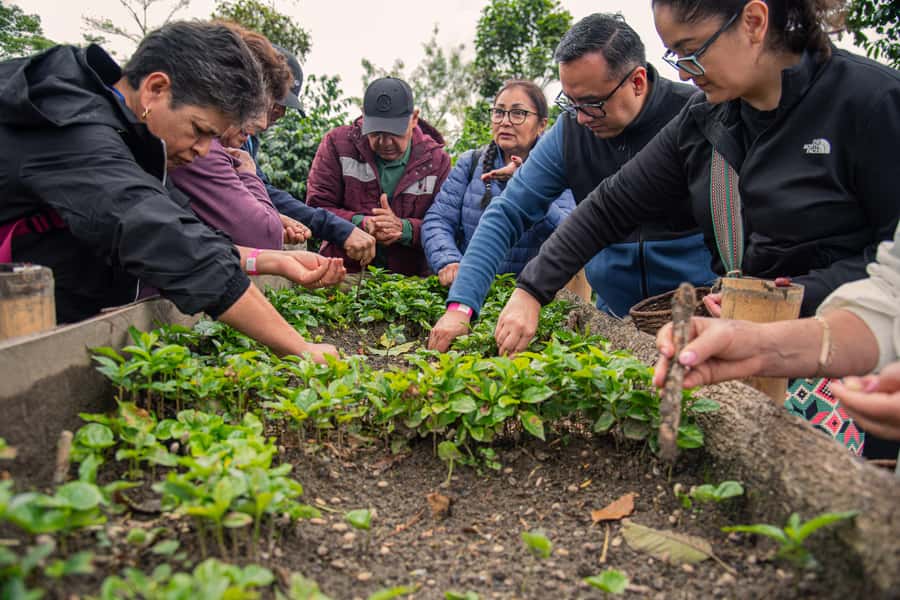
The tour starts with the history of coffee and the main coffee species grown at the farm. You then learn how coffee trees are planted and how they grow. This first section gives the rest of the visit a useful structure, since every later stop connects to a stage introduced here.
You will tour the gardens and coffee plantations, with attention to sowing, harvesting, and the work needed to keep a crop moving from one season to the next. The material is basic enough for a first-time coffee enthusiast, but it also gives experienced drinkers a way to connect their cup with farming decisions.
The harvesting section matters because coffee quality is affected long before roasting. A coffee bean is not ready simply because it is on a tree. The timing of harvest, the handling of the fruit, and the next steps at the mill all influence what eventually reaches the cup.
The tour is also a good reminder that coffee is an agricultural product, not just a café menu item. You see the plants in their growing environment, then follow their path toward processing. That connection is one of the strongest reasons to choose a farm tour over a standard tasting.
Composting, fertilization, and the farm’s living systems
Finca El Ocaso includes a visit to its composting station and an explanation of crop fertilization. This is a practical part of the tour, not a broad slogan about being green. You see that production depends on how the farm handles organic material and feeds the crop.
The farm also explains its sustainable production certification. The exact certification details are not provided, so you should not expect a technical audit or a long discussion of certification rules. Still, the subject gives you a useful way to ask how farming methods affect soil, plants, and the coffee itself.
The discussion includes fauna and flora around the farm. That adds welcome context to the plantation visit, because coffee does not grow in isolation. The surrounding plant and animal life form part of the farm system, and the tour treats those connections as part of coffee production.
Bring insect repellent. It is recommended, sold at the farm store, and not included in the ticket. Sun block is also not provided, so pack your own. Comfortable clothes are a must, and you will be better off in practical footwear than in anything delicate or formal.
Inside the mill: where fruit becomes coffee
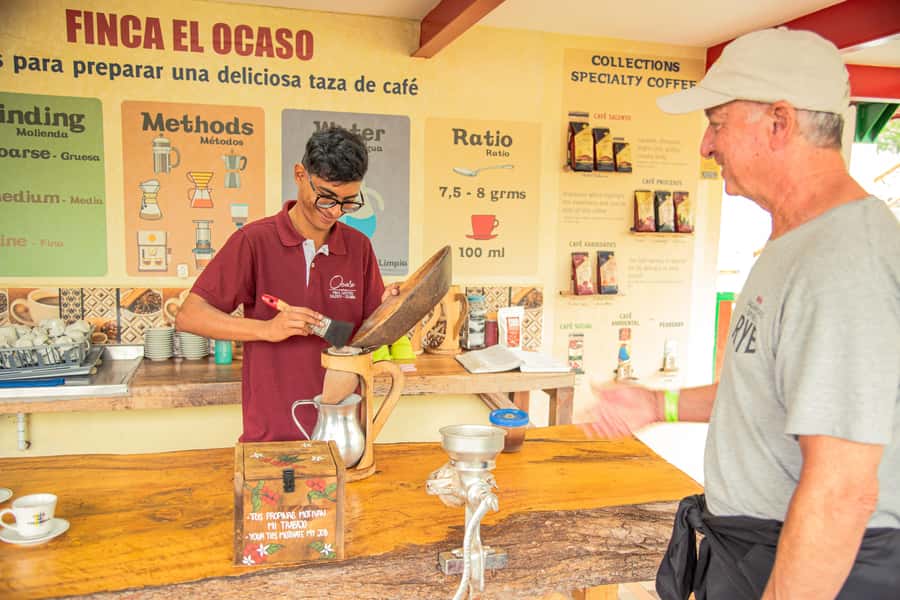
The mill is the technical heart of the visit. Here you see the hopper, pulper, mechanical drying equipment, and traditional drying methods. Each piece of equipment represents a different point in the change from harvested coffee fruit to a storable coffee product.
The hopper receives the crop before processing. The pulper removes the outer fruit from the coffee beans. Drying then becomes a major concern, since moisture must be reduced before storage. The farm shows both mechanical and traditional drying, which lets you compare two approaches rather than hearing only a general explanation.
I like this part because it makes coffee processing visible. At a café, the steps between harvest and roasting disappear. Here, the mill gives you a better sense of the labor, machinery, and timing involved before a roaster ever handles the beans.
The 90-minute schedule means you should expect an overview rather than a long technical workshop. You will learn what the machinery does and why the stages matter, but the tour is not designed for extended engineering detail. That is a fair trade for a visit that also covers farming, sustainability, storage, roasting, and tasting.
More coffee farms to visit:
- Salento and Cócora Tour + Coffee Farm from Pereira/Armenia
★ 5.0 · 33 reviews - Coffee Farm Tour at Finca El Ocaso from Salento
★ 4.5 · 19 reviews - Medellin: Coffee Tour with Transport, Snacks and Tastings
★ 4.7 · 1,357 reviews - Medellín Coffee Farm Tour with Trolley and Cable Car Ride
★ 4.9 · 277 reviews
Storage, threshing, and the business of coffee
After processing and drying, the tour explains storage, threshing, and commercialization. These subjects fill an important gap. Coffee is not finished when it leaves the dryer, and the way it is stored and prepared for sale affects how it reaches the market.
Threshing removes the remaining outer layer from dried coffee. Storage then protects the product until it is ready for the next stage. Commercialization brings the farm into the wider coffee trade, where quality and preparation have a direct effect on value.
This section is especially useful if you want to understand why specialty coffee costs more than a basic cup. The $19 ticket does not turn you into a coffee buyer, but it does show that quality depends on a long chain of decisions. You can better appreciate what happens before roasting and why careful production matters.
Finca El Ocaso presents itself as a specialty coffee producer, so this part helps explain that identity. The visit is not only about scenery and a pleasant drink. It focuses on the systems behind a higher-quality product.
Roasting changes the coffee’s character
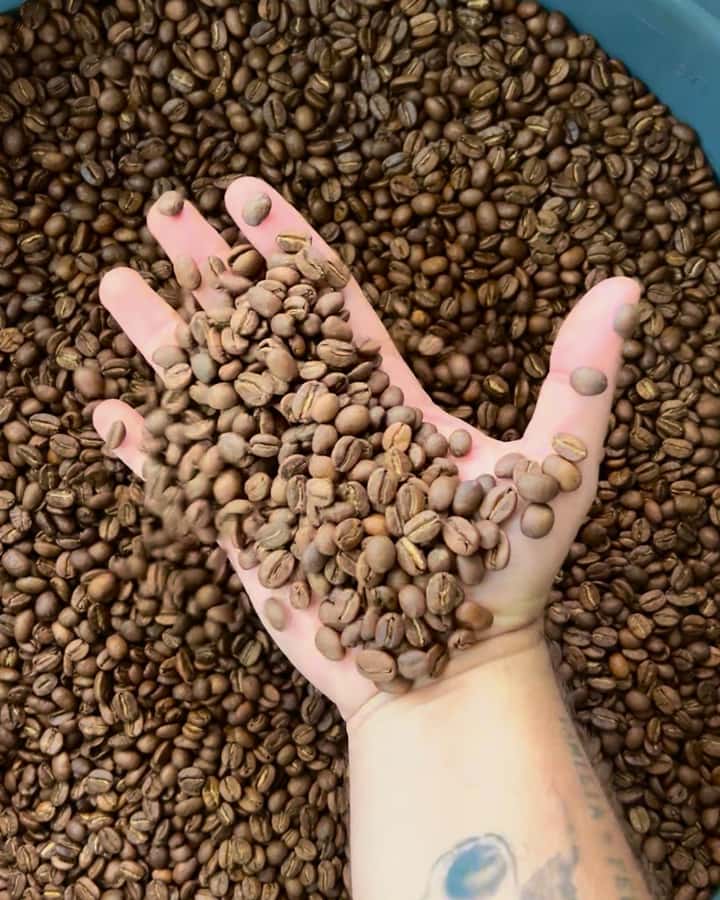
The next stage covers types of roasting and their importance to coffee quality. This is where the dry green bean develops the color, aroma, and flavor people associate with coffee.
You will not just hear that roasting matters. The tour connects roast level with the quality of the final drink, giving you a basis for thinking about what you taste at the end. A roast can highlight or hide qualities in the bean, so the lesson helps you pay attention to the cup with more than a simple strong or weak judgment.
The roasting discussion is valuable even if you already drink specialty coffee. It links the farm work and mill processes to the final preparation. You have seen how the plant grows, how the fruit is processed, and how the beans are stored. Roasting is the stage that prepares those beans for brewing.
Again, keep the timing in mind. This is part of a broad 90-minute route, so expect a clear explanation rather than a long roasting class with several batches and a full technical comparison.
The cloth strainer tasting at the end
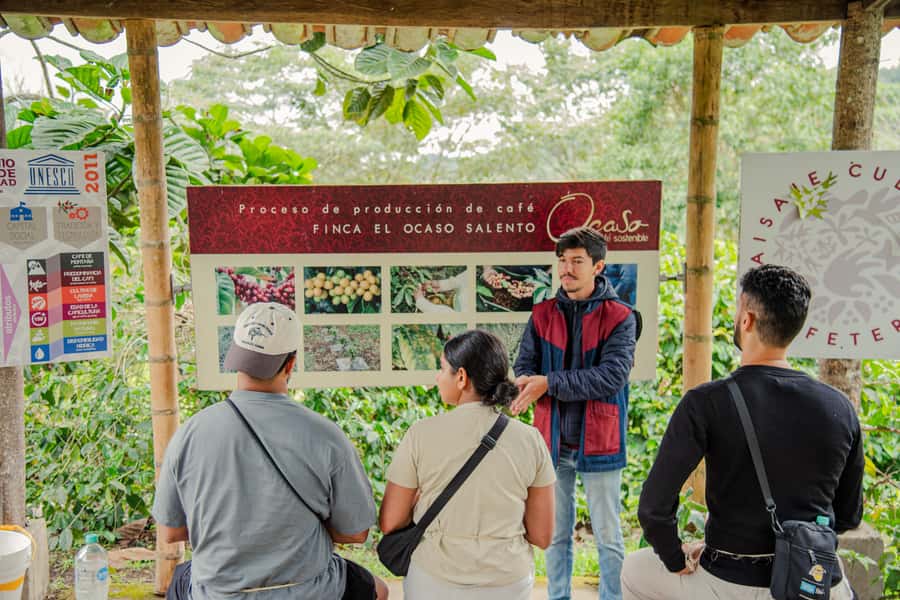
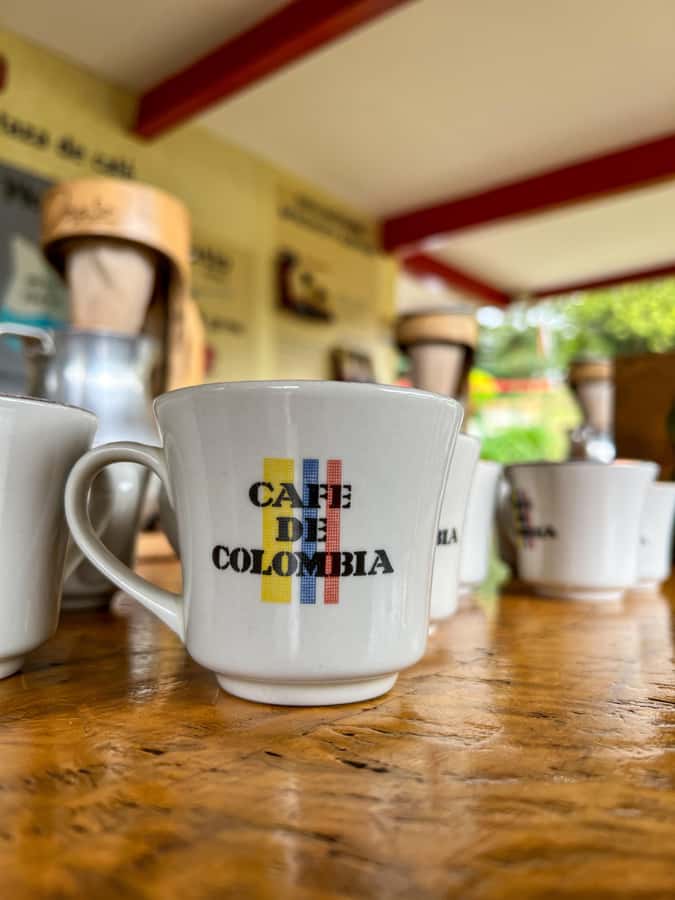
The tour finishes with a traditional preparation of coffee in a cloth strainer and pot. This is a fitting ending because the method is simple and direct. After seeing the farm, the mill, and the roasting process, you finally taste the result.
The tasting is included in the ticket. Food is not included, so do not arrive expecting a meal or a full café service. The coffee itself is the focus, and the preparation gives you a chance to connect the final cup with the stages you have just seen.
A cloth strainer and pot also provide a useful contrast to modern café equipment. You do not need elaborate machinery to make a satisfying drink, though the quality of the beans and the care taken at each earlier step still matter.
The tasting is one of the strongest reasons to choose this experience over a plantation walk without processing information. You get the context and the cup. If you enjoy coffee, the final preparation gives the visit a clear payoff.
What the $19 price really covers
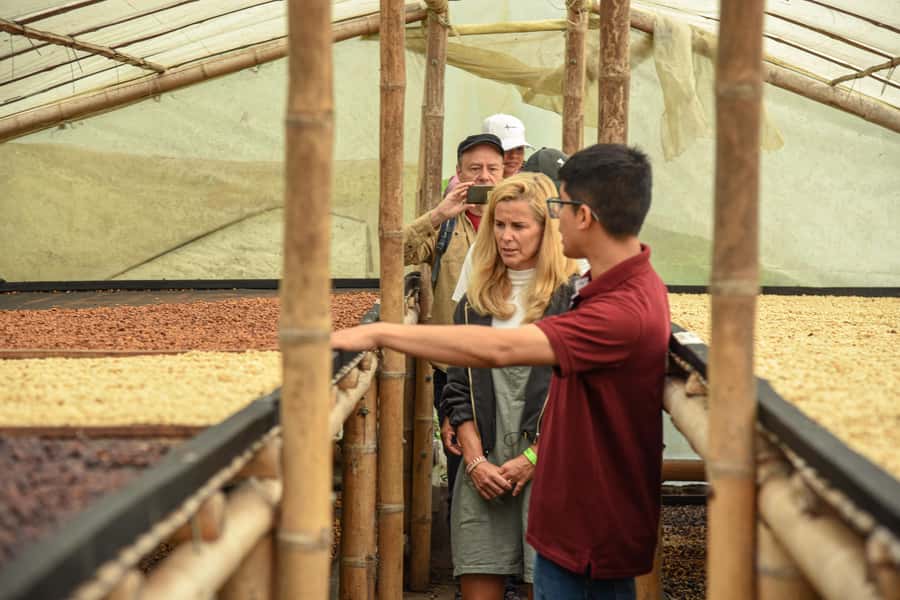
At $19 per person, this is a good-value experience if you want more than a quick plantation photo stop. The ticket covers a 90-minute guided tour, the farming and sustainability material, the mill visit, the roasting explanation, the traditional preparation, and the tasting.
You are paying for access to the full production story. The tour covers planting, growth, harvest, composting, fertilization, processing, drying, storage, threshing, commercialization, roasting, and brewing. That is a lot of ground in a short period.
The price looks less attractive if you mainly want a long coffee tasting or a relaxed half-day at the farm. The visit is structured and fairly dense, and you must pay separately for transport. Food, mosquito repellent, and sun block also come from your own budget.
For a coffee enthusiast, the balance is favorable. You get machinery, farming information, and a drink at the end, rather than paying only for a scenic setting. For a casual sightseer with little interest in coffee production, the detail may feel less necessary.
Language, pace, and guide quality
The tour is offered in Spanish, and some content may be presented in its original language. You should have enough Spanish to follow explanations about farming, processing, and roasting, or bring a translation tool if needed.
The guide can make a major difference because the route covers many subjects in only 90 minutes. Nicolás is one guide associated with the experience, and the afternoon tour with him was described as entertaining. Other guide assignments may vary, so do not assume he will lead every departure.
The strongest praise focuses on the guide’s friendly manner and the tour’s combination of clear instruction and a relaxed tone. That is exactly what this format needs. A dry lecture about pulpers and drying machinery would be hard work, while a tour with no technical detail would waste a chance to learn.
You should expect a guided overview, not a self-guided walk. Questions about species, harvesting, compost, drying, and roasting are likely to fit naturally into the route, but the short duration limits how long any one topic can receive.
Rain, insects, and practical comfort
The activity continues in rainy weather. Rain ponchos can be purchased at the farm, so you do not need to cancel automatically if the forecast turns wet. Still, bringing your own light rain protection may save time and money.
The partly unpaved road can become a bigger concern in rain, especially if you are driving a low car. The tour itself is not cancelled simply because of rain, but the journey to the farm deserves attention.
Use insect repellent and bring sun block. Neither is included, and repellent is only available for purchase at the farm if you forget it. Comfortable clothes will help you move between gardens, plantations, and the mill without fuss.
Alcohol and drugs are not allowed. The experience is a working agricultural visit, so treat the farm as a place of production rather than a party stop.
Who will enjoy Finca El Ocaso most
I would choose this tour if you care about how coffee is grown, processed, and brewed. It suits people who want practical information, a working-farm setting, and a tasting in one short visit.
It is also a good choice for anyone comparing coffee experiences around Salento. The full route gives you more than a walk through trees. You see the composting station, mill, drying systems, storage process, and roasting connection.
Families and first-time coffee drinkers may appreciate the clear sequence from plant to cup, though the Spanish-only format matters. People looking for a long, slow morning with a meal should choose another activity, since food is not included and the tour lasts 90 minutes.
The experience can also work well for a short schedule. If you can arrange the Willys ride and arrive on time, you receive a focused introduction without giving up an entire day. Just remember that transportation takes planning on both ends.
Should you book this coffee tour?
Book it if you want to understand the work behind specialty coffee and you are comfortable arranging your own rural transport. The strongest features are the farm-to-cup explanation, the mill equipment, the sustainability section, and the traditional cloth-filter tasting.
Skip it if you need an English-language tour, dislike uneven rural roads, or want food and transport included in one price. The $19 cost is fair, but the extras and the Spanish-only format matter.
For a true coffee lover, Finca El Ocaso offers a well-focused visit at a sensible price. Bring repellent, sun block, comfortable clothes, and a little patience for the road. Then let the farm show you why a good cup begins long before the kettle is heated.
FAQ
Where is Finca El Ocaso located?
The farm is in the rural area of Salento, Colombia. The supplied location also identifies Tolima, Colombia.
How long does the coffee tour last?
The tour lasts 90 minutes.
How much does the experience cost?
The price is $19 per person.
Is transportation to the farm included?
No. You must arrive directly at the farm, and transportation is not included in the ticket.
How can I reach the farm from Salento?
Willys Jeeps leave Salento every hour from 8:30 a.m. to 4:30 p.m. You can also return to Salento by Willys from the farm. The transport fare is separate.
What language is the tour offered in?
The live tour guide speaks Spanish. Some content may be shown in its original language.
Is coffee tasting included?
Yes. The experience includes a tasting and a traditional preparation using a cloth strainer and pot.
What should I bring?
Bring comfortable clothes and insect repellent. You should also bring sun block, since it is not included.
What happens if it rains?
The activity is not cancelled because of rain. Rain ponchos can be purchased at the farm, and mosquito repellent is also available in the farm store.
More Coffee Farm Tours
- Medellin: Horseback Riding Coffee Farm Tour with Coffee Spa
★ 4.8 · 151 reviews - From Bogotá: Coffee Farm and Tequendama Falls Tour
★ 4.5 · 130 reviews - Coffee Farm Experience Private Day Tour
★ 5.0 · 81 reviews - Medellin: Guatape, El Peñol Coffee Farm Private Tour & Fruit
★ 5.0 · 49 reviews
Just added around Salento Colombia
- Salento: hike to learn about Birds★ 4.9 · 6 reviews
- Salento: Coffee Master Roasting, Brewing and Tasting Tour★ 4.8 · 6 reviews
- Cocora Valley: Route of the Hummingbirds + breakfast & lunch★ 4.9 · 6 reviews
- Santa Rita Waterfall and Salento Private Tour★ 5.0 · 9 reviews
- Salento: Salento & Cocora Valley Tour★ 5.0 · 11 reviews
- Salento, Cocora and Filandia Full Plan from Pereira/Armenia★ 5.0 · 11 reviews
- Santa Rosa de Cabal Thermal Hot Springs★ 4.0 · 16 reviews
- From Salento: Cocora Valley Hiking Tour with Lunch★ 4.0 · 17 reviews
Coffee Region Tours, compared.
Salento: Private Cocora Valley, Salento & Coffee Farm Tour
Read our review →
Salento, Cocora and Filandia Private Tour from Pereira or Armenia
Read our review →
Salento/Pereira: Cocora Valley & Salento Hiking Private Tour
Read our review →
Full-Day Private Coffee Tour in Cocora Valley and Salento
Read our review →Browse the lists this tour appears in