
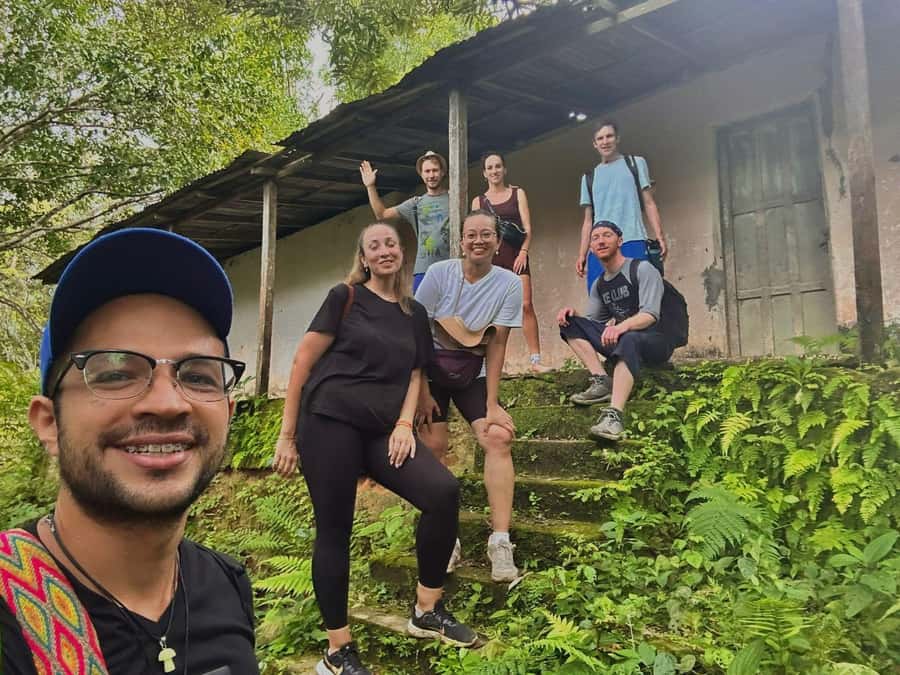
Reviewed · SANTA MARTA TOURS
Coffee, Cocoa and Trekking Tour in Minca: Nature, Crops and Production
Minca’s coffee and cocoa farms give you more than a tasting. You walk through the Sierra Nevada, see how crops move from plant to finished product, and meet the people who keep this small mountain economy going. The farm visit and the waterfall stop are the two best parts for me.
I also like the direct local focus. Your $41 helps support a family-run farm, community tourism, and environmental care, while the guide explains cultivation from planting through processing. The main caution is the uphill trekking: it is short, but one booking called it a hearty climb, so this is not a flat farm stroll.
Key points to know before you go
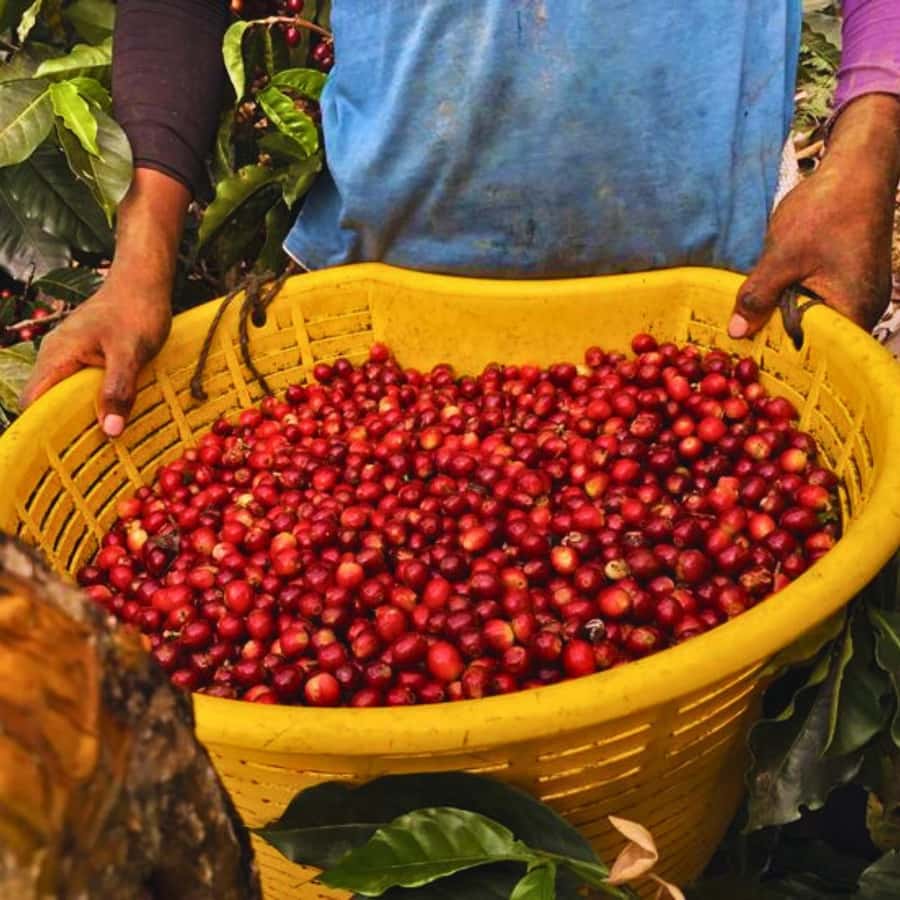
- Coffee and cocoa are shown as working crops: You learn about harvesting, processing, and hand production at a sustainable local farm.
- The trek includes a waterfall area: Plan for a short swim or refreshment stop at a small natural pool if conditions allow.
- The route begins and ends in central Minca: Meet by the church or chapel in Parque de Minca, with no transport included.
- The scenery changes as you walk: Expect tropical forest, native plants, old trees, rivers, mountain views, and distant Caribbean Sea views.
- Guides shape the experience: Albert, John, and Jorge have led outings, with Spanish and English available.
- Bring clothes that can get dirty: Comfortable shoes, water, sun protection, insect repellent, and waterproof clothing are sensible choices.
Why this Minca farm tour feels different
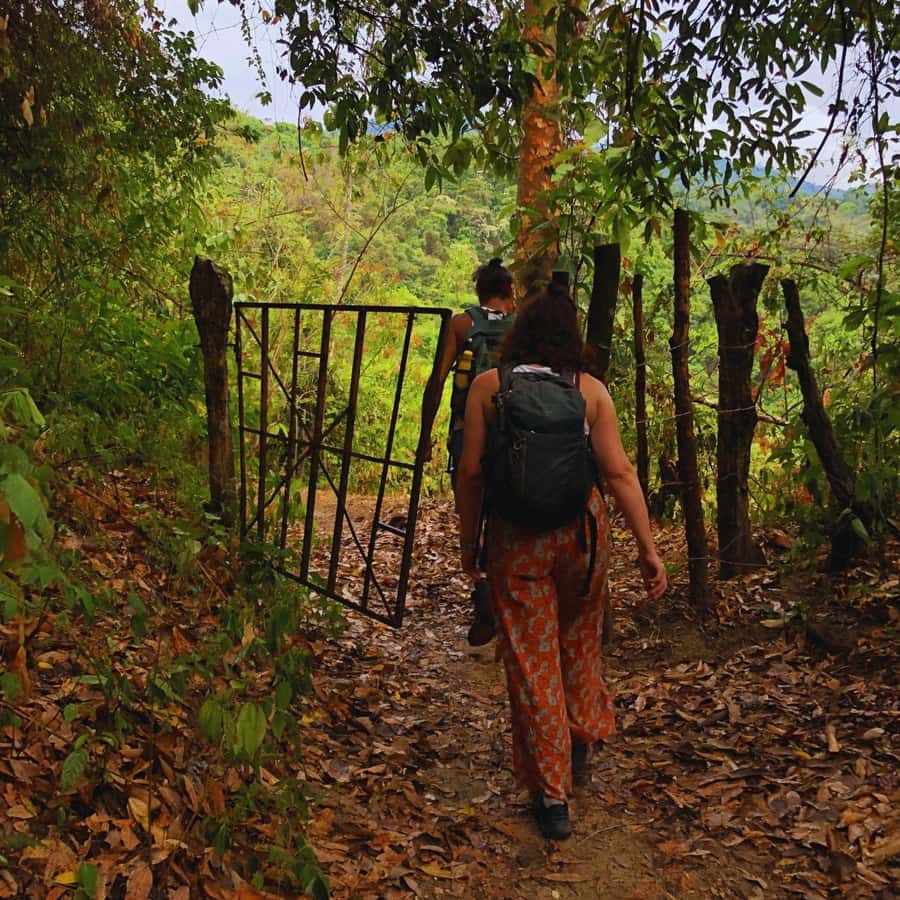
Minca is a mountain town in Magdalena, above Santa Marta, where the climate changes quickly as you gain height. That shift in elevation helps explain why coffee, cocoa, tropical plants, streams, and forest can all appear within one compact outing.
This tour connects those natural conditions with the work of local farmers. You do not simply taste a cup of coffee or a piece of cocoa. You see how the crops are grown, collected, changed, and prepared. That makes the tasting more useful, since you understand the labor behind each flavor.
I especially like the way the experience joins three subjects that are often sold separately: farming, nature, and local culture. The guide talks about sustainable agriculture and agroecological methods, while the walk shows why water, fertile soil, shade, and forest matter to the farm.
The outing lasts about four and a half hours. That is enough time for a real introduction to Minca without taking up your whole day, but it is still a half-day hike. You should arrive ready to walk, sweat, and get a little dirt on your clothes.
A few more Santa Marta day trips to weigh up
- Tayrona Park Hike And Beach Day
★ 5.0 · 91 reviews - Guided Hiking through Tayrona National Park and Cabo San Juan
★ 4.5 · 73 reviews - Trekking History and Indigenous Heritage in Minca + Cacao & Coffee + Waterfall
★ 4.9 · 63 reviews
Starting at Parque de Minca
Your meeting point is Minca’s central park, beside the church or small chapel. This is a practical place to begin because it lets you get your bearings before leaving town, and the same spot serves as the return point.
Transportation is not included. You need to arrange your own way to Minca and meet the guide there. The tour itself begins on foot, so wear your hiking shoes from the start rather than carrying them in a bag.
The opening section sets the tone. Your guide introduces the area, explains what you will see, and leads you toward the natural trails. Guides may include Albert, John, or Jorge, depending on the departure. The available languages are Spanish and English.
Do not expect a large commercial production site. The farm visit is built around local agriculture and family-scale work. That is a strength if you want to see methods used by people who live from the land, though it also means the presentation may feel informal rather than polished.
Walking toward Puente de Minca
The route includes a guided section near Puente de Minca, with about an hour devoted to walking and explanation. This is where the outing begins to feel like a nature hike rather than a standard farm tour.
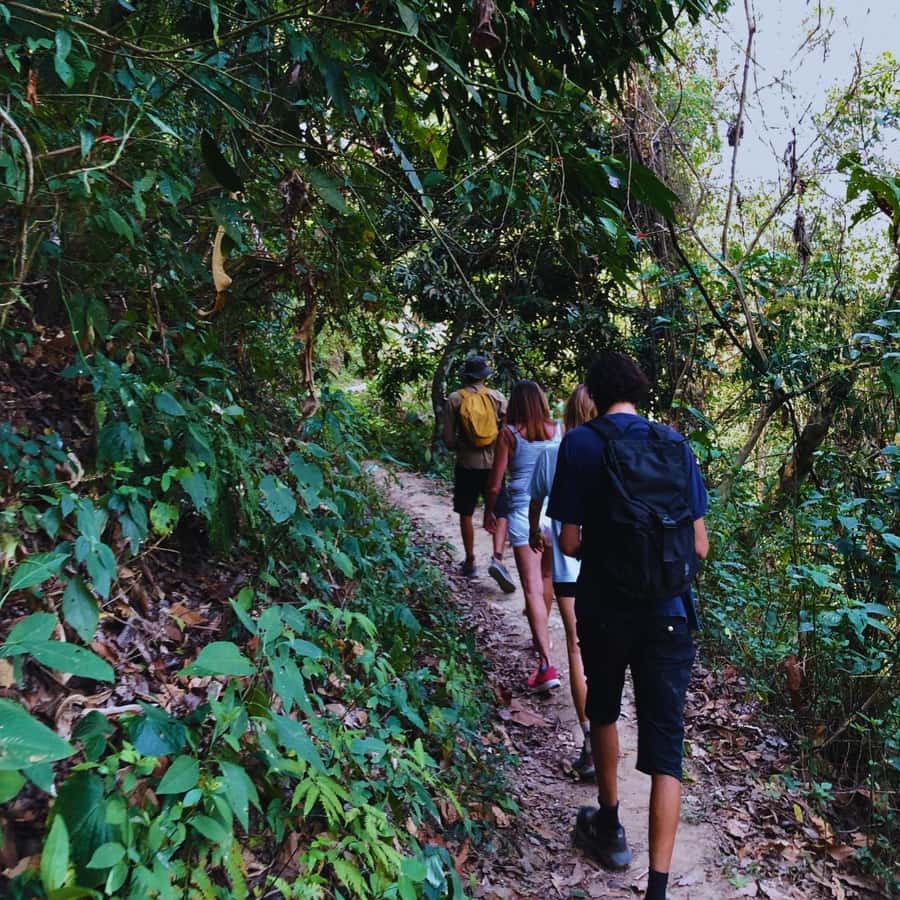
The path takes you through tropical surroundings with native plants, old trees, and water sources. Your guide explains the connection between the forest and the crops, including the importance of the Sierra Nevada’s different climate zones.
The scenery is one of the tour’s strongest points. You may see mist-covered mountains, dense green forest, clear rivers, and, from higher viewpoints, the Caribbean Sea in the distance. These views help you understand why Minca is valued for more than its coffee.
The trail is not described as technically difficult, but you should take the uphill sections seriously. A previous booking described the climb as hearty but worth the effort. I would not choose this outing if you want a gentle walk with little exertion. You need stable footwear and enough water for several hours outside.
The pace is also part of the appeal. A guide can stop to point out plants, talk about local farming, or explain the area’s history. This is not a route where you rush from one photo stop to the next.
Seeing coffee and cocoa at Finca San Rafael
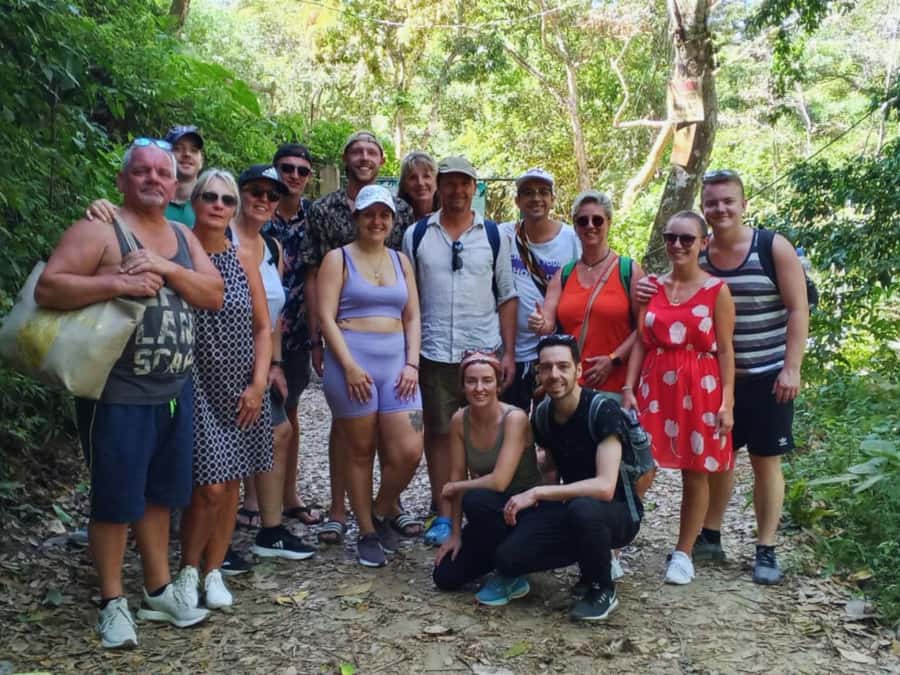
The farm visit at Finca San Rafael is the heart of the experience. The scheduled time is about 30 minutes, though the full farm portion may feel longer when you include the walking, explanations, and tasting.
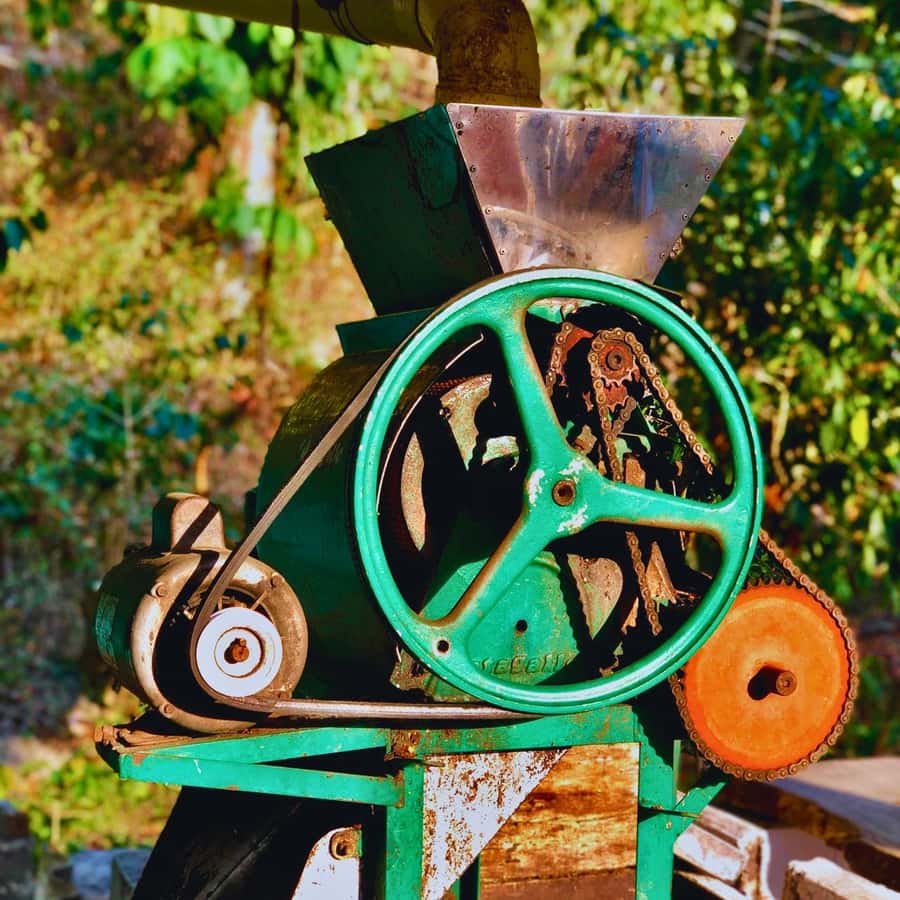
Here you learn how coffee and cocoa are cultivated and harvested. The guide and farm family explain the stages of production, including the change from traditional practices toward more sustainable agroecological methods.
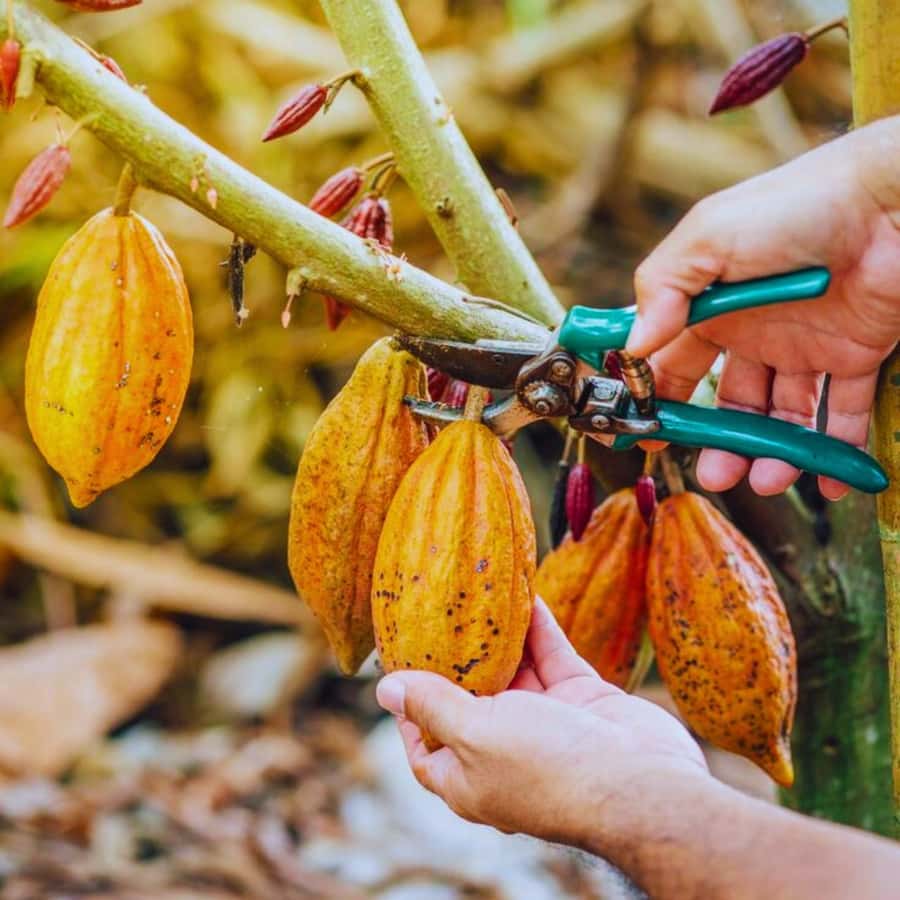
Cocoa is shown manually, which gives the process a useful human scale. You can see how much work is involved before the bean becomes a finished product. Coffee receives the same treatment, with attention to cultivation and preparation rather than just the final drink.
The farm’s family-run setting matters. You are not watching a generic demonstration designed for a mass audience. You are being introduced to the work of people who grow the crops in this part of the Sierra Nevada. That direct contact is one reason the tour feels more grounded than a simple café tasting.
The farm family is also part of the experience. The guide handles the wider story, while the people who run the plantation can explain their own daily work. That combination gives you both regional context and a closer look at one working farm.
More coffee tours in Santa Marta:
- Santa Marta: Minca Coffee, Cocoa, & Waterfall Full-Day Trip
★ 4.6 · 102 reviews - Minca: Full-Day Coffee and Cocoa Tour from Santa Marta
★ 4.5 · 61 reviews - Cacao and Coffee Tour
★ 4.5 · 24 reviews - Minca: Hidden Waterfall + Coffee and Cocoa Workshop
★ 4.9 · 6 reviews
Tasting coffee and handmade cocoa
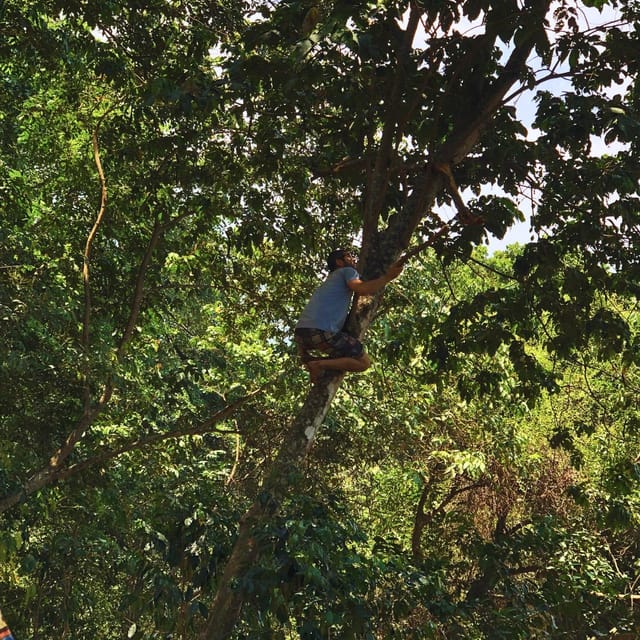
The tasting comes after the explanation, which is exactly the right order. Once you know how the crops are handled, the coffee and cocoa products have more meaning.
You taste organic coffee and handmade cocoa products grown or prepared locally. The experience is not presented as a formal tasting course, so do not expect a technical lesson on flavor notes or brewing equipment. Instead, you get a direct connection between the farm, the product, and the people who make it.
I like this approach because it keeps the focus on place. The coffee is not an abstract souvenir, and the cocoa is not just a sweet snack. Both are tied to soil, rainfall, labor, and the local economy.
Food and extra beverages are not included. You should not arrive expecting a full meal. Bring your reusable bottle, and plan food separately if you need something substantial before or after the outing.
A waterfall stop and natural water
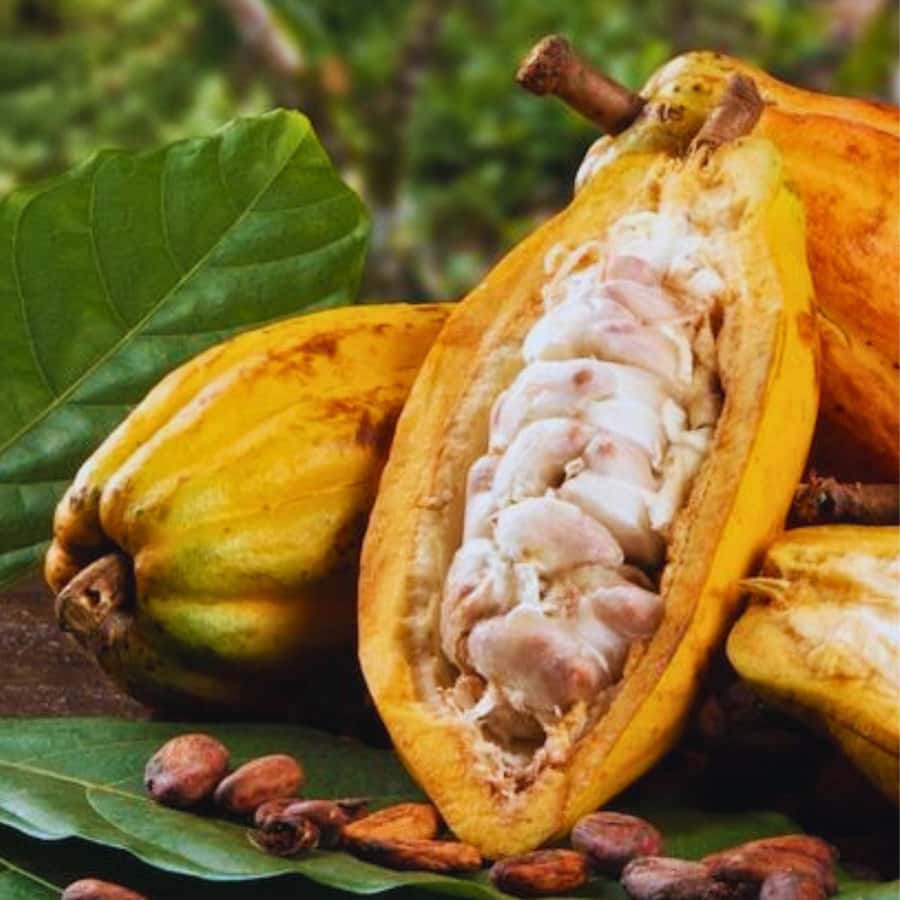
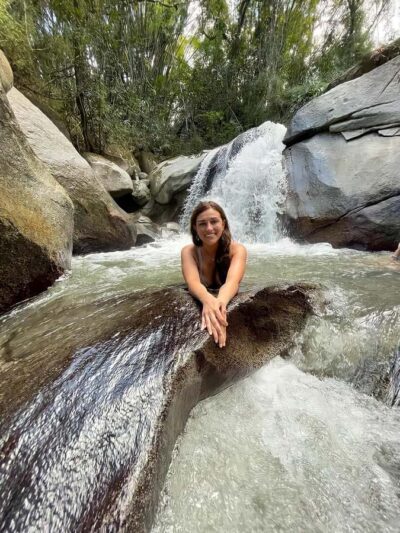
The walk includes access to natural water sources, and the route may end with a short swim near a waterfall and small natural pool. This is a welcome change after the uphill walking.
Bring swimwear or clothing that can handle water if you want to take part. The supplied preparation advice also recommends waterproof clothing, since Minca’s mountain weather can change and wet trails are possible.
The waterfall stop is best understood as a simple nature break, not a full water-park visit. Conditions, timing, and water levels can affect how long you stay. Still, the chance to cool off in a natural setting adds something special to a tour that already combines farming and hiking.
Use care around wet rocks. The tour includes assistance insurance, but sensible footwear and attention still matter. A towel is not listed among the required items, so pack one only if you have room and expect to swim.
How sustainable farming fits the story
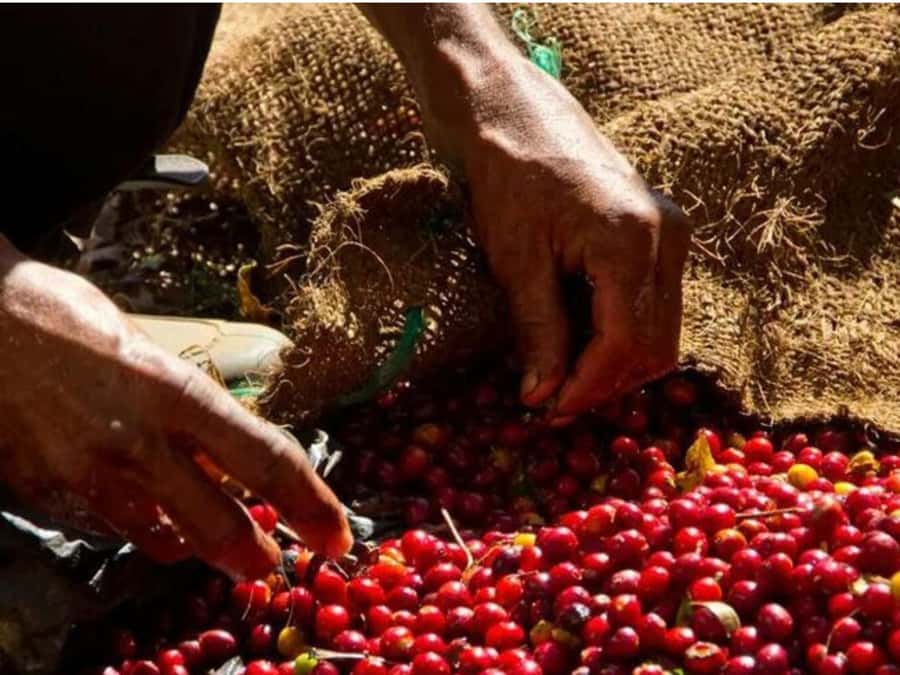
The sustainability message here is practical, not decorative. You learn how farming has shifted from older traditional methods toward approaches that respect the soil, water, and surrounding forest.
That matters in the Sierra Nevada, where communities depend on productive land but also live among sensitive ecosystems. The tour shows how agriculture and nature are linked, rather than treating the farm as separate from the forest.
You also hear how coffee and cocoa have shaped Minca’s economy, culture, and identity. The crops are not simply products for visitors to buy. They are part of the way local families earn a living and explain their place.
The direct contribution to the local community and environmental conservation is another reason the price feels fair. At $41 per person, you are paying for a guide, a farm visit, a tasting, a four-and-a-half-hour walk, and local support. It is not the cheapest way to spend a morning in Minca, but it offers more substance than a short coffee stop.
The value depends on what you want. If your main aim is a quick swim, cheaper options may exist. If you want a guide to connect crops, forest, culture, and local work, this tour earns its price.
What the guides add
The guide can make or break a walking tour, and this experience depends on good explanation as much as on scenery. The named guides associated with the outing include Albert, John, and Jorge.
Albert is described as friendly and willing to answer questions. John is praised for leading an interesting outing, while Jorge is noted for clear explanations and for working well with the plantation family. These details suggest that the guide’s role goes beyond pointing out the route.
You should ask questions as you walk. Ask how cocoa is processed, how coffee growing has changed, or how farming affects the surrounding forest. The more curious you are, the more useful the experience becomes.
The tour is described as fully customized, but no fixed group size is provided. That means you should not assume a private tour or a tiny group unless your booking confirms it. Ask about group arrangements if that matters to you.
Practical preparation for a four-and-a-half-hour hike
Your clothing choice will affect the day. Wear comfortable hiking shoes or sports shoes with a firm sole, and choose clothes that can get dirty. Hiking pants and light sportswear are sensible.
Pack:
- Water and a reusable bottle
- Biodegradable sunscreen
- A hat
- Biodegradable insect repellent
- Waterproof clothing
- Clothing suitable for a possible swim
- Basic trekking gear if you normally use it
The route passes through nature, so insects, mud, and rain are all possible concerns. Biodegradable products are requested because the tour operates in a sensitive environment.
The activity is not suitable for children under eight, pregnant women, wheelchair users, people with respiratory issues, or people above the stated age limits. The age information is inconsistent, listing restrictions for people over 70, 80, and 95, so older participants should confirm eligibility before booking.
Weapons, sharp objects, alcohol, drugs, nudity, and baby strollers are not allowed. The practical message is simple: carry hiking essentials, leave unnecessary items behind, and respect the farm and natural setting.
You can cancel up to 24 hours before the activity for a full refund. The reserve-now, pay-later option also helps if your Minca plans are not yet fixed.
Who will enjoy this Minca experience most
I would choose this tour if you want to understand where Colombian coffee and cocoa come from, rather than simply consume them. It suits active visitors who enjoy a moderate half-day walk and do not mind warm weather, uneven ground, or a possible uphill push.
It is also a good choice if you want your spending to reach local farmers. The family-run farm and direct community contribution give the outing a clear local purpose.
You may want a different plan if you are looking for a flat route, a long waterfall swim, a full meal, or a formal coffee workshop. Transportation, food, and drinks are not included, and the route requires physical effort.
The tour also works well early in a Minca stay. It gives you a useful sense of the town’s surroundings, farming, water, and mountain setting. Afterward, you will look at the area’s coffee and cocoa with more understanding.
Should you book the coffee, cocoa, and trekking tour?
Book it if you want a small-scale farm experience joined to a real nature walk. The best parts are the hand-explained coffee and cocoa process, the welcoming farm setting, the clear local connection, and the chance to cool off near a waterfall.
Before booking, be honest about the hike. This is not just a tasting with a short stroll attached. The uphill sections can be hearty, and you need proper shoes, water, sun protection, and clothes that can take mud or rain.
At $41, the tour is good value for a four-and-a-half-hour outing with a bilingual guide, farm access, tastings, scenery, and community support. I would recommend it to active visitors who want to meet the people behind Minca’s crops and see the forest that makes those crops possible.
FAQ
How long does the tour last?
The activity lasts about four and a half hours.
Where does the tour start?
It starts at Parque de Minca, near the church or small chapel in central Minca.
Where does the tour finish?
The activity ends back at Parque de Minca, the original meeting point.
Is transportation included?
No. Transportation is not included, so you must arrange your own transport to Minca.
Which languages are available?
The live tour guide is available in Spanish and English.
Are coffee and cocoa tastings included?
Yes. The tour includes tastings of organic coffee and handmade cocoa products.
Is food included?
No. Food and beverages are not included.
What should I bring?
Bring comfortable or hiking shoes, water, biodegradable sunscreen, a hat, waterproof clothing, insect repellent, a reusable bottle, sportswear, and clothing that can get dirty.
Can I cancel the booking?
Yes. You can cancel up to 24 hours in advance for a full refund.
Just added around Santa Marta
- Diving Santa Marta & Tayrona for Certified Divers (2 tanks)★ 3.9 · 3 reviews
- Minca, Marinka Waterfall & Hostel Sierra Minca★ 4.7 · 3 reviews
- Santa Marta: Museum of the Sea and Playa Blanca Beach Tour★ 4.8 · 3 reviews
- Palomino: Private Tour to Tungueka Indigenous Village★ 3.7 · 3 reviews
- Tour to Punta Gallinas with Cabo de la Vela 3 Days★ 3.3 · 4 reviews
- Tayrona Park & Playa Cristal★ 3.8 · 4 reviews
- SANTAMARTA: TOUR Remanso, Taganga, Playa Grande Lunch and Snorkeling Included★ 3.5 · 4 reviews
- Avistamiento de aves en Minca Sierra Nevada de Santa Marta★ 5.0 · 4 reviews
Santa Marta Tours, compared.
From Santa Marta: Tayrona National Park Guided Tour
Read our review →
Santa Marta: Minca Coffee, Cocoa, & Waterfall Full-Day Trip
Read our review →
From Santa Marta: Sunset Sailboat Tour with 2 Beverages
Read our review →

Santa Marta: Sailing Tour to Tayrona Park with Luis’ Team
Read our review →
Browse the lists this tour appears in