
Reviewed · MEDELLÍN TOURS
Chocolate tour near the Medellín
The most memorable part of this day is seeing cacao before it becomes a glossy chocolate bar. Near Barbosa, you walk among cocoa trees, pick ripe fruit, open the pods, and follow the beans through peeling, fermenting, drying, roasting, grinding, and molding. This is farming first, chocolate second, which gives the experience a useful sense of place.
I like the small family-farm setting, where Efrem, Alicia, and Sandra welcome you into their daily world instead of presenting a polished factory show. I also like the hands-on work: you make chocolate to take home and taste fruit picked on the farm. The main drawback is the price, $126 per person, and lunch is not included, so this is a good choice for an intimate countryside outing, not the cheapest chocolate stop near Medellín.
Key points to know before booking
- The farm visit goes beyond cacao: You also learn about coffee, avocado, yuca, flowers, and other fruit grown by the family.
- You take part in the process: Picking cacao and molding chocolate make this more active than a simple tasting.
- The drive leads into rural Antioquia: The scenery changes from Medellín streets to steep roads, farmland, trees, and open countryside near Barbosa.
- The welcome is personal: Fruit, drinks, antimosquito soap, and time with the farming family are part of the visit.
- Sara can make a big difference: She has served as guide, driver, interpreter, and activity helper for English-speaking visitors.
- Plan for a farm, not a city attraction: Wear long pants and walking shoes, and expect sun, insects, uneven ground, and some climbing.
From Medellín to a family farm near Barbosa
This is a six-hour outing from Medellín, with pickup and return in either El Poblado or Laureles-Estadio. The destination is Barbosa, a municipality in Antioquia’s countryside, and the main farm visit with guided activities and tastings lasts about three and a half hours.
I like the way the day gives you a clear change of setting without requiring a separate overnight trip. You leave the city, ride in an air-conditioned vehicle, and reach a working farm where cocoa grows alongside coffee, avocado, yuca, fruit, and flowers. The drive is part of the experience because it shows you a side of Antioquia that is easy to miss if you stay in Medellín.
The final approach may be the most demanding part. One detailed account describes a steep, narrow road leading to the cocoa estate, handled confidently by Sara. That means you should be ready for a rural access road rather than a smooth highway all the way to the door. If winding or steep roads bother you, it is worth keeping this in mind before booking.
Pickup is offered from the El Poblado and Laureles areas. If your lodging is outside those zones, you need to ask in advance if pickup can be arranged. The minimum number to operate the tour is two people, and the format can be private or small group.
A few more Medellin day trips to weigh up
- Coffee & Chocolate Private Tour in Medellin: Genuine Experience
★ 5.0 · 100 reviews - Chocolate tour near Medellin
★ 5.0 · 90 reviews - Medellín: Comuna 13 Tour with Spray Painting and ice cream
★ 5.0 · 74 reviews
Meeting the farmers and seeing rural Antioquia
The farm is family-run, and that shapes the tone of the visit. You meet the people who work the land and hear about their way of life, not just the commercial steps used to sell chocolate. Efrem, Alicia, and Sandra have welcomed visitors with drinks and fruit, and the visit can include a thoughtful touch such as antimosquito soap on arrival.
That personal welcome is one of the strongest reasons to choose this tour. You are not simply led from one display to another. You have a chance to understand how cacao fits into a broader farm economy, where several crops share the same land and income does not come from chocolate alone.
The family grows more than cocoa. You may see or taste coffee, avocado, yuca, flowers, and fruit from the farm. The available information specifically mentions fruit tasting, and one account describes walking around and eating fruit straight from the trees. The exact fruit selection will depend on what is ready that day, so I would treat this as a seasonal bonus rather than a fixed menu.
The farm setting also gives the tour a slower rhythm. You can look at the plants, take photographs, and enjoy the countryside rather than rushing through a factory timetable. In one account, the end of the visit included hot cacao and time watching birds against the surrounding scenery. That quiet pause is a nice counterpoint to the practical work of processing the beans.
Following cacao from pod to paste
The cocoa lesson is the heart of the day. You see the stages that are often hidden behind a finished bar:
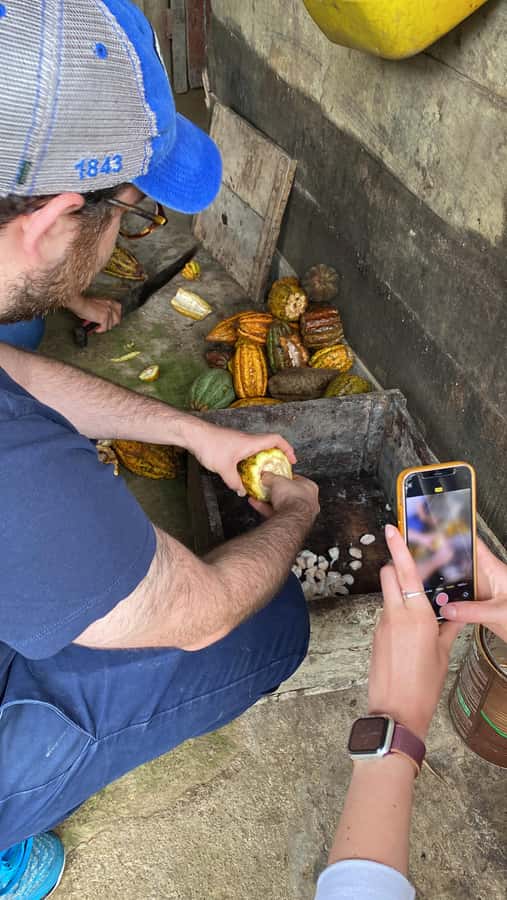
- Picking ripe cacao fruit
- Peeling the pods
- Fermenting the beans
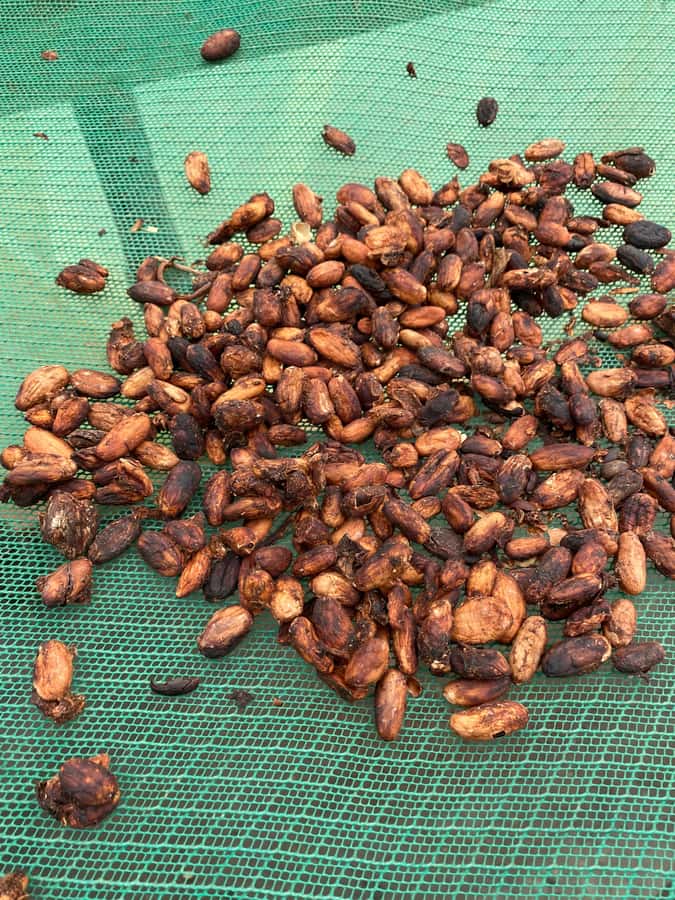
- Drying them
- Roasting
- Grinding
- Turning the cocoa into paste
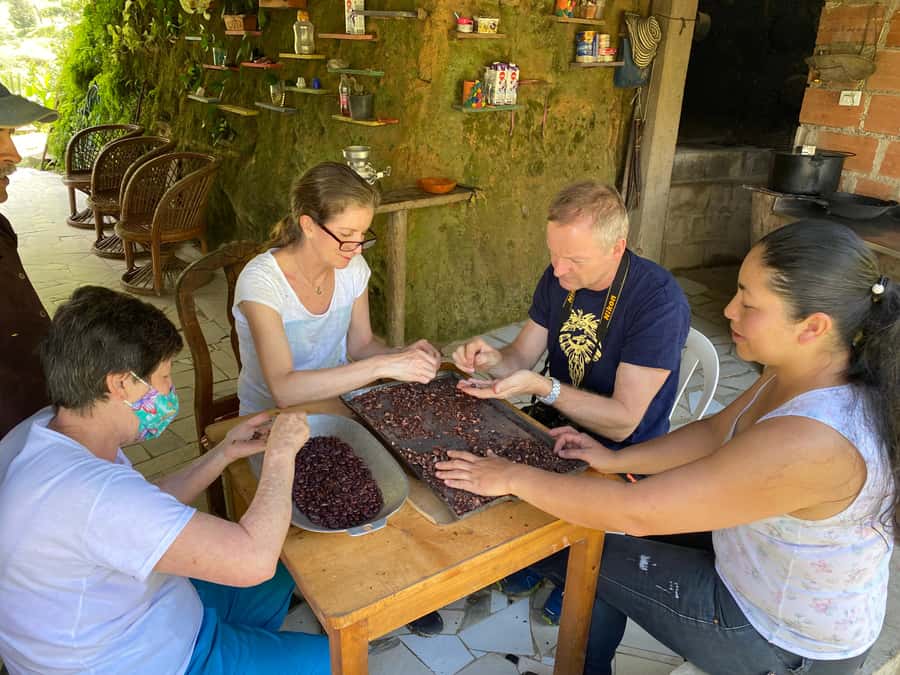
- Molding your own chocolate
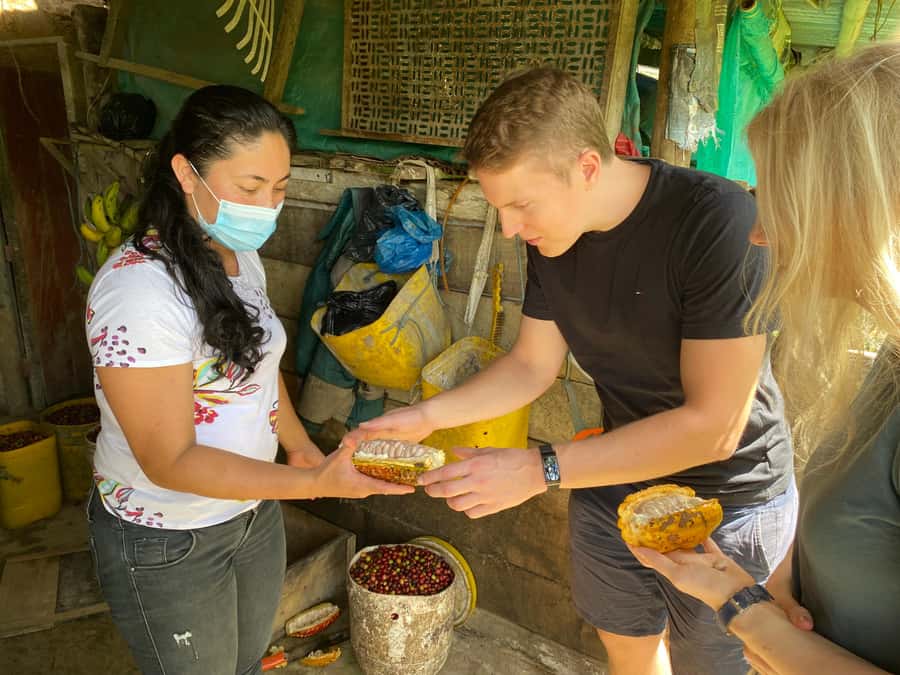
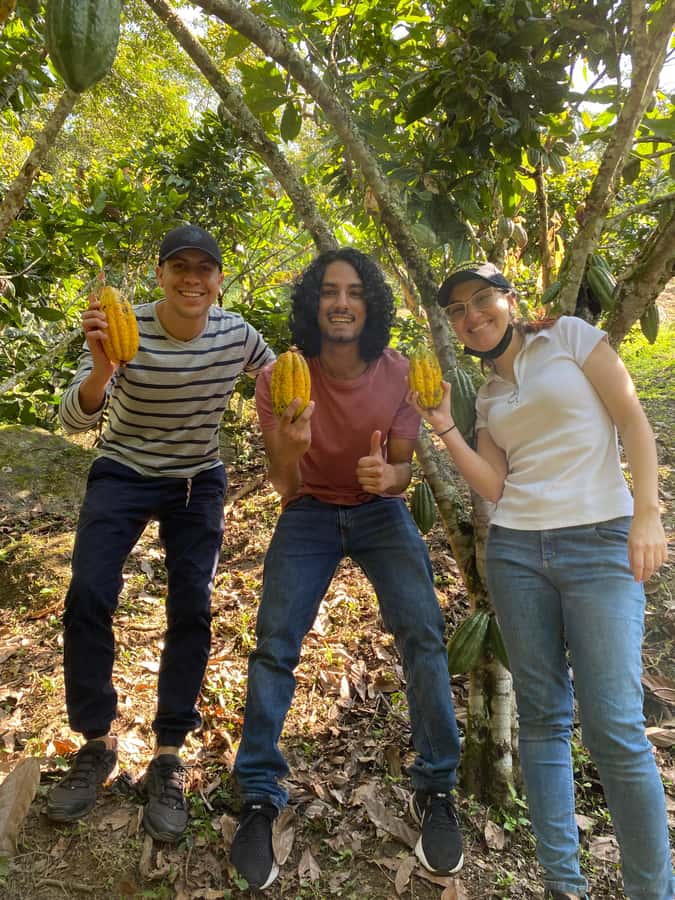
You may begin with a short walk to the cocoa grove. One account describes seeing three types of cacao trees grown on the estate and picking ripe pods before returning to the farm. This is a useful part of the visit because it connects the finished food with the tree itself. Cacao does not look like the chocolate most of us buy, and the pod, pulp, and beans make that clear quickly.
The fermentation and drying stages matter just as much as roasting. They shape the flavor before the beans ever become a smooth paste. You are shown these stages rather than simply being told that they exist, which helps explain why cacao farming takes time and careful handling.
At the grinding stage, the beans become cocoa paste. This is where the process starts to feel familiar, but the setting keeps it grounded in farm work. You are not only watching a demonstration. You get to work with the paste and mold chocolate yourself.
The activity is hands-on, but it is not described as a full professional chocolate-making class. Expect a guided farm experience with practical participation rather than advanced instruction in tempering, recipe design, or confectionery techniques. That distinction matters if you are looking for a technical pastry workshop.
Tasting hot chocolate, nibs, fruit, and cocoa paste
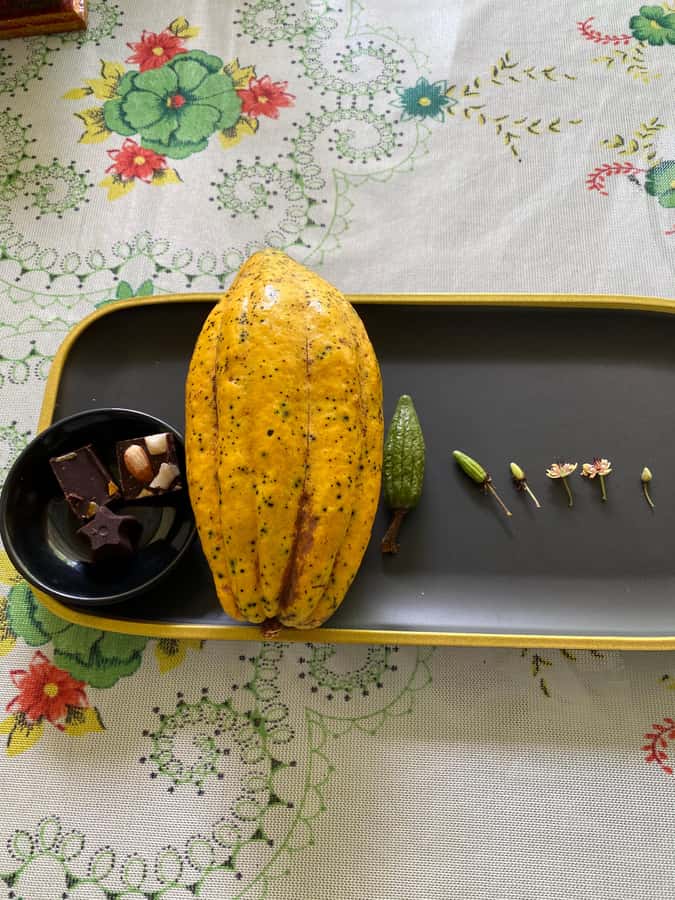
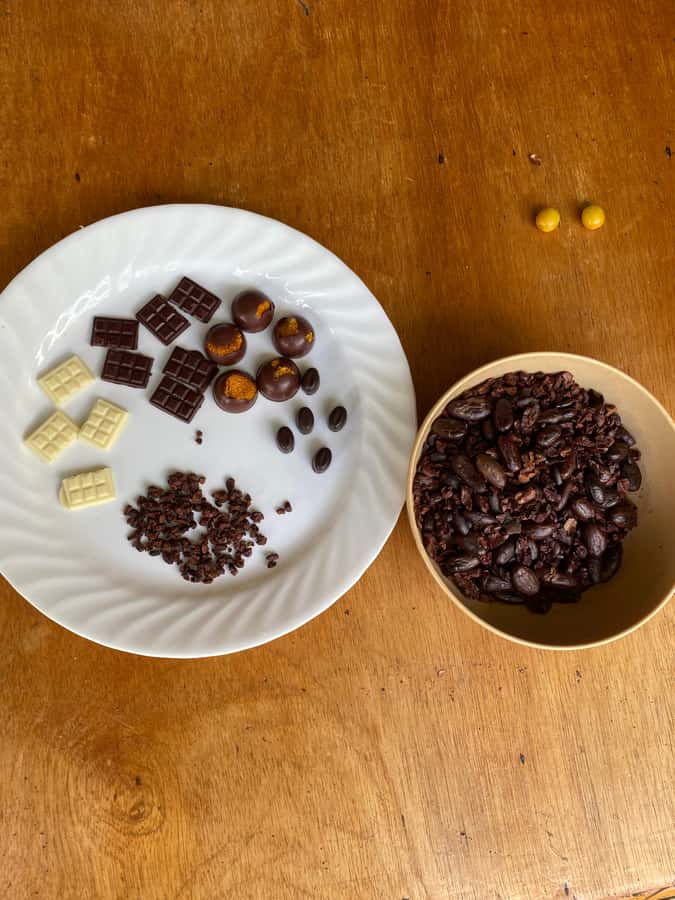
The tasting portion covers several forms of cacao, including hot chocolate, cocoa nibs, and cocoa paste. These samples help you notice how much the flavor and texture change as the bean moves through each stage.
Cocoa nibs are especially useful for comparison. They are less sweet and more direct than a finished chocolate bar, so they show the roasted character of the bean. Cocoa paste gives you another step in the process, while hot chocolate offers the most familiar and comforting version.
Fruit tasting adds variety and ties the food back to the farm. You might taste fruit picked during a walk around the property, depending on what is in season. Drinks and fruit may also be offered as a welcome before the main activities.
You can buy cocoa products to take home. You also take home the chocolate you make during the session, which gives the experience a small personal souvenir rather than leaving you with only photographs. I would bring a container or small bag if you want to keep your chocolate protected, though the tour information does not specify how it is packaged.
Same city, a completely different kind of day:
- Medellin: Comuna 13 Graffiti Tour, Cable Car & Street Food
★ 4.8 · 9,046 reviews - Medellín: The Real Pablo Escobar Tour
★ 4.8 · 3,205 reviews - Medellín: Comuna 13 True Story and Street Food Tour
★ 4.9 · 1,779 reviews - Medellín: Comuna 13 District Tour with Cable Car Ride
★ 4.8 · 1,467 reviews
What the three-and-a-half-hour farm visit feels like
The central farm portion is listed at about three and a half hours, including the guided tour and food tasting. That is enough time for a proper introduction to cacao without turning the day into an exhausting agricultural course.
The visit begins with the farm and the family. You learn about the crops, meet the people who run the property, and get oriented to the setting. Then you walk toward the cocoa trees, where the guide explains the varieties and shows you how ripe fruit is picked.
After returning from the grove, the group works through the preparation of cacao paste. You see the practical stages and then take part in molding chocolate. Tastings are spread through the visit, with fruit, cacao products, and hot chocolate giving you breaks between the walking and demonstrations.
The amount of walking is not described as extreme, but this is still a farm. You may encounter uneven ground, sun, insects, and a short climb. One account specifically mentions a bit of climbing to reach the cocoa grove. Comfortable walking shoes, long pants, sunscreen, a hat, insect repellent, and water are sensible choices.
The activity is not suitable for children under five, people with back problems, wheelchair users, or people with food allergies. The farm environment and the hands-on work explain some of those limits. If you have a serious allergy, you should ask for more details before booking because several cacao products and fresh foods are part of the day.
The guide, language, and group size
The tour is offered in English and Spanish, with a bilingual guide. Sara has handled several roles on the route: she has driven the vehicle, explained Medellín and Colombian life, interpreted between visitors and the farm family, and helped with the chocolate activities.
That combination can be valuable because the farm family and your own group may not always share the same first language. A guide who can interpret the practical details and the personal story helps the visit feel like a conversation rather than a one-way demonstration.
Private and small-group options are available. A smaller group suits this farm particularly well because the visit depends on personal contact, questions, and shared work. It should also make the chocolate-molding session easier than a large bus-group format.
The exact guide is not guaranteed, so you should not book on the assumption that Sara will lead your date. Still, her role gives you a useful picture of what the bilingual support can include. You are getting more than transport and translation if the same person guides, drives, and helps manage the activities.
Is $126 a fair price?
At $126 per person, this is not a budget half-day from Medellín. The price covers pickup and return, an air-conditioned vehicle, a bilingual guide, the guided cocoa farm tour, hands-on chocolate making, cocoa tastings, and fruit tasting.
The value depends on what you want from the outing. If you only want to taste chocolate, the cost will feel high. If you want a private or small-group countryside trip, direct contact with a farming family, transport from the city, and a practical bean-to-bar lesson, the price is easier to justify.
You are also paying for the time and logistics involved in reaching a rural property near Barbosa. The steep final road, interpretation, and coordination with the family are not things you would easily reproduce with a quick independent visit. The tour combines transport, cultural context, farm access, and an activity in one day.
Lunch is not included. You should budget for your own meal and bring water and snacks, as advised for the farm setting. Since the tour lasts six hours, the missing lunch is a real planning detail, especially if you prefer a full meal at a set time.
The booking terms are flexible: you can reserve and pay later, and cancellation up to 24 hours before the activity allows a full refund. Those terms reduce the risk if your Medellín plans are still changing.
Clothing and practical preparation
You should dress for sun, dirt, insects, and walking. The useful packing list is simple:
- Long pants
- A long-sleeved shirt
- Comfortable walking shoes
- A hat
- Sunscreen
- Insect repellent
- Water
- A camera
- Snacks
Short skirts, sleeveless shirts, and high-heeled shoes are not allowed. Smoking, pets, alcohol, and drugs are also prohibited.
A long-sleeved shirt has two jobs here: it protects you from the sun and gives you some cover from insects and branches. Long pants are more practical than shorts on a working farm, especially if you walk toward the cocoa grove.
You should also be ready to use your hands. The chocolate-making part is meant to involve you, and the farm visit is not a sit-down tasting alone. If you want to keep your clothes spotless, choose something comfortable that you do not mind wearing in a rural workspace.
Who will enjoy this day most?
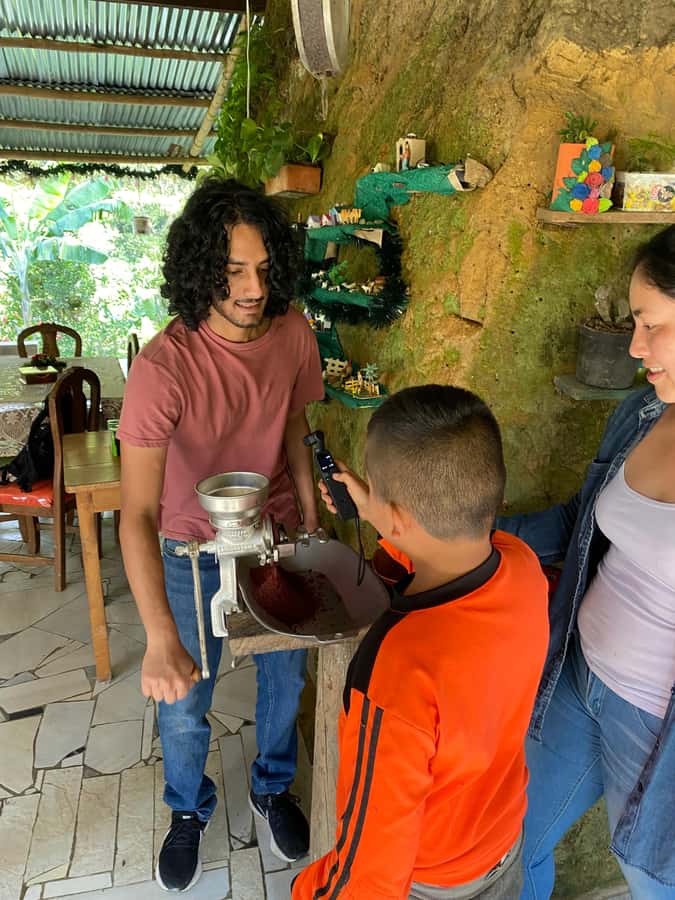
I would choose this tour if you want to connect food with the people and land that produce it. It suits you especially well if you enjoy small family businesses, rural scenery, fresh fruit, practical demonstrations, and a relaxed day outside Medellín.
It is also a good match for visitors who want a less commercial experience. The family setting, direct welcome, and work with fresh cacao give the day a personal character. You can learn about Colombian farming without committing to a long multi-day trip into the countryside.
Families with very young children should look elsewhere because children under five are not accepted. The walking, road conditions, and hands-on work also make it a poor fit for people with back problems or mobility limitations.
Chocolate fans with food allergies should ask detailed questions before reserving. The tour includes cacao in several forms, fresh fruit, and other tastings, and the supplied information says it is not suitable for people with food allergies.
Should you book the cocoa farm tour?
I would book this experience if you value the setting and the people as much as the chocolate. The strongest parts are the family-run farm, the chance to pick cacao, the clear bean-to-paste process, and the chocolate you mold yourself and take home.
I would skip it if your main goal is a low-cost tasting in Medellín, a technical chocolate course, or a full day with lunch included. The price is significant, and the countryside road and farm walking require a little effort.
For the right visitor, this is a thoughtful six-hour escape from the city. You return with a better understanding of cacao, a taste of rural Antioquia, and a small batch of chocolate made by your own hands.
FAQ
Where does the chocolate farm tour take place?
The tour visits a family cocoa farm near Barbosa in Antioquia, outside Medellín.
How long does the experience last?
The full activity lasts six hours. The guided farm visit and tasting portion takes about three and a half hours.
Where can pickup and drop-off take place?
Pickup and return are available in the El Poblado and Laureles-Estadio areas of Medellín.
Is transportation included?
Yes. Pickup and drop-off, along with transport in an air-conditioned vehicle, are included.
Is lunch included?
No. Lunch is not included, so you should plan for your own meal and bring water and snacks.
Is the tour offered in English?
Yes. The tour is available in English and Spanish with a bilingual guide.
Will I make chocolate myself?
Yes. The experience includes hands-on chocolate making, including molding chocolate that you can take home.
What cocoa products will I taste?
The tasting includes different chocolate varieties, hot chocolate, cocoa nibs, and cocoa paste. Fruit from the farm is also included.
What should I wear and bring?
Wear comfortable walking shoes, long pants, and a long-sleeved shirt. Bring a hat, sunscreen, insect repellent, water, snacks, and a camera.
Can everyone join the tour?
No. It is not suitable for children under five, people with back problems, wheelchair users, or people with food allergies. The minimum number required to run the tour is two passengers.
Just added around Medellin
- Comuna 13: Recorrido de Arte Urbano, Cultura y Resiliencia★ 5.0 · 3 reviews
- Tour to Río Claro and La Caverna del Cóndor★ 5.0 · 3 reviews
- Medellin: Tour to The Cathedral – History of Pablo Escobar and his Impact★ 5.0 · 3 reviews
- Medellin: waterfalls and naturals poolls tour★ 3.7 · 3 reviews
- Medellín: Coffee Tour Experience at a Coffee Farm★ 4.8 · 3 reviews
- Medellín: Private City Tour and Comuna 13 Tour★ 3.8 · 3 reviews
- Tour Medellín: Pablo Escobar and Commune 13★ 5.0 · 3 reviews
- Colombia: Official Pablo Escobar Meet the Family Museum Tour★ 5.0 · 3 reviews
Medellín Tours, compared.

Medellin: Comuna 13 Graffiti Tour, Cable Car & Street Food
Read our review →
Medellín: Comuna 13 True Story and Street Food Tour
Read our review →
Medellín: Comuna 13 District Tour with Cable Car Ride
Read our review →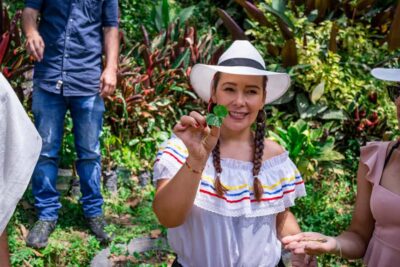
Medellin: Coffee Tour with Transport, Snacks and Tastings
Read our review →
From Medellín: Paragliding Tour with GoPro Photos & Videos
Read our review →
Medellín: Pablo Escobar Tour with beer included
Read our review →Browse the lists this tour appears in