Reviewed · CARTAGENA TOURS
Cartagena: Palenque Tour and Road to Emancipation
San Basilio de Palenque is not simply a day trip from Cartagena. It is a place where African traditions have survived for more than 400 years, expressed through language, drums, dance, food, and local memory. I like that this tour treats Palenque as a living community rather than a museum exhibit, and I especially like the chance to meet local guides, dancers, artists, and practitioners of traditional medicine.
The two strongest parts are the candid discussion of slavery and emancipation, and the warm, participatory dance and drum session. The main drawback is the road time and the long chain of pickups around Cartagena. The tour is advertised at six hours, but some days can run beyond seven, so bring patience along with your sunscreen.
Key points to know before you book
- Palenquero culture is still lived daily: You will encounter a local language with Bantu roots, traditional food, music, dance, murals, and community knowledge.
- The tour is active, not just observational: You can learn dance steps and play drums during the cultural presentation.
- Romeo is a frequently named guide: He has led many departures, with Damaso, David, Andres, Maria, Gleidis, and others also mentioned as guides or translators.
- Lunch is part of the value: The price includes a typical Palenquero meal, with fish and chicken among the choices described.
- Transport can affect the day: Hotel pickups are spread across Cartagena, and one vehicle was reported to have broken down on the return.
- Bring tip money and sun protection: Umbrellas may be available, but the village can be hot and sunny.
Why San Basilio de Palenque matters
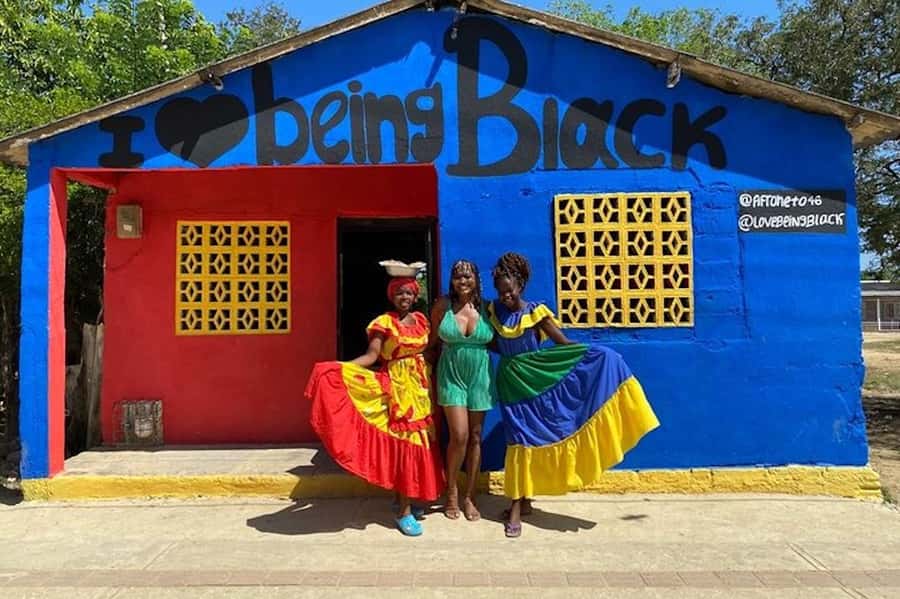
Palenque offers a kind of history that you cannot get from Cartagena’s colonial walls alone. San Basilio de Palenque was founded by Africans who escaped slavery and created a free settlement. It is widely described as the first free African town in the Americas, and its survival gives the visit real weight.
That history is not presented as a tidy tale with all the difficult parts smoothed away. The guides discuss slavery directly, along with the struggle to preserve identity and community life within Colombia. I value that frank approach. You are not only hearing about emancipation as a distant event. You are learning how freedom shaped language, family traditions, music, and local pride.
The tour also makes clear that Palenque is not frozen in the past. Young people, musicians, dancers, artisans, and community guides all play a role in keeping traditions active. The result is more personal than a standard historical excursion. You are seeing a town where heritage is part of ordinary life.
A few more Cartagena day trips to weigh up
- Cartagena: Historic Center and Getsemaní Shared Walking Tour
★ 4.9 · 2,716 reviews - Cartagena: Rosario Islands Catamaran with Lunch and Snorkel
★ 4.5 · 2,479 reviews - Full-Day Rosario Islands Including Barú, Bocachica & Playa Blanca
★ 4.0 · 1,729 reviews
The road from Cartagena to the village
Pickup begins early. If you stay in Cartagena’s historic center, you meet at the Clock Tower at 8:00 a.m. Pickup for Bocagrande, Castillo Grande, and Laguito is listed between 8:20 and 8:45 a.m. Hotels in Marbella, Cabrero, Crespo, Cielo Mar, the northern zone, and Manzanillo del Mar are generally scheduled between about 8:30 and 9:30 a.m., depending on the current pickup plan.
Manga and Barú are listed as requiring a meeting at the Clock Tower at 8:00 a.m. If you are staying outside the most central hotel areas, confirm the precise arrangement before the day of departure. The published time ranges vary slightly, and pickup messages may arrive late in the evening before the tour.
The drive to Palenque takes about an hour according to one detailed account, though the full outing can last longer because the vehicle collects and returns people across Cartagena. That distinction matters. Six hours is the stated duration, but you should plan your morning and afternoon with extra room.
You travel in an air-conditioned vehicle with private transportation and a bilingual guide. The transport is practical rather than luxurious. One passenger found the van comfortable enough but thought the suspension and air-conditioning needed improvement. Another described a much more serious problem, with the vehicle stopping twice on the return and passengers helping push it to restart.
That appears to be an isolated complaint rather than the usual experience, but it is worth knowing. The road portion is part of the cost of reaching Palenque, and the vehicle quality may not match what you would expect from a $108 excursion. The strongest value comes from the community program and the included lunch, not from the ride itself.
Palenquito and the first photo stop
The route includes a short stop at Palenquito, in the María La Baja area. Here you can take pictures beside the large Yo amo a Palenque letters. It lasts about five minutes, so think of it as a quick photo break rather than a proper visit.
That stop may seem minor, but it gives you a clear transition into the Palenque region. Keep your camera ready and do not expect time for a long wander. The tour also passes through Turbaco on the road.
Entering San Basilio de Palenque
The main visit takes place in San Basilio de Palenque and lasts about five hours. Your bilingual guide helps connect the different stops, while local people explain parts of their own town and traditions.
The town square is a natural starting point. From there, the tour moves through places that show how Palenque presents its story. You may see murals, meet local cultural workers, and learn how African customs have remained part of community identity.
A major strength here is the use of local voices. Guides such as Damaso have been described as local apprentices who know the town personally. Romeo has also been praised for knowing many people in Palenque and for translating between the local guides and English-speaking visitors. That arrangement matters because the outside guide can explain the wider context, while residents provide the immediate connection to place.
Do not expect a polished theme park. Palenque is a real town, and the experience can feel informal. That is part of its appeal, but it also means the pace and presentation may vary. You are visiting a community, not moving through a perfectly staged attraction.
Same city, a completely different kind of day:
- Cartagena de Indias: 2-Hour Sunset Cruise
★ 4.7 · 1,105 reviews - 2-hour tour in Cartagena Sunset View in party boat
★ 4.6 · 899 reviews - Cartagena: Guided Street Food Tour with Tastings
★ 4.9 · 833 reviews - Cartagena: City Sightseeing Hop-On Hop-Off Bus Tour & Extras
★ 3.9 · 681 reviews
Kombilesa Mi and Palenque’s modern voice
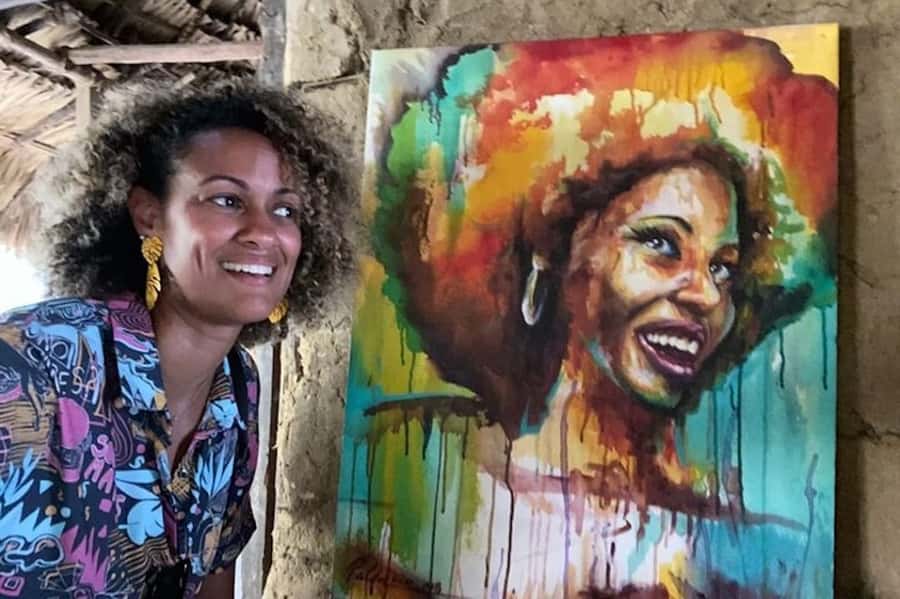
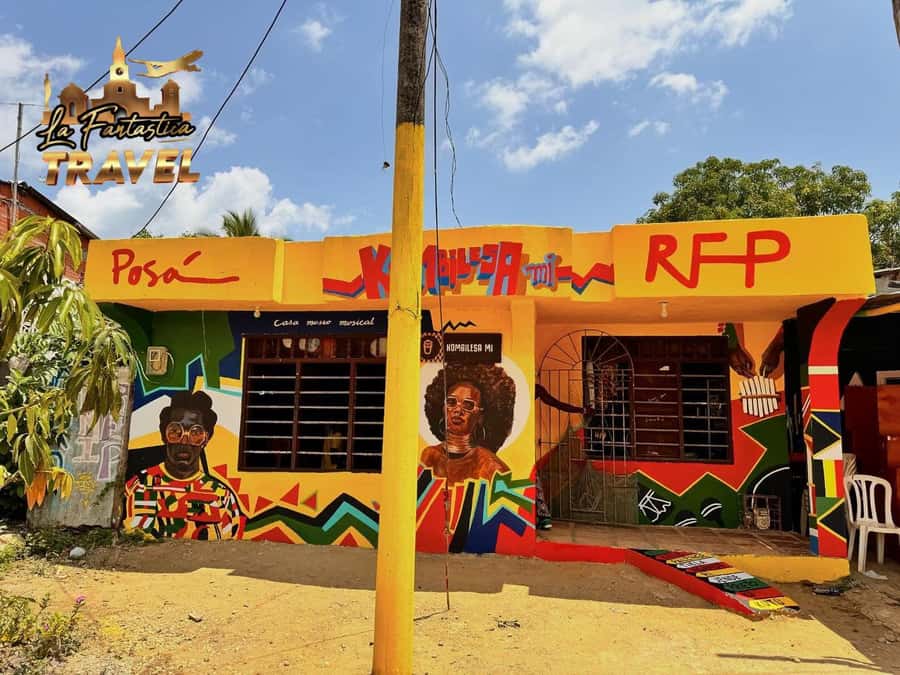
One stop is the house of Kombilesa Mi, a folkloric rap group connected with Palenque. This is one of the more interesting details in the itinerary because it links older traditions with a modern form of expression.
The group’s work shows that Palenque culture is not limited to historic songs or ceremonial dance. Rap can carry language, memory, and local concerns to a new audience. The stop helps you see how younger generations can use current music while remaining connected to their African and Palenquero roots.
The visit may be especially meaningful if you are interested in how communities keep minority languages and traditions alive. It also gives the tour a welcome change of rhythm after the historical introduction.
Museum house and Palenque Viejo
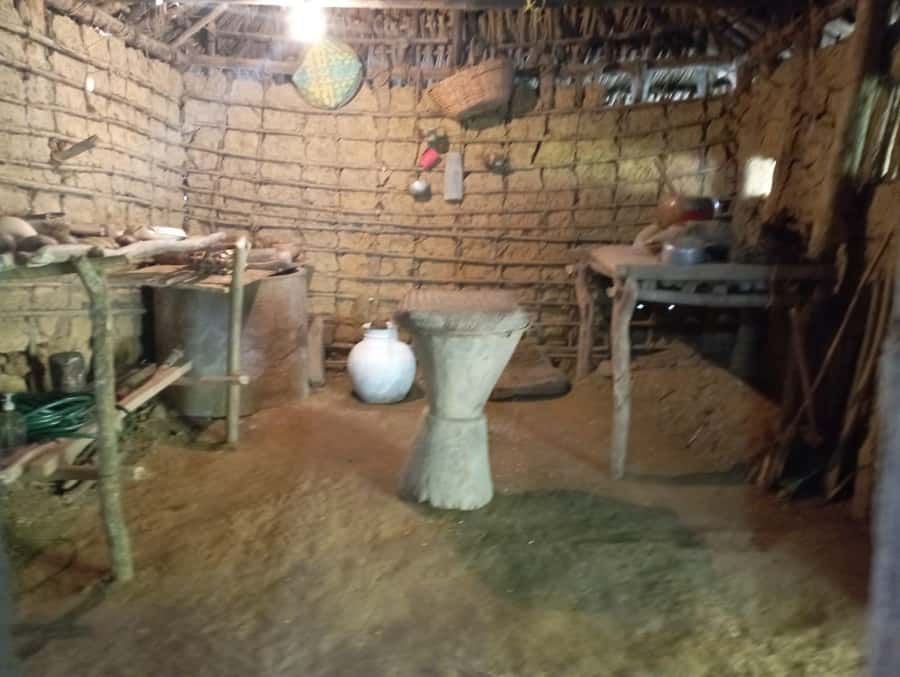
The museum house provides another way to understand local history. Expect a compact cultural stop rather than a large institution with extensive galleries. Its importance is in the personal scale: the story is told through the town and its people rather than through a distant national museum.
Palenque Viejo adds another layer. The name points to the older settlement area and helps explain that Palenque’s story reaches back well before the modern road trip or organized tourism. The stop gives the history a physical setting, even if the visit itself is relatively brief.
I would pay close attention to the guide’s explanations here. This is where dates and broad ideas about freedom become connected to community memory. The subject can be painful, but the presentation is described as honest and direct rather than evasive.
Language with Bantu roots
A native guide introduces you to words in the Palenquero language, which has Bantu roots associated with Guinea and Congo. This is one of the tour’s most memorable details because language carries history in a way a monument cannot.
You are not expected to become fluent in a short visit. The point is to hear a living language and understand why it matters. Its survival reflects the way African heritage was protected and adapted over generations.
Your bilingual guide may translate explanations into English, and the local guide may speak in Spanish or Palenquero. That layered translation can slow things down at times, but it also gives the visit a more genuine shape. You are hearing directly from the community rather than receiving every detail through a single outside interpreter.
Dance, drums, and a chance to join in
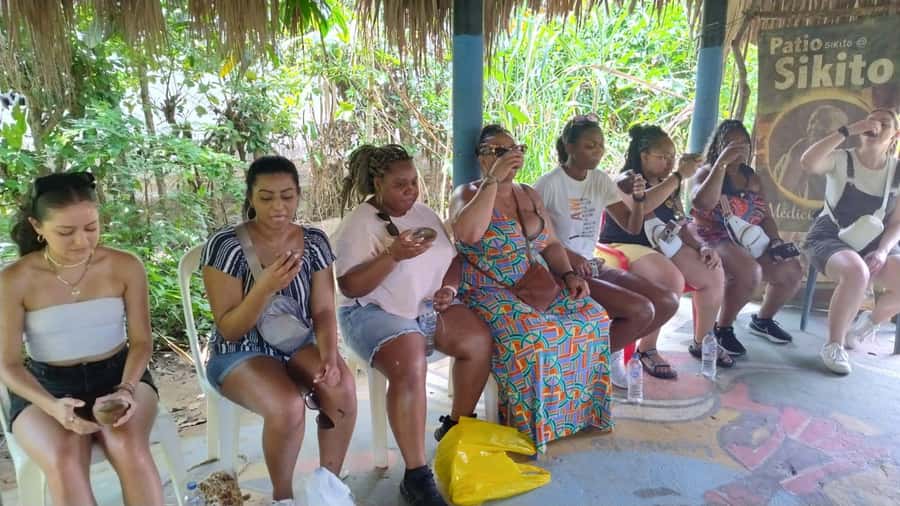
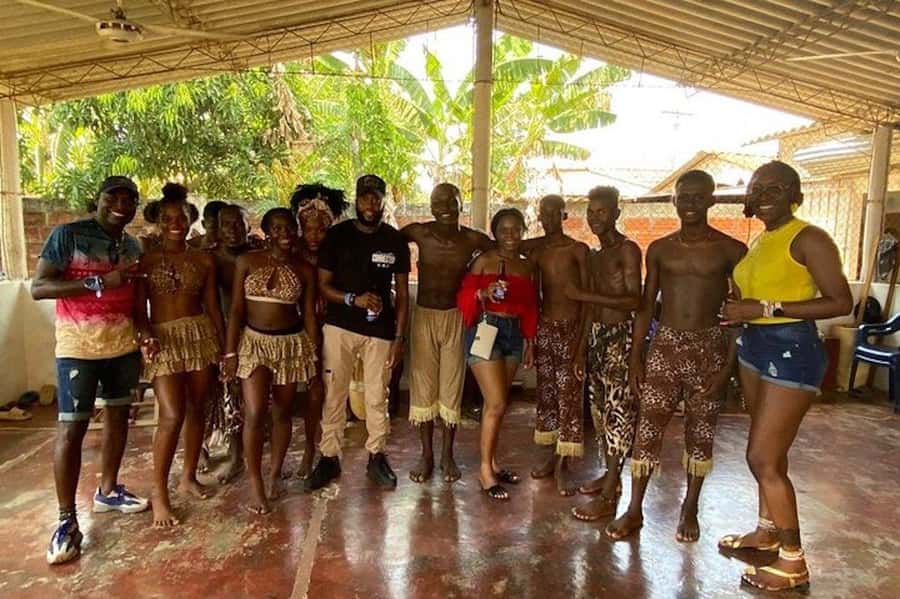
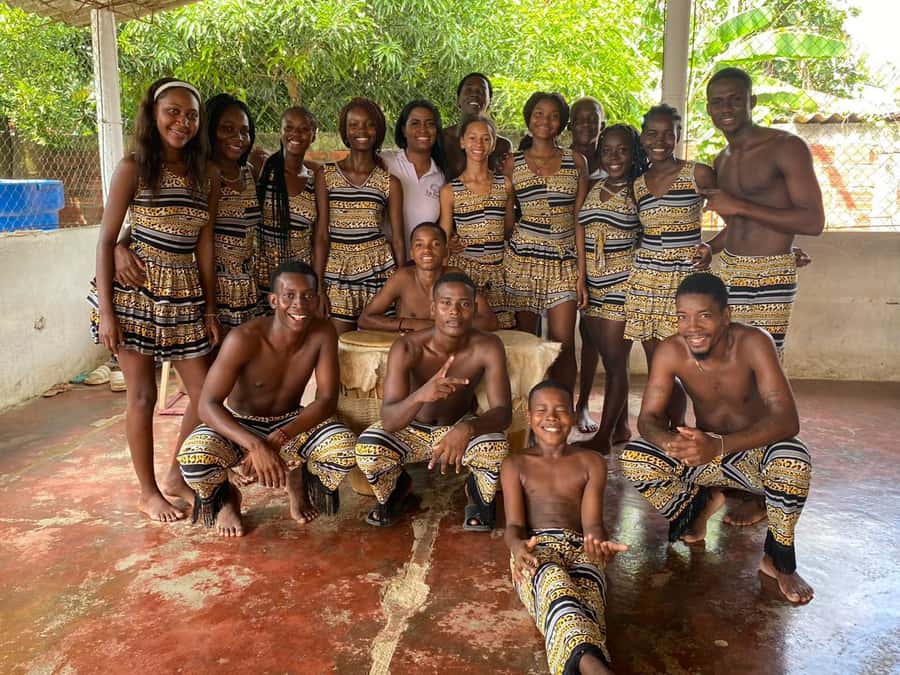
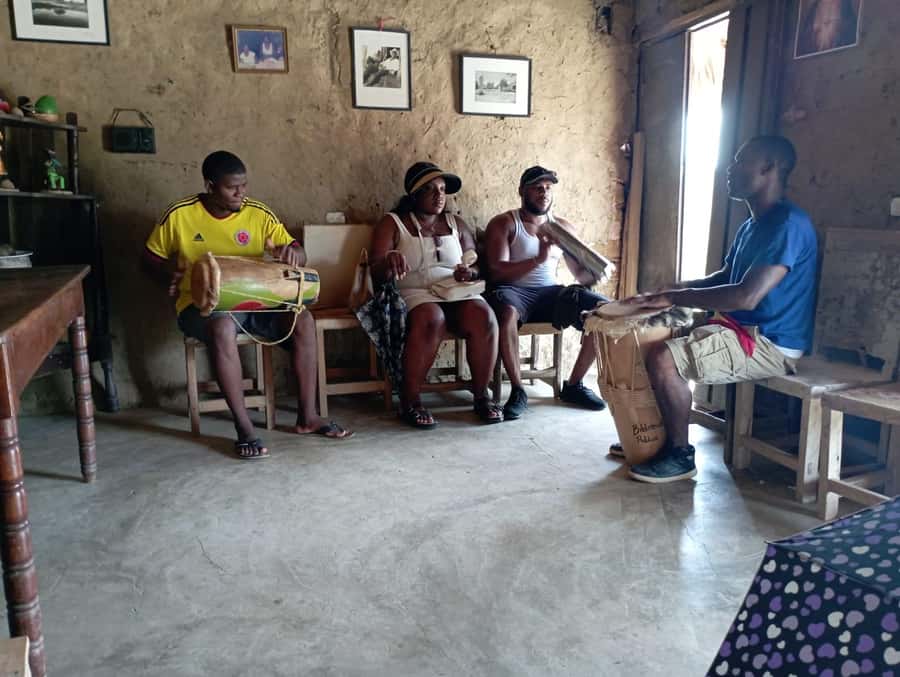
The cultural presentation is not designed for you to sit quietly at the back. Dancers demonstrate traditional steps, and you can join them. You also have the chance to play drums, making this one of the most hands-on parts of the day.
The dance school and music session have been a major pleasure for many people, including those celebrating birthdays. You might be invited into the performance, and the atmosphere can become playful quickly. Bring energy and comfortable clothing. This is not the moment for stiff shoes or a formal outfit.
The activity has real value beyond entertainment. Dance and rhythm are ways of passing on history, social ties, and identity. By trying the steps yourself, you gain a small sense of how movement and music function within the community.
At the same time, remember that a performance is part of the tour’s income. Bring small bills for tips if you want to support the dancers, musicians, and other local presenters. One particularly useful suggestion is to carry tip money for performances and photographs. Tipping is not listed as included in the $108 price.
Traditional medicine and community knowledge
The traditional medicine stop introduces you to local herbal practices and the role of a curandero. This is not a substitute for medical advice, and you should treat any remedy as cultural knowledge rather than a product to use without guidance.
What makes the stop worthwhile is the discussion of how knowledge passes from one generation to the next. It shows that Palenque heritage includes practical skills, not only music and ceremony. The subject also gives you a wider view of community life, where plants, family teaching, and local experience remain connected.
You might find products or herbs available for purchase, but no specific souvenir selection is guaranteed. The tour does not promise bottled tonics, local fruit, or craft shopping. If buying keepsakes is important to you, ask your guide early about what can be purchased that day.
What lunch adds to the day
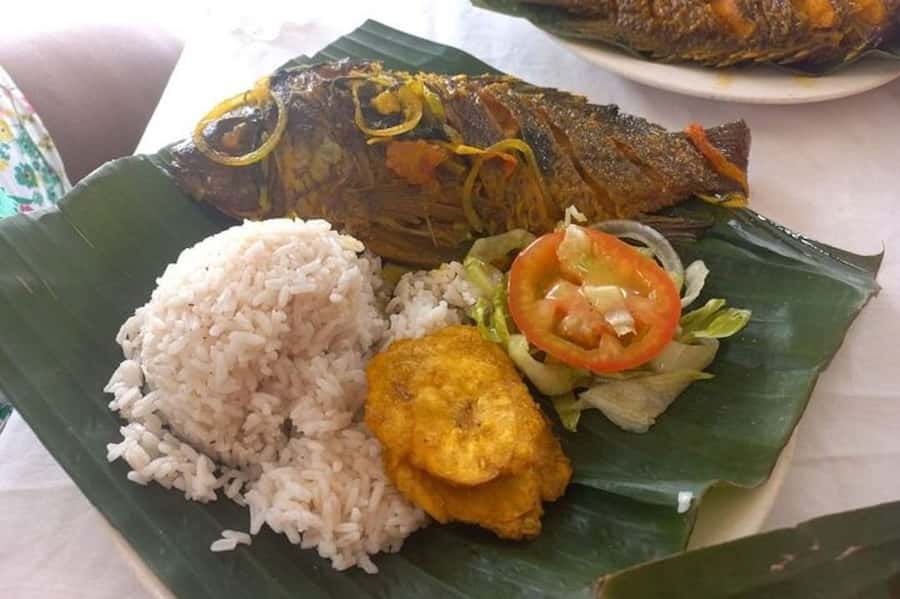
Lunch is included, and it is more than a convenient sandwich stop. You receive a typical Palenquero dish, with fish and chicken described among the available choices. Fish cooked in coconut milk and a sugar-cane drink have both been singled out as particularly good.
The meal helps connect the history lesson to daily culture. Food is one of the easiest ways to understand a place because it brings together local ingredients, cooking methods, and family tradition. It also gives you a proper break after the walking, dancing, and standing in the heat.
Options may be available, but the exact menu can vary. If you have dietary restrictions, ask before booking or tell the operator in advance. The provided information confirms lunch and some choices, but it does not promise a vegetarian, vegan, allergy-free, or specially tailored meal.
Water is included, and umbrellas have sometimes been provided for people without one. Still, I would bring a hat, sunscreen, and a refillable bottle if possible. Cartagena and Palenque can be hot, and the cultural stops are not all indoors.
Is $108 a fair price?
At $108 per person, this is not the cheapest way to spend half a day outside Cartagena. You are paying for transport, a bilingual guide, local presentations, a dance show, water, and lunch. You are also paying for the time required to reach a community that is not part of the usual Cartagena old-town circuit.
I think the price is reasonable if you value cultural context and direct local contact. A basic road transfer and a meal would cost less, but they would not give you the same organized access to the museum house, Kombilesa Mi, Palenque Viejo, traditional medicine, language lesson, and dance session.
The value is weaker if you mainly want a quick sightseeing stop or a relaxed drive. The pickup route can eat into the schedule, and the transport may be ordinary. One person found the outing too expensive for what was provided, so your expectations matter.
The rating is 4.5 from 83 reviews, and the strongest praise consistently centers on the guides, the food, the music, and the serious treatment of Palenque history. That pattern points to the right reason to book: not polished luxury, but access to a meaningful cultural encounter.
Who will enjoy this tour most
I would recommend it to you if you care about African diaspora history, slavery and emancipation, music, language, food, or community traditions. It is also a strong choice if you want something beyond Cartagena’s fortifications, churches, and colonial streets.
People with family or cultural connections to Africa may find the visit especially powerful. Several participants described a strong sense of connection, but you do not need that background to appreciate the town. The guides explain the setting clearly, and the mix of history and participation keeps the day from feeling like a lecture.
This may be less suitable if you dislike long road transfers, hot weather, group pickups, or participatory performances. The published duration is six hours, yet you should allow seven or more if your hotel is far from the center or the return route is slow.
Practical booking advice
Choose the Clock Tower meeting point if you are staying in Manga or Barú and have been told to report there. For hotel pickup, keep your phone available and confirm the time, since the range depends on your neighborhood.
Wear light clothing and shoes suitable for walking and dancing. Pack sunscreen, a hat, and tip money. You may also want cash for a local drink or small purchase, though souvenirs are not guaranteed.
The tour operates in Spanish and English, and the guide may translate between the local presenters and the group. If you want the most from the visit, ask questions rather than treating the stops as a photo sequence. The historical and language portions reward attention.
Cancellation is free up to 24 hours before departure, and you can reserve now and pay later. Those terms make it easier to hold a place while you settle your Cartagena schedule.
Should you book the Palenque Road to Emancipation tour?
Book this tour if you want to understand why San Basilio de Palenque matters and are willing to trade a little comfort for a direct encounter with its people and traditions. The combination of history, local guides, Palenquero language, drums, dance, traditional medicine, and lunch gives the day real substance.
Skip it if your priority is a short, luxury-style outing with a precise timetable. The road and hotel pickups can stretch the day, and the van may be basic.
For most culturally curious visitors, I think the trip earns its place in a Cartagena itinerary. Go with an open mind, listen carefully, join the dance if invited, and remember that the best part is not checking off a list of stops. It is meeting a community that has kept its identity alive.
FAQ
How long does the Palenque tour last?
The stated duration is six hours, with about five hours in San Basilio de Palenque. Some departures can take more than seven hours because of hotel pickups, traffic, and the return journey.
What is the tour price?
The listed price is $108 per person. It includes private transportation, an air-conditioned vehicle, a bilingual guide, the dance show, water, and lunch.
Where is pickup in Cartagena?
Historic Center pickups are at the Clock Tower at 8:00 a.m. Pickup from Bocagrande, Castillo Grande, and Laguito is generally between 8:20 and 8:45 a.m. Pickup from Marbella, Cabrero, Crespo, Cielo Mar, the northern zone, and Manzanillo del Mar is listed within a later morning range.
Do guests staying in Manga receive hotel pickup?
The provided instructions say that people staying in Manga must arrive at the Clock Tower at 8:00 a.m. Barú is also listed as requiring arrival at the Clock Tower.
What languages are offered?
The tour is offered in Spanish and English. A bilingual guide translates for the group and helps explain presentations by local guides.
Is lunch included?
Yes. Lunch is included and consists of a typical Palenquero dish. Fish and chicken are among the choices described, though the exact menu can vary.
Is the dance show included?
Yes. The cultural program includes a dance show, traditional dance steps, and an opportunity to play drums.
Can I cancel the booking?
You can cancel up to 24 hours in advance for a full refund. The booking terms also allow you to reserve now and pay later.
What should I bring?
Bring sun protection, comfortable clothing, water if you want extra, and tip money for local performances or photographs. Umbrellas may be provided, but they should not replace a hat or sunscreen.
Just added around Cartagena
- CARTAGENA, EXCLUSIVE launch for Rosario and Baru Islands★ 5.0 · 3 reviews
- Cartagena: Ecoplan on Barú, Aviary and Oceanarium in one day★ 3.3 · 3 reviews
- Cartagena: Day Tour to Tierra Bomba Island★ 3.2 · 3 reviews
- photo session through the streets of cartagena★ 5.0 · 3 reviews
- Cartagena Coffee Masterclass: Artisanal Roasting and Brewing★ 5.0 · 3 reviews
- FULL DAY BARRANQUILLA AND SANTA MARTA 1 DAY from Cartagena★ 4.0 · 3 reviews
- Cartagena: Cholon Island Boat PARTY with DJ and Lunch★ 3.7 · 3 reviews
- Murcia Full Day Private Tour from Cartegena★ 5.0 · 3 reviews
Cartagena Tours, compared.
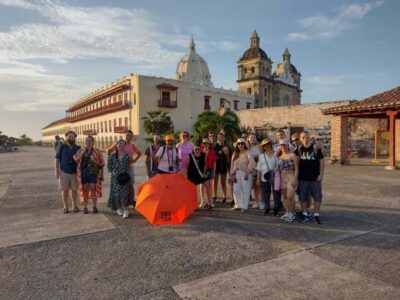
Cartagena: Historic Center and Getsemaní Shared Walking Tour
Read our review →
Cartagena: Rosario Islands Catamaran with Lunch and Snorkel
Read our review →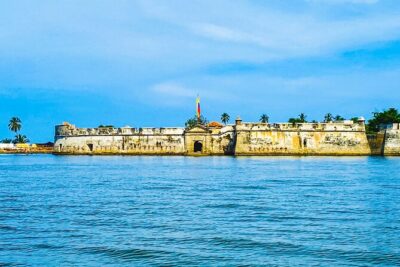
Full-Day Rosario Islands Including Barú, Bocachica & Playa Blanca
Read our review →
Cartagena: Guided Street Food Tour with Tastings
Read our review →
Cartagena: Panoramic City Tour, Monuments, Walls, Castle
Read our review →