
Reviewed · CARTAGENA TOURS
Cartagena: PALENQUE Tour AFRICAN TRADITIONS with Lunch
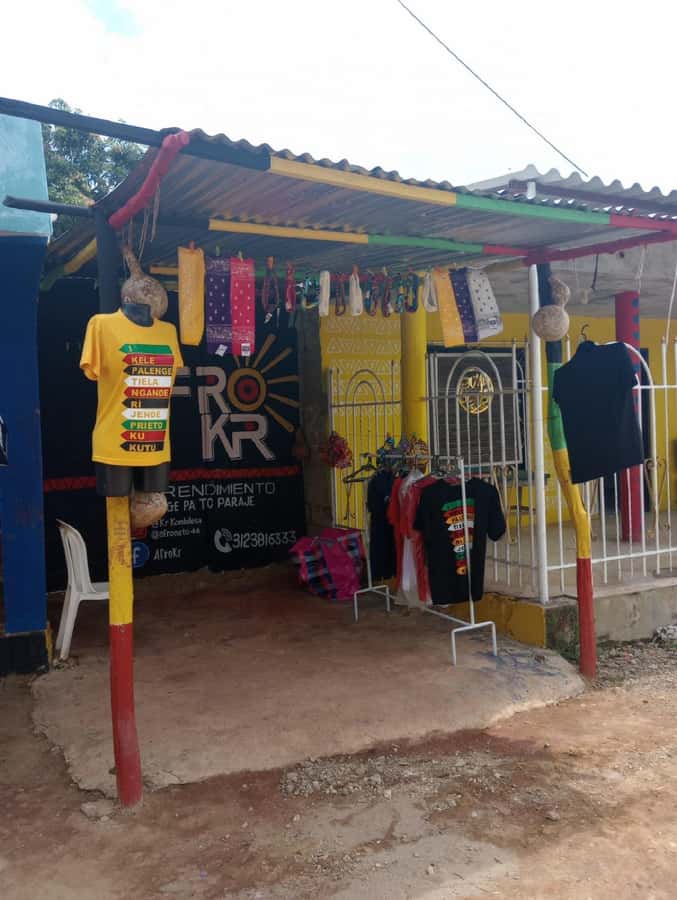
San Basilio de Palenque is not a standard Cartagena side trip. It is a living Afro-Colombian community with its own music, language, customs, and history. The day brings you into town for a guided walk, traditional medicine, a house museum, murals, boxing landmarks, lunch, and a taste of Ñeque, a local drink.
I like the direct contact with the community and the chance to hear about Palenque from a bilingual local guide. I also like the simple comforts: air-conditioned transport, bottled water, umbrellas when the heat rises, and lunch that includes fish. The main caution is time. Some parts of the visit can feel rushed, and you may not reach every advertised stop in much detail.
Key points at a glance
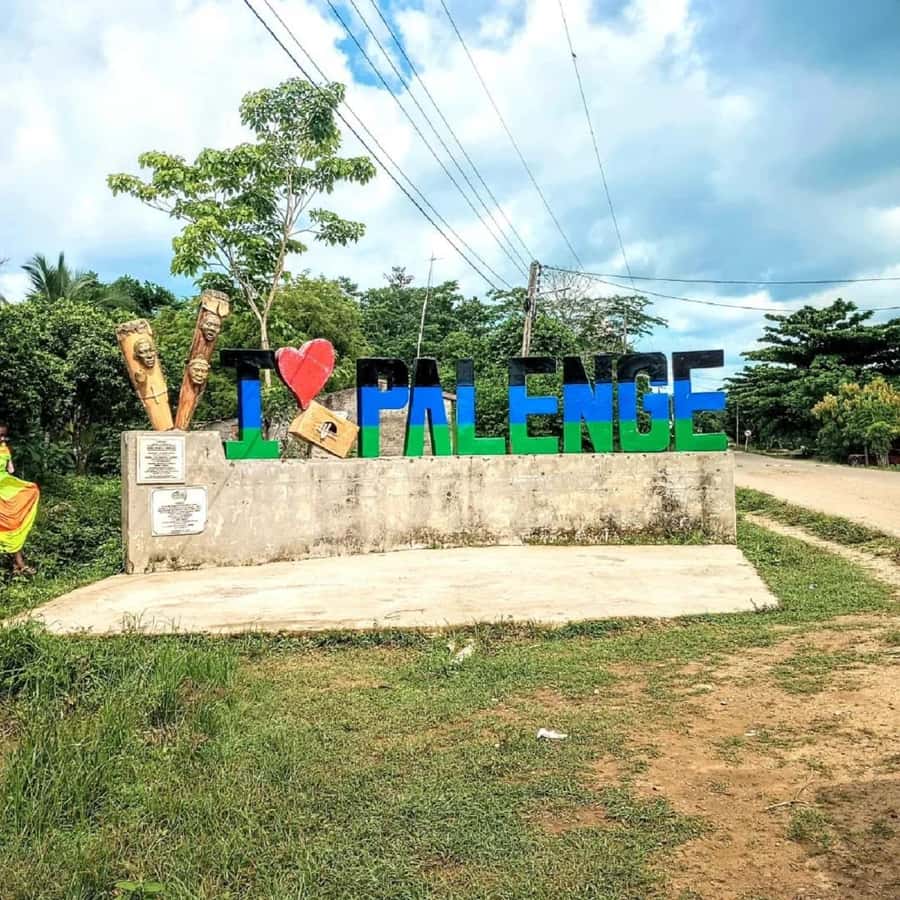
- San Basilio de Palenque: Visit the first free town in America, according to the tour’s historical presentation, about an hour from Cartagena.
- Palenque culture: Learn about the Palenque language, music, ancestral rituals, and traditional medicine.
- Community sights: See Benkos Biohó Plaza, the Kid Pambelé boxing area, murals, and the house museum.
- Food and drink: Eat a typical Palenque lunch and sample Ñeque, a traditional local drink.
- Practical comfort: Travel by air-conditioned vehicle, with pickup from selected Cartagena areas and a bilingual Spanish-English guide.
- Time warning: The advertised seven-hour day includes roughly two hours on the road, leaving about four hours in Palenque.
Why San Basilio de Palenque matters
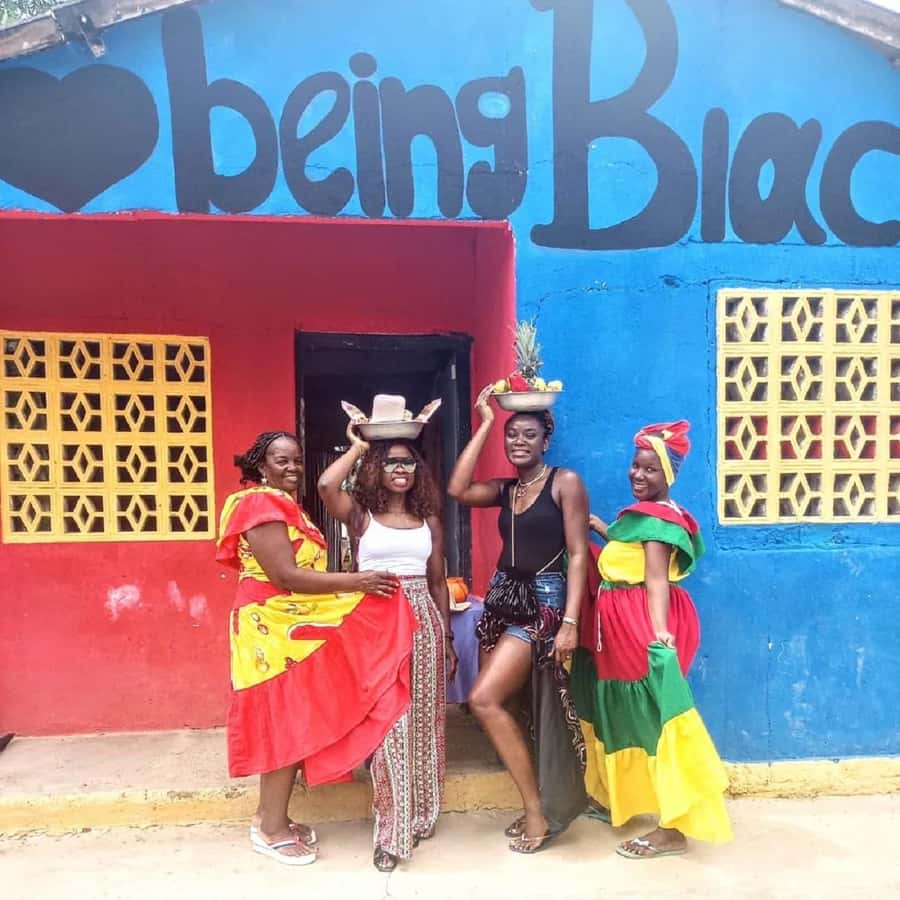
Palenque is important because it preserved a distinct Afro-Colombian identity over generations. The community is known for its own language, music, ceremonies, food, and healing practices. You are not simply looking at old buildings. You are being introduced to traditions that still shape daily life.
The tour presents Palenque through several connected themes. Your guide explains the town’s social and cultural background, then points out places tied to medicine, music, boxing, memory, and local personalities. That combination helps you see Palenque as a community rather than as a museum display.
The historical focus centers partly on Benkos Biohó, whose name appears in the main plaza and monument. The visit also connects Palenque with Antonio Cervantes, known as Kid Pambelé, a world boxing champion from the population. These names give the walking tour a human shape. You hear about people linked to freedom, pride, sport, and local identity.
You will also encounter the Palenque language. This is one of the most interesting parts of the experience because it shows how culture survives through ordinary speech. Listen closely when your guide explains words, pronunciation, or the place of the language in local life. The language is not just a side note. It is one of the clearest signs that Palenque developed and protected its own identity.
A few more Cartagena day trips to weigh up
- Cartagena: Rosario Islands Catamaran with Lunch and Snorkel
★ 4.5 · 2,479 reviews - Excursion to the Rosario Islands with Lunch and Snorkeling
★ 4.5 · 569 reviews - Cartagena: Rosario Islands Day Tour with Snorkel & Lunch
★ 4.1 · 402 reviews
The one-hour road from Cartagena
Pickup is available from selected areas of Cartagena. If your hotel is in Crespo, the Morros, or La Boquilla, you may be directed to the Clock Tower instead of receiving hotel pickup. Confirm this point through WhatsApp before the day begins, since the provider coordinates the practical details there.
The drive to San Basilio de Palenque takes about an hour by bus or coach. Air conditioning matters here. Cartagena is hot, and the town walk takes place outdoors, so a cool ride gives you a useful break before and after the visit.
Bring comfortable shoes, light clothing, a hat, and sunscreen. An umbrella may also help. One person on the tour found the heat tiring but appreciated being provided with an umbrella, so sun protection is not a minor concern. You will want to pay attention to the scenery on the way, but the real value begins once you arrive and your guide starts explaining the town.
The vehicle carries you back to Cartagena at the end of the afternoon. With one hour each way and about four hours in Palenque, this is a full day without being an overnight commitment. Still, do not expect a slow, open-ended visit. The schedule has a firm return trip.
Entering Palenque through music and language
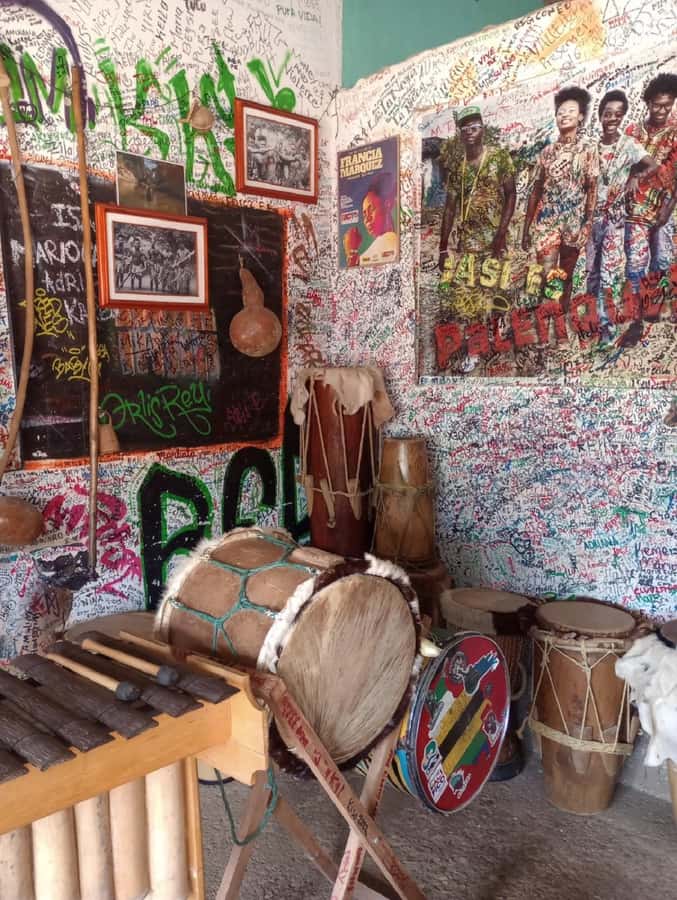
The first part of the visit introduces Palenque’s music, history, and social life. Music is one of the strongest ways to understand the town, since it connects celebration, memory, religion, and community. Your guide may explain the meaning of local styles and instruments as you move through the town.
The presentation also covers ancestral rituals and traditional customs. These subjects deserve attention, even if the visit moves quickly. I suggest asking your guide to explain which practices are still part of community life and which are mainly remembered through cultural presentation. That question can help you separate a living tradition from a staged demonstration.
The bilingual guide speaks Spanish and English. The local perspective is valuable because the tour is not meant to be a detached history lecture. It is a guided introduction to the community, with stops at places that carry meaning for residents.
Cason received especially warm personal praise for being fun and friendly. Guide quality can shape this experience more than almost anything else. A good guide can turn a short walk into a clear story, while a rushed explanation can leave you knowing names without understanding their importance.
Traditional medicine and the house museum
A stop connected with traditional medicine is one of the tour’s more distinctive features. The visit includes a medicinal patio, described as a place specializing in traditional medicine. Your guide explains local remedies and the role of inherited knowledge in Palenque culture.
I would treat this stop as a cultural lesson, not a substitute for medical care. The tour includes medical assistance, but that does not mean you should rely on the activity for personal treatment. The main purpose is to understand how knowledge about plants and healing has been passed between generations.
The house museum adds another layer. Museums in small communities often work best when a guide explains what you are seeing, so listen for the connection between household objects, family memory, and local customs. Since the day can feel hurried, you may need to ask a direct question if you want more detail.
This is also a good place to remember that the tour is not only about famous figures. Palenque’s identity comes from ordinary practices too: food, language, family life, medicine, music, and religious or ancestral customs. Those quieter subjects may tell you as much about the town as the monuments do.
Same city, a completely different kind of day:
- Cartagena: Historic Center and Getsemaní Shared Walking Tour
★ 4.9 · 2,716 reviews - Full-Day Rosario Islands Including Barú, Bocachica & Playa Blanca
★ 4.0 · 1,729 reviews - Cartagena de Indias: 2-Hour Sunset Cruise
★ 4.7 · 1,105 reviews - 2-hour tour in Cartagena Sunset View in party boat
★ 4.6 · 899 reviews
Benkos Biohó Plaza and Palenque’s public memory
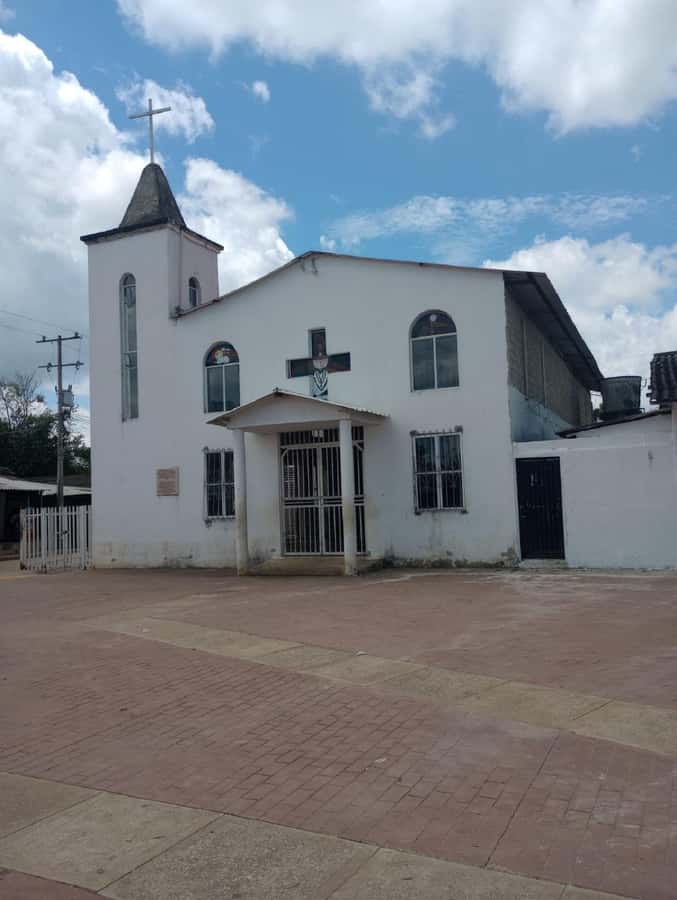
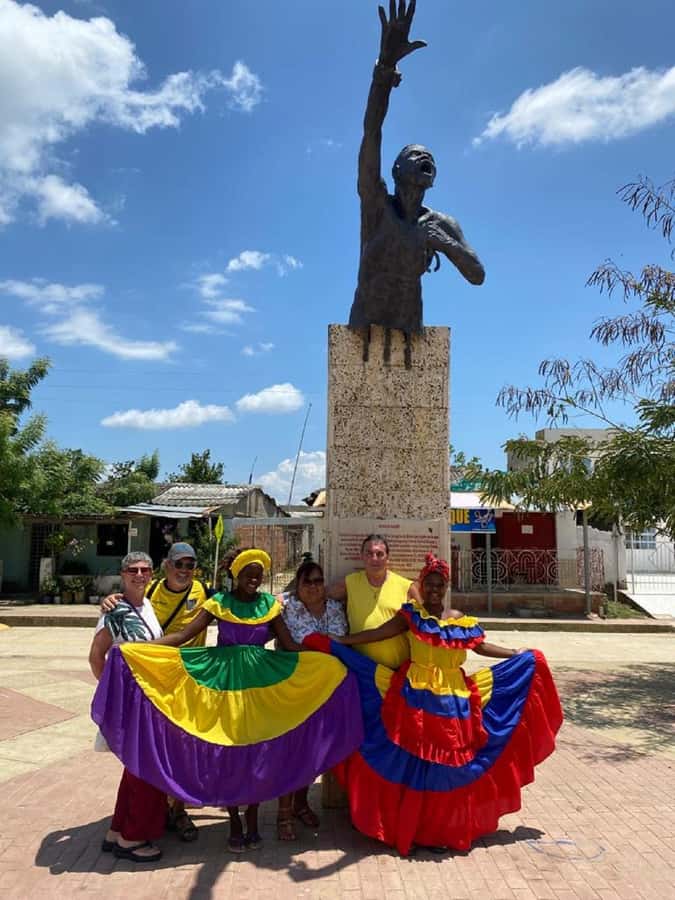
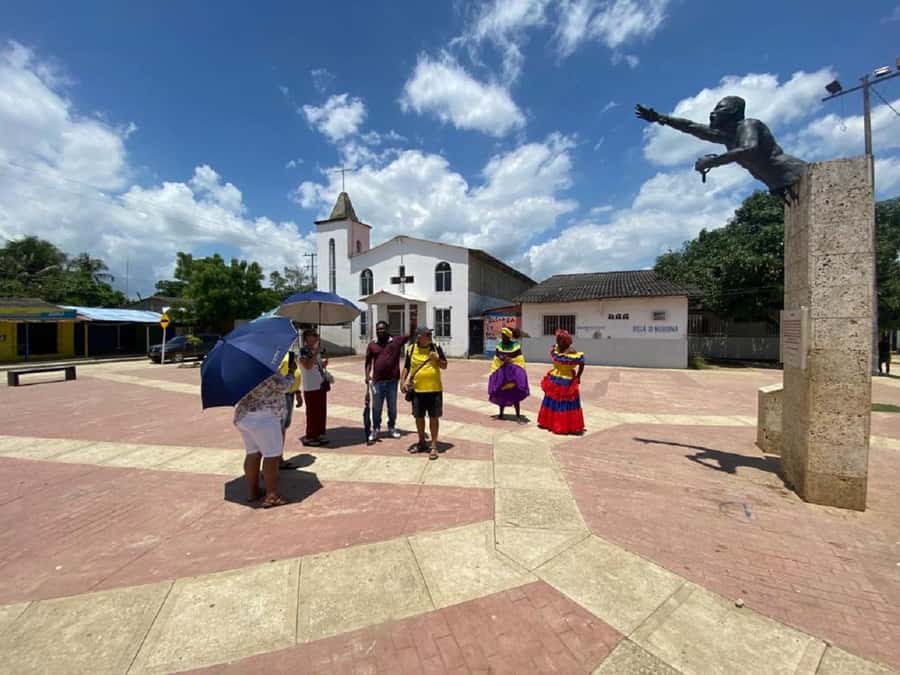
Benkos Biohó Plaza is one of the key stops. The monument gives the historical presentation a clear center, and the guide explains why Benkos Biohó matters to Palenque’s story. You will have a chance to take photographs and hear how the town remembers its past in public spaces.
The stop is brief enough that you should stay close to the guide. If you wander off for photos, you may miss the explanation that gives the monument meaning. This is a recurring point throughout the day: the sights are more valuable when you hear the local context.
Murals add color and visual detail to the walk. They help show how Palenque communicates its identity through public art. Look for images and themes connected with music, history, community figures, and Afro-Colombian pride. The tour does not treat the murals as random decoration. They form part of the town’s public storytelling.
The walk also includes a stop known as Kombilesa Mi Kid pose. The supplied details do not specify how long you spend there or exactly what presentation takes place, so keep your expectations flexible. It is best understood as one of several cultural and photographic points along the route.
Kid Pambelé, boxing, and local pride
The Kid Pambelé Plaza honors Antonio Cervantes, the world boxing champion associated with Palenque. The stop includes an image of the boxer and a boxing gym. This gives the tour a welcome change of pace after the historical and medicinal sections.
You may even get to do some boxing. That detail made one participant’s visit particularly memorable, though the exact format is not guaranteed in the practical information provided. Think of it as a possible hands-on moment rather than the central activity.
The boxing stop matters because it connects international achievement with a small community. Kid Pambelé is not presented simply as a sports celebrity. His story represents ambition, local pride, and the way a person from Palenque became known far beyond the town.
If you are interested in sport, this may be one of the strongest moments of the day. If you are more interested in music or history, it still gives you a useful picture of how Palenque honors its people. The best cultural tours show several sides of a place, and this stop helps prevent the visit from becoming only a history lesson.
Lunch and a taste of Ñeque
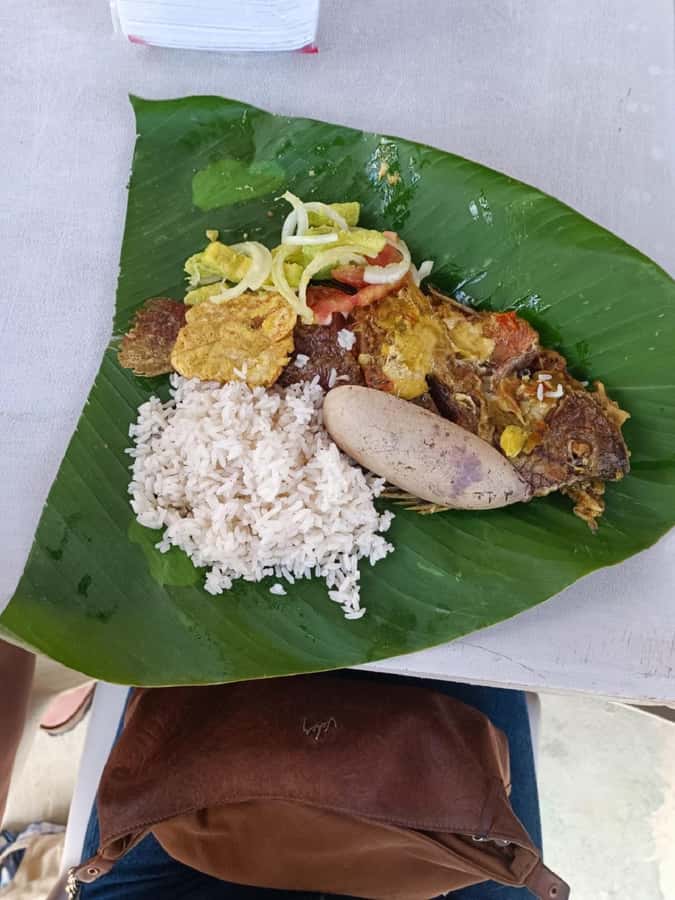
Lunch is included and is served as a typical Palenque meal. Fish received specific praise, so it is a sensible choice if it is available. The meal gives you a chance to pause, eat, and talk with the group after the walking portion.
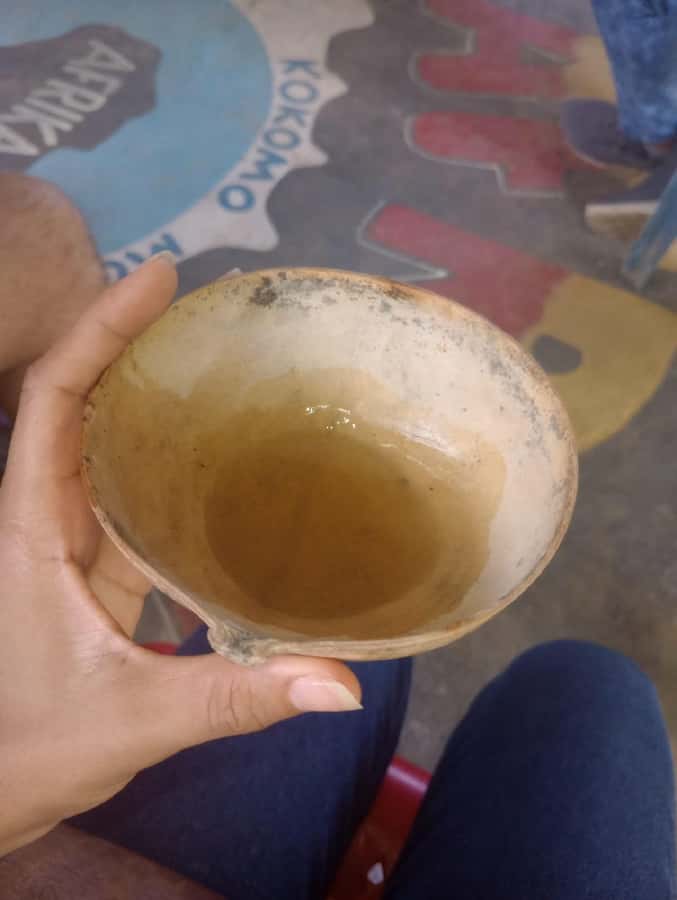
The tour also includes a Palenque-style cocktail made with Ñeque. Additional drinks are not included, so carry some money if you want something beyond the stated meal and drink. The included bottle of water is helpful, especially in the heat, but it may not be enough for everyone during a full outdoor day.
Food is one of the most practical ways to connect with a community. A local dish tells you about ingredients, cooking habits, and the way meals fit into social life. Do not rush lunch. It may be one of the few relaxed moments in a schedule that otherwise moves from one stop to the next.
If you do not drink alcohol, ask the guide what is in the Ñeque before sampling it. The provided information identifies it as a traditional Palenque drink but does not give a full ingredient list.
Is $49 a fair price?
At $49 per person, the tour offers solid value if you want transport and a guided introduction in one package. The price includes round-trip transportation, a bilingual local guide, water, lunch, the town walk, the major named stops, and medical assistance. Arranging all of that independently would require more planning, especially since Palenque is about an hour from Cartagena.
The value depends on what you want from the visit. If you want a carefully paced, in-depth cultural study with plenty of free time, the price cannot fix the schedule. Several parts of the day may feel compressed, and some advertised activities may receive only a short look.
For a first introduction, though, the package is practical. You get a local guide, a planned route, food, and a ride back to Cartagena. The cost is especially reasonable for someone who would otherwise hesitate to arrange transport to a community they do not know.
Private groups are available, which may improve the pace and make it easier to ask questions. The supplied details do not state the private-group surcharge or exact group size, so ask for those details before booking.
The biggest weakness: a rushed four-hour visit
The main issue is not the road time. It is the amount of material packed into the Palenque visit. In roughly four hours, you may cover the history, language, music, traditional medicine, house museum, murals, Benkos Biohó Plaza, Kid Pambelé Plaza, boxing, lunch, Ñeque, and community interaction.
That is a lot. One person found the tour ended abruptly and wished there had been more time to explore. Another felt the tour was rushed and did not include everything advertised. Those concerns are worth taking seriously because Palenque rewards conversation and observation, not just quick photographs.
You can make the most of the schedule by deciding what matters most before you go. If music and language interest you most, ask your guide to focus there. If you care about medicine or boxing, say so early. A clear question can help you receive more useful detail when time is limited.
Do not expect to wander freely for a long period. The group needs to stay on schedule for lunch and the return vehicle. This is a guided overview, not an unstructured day in town.
Who will enjoy this Palenque day?
I would recommend this experience to you if you want an accessible introduction to Afro-Colombian culture outside Cartagena. It suits first-time visitors who value context, local food, and a guide who can explain what they are seeing.
It is also a good fit for people interested in music, language, traditional medicine, community history, or boxing. Families may appreciate the variety of stops, especially if the possibility of trying some boxing appeals to younger visitors.
You should think twice if you dislike fixed schedules or hot outdoor walks. The day is not designed for long periods of solitude, slow photography, or detailed study at every stop. Anyone who needs extensive free time should consider a private group and confirm how the schedule can be adjusted.
The tour is wheelchair accessible, but the provided information does not describe the surfaces, vehicle setup, or accessibility of each individual stop. If you use a wheelchair, contact the provider through WhatsApp before booking and ask for details about the town walk.
Booking advice and final verdict
I would book this tour if I had one free day in Cartagena and wanted to understand Palenque without arranging transport myself. The combination of a bilingual local guide, community stops, typical lunch, and Ñeque makes the experience more meaningful than a simple sightseeing transfer.
I would book with realistic expectations. The day gives you an introduction, not a complete account of every tradition in Palenque. Keep your shoes comfortable, protect yourself from the sun, ask questions early, and accept that some stops may be short.
At $49, this is a fair choice for a structured cultural outing with transport included. Choose it for access and context. Skip it if your priority is a relaxed, unhurried exploration. If you can arrange a private group, that may be the best way to gain a little more control over the pace.
FAQ
How long does the Palenque tour last?
The activity lasts seven hours, including about one hour of transportation from Cartagena to San Basilio de Palenque, about four hours in Palenque, and about one hour for the return trip.
Is transportation included from Cartagena?
Yes. Air-conditioned transportation to and from the hotel is included for eligible pickup areas. If your accommodation is in Crespo, the Morros, or La Boquilla, you may need to go to the Clock Tower instead.
What languages does the guide speak?
The tour offers live guiding in Spanish and English. A native bilingual guide in Palenque leads the visit.
What food and drink are included?
A traditional Palenque lunch, bottled water, and a Palenque-style drink called Ñeque are included. Additional drinks are not included.
What should I bring?
Bring comfortable shoes, a hat, sunscreen, and comfortable clothing. Sun protection is particularly useful because the town visit includes outdoor walking.
Can I cancel or pay later?
You can cancel up to 24 hours in advance for a full refund. A reserve-now, pay-later option is also available.
Just added around Cartagena
- Cartagena: Ecoplan on Barú, Aviary and Oceanarium in one day★ 3.3 · 3 reviews
- CARTAGENA, EXCLUSIVE launch for Rosario and Baru Islands★ 5.0 · 3 reviews
- Cartagena: Day Tour to Tierra Bomba Island★ 3.2 · 3 reviews
- photo session through the streets of cartagena★ 5.0 · 3 reviews
- Cartagena Coffee Masterclass: Artisanal Roasting and Brewing★ 5.0 · 3 reviews
- FULL DAY BARRANQUILLA AND SANTA MARTA 1 DAY from Cartagena★ 4.0 · 3 reviews
- Cartagena: Cholon Island Boat PARTY with DJ and Lunch★ 3.7 · 3 reviews
- Cartagena: Basic Diving for beginners in Rosario Islands★ 3.4 · 3 reviews
Cartagena Tours, compared.
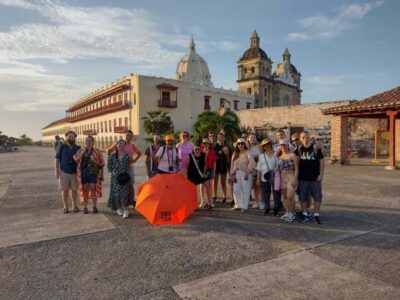
Cartagena: Historic Center and Getsemaní Shared Walking Tour
Read our review →
Cartagena: Rosario Islands Catamaran with Lunch and Snorkel
Read our review →
Full-Day Rosario Islands Including Barú, Bocachica & Playa Blanca
Read our review →
Cartagena: Guided Street Food Tour with Tastings
Read our review →
Cartagena: Panoramic City Tour, Monuments, Walls, Castle
Read our review →
Bora Bora Cartagena Beach Club Full Day Experience
Read our review →Browse the lists this tour appears in