
Reviewed · CARTAGENA TOURS
Bean to Bar: Cocoa and Chocolate Workshop
The best part of this 105-minute experience is that you do not just taste Colombian chocolate. You see how cacao is roasted, separated, blended, and shaped into finished sweets, then make chocolate yourself under an artisan’s direction. Alejandra has guided several sessions with warmth and energy, answering questions as she explains the work.
I like the private-group format and the chance to compare chocolate made with different percentages and origins. I also like that the class takes place inside a working chocolaterie, rather than in a simple tasting room. The main consideration is that some production steps may already be finished before you arrive, especially on a quiet Sunday, so you may watch less live machinery than expected.
Key points to know before booking
- Follow cacao from bean to bar: See roasting, separation, blending, and chocolate production in a fully equipped chocolaterie.
- Taste several chocolate styles: Samples include 40% white chocolate, 46% milk chocolate, 80% dark chocolate, 100% pure cocoa, and blends.
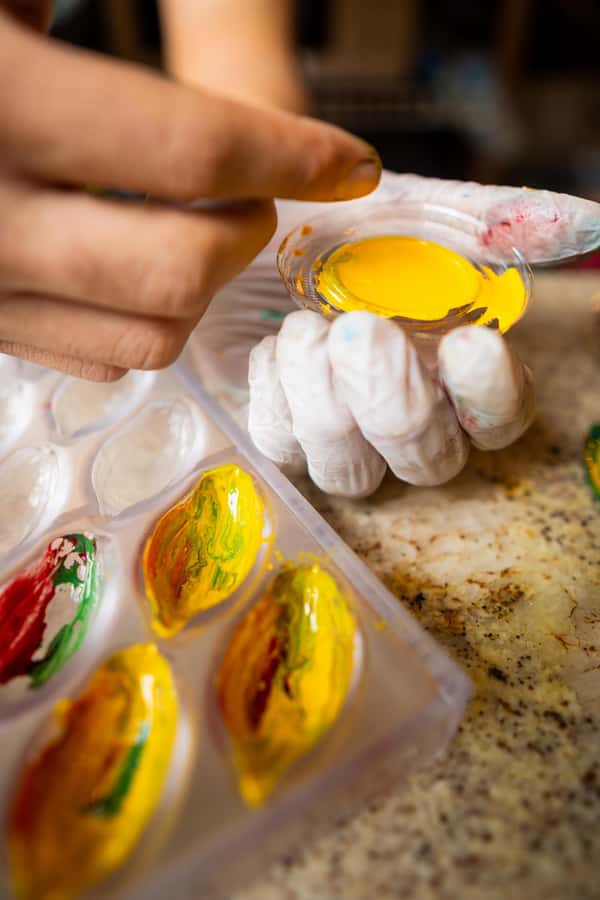
- Make your own sweets: Depending on the session, you can create bonbons, truffles, or chocolate bars.
- Enjoy a private class: Your group receives direct instruction rather than joining a large public workshop.
- Meet near Arsenal Street: Look for the two-story pink building with wooden barrels outside, across from the convention center.
- Plan for possible mess: Wear comfortable clothes that can handle chocolate stains, and avoid the class if you have food allergies.
Inside the Bolívar chocolaterie
This class begins at a useful point in the chocolate story: not with a polished gift box, but with the machinery and raw materials behind it. You enter a two-story pink building near the start of Arsenal Street, just around the corner and across from the convention center. Wooden barrels outside, marked with a free hugs message, help identify the meeting point.
The host takes you from there to the exact room where the workshop happens. That short handoff matters because the meeting point is a recognizable street location, while the actual chocolate-making space is elsewhere in the building or nearby. I would allow a few extra minutes to find the pink building without rushing.
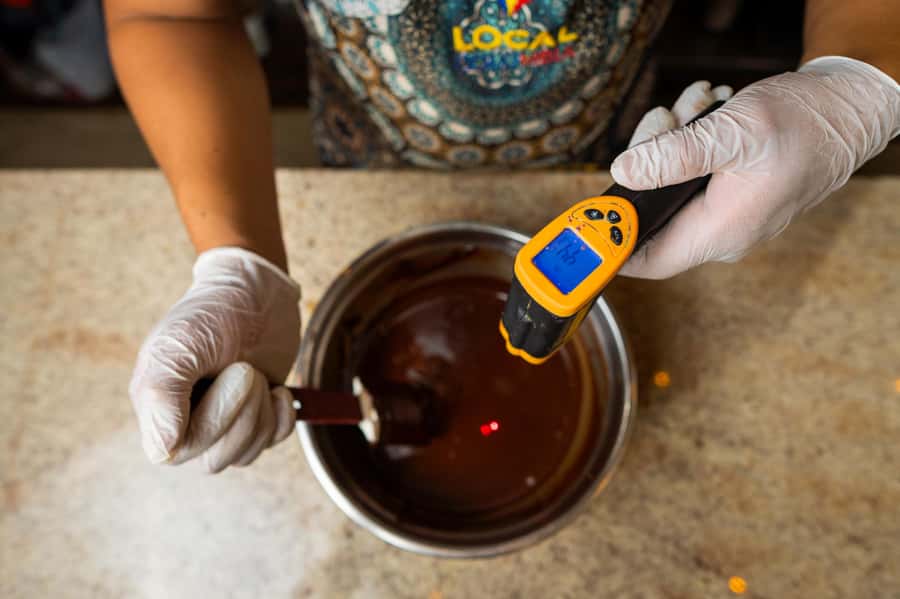
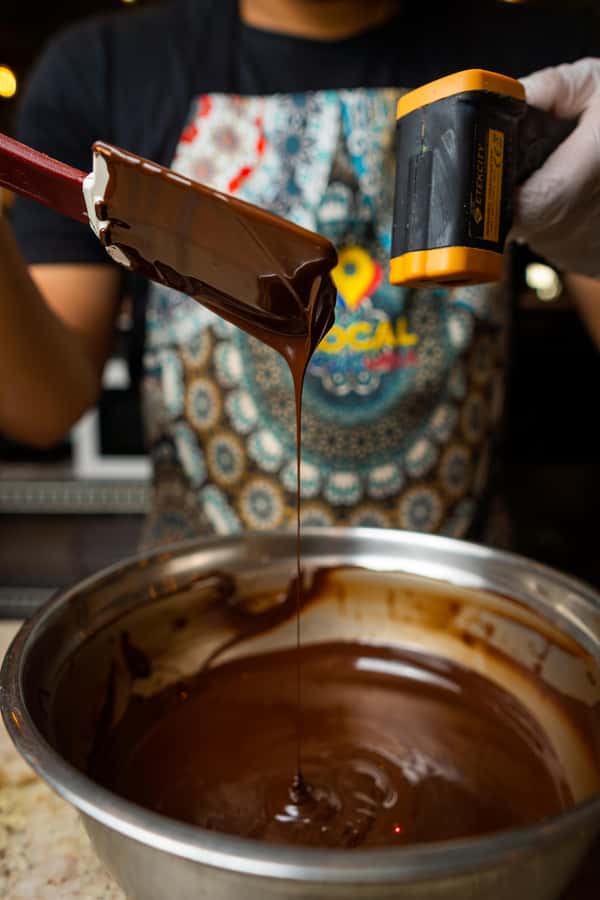
Inside, you are introduced to a fully equipped chocolaterie. The machinery gives the workshop a practical feel. You are not simply hearing a talk about cacao. You are seeing the tools used to turn beans into chocolate and getting a closer look at the care required at each stage.
The setting also helps explain why handmade chocolate takes time. Roasting, separating, mixing, and shaping are not one quick action. Each stage affects flavor, texture, and the final appearance of the sweets.
A few more Cartagena day trips to weigh up
- Cartagena: Boutique Rum and Chocolate Tasting at Lunático
★ 4.9 · 121 reviews - Cartagena: Express Rum and Chocolate Tasting Experience
★ 5.0 · 10 reviews - Cartagena: The Legendary Colombian Rum and Chocolate Tasting
★ 5.0 · 8 reviews
Why roasting and separation matter
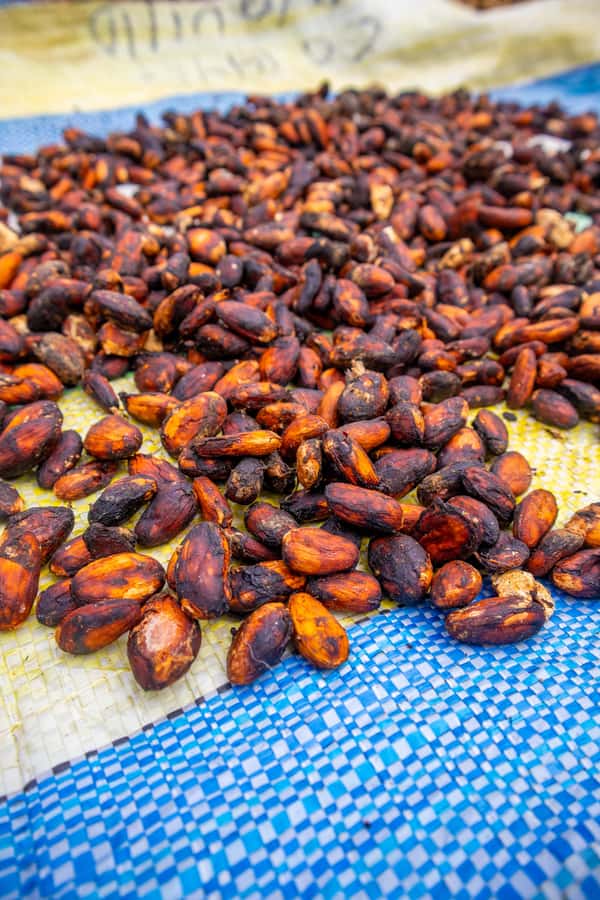
The first major part of the class follows cacao from its bean form toward finished chocolate. You learn about roasting and separation, two steps that can sound technical until you see how much they influence what you eat.
Roasting helps bring out the flavor of cacao. The class presents this as more than a kitchen trick. You get a sense of how the treatment of the beans changes the character of the final chocolate, and why different cacao varieties matter at a national level in Colombia.
Separation is another useful stage to watch. It shows how the bean is broken down and prepared for later production. This makes the finished bar easier to understand. The smooth square in your hand begins as an agricultural product that requires sorting, processing, and careful handling before it becomes something suitable for bonbons or truffles.
I like this part because it gives the tasting some context. If you only sample several chocolates, the differences can blur together. After seeing the process, you have a better reason to pay attention to aroma, sweetness, bitterness, and texture.
The workshop does not promise a full farm visit or a tour of a cacao plantation. Its focus is the production room and the path from bean to bar. If you want to study farming conditions in detail, you will need a different type of activity. If you want to understand what happens after cacao reaches a chocolate maker, this session fits well.
Tasting from 40 percent to pure cocoa
The included chocolate selection gives you a broad range rather than one standard sample. You may taste white chocolate at 40 percent, milk chocolate at 46 percent, dark chocolate at 80 percent, pure cocoa at 100 percent, and blends of these styles.
That spread makes the tasting useful for beginners. White and milk chocolate offer a gentler starting point, while 80 percent dark chocolate brings more bitterness and a stronger cacao flavor. Pure 100 percent cocoa is the sharpest comparison, since it does not rely on the sweetness found in the other samples.
You do not need to arrive as a chocolate expert. The point is to notice how percentage and blending change the experience. A higher cacao percentage does not automatically mean a better chocolate. It simply gives you a different balance of cocoa intensity and sweetness.
I would treat this part as a guided lesson in preference. You may discover that you prefer milk chocolate to dark chocolate, or that a blend gives you the best balance. That is more useful than being told which style you should like.
The phrase origins is also important here. The activity uses chocolates from various origins, giving the tasting a national and regional angle rather than presenting chocolate as one uniform product. The available information does not specify every origin or tasting note, so your guide will be the best person to ask about the particular samples served on your date.
The hands-on chocolatier session
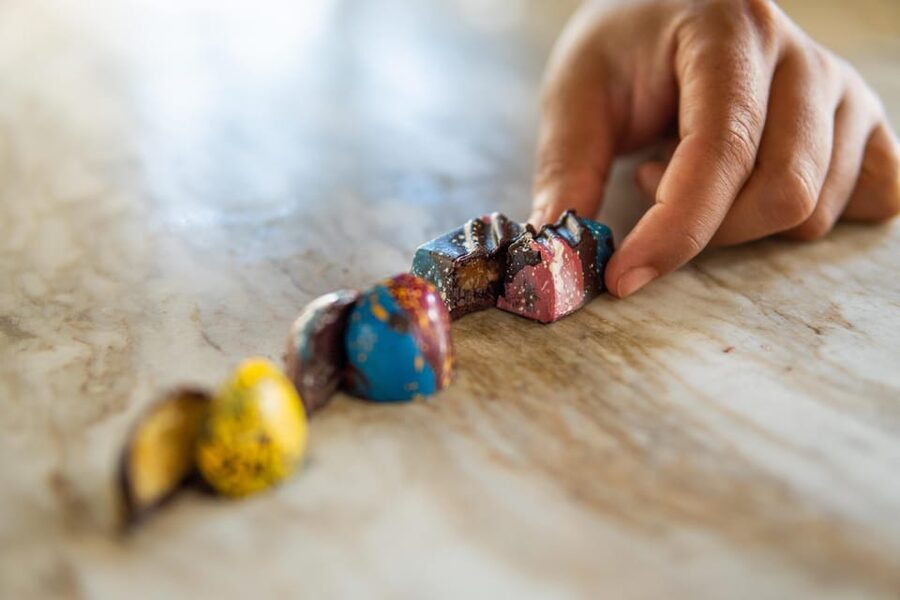
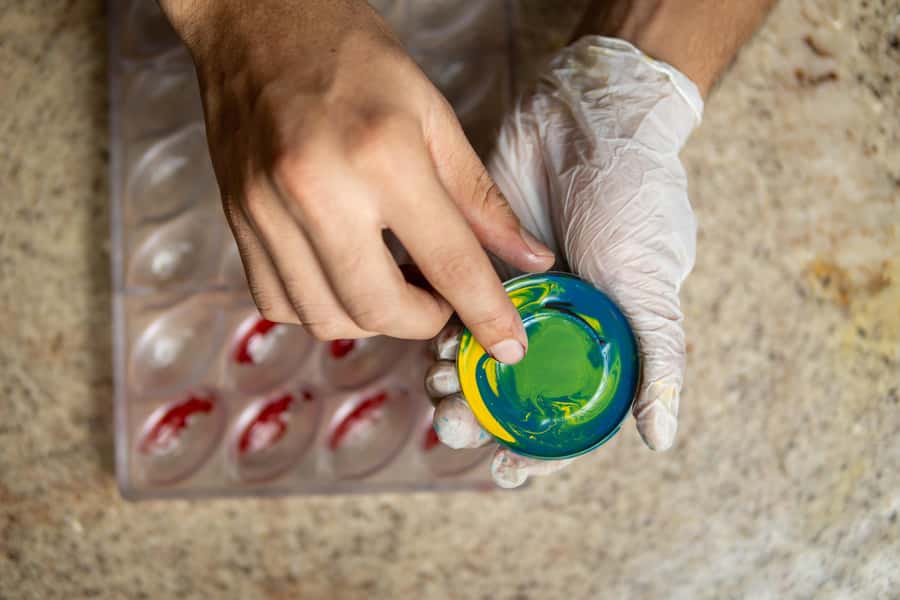
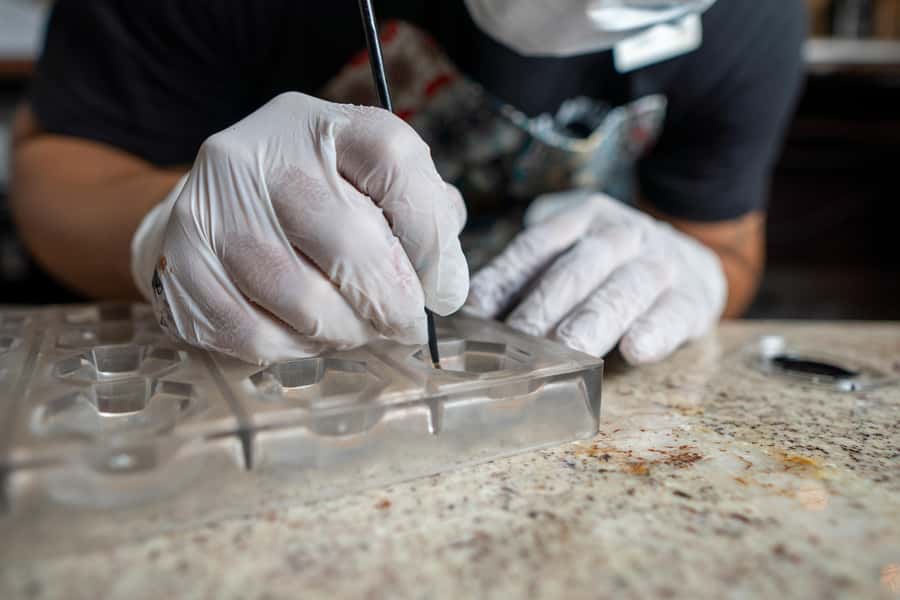
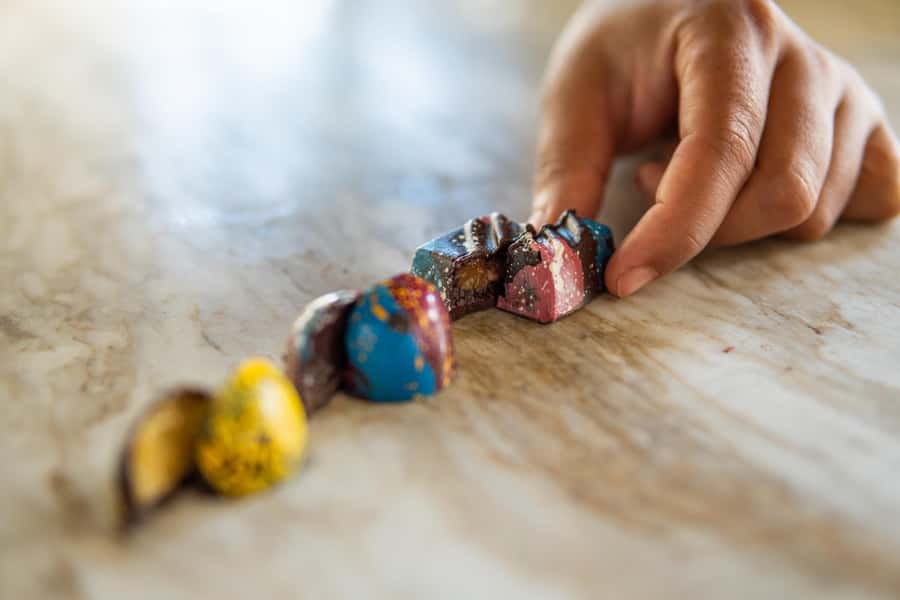
After watching the production process and tasting different chocolates, you get to make something of your own. The activity describes bonbons, truffles, and chocolate bars as possible creations. The exact option can depend on the session, so I would not book expecting one specific shape or recipe unless the host confirms it.
This is where the class becomes more personal. You are not just learning how professionals work. You are making choices and seeing how small decisions affect the finished sweet. The activity encourages experimentation, so you can bring some imagination into the process even if you have never worked with chocolate before.
The guidance matters. Chocolate can look simple, but working with it requires care. An instructor helps you handle the material and move through the steps without turning the class into a frustrating kitchen experiment.
Several details make the hands-on portion especially appealing. You work with chocolate at different percentages, use the production area as your setting, and finish with something you helped create. That combination gives the class a stronger sense of purpose than a tasting alone.
It is also worth keeping expectations sensible. In 105 minutes, you are getting an introduction, not professional chocolatier training. You will learn the basic process and take part in selected steps. Some work may be prepared ahead of time so the class can stay within its scheduled length.
That preparation is not necessarily a weakness. It lets you spend more of the session tasting and making chocolate instead of waiting for long technical stages to finish. Still, if your main goal is to watch every machine operate from start to finish, ask about the day’s production schedule before booking.
Same city, a completely different kind of day:
- Cartagena: Historic Center and Getsemaní Shared Walking Tour
★ 4.9 · 2,716 reviews - Cartagena: Rosario Islands Catamaran with Lunch and Snorkel
★ 4.5 · 2,479 reviews - Full-Day Rosario Islands Including Barú, Bocachica & Playa Blanca
★ 4.0 · 1,729 reviews - Cartagena de Indias: 2-Hour Sunset Cruise
★ 4.7 · 1,105 reviews
A private class with direct guidance
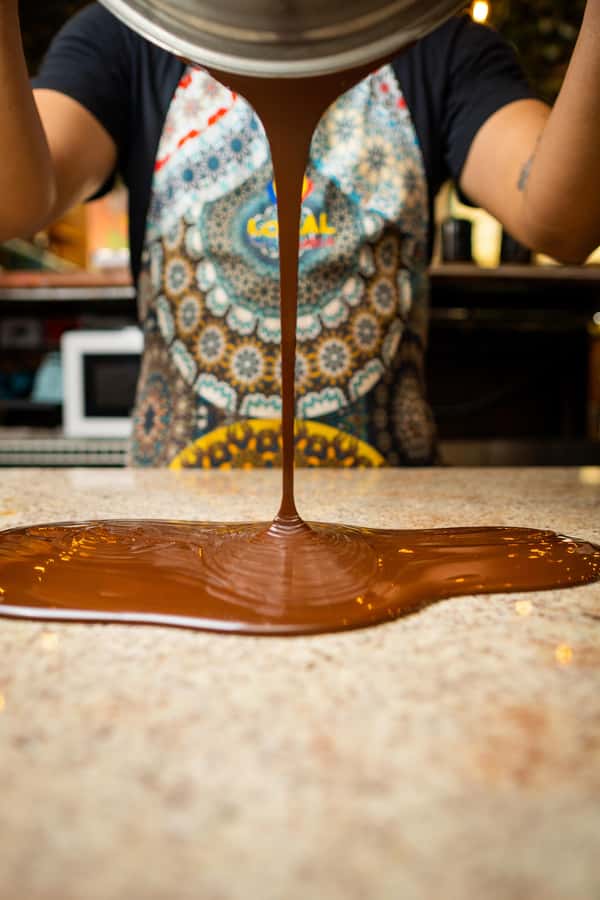
The private-group format is one of the strongest features here. Instead of trying to hear an instructor across a crowded room, you have a session intended for your own group. That gives you more room to ask questions and adjust the pace of the conversation.
Instruction is available in English and Spanish. This is helpful in a technical activity, since terms related to roasting, cacao varieties, and chocolate production can be hard to follow if the explanations are rushed.
Alejandra, also called Ale, is specifically associated with several sessions. Her role is not just to demonstrate the process. She explains the bean, harvest, ecology, and hands-on production, and makes room for questions. If Alejandra is leading your class, you can expect an instructor who brings energy to the subject and treats the process as something worth understanding, not just watching.
A Sunday booking may feel different from a weekday visit. One session took place when nobody was actively working in the production area, although the group still had full access to the local chocolate production space. The host had also completed some steps in advance. That means the class can still work well on a quiet day, but the room may not have the same activity level you would see during production hours.
What the 105-minute schedule feels like
An hour and 45 minutes is a sensible length for this experience. It is long enough to cover the production process, taste several styles, and make chocolate, but short enough to fit into a busy day in Bolívar.
You can expect the session to move through several connected stages:
- Arrival at the pink meeting-point building and transfer to the workshop room
- Introduction to the chocolaterie and its equipment
- Explanation of cacao varieties, harvest, ecology, and national importance
- Observation of roasting and separation
- Tasting of chocolates with different percentages and origins
- Hands-on preparation of bonbons, truffles, or chocolate bars
The order may vary. Some preparation can happen before your arrival, and the exact creation may differ from one class to another. Think of the itinerary as a guided production lesson rather than a rigid cooking recipe.
Because the session is indoors, it is a useful choice when rain or poor weather disrupts outdoor plans. You still get a connection to Colombian agriculture and food culture without depending on the forecast.
Price, value, and who should book
At $101 per person, this is not a casual low-cost tasting. The price makes the most sense if you value private instruction, hands-on work, and access to a real chocolate production area.
You are paying for more than the chocolate samples. The experience includes an explanation of the cacao process, several chocolate percentages and origins, artisan guidance, and the chance to make your own sweets. The private format also adds value for couples, families, or small groups who want direct attention.
I would compare it with the cost of a simple dessert stop or standard museum visit and ask what you want from the afternoon. If you only want to eat good chocolate, $101 may feel high. If you want a structured lesson that connects Colombian cacao to finished products, the price is easier to justify.
The experience suits several types of visitors:
- Couples looking for an indoor activity with a creative element
- Families with older children who enjoy food projects
- Food-focused visitors who want more context than a basic tasting
- Chocolate fans curious about cacao percentage and production
- Small private groups that prefer direct conversation with a guide
- People with a free afternoon in Bolívar who want a local food experience
It is not suitable for people with food allergies. Chocolate products can contain or come into contact with ingredients that make the class unsafe for you, and the activity specifically excludes people with food allergies.
You should also wear comfortable clothing that can handle stains. An apron may be part of the class, but the advice to choose stain-friendly clothes is worth taking seriously when you are handling chocolate.
Booking details that affect your plans
The activity offers free cancellation up to 24 hours before the start time for a full refund. You can also reserve now and pay later, which helps if your Bolívar schedule is still changing.
Starting times depend on availability, so check the calendar before building the rest of your day around it. The experience lasts 105 minutes, but you should also allow time to reach the meeting point and find the host.
You need to provide an email address and a phone number with the area code. A confirmation email and calendar invitation are sent as reminders. That is useful for a private appointment, where a missed start time could affect the whole group.
The meeting point is at the beginning of Arsenal Street, across from the convention center. Look for the two-story pink building with wooden barrels outside. Once you arrive, the host directs you to the exact workshop location.
The strengths and limits of the experience
The strongest feature is the combination of explanation and participation. You learn why cacao is handled in certain ways, taste the results, and then try making chocolate yourself. Each section supports the next.
The guides are another clear strength. Alejandra’s passion and willingness to answer questions make the technical parts easier to follow. Good instruction matters here because the subject can quickly become a list of machinery and percentages without a human guide connecting the pieces.
The private setting is valuable, too. You can ask about the cacao varieties, production steps, and flavor differences without worrying about holding up a large group.
The main limitation is the possibility of precompleted work. The workshop cannot show every stage as a live production line during every session. A Sunday class may have no active staff working in the area, and some preparation may already be done.
I would not consider that a reason to avoid the experience. It simply tells you what kind of activity this is. You are booking an educational, hands-on workshop with access to a production space, not a guarantee of continuous factory action.
Should you book this chocolate workshop?
Book it if you want to understand Colombian chocolate through your senses and your own hands. The private format, broad tasting range, indoor setting, and guidance from instructors such as Alejandra make it a strong choice for a food-focused afternoon.
Skip it if you have food allergies, dislike messy activities, or only want a quick sample of chocolate. You should also ask about the production schedule if seeing live machinery is your main reason for booking.
For most people who enjoy chocolate and want a more authentic taste of Colombian food production, I would choose this over a simple tasting. Just arrive in stain-friendly clothes, allow time to find the pink building, and remember that some technical steps may be prepared before class.
FAQ
Where does the chocolate workshop meet?
The meeting point is at the beginning of Arsenal Street, around the corner and across from the convention center. Look for a two-story pink building with wooden barrels outside promoting free hugs.
How long does the experience last?
The workshop lasts 105 minutes.
How much does the workshop cost?
The listed price is $101 per person.
Is the workshop private?
Yes. The activity is offered as a private-group experience.
Which languages are available?
The instructor can lead the activity in English or Spanish.
What types of chocolate are included?
The experience includes chocolate of different percentages and origins, including 40% white chocolate, 46% milk chocolate, 80% dark chocolate, 100% pure cocoa, and blends.
What will I make during the class?
You may make bonbons, truffles, or chocolate bars with guidance from the artisans. The exact creation may depend on the session.
What should I wear?
Wear comfortable, stain-friendly clothing so you can take part without worrying about chocolate marks.
Can people with food allergies join?
No. The activity is not suitable for people with food allergies.
More Workshops in Cartagena
- Cartagena: Pub Crawl with Dancing Lessons and Free Shots
★ 4.2 · 211 reviews - Private Surf Class with Certified Instructor in Cartagena
★ 5.0 · 36 reviews - Specialty Coffee Workshops in Cartagena
★ 5.0 · 34 reviews - Cartagena Instagram Mobile Workshop: Scenic and Trendy Shots
★ 5.0 · 5 reviews
Just added around Cartagena
- Cartagena: Ecoplan on Barú, Aviary and Oceanarium in one day★ 3.3 · 3 reviews
- CARTAGENA, EXCLUSIVE launch for Rosario and Baru Islands★ 5.0 · 3 reviews
- Cartagena: Day Tour to Tierra Bomba Island★ 3.2 · 3 reviews
- photo session through the streets of cartagena★ 5.0 · 3 reviews
- Cartagena Coffee Masterclass: Artisanal Roasting and Brewing★ 5.0 · 3 reviews
- FULL DAY BARRANQUILLA AND SANTA MARTA 1 DAY from Cartagena★ 4.0 · 3 reviews
- Cartagena: Cholon Island Boat PARTY with DJ and Lunch★ 3.7 · 3 reviews
- Cartagena: Basic Diving for beginners in Rosario Islands★ 3.4 · 3 reviews
Cartagena Tours, compared.
Cartagena: Historic Center and Getsemaní Shared Walking Tour
Read our review →
Cartagena: Rosario Islands Catamaran with Lunch and Snorkel
Read our review →
Full-Day Rosario Islands Including Barú, Bocachica & Playa Blanca
Read our review →
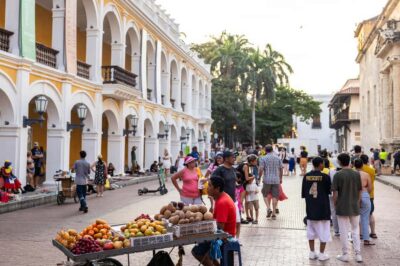
Cartagena: Guided Street Food Tour with Tastings
Read our review →
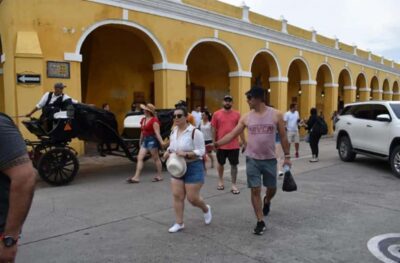
Cartagena: Panoramic City Tour, Monuments, Walls, Castle
Read our review →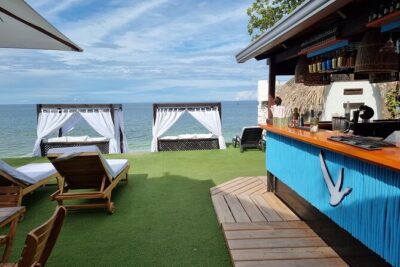
Bora Bora Cartagena Beach Club Full Day Experience
Read our review →Browse the lists this tour appears in