
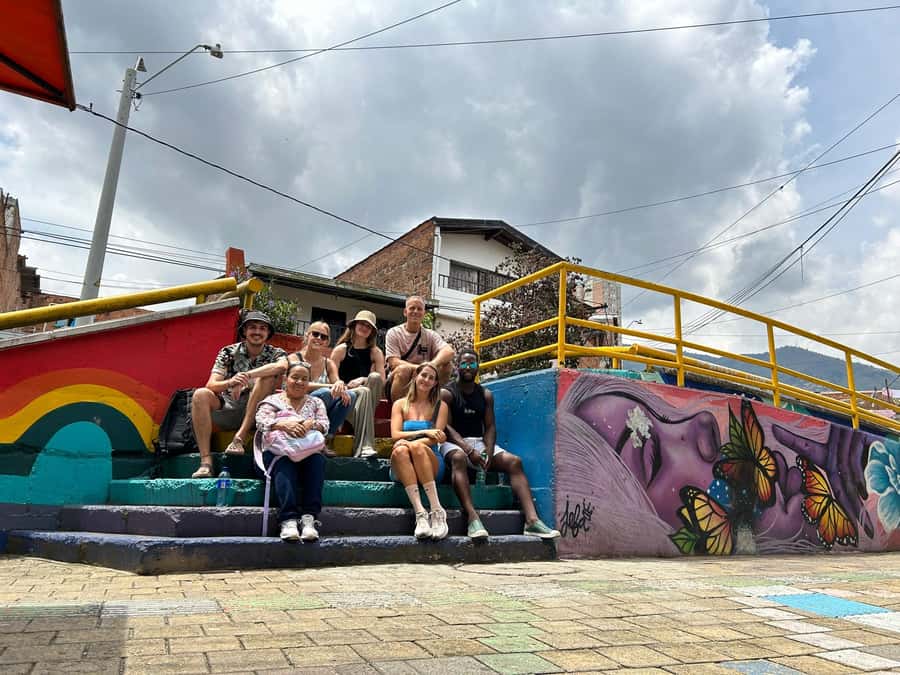
Reviewed · MEDELLÍN TOURS
Comuna 4 – Moravia Tour
Moravia is not a polished sightseeing district. It is a neighborhood built about 60 years ago without official government recognition, and its story is best understood through the people who live there. This tour takes you past the usual Medellín circuit and into the barrio with a local community leader who can explain both its hardships and its pride.
I especially like the small group limit of eight, which gives you room to ask questions without turning the neighborhood into a parade of visitors. I also like the serious context: your guide does not stop at colorful street scenes, but explains Colombia’s education, health care, and welfare systems. The main consideration is that this is a social and historical walking tour, not a sightseeing sprint. Come ready to listen, walk, and think.
Key points at a glance
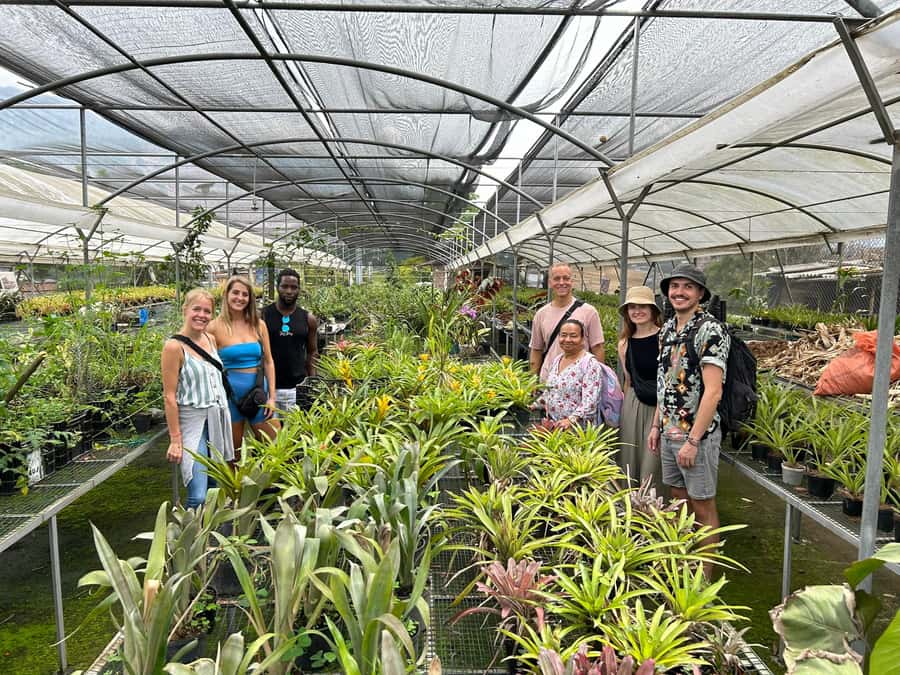
- Meet at Caribe Metro Station’s south exit: Look for the exit with the pedestrian bridge over the Medellín River.
- Hear directly from local leaders: Gloria, Gladis, or Heroina may lead the community portion, sharing personal knowledge of Moravia.
- Go beyond surface-level tourism: The discussion covers education, health care, welfare, and Medellín’s complicated transformation.
- Keep the group personal: A maximum of eight participants makes conversation easier and limits pressure on the neighborhood.
- Expect about 3.5 hours: The route includes walking, community visits, a cultural center, and a small food tasting.
- Pay $30 for a social history experience: The fee pays the local community leader, supports community initiatives, and includes a small snack.
Why Moravia tells a different Medellín story
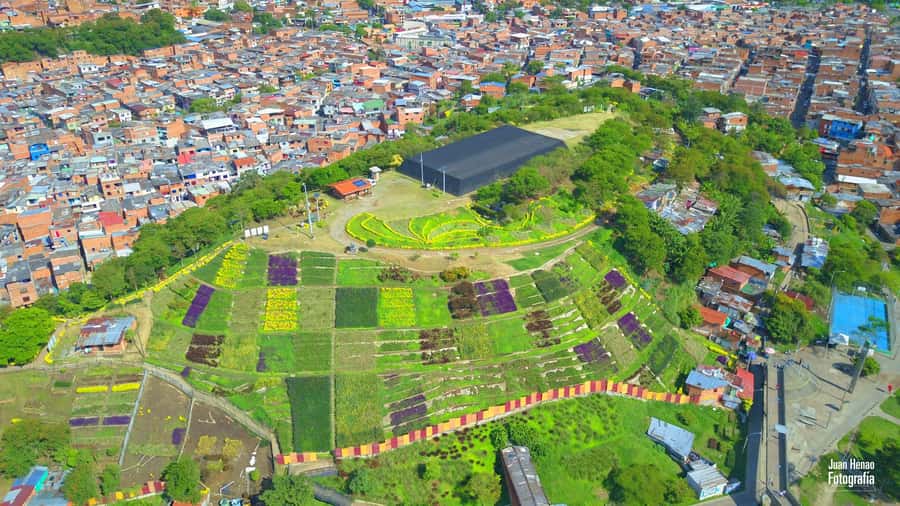
Many visitors first meet Medellín through its public transit, central plazas, museums, and celebrated urban projects. Those places matter, but they do not tell the whole story. Moravia lets you look at the city from the point of view of a community that spent years outside official recognition and has worked to build a stronger future from within.
The tour describes Moravia as a barrio formed roughly 60 years ago against a lack of government recognition. That detail changes how you read the streets. You are not simply seeing an older neighborhood. You are seeing the result of residents organizing, adapting, and creating community structures where formal support was limited or absent.
I appreciate that the experience does not offer a tidy before-and-after story. Medellín’s transformation is often presented as a simple success tale. Here, your guides can explain the less comfortable parts, including the different and sometimes conflicting ways people understand that change.
The most valuable part may be the chance to ask what transformation means in daily life. Better public services, education, health care, and welfare policies sound abstract until a local leader connects them to family life and neighborhood needs. The professional bilingual guide helps place those stories in a wider Colombian context.
A few more Medellin day trips to weigh up
- Medellin: Comuna 13 Graffiti Tour, Cable Car & Street Food
★ 4.8 · 9,046 reviews - Medellín: The Real Pablo Escobar Tour
★ 4.8 · 3,205 reviews - Medellín: Comuna 13 True Story and Street Food Tour
★ 4.9 · 1,779 reviews
Meeting Toto and the local community leaders
The professional guide is Toto, and the community leaders may include Gloria, Gladis, or Heroina. Their roles are different but work well together. Toto provides the bilingual structure and broader explanation, while the local leader brings direct experience of Moravia and its development.
Heroina, who grew up in the barrio and calls it home, is one of the named community leaders connected with the experience. Gloria and Gladis are also local leaders and founders of the barrio. Their involvement matters because you are not hearing only an outside interpretation of Moravia.
You should also expect discussion of women’s role in the community. The tour specifically highlights women’s empowerment, and this gives the visit a useful focus. Instead of treating local residents as background scenery, the experience presents women as organizers, leaders, and active voices in the barrio’s future.
The format is designed to be respectful. Groups are kept small, and the company says it does not bring large numbers into Moravia every day. That approach cannot remove every concern connected to social tourism, but it does make the structure more thoughtful than a large coach tour passing through for photographs.
Starting at Caribe Metro Station
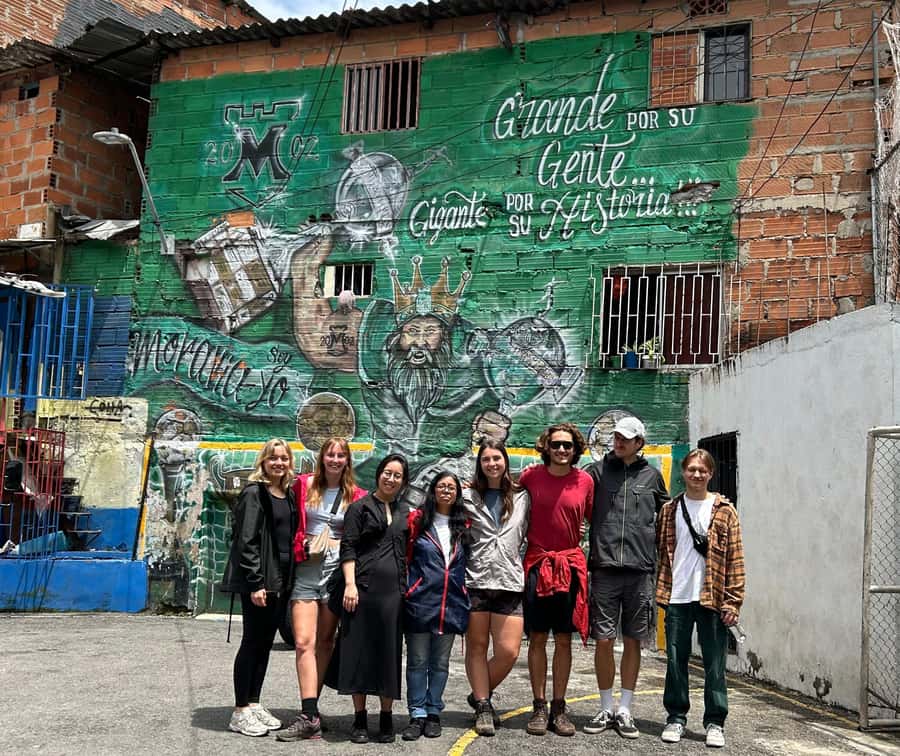
The meeting point is the south ticket booth at Caribe Metro Station. This detail matters because Caribe has two exits, and choosing the wrong one can put you on the opposite side of the station from your guide.
Look for the exit with a pedestrian bridge over the Medellín River. If you ride the metro, take Line A and leave the train toward the back of the train, meaning the south side. The organizers also provide a short orientation video for the metro route.
The metro is the recommended way to arrive. It is simple, direct, and avoids the uncertainty of road traffic and drop-off points. An Uber is possible, but it is not advised because drivers may leave you in the wrong place. If you use one, enter Barrio Transformation Tour as the destination, keep mobile data available, and follow the separate instructions for walking from the drop-off point.
The tour ends back at the same meeting point. That makes the logistics easier after three and a half hours, since you do not need to arrange a return ride from an unfamiliar part of the city.
The first walk through the barrio
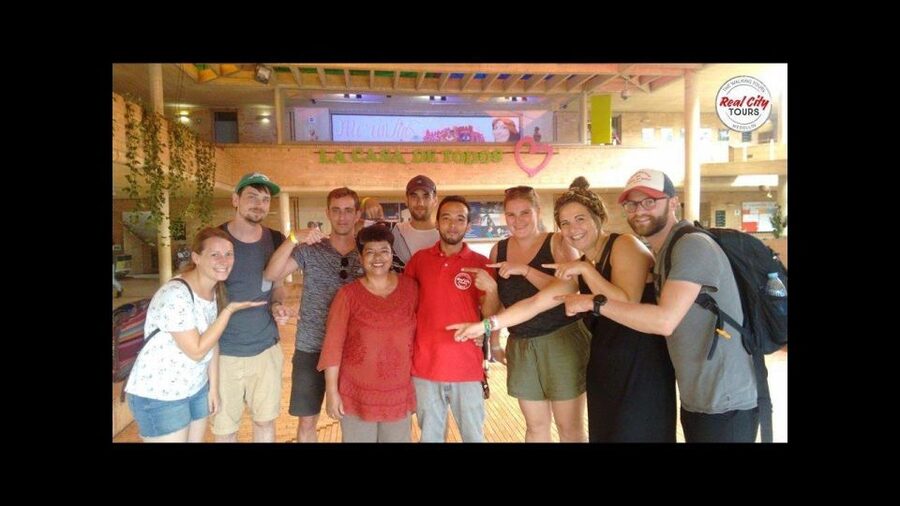
The opening section introduces the neighborhood and begins the transformation story. You will spend about 30 minutes on a guided portion before moving to other stops.
This first walk is where the tour sets its tone. You are not being rushed from one photo stop to the next. The point is to understand how the barrio developed, why official recognition mattered, and how residents created a sense of community over time.
Since this is a real neighborhood rather than a purpose-built attraction, you should keep your attention on the guide and local leader. Their explanation will help you notice details that could otherwise pass without meaning. The value is not in collecting a long list of landmarks. It is in learning how a place functions and how residents describe it.
Wear comfortable shoes. The experience includes several walking sections and lasts most of a morning or afternoon. Sunscreen is also sensible, as the tour information specifically recommends it.
Same city, a completely different kind of day:
- Medellín: Comuna 13 District Tour with Cable Car Ride
★ 4.8 · 1,467 reviews - Medellin: Coffee Tour with Transport, Snacks and Tastings
★ 4.7 · 1,357 reviews - From Medellín: Paragliding Tour with GoPro Photos & Videos
★ 4.9 · 1,210 reviews - Tour Guatapé
★ 5.0 · 865 reviews
Community visits and the story behind daily services
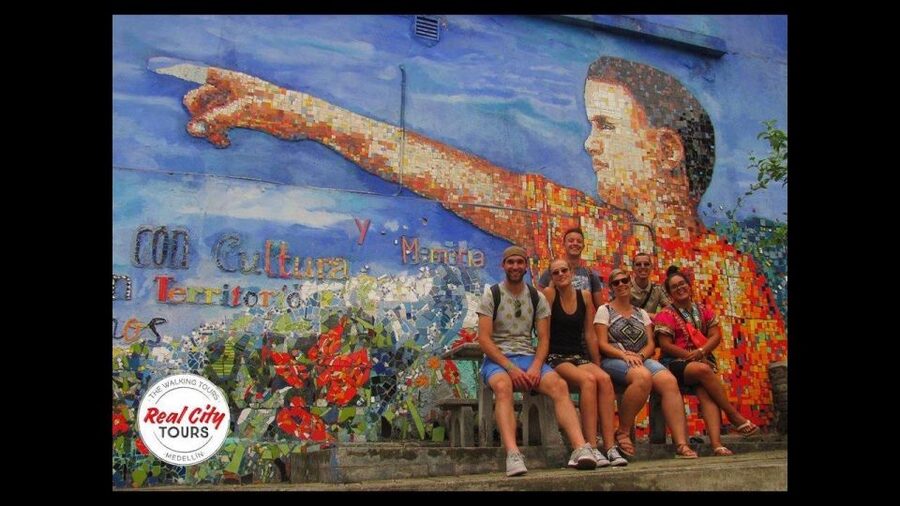
The next parts include a visit of about 45 minutes, followed by roughly an hour in Moravia with a guided visit. These sections are likely to carry the most substance for anyone interested in how communities operate beyond official tourist sites.
The discussion of Colombia’s health care, education, and welfare systems is a real strength. Many city tours mention public policy only in passing. Here, the guide aims to explain how these systems work and how they affect ordinary people.
That does not mean you should expect a classroom lecture. The information is tied to the neighborhood and its residents. You can ask questions and connect broader Colombian policies to the social changes being discussed in Moravia.
I like this approach because it helps you avoid a common travel mistake: judging a neighborhood only by its appearance. A street may look improved, but that does not tell you who benefits, what problems remain, or how residents feel about the changes. The guide’s job is to explain those less visible parts.
At the same time, the tour cannot provide a complete study of Colombia’s public systems in one afternoon. Think of the explanations as a practical introduction, with room for complexity and disagreement rather than a final answer to every policy question.
A small food tasting and time to talk
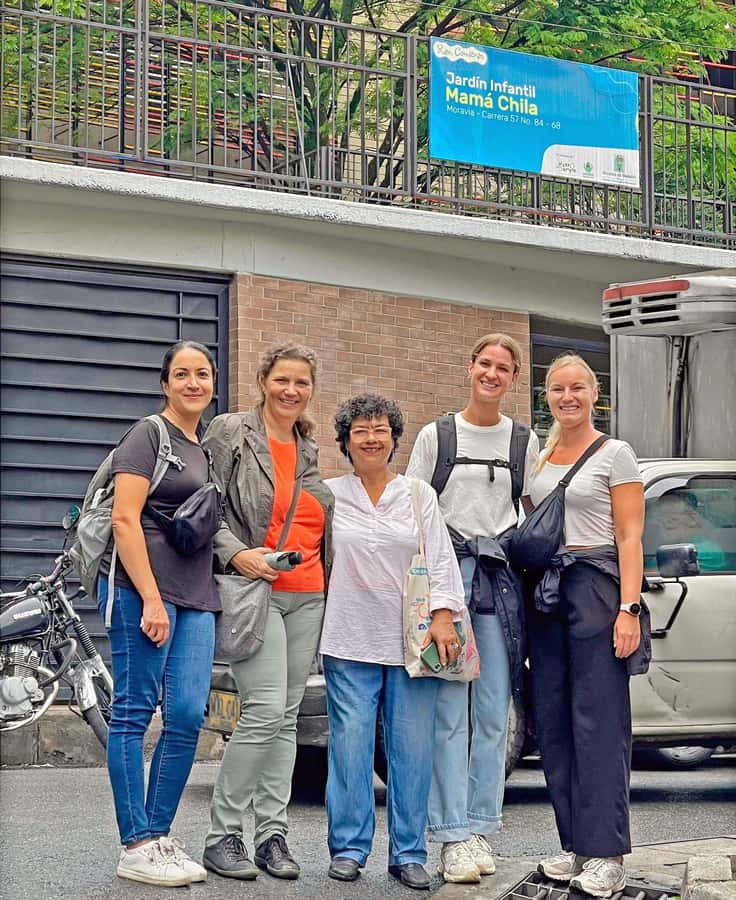
The schedule includes about 30 minutes for food tasting, and a small snack is included in the price. The available information does not specify the food, so you should treat this as a modest local refreshment rather than a full meal.
This pause is useful for another reason. A shared snack creates time for conversation with the guide and community leader. You can ask about what you have seen so far, clarify points about Moravia, or simply take a break from walking.
Do not book this expecting a food tour. The food stop is one part of a social and historical experience, not the main attraction. If you need a full lunch, plan that separately.
The final visits, including Moravia Cultural Center
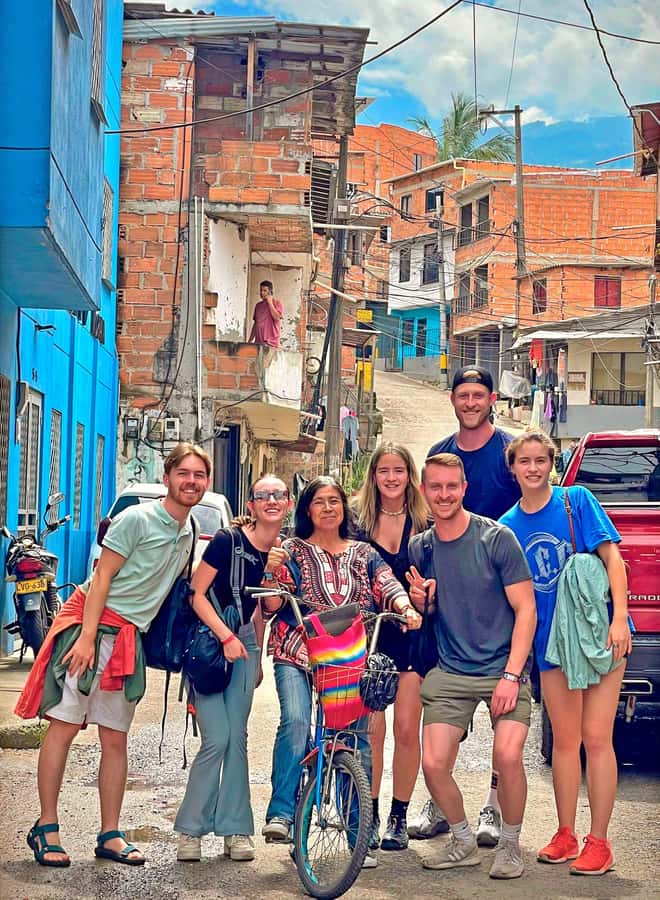
A later guided stop lasts about 30 minutes, followed by around 30 minutes of sightseeing at Moravia Cultural Center. The cultural center gives the tour a fitting close because it connects the neighborhood’s past with its ongoing community life.
The center is not presented as a grand museum with a long list of formal exhibits. Instead, it is part of the story the tour is telling: local organization, public space, and the effort to give residents more opportunities.
This is also a good point to reflect on the tour’s emphasis on women’s leadership and grassroots work. The experience asks you to see Moravia through its residents’ efforts, not simply through outside redevelopment projects.
The route then returns to the original meeting point. The full experience lasts about three and a half hours, though the exact starting time depends on availability when you book.
Respectful social tourism, handled with care
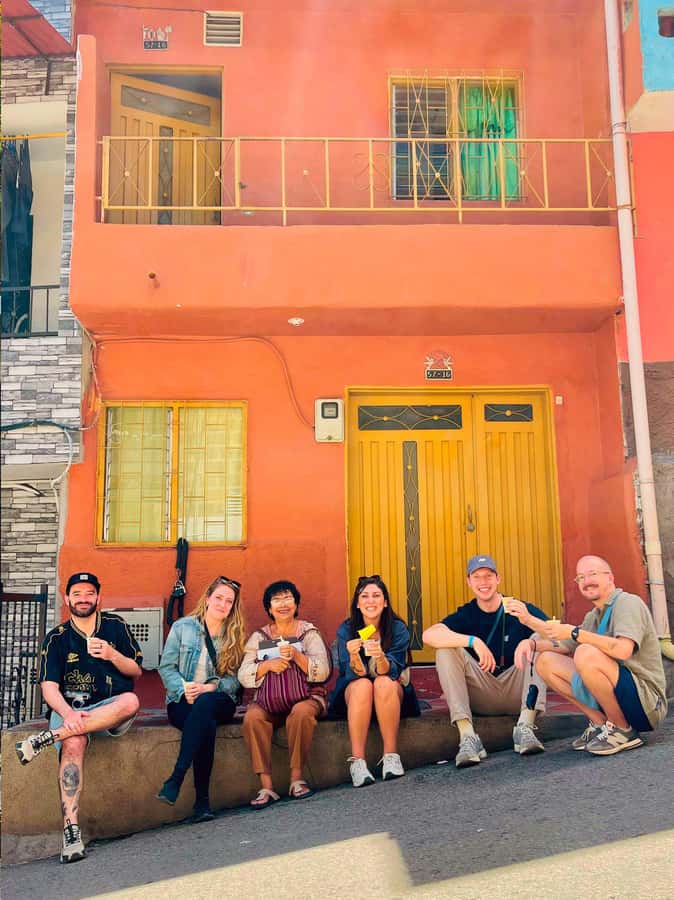
The organizers make a clear distinction between this tour and poverty tourism. That distinction is important, but the real test is how the visit feels on the ground.
The useful parts are clear. You are accompanied by a local community leader, the group is limited to eight, and part of the tour fee goes directly toward community initiatives. The leader is paid for their time and knowledge, rather than being treated as a free local voice added for atmosphere.
You should still approach the visit with care. Do not assume you understand a place after one afternoon, and do not reduce Moravia to a story of hardship. The tour’s strongest message is that residents are proud of their barrio and want to show its work, leadership, and progress.
Ask questions that leave space for personal views. Listen when the local leader describes the neighborhood. Avoid treating homes, people, or private daily life as photo props. That is basic courtesy, and it fits the purpose of this experience.
Is $30 a fair price?
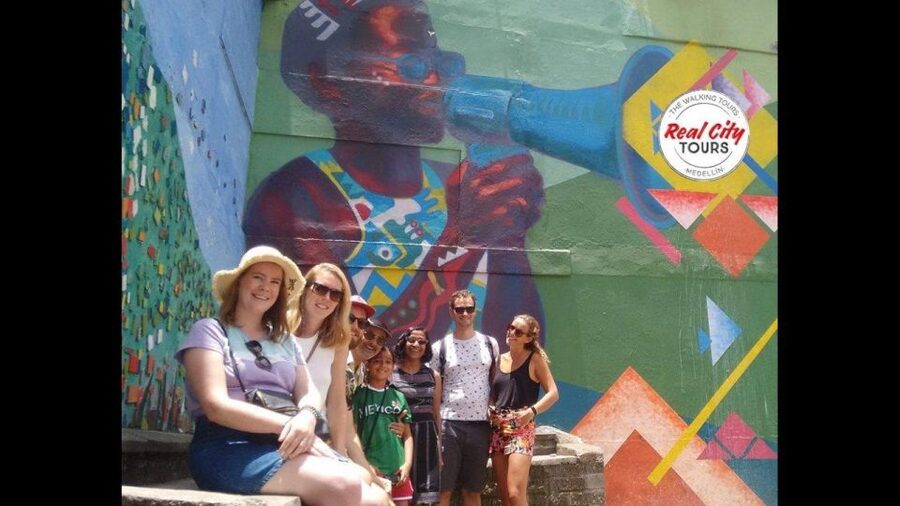
At $30 per person, this is reasonably priced for a 3.5-hour tour with a professional bilingual guide, a local community leader, a small snack, and a maximum group size of eight.
The value is not based on famous monuments or admission tickets. You are paying for access to local voices, careful interpretation, and a more personal format. The community contribution also gives the fee a purpose beyond the guide’s operating costs.
The price makes the most sense if you value context and conversation. If you want a quick visual tour of Medellín, you may find it too slow or too serious. If you want to understand how a neighborhood changed and how public systems affect residents, the cost is easier to justify.
There are only a few published ratings for this experience, but the available response specifically praises Toto and Heroina. That matches the structure of the tour: the human connection is likely to be its strongest feature.
Who should book this experience?
I would choose this tour if you have already seen Medellín’s main sights and want a fuller picture of the city. It also suits first-time visitors who prefer local history, public policy, and community stories to a standard list of attractions.
It is a good fit for adults, students, and anyone interested in urban change, grassroots leadership, or Colombia’s social systems. The small group makes it easier to ask direct questions in English.
You may want something else if your priority is nightlife, architecture, shopping, or a food-focused outing. This is not a carefree stroll with constant photo stops. Some subjects are serious, and the tour asks you to pay attention.
The experience is in English, and the group is limited to eight participants. You need comfortable shoes and sunscreen. Hotel pickup and drop-off are not included, so plan your route to Caribe Metro Station before the start time.
Final verdict: book it for the people and the context
Book the Comuna 4 Moravia Tour if you want to hear from residents and understand Medellín beyond its familiar success story. The combination of Toto’s bilingual guidance and local leaders such as Heroina, Gloria, and Gladis gives the experience a useful balance of outside context and lived experience.
I would not choose it for a relaxed sightseeing outing or a full meal. I would choose it for the chance to see how a once-unrecognized barrio built community, how women and grassroots leaders shape local life, and how public services affect real neighborhoods. At $30, the small group and community connection make this a strong value for thoughtful visitors.
FAQ
Where does the Comuna 4 Moravia Tour meet?
The tour meets at the south ticket booth of Caribe Metro Station. Use the exit with a pedestrian bridge over the Medellín River.
How do I reach the meeting point by metro?
Take Line A to Caribe Station and leave through the exit toward the back of the train, which is the south side. A short orientation video is also provided.
Can I arrive by Uber?
You can, but it is not advised because the driver may not leave you at the correct location. If you use Uber, enter Barrio Transformation Tour as the destination, keep mobile data available, and follow the directions for reaching the meeting point after drop-off.
How long does the tour last?
The experience lasts about three and a half hours. Starting times depend on availability when you book.
What language is the tour in?
The tour is conducted in English by a professional bilingual guide and a local community leader.
What is included in the price?
The $30 price includes the local community leader, professional bilingual guide, and a small snack. Hotel pickup and drop-off are not included.
What should I bring?
Bring comfortable shoes and sunscreen. The tour includes several walking sections.
Just added around Medellin
- Comuna 13: Recorrido de Arte Urbano, Cultura y Resiliencia★ 5.0 · 3 reviews
- Tour to Río Claro and La Caverna del Cóndor★ 5.0 · 3 reviews
- Medellin: Tour to The Cathedral – History of Pablo Escobar and his Impact★ 5.0 · 3 reviews
- Medellín: Coffee Tour Experience at a Coffee Farm★ 4.8 · 3 reviews
- Medellin: waterfalls and naturals poolls tour★ 3.7 · 3 reviews
- Medellín: Private City Tour and Comuna 13 Tour★ 3.8 · 3 reviews
- Tour Medellín: Pablo Escobar and Commune 13★ 5.0 · 3 reviews
- Colombia: Official Pablo Escobar Meet the Family Museum Tour★ 5.0 · 3 reviews
Medellín Tours, compared.
Medellin: Comuna 13 Graffiti Tour, Cable Car & Street Food
Read our review →
Medellín: Comuna 13 True Story and Street Food Tour
Read our review →
Medellín: Comuna 13 District Tour with Cable Car Ride
Read our review →
Medellin: Coffee Tour with Transport, Snacks and Tastings
Read our review →
From Medellín: Paragliding Tour with GoPro Photos & Videos
Read our review →
Medellín: Pablo Escobar Tour with beer included
Read our review →Browse the lists this tour appears in