
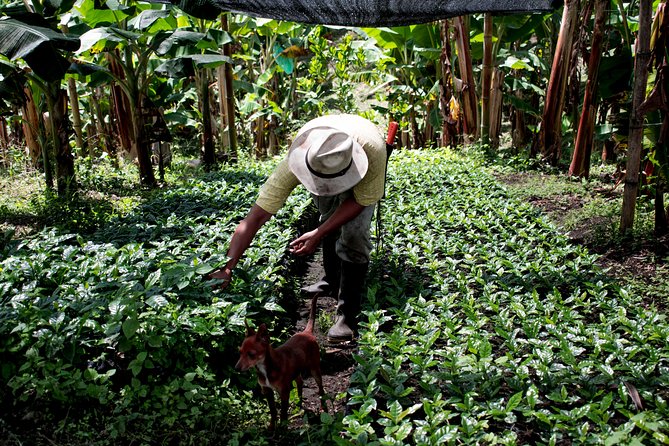
Reviewed · COFFEE REGION TOURS
Coffee Tour.
The most interesting part of this private coffee tour is its full look at the bean, from planting and production through roasting and preparation. At Finca Lusitania near Filandia, Mauricio and his wife guide you through the work behind a cup of Colombian coffee, then help you pay closer attention to how different methods affect taste.
I like two things here: the personal pace of a tour reserved just for your group, and the chance to connect coffee production with the finished drink. I also like that the setting itself is part of the experience, with beautiful grounds that give the visit a strong sense of place.
The main drawback is practical: at least two people must book, and the $55 price per person does not include a meal. The tour lasts about three hours, so it is a focused coffee lesson rather than a full-day farm outing.
Key points to know before you book
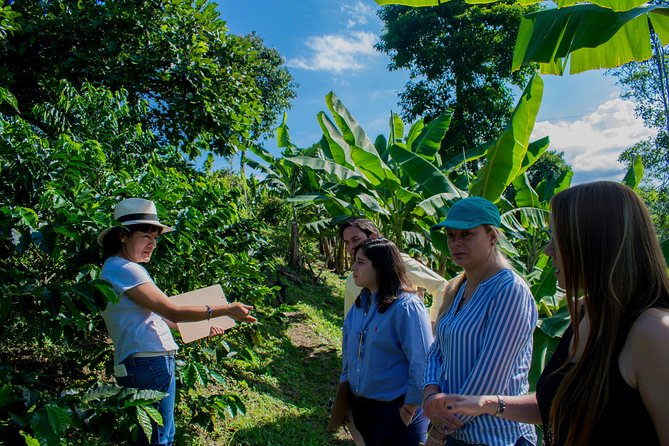
- Private visit at Finca Lusitania: Only your own group participates, which allows for a more personal conversation and an easy pace.
- Coffee from plant to cup: The tour covers planting, production, processing, roasting, and preparation methods.
- Mauricio and his wife lead the experience: Their attentive, personal approach is a major part of the visit.
- Coffee-time is included: You will taste and discuss coffee during the tour, but a meal is not included.
- A strong choice for coffee drinkers: You do not need much prior knowledge. The explanations are designed to build appreciation from the basics.
- Book ahead: This experience is often reserved about 28 days in advance, and the minimum booking is two people.
At Finca Lusitania, coffee becomes more than a morning habit
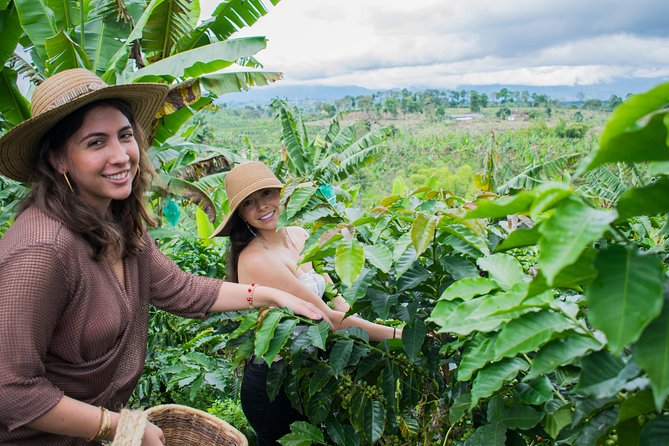
Colombia is famous for coffee, but many visitors only meet it after it has been roasted, ground, and poured. This tour gives you a chance to follow the chain backward. At Finca Lusitania, in the El Paraiso area near Filandia, you learn how coffee begins as a crop and how careful choices shape the flavor in your cup.
I find that this kind of farm visit is useful because it gives context to a product you may already drink every day. Instead of treating Colombian coffee as a souvenir or a vague national symbol, you get a clearer sense of the stages that turn a plant into a carefully prepared drink.
The setting also matters. The grounds are described as breathtaking, so you are not sitting in a classroom for three hours. The farm environment gives the explanations a practical backdrop, even though the available details do not specify every stop or task you will perform.
This is not presented as a large commercial attraction. Since the activity is private, you can ask questions that suit your own interest, whether that means focusing on farming, roasting, brewing, or the differences you notice in the cup.
More Coffee Tours in Coffee Region
- Coffee Tour at the Finca del Café
★ 5.0 · 213 reviews - Salento: Private Cocora Valley, Salento & Coffee Farm Tour
★ 4.9 · 202 reviews - Coffee Tour at Finca El Ocaso Salento: Traditional Spanish Farm
★ 4.8 · 89 reviews
Planting and producing a special coffee
The first part of the visit focuses on how coffee is planted and produced. That may sound basic, but it is the foundation for understanding why one coffee tastes different from another. You learn that quality is not created only in the roaster or the brewer. It begins much earlier.
The wording of the experience points to a special coffee produced at the farm. You should expect the guide to explain the process behind that coffee and the choices that affect the final result. The exact farming practices, coffee variety, and harvest details are not provided, so I would not book this expecting a technical agricultural course.
What you do get is a guided explanation that connects the farm to the beverage. For a first coffee plantation visit, that is a sensible focus. You can ask Mauricio or his wife to clarify anything that catches your attention, and the private format should make that easier than it would be in a large group.
I especially like this part for people who usually skip the origin story. If you only want a quick scenic stop and a cup to drink, the discussion may feel more detailed than necessary. If you want to understand why Colombian coffee has such a strong reputation, the farm-to-cup approach gives the visit a clear purpose.
Processing, roasting, and the choices behind flavor
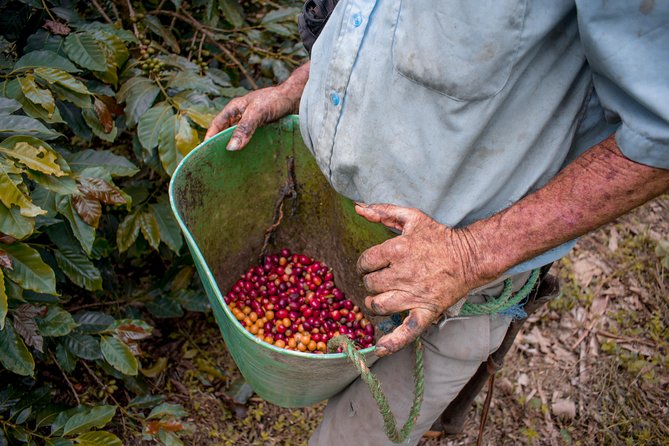
After the growing stage, the tour moves into processing and roasting. This is where the visit becomes especially useful for coffee drinkers. The same bean can taste different depending on how it is handled, roasted, and prepared, and the tour is designed to show that connection.
You will hear about the roasting process and the methods used to prepare the coffee. The available information does not name specific brewing techniques, so I would not promise a particular device or tasting format. Still, the main idea is clear: you will compare how technique can change the taste of the same coffee.
That lesson can make you more attentive at home. You may begin noticing the difference between a bright, light cup and a heavier, more roasted one, or between a preparation that brings out delicate notes and one that produces a stronger drink. The experience encourages you to use your senses rather than simply drinking on autopilot.
One detail I find appealing is the emphasis on mindfulness. The guide encourages people to pay attention to their senses in daily life, not only during the tasting. That gives the tour a small personal angle without turning it into something overly formal or abstract.
You do not need to arrive as a coffee expert. The experience is suitable if your main qualification is that you drink coffee and want to understand it better. The explanations are meant to leave you with more confidence and curiosity, not a long list of terms to memorize.
Coffee-time is the tasting heart of the visit
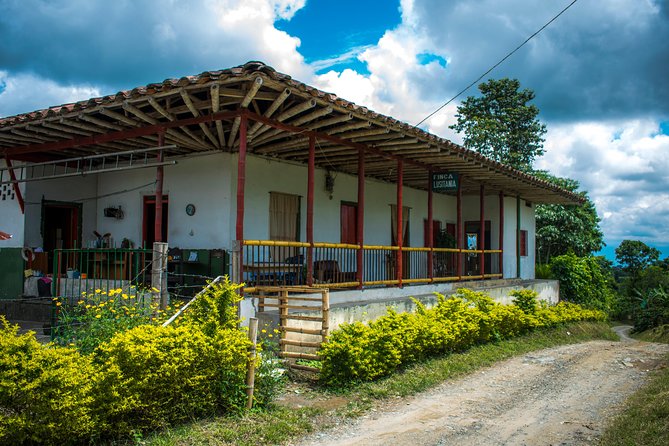
Coffee-time is included in the $55 price, and this is where the earlier explanations come together. Rather than hearing only about production, you get to taste and discuss the result. The preparation methods become easier to understand when you can connect them with what you smell and taste.
I would approach this part slowly. Pay attention to aroma, body, acidity, strength, and the aftertaste. You do not have to use professional tasting language. The point is to notice how the experience of a cup changes when preparation and roasting change.
The tour can be especially rewarding if you normally add milk or sugar without thinking. You may prefer your usual style, but trying to taste the coffee more carefully helps you understand what the producer is aiming for. The guide’s role is to help you make those connections in a relaxed way.
A meal is not included. The supplied details identify coffee-time as the included refreshment, while feeding is excluded. Plan accordingly, particularly if you are arranging the visit around lunch. This is a tasting-centered activity, not a farm lunch.
You can also buy the beans produced there. I consider that a worthwhile option if you want a practical reminder of the visit after returning home. It also lets you compare the coffee you learned about at the farm with the way you normally prepare coffee yourself.
More coffee farms to visit:
- Coffee Tour Salento-Ocaso Farm- English Tour
★ 4.6 · 88 reviews - Full-Day Private Coffee Tour in Cocora Valley and Salento
★ 5.0 · 60 reviews - Coffee Farm and Salento Walking Tour
★ 5.0 · 47 reviews - Salento: Coffee Farm Tour with Tasting
★ 4.9 · 41 reviews
The personal touch of Mauricio and his wife
Mauricio and his wife are central to the character of this experience. Their approach is described as attentive, personal, and professional, which is a useful combination for a private tour. You want enough structure to understand the process, but also enough flexibility to ask questions and follow your own interests.
Mauricio is particularly focused on helping people become more aware of their senses. That does not mean you need to treat the visit as a serious academic lesson. The tone appears to be friendly and enjoyable, with room for conversation and humor.
I would choose this tour over a larger group option if you value direct contact with the people presenting the coffee. A private booking often makes it easier to say that you did not understand a step, ask how a method compares with one you use at home, or spend more time on roasting if that is what interests you most.
There is also a useful balance between information and enjoyment. The visit is not only about facts. The setting, the tasting, and the human connection all help make the process easier to remember.
What three hours gives you
The stated duration is about three hours. That is long enough to cover several stages without making the activity an all-day commitment. You can learn about the plantation, discuss production, explore roasting and preparation, and have coffee-time within one compact visit.
The exact order and length of each part are not specified, so you should allow the guide to set the pace. A private tour may spend more or less time on certain topics depending on your questions and interest.
Three hours is a good fit if you are building a day around Salento and Filandia. It gives you a substantial experience without taking the entire day away from other plans. At the same time, the duration means you should not expect a brief photo stop with a quick explanation.
The meeting point is Recua Coffee Tour at Finca Lusitania, in Vereda El Paraiso, Filandia, Quindío. The activity ends back at that same meeting point. Since the location is near public transportation, reaching it may be manageable, but the supplied information does not specify routes, fares, or travel times. Confirm your transport plan before setting out.
Service animals are allowed, and most people can participate. No special fitness requirement is stated. Since the tour takes place at a plantation, you may still want comfortable clothing and footwear, but the available details do not state specific terrain or accessibility conditions.
Is $55 a fair price?
At $55 per person, this is not the cheapest way to drink Colombian coffee. You are paying for a private, guide-led experience rather than simply buying a cup at a café. The value depends on how much you want the personal explanation and the farm setting.
For two people, the price buys a shared visit with Mauricio and his wife, coffee-time, and a full three-hour look at production and preparation. That compares well with a quick plantation stop if you care about understanding the process rather than collecting a few photographs.
The private format is important to the value. You are not paying for a large group presentation where the guide must follow a fixed script. Your questions can shape the conversation, and the pace can feel more comfortable.
The price is less compelling if you are not interested in coffee beyond drinking it. You also need to remember that food is not included, so this should not replace a meal. For a couple or small group that wants a focused cultural and food-related activity, the cost is reasonable. For a solo visitor, it is not available under the stated booking rule because at least two people are required.
The current score is 4.9 from 33 ratings, with 97 percent recommending the experience. Those figures suggest strong satisfaction, but I would still match the tour to your interests rather than rely on numbers alone.
Who will enjoy this coffee plantation visit?
I would recommend this experience to:
- Coffee drinkers who want to understand how flavor develops.
- Couples or friends who can meet the two-person minimum.
- Visitors who prefer a private conversation over a large group presentation.
- People interested in buying locally produced beans after learning how they are made.
- Anyone looking for a three-hour activity near Salento and Filandia.
- Beginners who know little about coffee but want a clear introduction.
It may be less suitable if you want a full meal, a very short activity, or a detailed agricultural course with a published schedule of every farm task. Those details are not part of the experience information provided.
The farm setting and personal hosting also make it a good choice for people who value the human side of food production. You are not only hearing how coffee is made. You are meeting the people who present and produce it.
Booking, weather, and cancellation details
Confirmation is provided when you book. Since the experience is often reserved around 28 days ahead, I would plan early if your dates in the Salento area are fixed.
You can cancel for a full refund if you do so at least 24 hours before the local start time. Cancellations or changes made less than 24 hours ahead are not accepted for a refund.
Good weather is required. If poor weather causes the activity to be canceled, you can choose another date or receive a full refund. The same options apply if the minimum number of participants is not reached. Because the minimum is two people, make sure your reservation includes at least two participants.
Should you book Recua Café Tour?
I would book this tour if you want more than a standard coffee stop. The strongest reasons are the private format, the personal guidance from Mauricio and his wife, the full look at coffee from planting to preparation, and the included tasting.
I would also book it if you are curious about why preparation changes flavor. That lesson is likely to stay with you longer than a simple plantation visit, especially if you buy the farm’s beans and continue experimenting at home.
Skip it if you want a meal, a short visit, or a clearly published list of farm activities. For everyone else, this is a well-focused three-hour experience that puts Colombian coffee into useful context and gives you a better reason to slow down over your next cup.
FAQ
Where does the coffee tour begin?
The tour begins at Recua Coffee Tour, Finca Lusitania, Vereda El Paraiso, Filandia, Quindío, Colombia.
Where does the activity end?
The activity ends back at the meeting point at Finca Lusitania.
How long does the tour last?
The tour lasts approximately three hours.
How much does the experience cost?
The listed price is $55 per person.
Is the tour private?
Yes. Only your group participates in the activity.
What is included?
Coffee-time is included.
Is a meal included?
No. Feeding is not included in the experience.
What does the tour cover?
The tour covers coffee planting and production, processing, roasting, and preparation methods.
Can one person book the tour?
No. A minimum of two people is required for each reservation.
Can I cancel for a full refund?
Yes, if you cancel at least 24 hours before the experience start time. Cancellations made less than 24 hours ahead are not refunded.
Just added around Coffee Region
- PEREIRA: PRIVATE TOUR OF MAIN SQUARES, HISTORICAL SITES + LOOKOUT POINT★ 3.6 · 3 reviews
- Coffee Farm and Salento Walking Tour★ 5.0 · 3 reviews
- Salento: hike to learn about Birds★ 4.9 · 6 reviews
- Salento: Coffee Master Roasting, Brewing and Tasting Tour★ 4.8 · 6 reviews
- Cocora Valley: Route of the Hummingbirds + breakfast & lunch★ 4.9 · 6 reviews
- Tour Santa Rosa hot springs from Pereira, Armenia or Salento★ 4.5 · 8 reviews
- Santa Rita Waterfall and Salento Private Tour★ 5.0 · 9 reviews
- Salento: Salento & Cocora Valley Tour★ 5.0 · 11 reviews
Coffee Region Tours, compared.
Salento: Private Cocora Valley, Salento & Coffee Farm Tour
Read our review →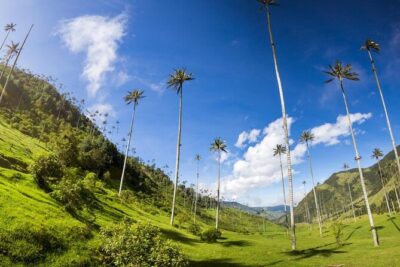
Salento, Cocora and Filandia Private Tour from Pereira or Armenia
Read our review →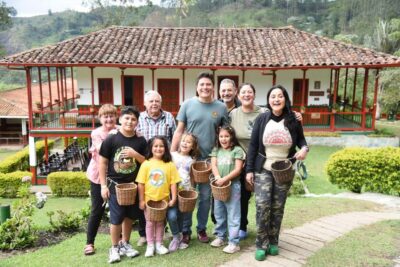
Coffee Tour at Finca El Ocaso Salento: Traditional Spanish Farm
Read our review →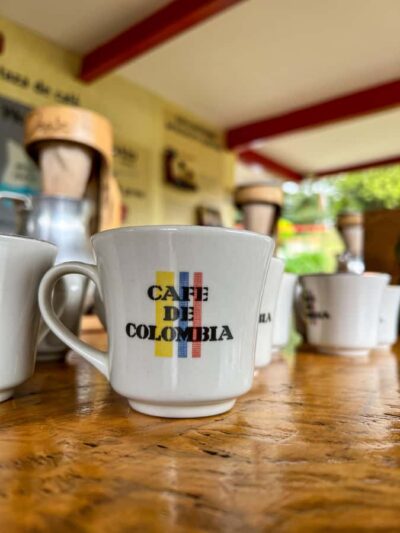
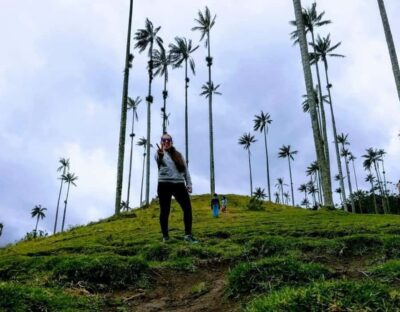
Salento/Pereira: Cocora Valley & Salento Hiking Private Tour
Read our review →
Browse the lists this tour appears in