
Reviewed · MEDELLÍN TOURS
Comuna 13 & Coffee Farm Private Tour in Medellin | The Best Combo
Comuna 13 and a working coffee farm make a smart Medellín pairing: one shows how a city neighborhood rebuilt its identity, while the other takes you into the daily work behind Colombia’s famous coffee. You’ll ride the outdoor escalators, read the stories in the murals, then pick coffee berries and follow them from plant to cup.
I like the private air-conditioned transport and the way lunch fits between the two visits. I also like that the coffee stop is hands-on, not just a tasting. The main thing to consider is the pace: eight hours, steep streets, plantation paths, and a moderate fitness requirement make this a full day rather than a relaxed city outing.
Key points to know before booking
- Comuna 13 in two hours: Learn how murals, music, escalators, and public improvements changed this steep Medellín district.
- A real family coffee farm: Visit a farm with about 14,000 coffee plants and yearly production of roughly two tons.
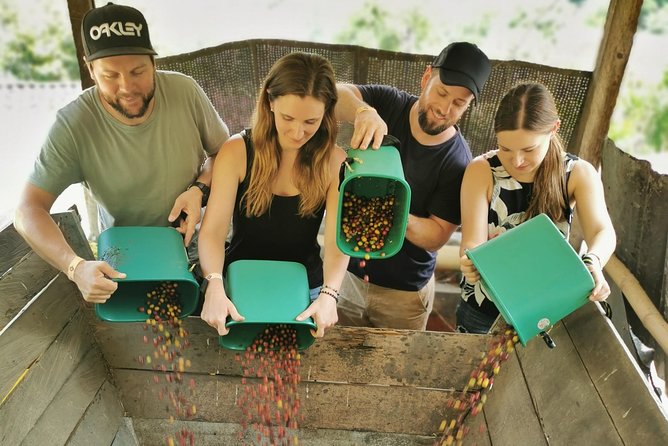
- Coffee from fruit to brew: Pick beans, process them, roast and grind them, then compare four brewing methods.
- Lunch included: A traditional meal, including bandeja paisa, is served between the two main visits.
- Private and practical: Your group has its own vehicle and guide, with pickup and drop-off in El Poblado or Laureles.
- Strong guide reports: Daniel is praised for his English, local connections, photos, and easy manner. Alejandro receives special praise for his coffee knowledge.
Why this two-part day works in Medellín
Medellín is easier to understand when you see both its urban change and its rural roots. Comuna 13 gives you the city story in murals, stairways, performances, and public transport. The coffee farm shifts the focus to Colombia’s agricultural life, where coffee is still picked and processed by hand.
The two stops feel different enough to keep the day interesting. You are not spending eight hours looking at similar sights or sitting through one long explanation. You move from a steep neighborhood packed with art to a mountain farm where you work with coffee plants and compare what you produce.
The private format matters here. You do not have to match the speed or interests of a large group, and your guide can spend more time explaining a mural, answering coffee questions, or taking photos. Pickups are included from hotels and accommodations in El Poblado or Laureles, two of Medellín’s main visitor districts.
The price is $150 per person. That is not a budget city tour, but it includes private transportation, an air-conditioned vehicle, lunch, the Comuna 13 admission cost, and the coffee farm tour fee. For two people or a small group, the cost buys convenience as much as sightseeing. You avoid arranging separate transport to the farm and do not have to fit two unrelated tours into different days.
More Coffee Tours in Medellin
- Medellin: Coffee Tour with Transport, Snacks and Tastings
★ 4.7 · 1,357 reviews - Medellín Coffee Farm Tour with Trolley and Cable Car Ride
★ 4.9 · 277 reviews - Medellin: Coffee Tour and Wellness Spa
★ 4.8 · 209 reviews
Comuna 13 and the story told in its murals
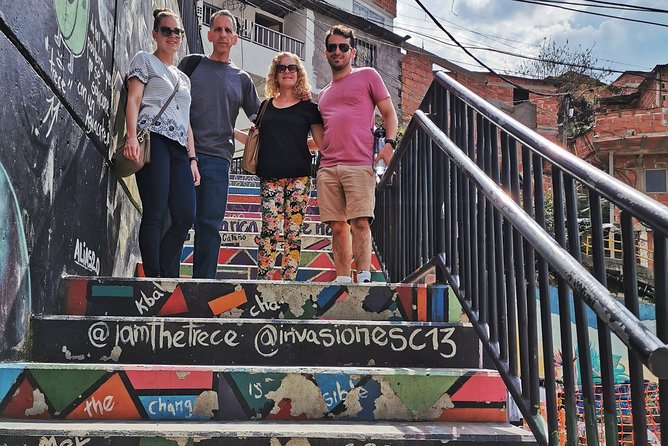
The first stop takes about two hours at the Escaleras Eléctricas de la Comuna 13. The escalators were built for $3.5 million and replaced more than 350 stairs on a very steep hill. Their practical purpose was to make daily movement easier for residents, but they also became one of Medellín’s best-known visitor sights.
You should not treat the escalators as a novelty ride. They are part of the neighborhood’s story. A steep hillside once made simple errands exhausting, especially for older residents and anyone carrying goods. The escalators helped connect sections of the district and gave Comuna 13 a more visible place in Medellín’s new public image.
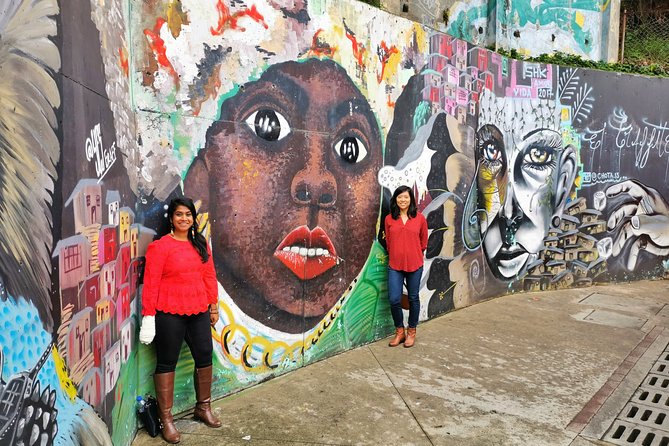
The murals are the real focus. Art covers much of the neighborhood, and the images carry meanings tied to violence, survival, hope, identity, and social change. A good guide helps you read the paintings instead of reducing them to colorful photo backgrounds.
This is where Daniel’s reported strengths could make a difference if he leads your group. He is described as speaking excellent English, knowing many people in Comuna 13, and introducing visitors to one of the neighborhood’s major graffiti artists. That kind of local connection is not guaranteed with every departure, but it shows the value of having a guide who understands the community beyond its main stairways.
The visit may also include a breakdancing performance. Local street performers are part of the area’s public life, and the music and movement add another layer to the visit. You may also have time for a local snack, such as a popsicle made with green mango and passionfruit, served with lime juice and salt for dipping.
Go early if your schedule allows. An early arrival can mean fewer people on the escalators and less pressure at the mural stops. One successful morning began before vendors had fully set up, which made it easier to see the artwork without as much distraction.
You will be walking uphill and along uneven, steep sections. The escalators reduce the effort, but they do not remove it. Wear shoes with a firm sole, keep water nearby, and expect the neighborhood to feel active and crowded at certain points, especially later in the day.
Sabaneta’s family farm and the work behind a cup
After Comuna 13, the tour continues to a family-run farm near Sabaneta. The farm has about 14,000 coffee plants and produces close to two tons of coffee each year. That scale is useful for understanding the visit: you are seeing a working small farm, not a large industrial plant designed mainly for tourists.
Lunch comes before the coffee activities. This gives you a proper break after the city walking and provides fuel for the farm paths. Bandeja paisa is served, and some ingredients may come directly from the property, including avocado, eggs, and leaves used to wrap parts of the meal.
The lunch is more than a convenient inclusion. A farm meal helps connect the coffee lesson to the wider food culture of Antioquia. You get a chance to sit down, eat a traditional regional dish, and take a pause before putting on the equipment needed for the plantation.
The coffee introduction begins with context about the coffee business and the life cycle of the plant. That background matters because coffee is often presented as a finished drink, while the hard work happens long before brewing. You learn what the plant produces, how the fruit is handled, and why each stage affects the final flavor.
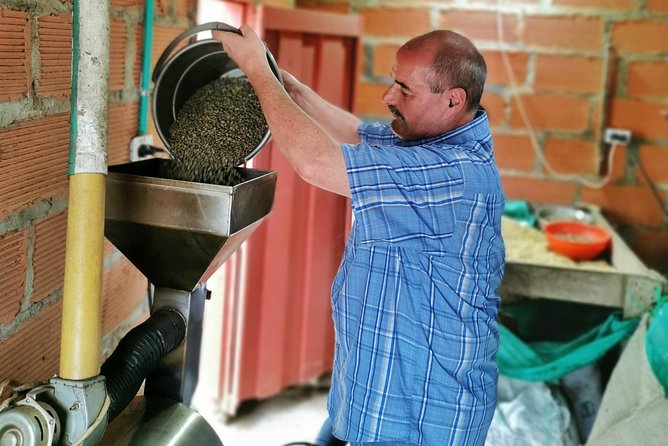
One of the most useful activities is planting a coffee seed. You also get to taste the coffee bean as a fruit, which is a simple but memorable way to understand that coffee begins as a sweet fruit surrounding the seed. The fruit and the roasted bean are very different things, and tasting both makes that change easier to grasp.
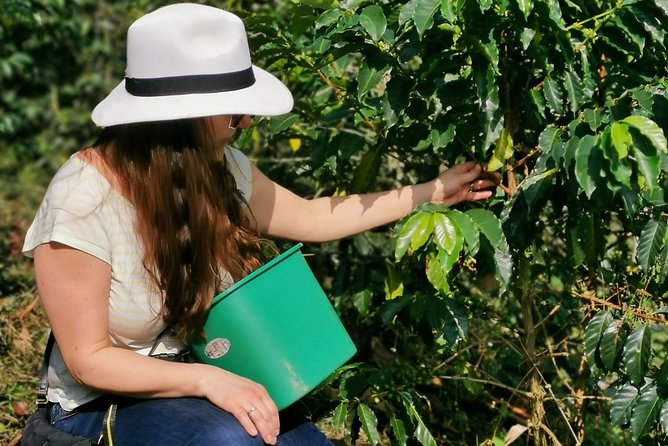
You then head into the plantation to pick coffee berries yourself. The activity is not just a photo opportunity. It lets you see the manual side of coffee production and the care needed to select and handle the fruit.
From coffee berry to four different brews
The farm experience follows the coffee process step by step. After picking, you help process the beans before they are roasted and ground. The exact amount of work you do at each stage may depend on the day’s conditions, but the structure gives you a clear view of how raw fruit becomes a drink.
Rubber boots and traditional coffee harvesting gear are provided for the plantation work. That is practical on a farm, where paths can be muddy or uneven, and it helps you take part without worrying about keeping city shoes clean.
The tasting is one of the strongest parts of the day. You try coffee made with four brewing methods and compare how each device changes the drink. The guide explains how to notice flavor notes and where to place the coffee in your mouth as you taste it.
You do not need to arrive as a coffee expert. The point is not to memorize technical terms. It is to slow down and notice differences in aroma, body, acidity, and finish. Since you have just seen the beans being processed, the tasting feels tied to the farm rather than added as a separate product demonstration.
Alejandro is singled out for his explanations of the coffee industry and the production process. Again, your assigned guide may differ, but the tour is designed around an expert-led lesson rather than a quick sample of brewed coffee.
The farm visit lasts about four hours, including lunch and the coffee activities. That length is useful because coffee production has several stages, yet it also makes this the larger half of the day. If you prefer short stops and lots of landmarks, you may find the farm section too slow. If you like learning how local products are made, the time is well used.
More Comuna 13 walking tours:
- Medellin: Comuna 13 Graffiti Tour, Cable Car & Street Food
★ 4.8 · 9,046 reviews - Medellín: Comuna 13 True Story and Street Food Tour
★ 4.9 · 1,779 reviews - Medellín: Comuna 13 District Tour with Cable Car Ride
★ 4.8 · 1,467 reviews - Medellín: Private City Tour with Metrocable and Comuna 13
★ 4.9 · 330 reviews
The role of the guide and private vehicle
Your guide is the thread connecting two very different places. In Comuna 13, the guide needs to explain sensitive history without turning the neighborhood into a spectacle. At the farm, the guide needs to make the production process clear and help you taste coffee with some purpose.
Daniel is described as friendly, funny, fluent in English, and well connected in Comuna 13. He also took photos during the day and shared them by AirDrop at the end. That is a useful touch if you want pictures of your group without constantly stopping to use your own phone.
Alejandro is praised for his coffee expertise. If coffee is your main reason for booking, it is worth asking about the guide assigned to your date when you reserve, though you should not assume a particular guide is guaranteed.
Private transport removes a major hassle. You travel in an air-conditioned vehicle, and pickup and drop-off are included in El Poblado or Laureles. You are not trying to navigate public transport, arrange a taxi to a rural property, or manage two separate bookings.
The private setup also helps with timing. The two attractions are not treated as isolated half-day tours with a long gap between them. Lunch sits between Comuna 13 and the farm, making the day feel like one planned route.
There is one limit: the included pickup area is specific. If you stay outside El Poblado or Laureles, confirm the meeting point before paying. The provided details do not promise pickup from every part of Medellín.
Fitness, weather, and what to bring
The tour asks for a moderate level of fitness. Comuna 13 is built on a steep hill, and the coffee farm includes plantation walking and hands-on work. The escalators help with the climb, but you should still expect time on your feet.
Wear comfortable shoes that can handle pavement and farm paths. Bring water, sun protection, and clothing that you do not mind wearing around coffee plants and soil. Rubber boots and harvesting gear are supplied for the plantation portion.
Weather matters. The experience requires good conditions, and poor weather can lead to a new date or a full refund. Medellín’s weather can change, so keep your schedule flexible if possible.
Breakfast is not included. Since pickup may begin a full day of activity, eat before departure or arrange breakfast at your accommodation. Lunch is included and comes during the tour, but it does not replace the need for a morning meal.
The tour is private, so only your own group participates. That makes it a better fit for couples, families, or friends who want to ask questions freely and move at their own pace. It can also suit a group with limited time in Medellín because it combines two major kinds of experience in one eight-hour outing.
Is $150 a person good value?
The answer depends on how you would otherwise organize the day. If you booked Comuna 13 and a coffee farm separately, you would need to compare transport, guide quality, admission costs, lunch, and travel time. This tour folds those pieces together.
The strongest value comes from the private vehicle and the full farm program. You are not paying only for a street-art walk and a coffee tasting. You receive transport, lunch, farm access, planting, picking, processing, roasting, grinding, and four brewing methods.
For a solo visitor, $150 is a larger spend. For two or more people, the private format becomes easier to justify, especially if your time in Medellín is short. You are also paying for a day with fewer logistical decisions and a guide who can explain both places in English if assigned to your group.
This is not the right pick if you want a low-cost introduction to Comuna 13 alone. It is also not ideal if coffee is a minor interest and you would rather spend the afternoon in the city. The tour earns its price through depth and convenience, not through a long list of unrelated stops.
Who should book this Medellín day?
I would recommend it to first-time visitors who want more than a standard city-center sightseeing route. You get a clear look at Medellín’s public change, neighborhood art, rural food, and coffee economy in a single day.
It is especially useful if you have limited time. The couple who chose this combination had no room in their schedule for separate visits, and the pairing gave them two very different sides of Antioquia without wasting a day on transport planning.
Coffee fans should pay close attention to the farm section. Picking the fruit and then comparing four brewing methods gives you a better sense of coffee production than a simple café tasting.
Families and small groups may also appreciate the private setup. The day includes visual art, escalators, dancing, food, animals at the farm, planting, and tasting, so it offers more variety than a single museum or walking tour.
I would hesitate to recommend it to anyone with limited mobility or little tolerance for steep walking. The physical demands are moderate, not extreme, but they are part of both major stops. I would also avoid booking it on a day when you need a guaranteed early finish, since the full experience lasts about eight hours.
The tour has a 5.0 rating from 46 reviews, with 100 percent recommending it. That matches the parts I would value most: strong personal guiding, a well-placed lunch, private transport, and a farm visit that lets you take part rather than simply watch.
Should you book it?
Book this tour if you want one carefully planned day that links Comuna 13’s art and social story with the work behind Colombian coffee. It is particularly good for a first visit, a short stay, or a small group willing to pay for private transport and a fuller farm program.
Skip it if you only want street art, need a cheap outing, or would rather keep your day inside Medellín. For everyone else, the combination makes sense: you see the city’s changing face in the morning, eat a regional lunch, then finish by turning coffee fruit into something you can taste and compare.
FAQ
How long does the Comuna 13 and coffee farm tour last?
The tour lasts approximately eight hours. Comuna 13 takes about two hours, and the Sabaneta coffee farm portion takes about four hours, with lunch included between the main activities.
What does the tour cost?
The price is $150 per person.
Is lunch included?
Yes. Lunch is included and is served at the coffee farm before the main coffee activities. Bandeja paisa is part of the meal described for the experience.
Is transportation included?
Yes. The tour includes private transportation in an air-conditioned vehicle, with pickup and drop-off at your accommodation in the El Poblado or Laureles districts.
What will I do at the coffee farm?
You can plant a coffee seed, taste a coffee bean as fruit, pick coffee berries, and follow the beans through processing, roasting, and grinding. You also try coffee prepared with four brewing methods.
Does the tour require a certain fitness level?
Yes. A moderate level of physical fitness is recommended. The day includes steep streets and escalators in Comuna 13, along with walking and hands-on work at the coffee plantation.
Can I cancel for a full refund?
Yes, if you cancel at least 24 hours before the experience begins. Cancellations made less than 24 hours before the start time are not refunded, and poor weather may result in a different date or a full refund.
More Coffee Farm Tours
- Medellin: Coffee Tour with Hotel Transfers and Meals
★ 4.9 · 186 reviews - Medellin: Horseback Riding Coffee Farm Tour with Coffee Spa
★ 4.8 · 151 reviews - Coffee Tour with arrival on horseback and sugar cane processing
★ 5.0 · 90 reviews - Medellin: Coffee Tour, Horseback Arrival, and Sugar Cane
★ 4.7 · 82 reviews
Just added around Medellin
- Comuna 13: Recorrido de Arte Urbano, Cultura y Resiliencia★ 5.0 · 3 reviews
- Tour to Río Claro and La Caverna del Cóndor★ 5.0 · 3 reviews
- Medellin: Tour to The Cathedral – History of Pablo Escobar and his Impact★ 5.0 · 3 reviews
- Medellín: Coffee Tour Experience at a Coffee Farm★ 4.8 · 3 reviews
- Medellin: waterfalls and naturals poolls tour★ 3.7 · 3 reviews
- Medellín: Private City Tour and Comuna 13 Tour★ 3.8 · 3 reviews
- Tour Medellín: Pablo Escobar and Commune 13★ 5.0 · 3 reviews
- Colombia: Official Pablo Escobar Meet the Family Museum Tour★ 5.0 · 3 reviews
Medellín Tours, compared.

Medellin: Comuna 13 Graffiti Tour, Cable Car & Street Food
Read our review →
Medellín: Comuna 13 True Story and Street Food Tour
Read our review →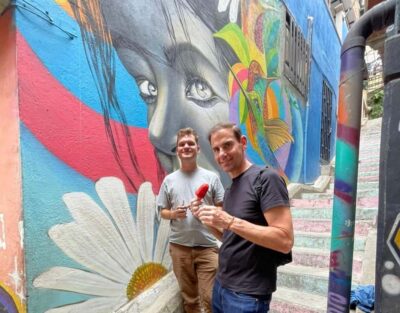
Medellín: Comuna 13 District Tour with Cable Car Ride
Read our review →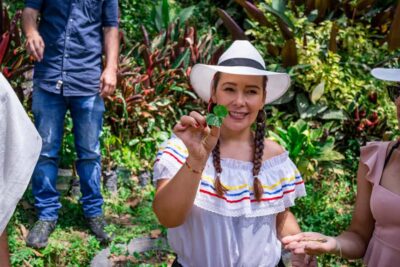
Medellin: Coffee Tour with Transport, Snacks and Tastings
Read our review →
From Medellín: Paragliding Tour with GoPro Photos & Videos
Read our review →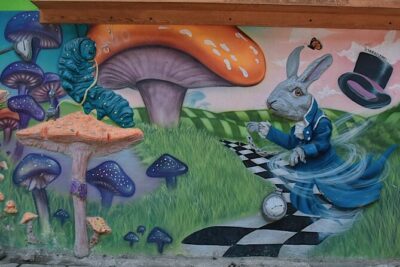
Medellín: Pablo Escobar Tour with beer included
Read our review →Browse the lists this tour appears in