Reviewed · CARTAGENA TOURS
Tour to San Basilio de Palenque – African village
San Basilio de Palenque is not a quick Cartagena side trip for pretty photos. It is a place where the story of freedom, African heritage, language, music, food, boxing, and daily life still meet on ordinary streets. The village was founded by formerly enslaved people and is recognized as the first free town in the Americas.
I like the local guide-led walk, which gives the visit a human voice, and I like the homemade fish with coconut rice and salad. The air-conditioned van and maximum group of 15 also make the long road from Cartagena much easier.
The main drawback is the drive. You spend about three hours on the road in total, and the village visit itself is fairly compact. If you want a relaxed day with lots of free time, this schedule may feel tight.
Key points to know before you book
- The story begins with freedom: Learn how San Basilio de Palenque developed as a settlement founded by people who escaped slavery.
- A local guide leads the village visit: Expect explanations about customs, music, food, the economy, and everyday life.
- Lunch is part of the experience: The meal includes fish, coconut rice, and green salad, with a drink and bottled water included.
- The tour includes living culture: You may see traditional dancing, African-influenced rhythms, local candy making, murals, and boxing connections.
- The group stays small: A maximum of 15 people makes it easier to hear the guide and ask questions.
- Plan on a full half-day: Pickup begins at 8 a.m., and hotel drop-off is scheduled for about 2:30 p.m.
Why San Basilio de Palenque matters
Cartagena’s old city tells one part of Colombia’s past, with colonial walls, churches, and grand plazas. San Basilio de Palenque tells another. Its identity grew from resistance and self-rule, and the village remains closely tied to African traditions brought to the Caribbean coast.
The visit introduces you to the story of the first free American people. Your guide explains how the community formed, how it survived, and how Palenque has changed over time. This is not history presented only through dates and monuments. You see it in the homes, music, food, art, and pride of the people who live there.
Benkos Bioho is central to that story. The village square includes a monument to him, giving the historical account a clear focal point. You get a chance to pause there, hear about his role, and connect the village’s past with the community you are seeing today.
I find this kind of visit worthwhile because it takes you beyond Cartagena’s familiar tourist route. San Basilio de Palenque is not presented as a museum. You visit a living community, and that means you should arrive with respect, curiosity, and a willingness to listen.
A few more Cartagena day trips to weigh up
- Cartagena: Historic Center and Getsemaní Shared Walking Tour
★ 4.9 · 2,716 reviews - Cartagena: Rosario Islands Catamaran with Lunch and Snorkel
★ 4.5 · 2,479 reviews - Full-Day Rosario Islands Including Barú, Bocachica & Playa Blanca
★ 4.0 · 1,729 reviews
The 8 a.m. departure from Cartagena
The day starts with hotel pickup at 8 a.m. You travel in an air-conditioned vehicle, a useful feature in the heat of the Colombian Caribbean. The ride to San Basilio de Palenque takes about 90 minutes each way.
That drive is a real part of the tour, not just a footnote. You leave Cartagena behind and head into a different setting, so the journey gives you time to settle in before the walking begins. Guides such as César and Victor have also provided information about Cartagena during the ride, including suggestions for food and nightlife later in your stay.
The vehicle is especially helpful because the day includes walking outdoors. You will want water, sun protection, and comfortable shoes. Bottled water is included, along with one beverage, but alcohol costs extra and is not part of the package.
The schedule is listed as roughly seven hours, with pickup at 8 a.m. and hotel return around 2:30 p.m. One important point is that the village program can run longer than planned. Keep your afternoon flexible instead of booking a tight lunch reservation, museum visit, or airport transfer immediately afterward.
The native house and the first chapter of the visit
You arrive in Palenque around 9:30 a.m. The first formal stop is the native house, where you spend about 20 minutes learning about the community’s origins, customs, culture, economy, and development.
This short introduction matters because it gives the rest of the walk some meaning. Without it, you might see colorful buildings, murals, and smiling faces without understanding why the village has such a strong sense of identity. The guide sets out the background before you start exploring on foot.
The phrase first free town is not just a marketing line here. It points to the community’s long struggle to live outside colonial control. You should expect the tone to shift between celebration and seriousness, especially when the guide explains why the settlement was created.
The native house is also a good moment to ask questions. If you want more detail about language, family life, music, or local work, ask early. A small group makes these exchanges easier than a large bus tour.
Benkos Bioho in the village square
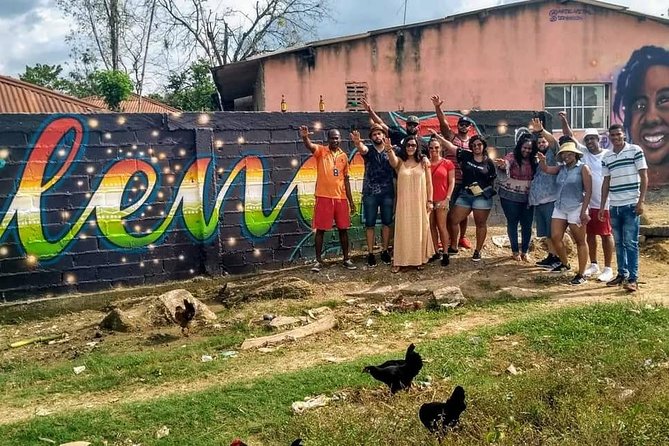
The next stop is the square and the monument to Benkos Bioho. You spend about 15 minutes here, enough time for an explanation and a look around the center of town.
Benkos Bioho represents the struggle behind Palenque’s creation. His monument gives the village a physical reminder of the people who resisted enslavement and built a free community. The stop is brief, but it anchors the tour’s central idea.
Do not expect a long museum-style presentation at the monument. Its value comes from the guide’s explanation and from seeing the figure placed in the middle of the village itself. You are not only hearing about a historical person in the abstract. You are standing in the community connected to that story.
This is one of the places where guide quality matters. César, Victor, Catherine, and Sofia have all been associated with this experience, and the tour may include both a Cartagena-based guide and a local guide from Palenque. The exact guide can vary, but the local perspective is an important part of the day.
Same city, a completely different kind of day:
- Cartagena de Indias: 2-Hour Sunset Cruise
★ 4.7 · 1,105 reviews - 2-hour tour in Cartagena Sunset View in party boat
★ 4.6 · 899 reviews - Cartagena: Guided Street Food Tour with Tastings
★ 4.9 · 833 reviews - Cartagena: City Sightseeing Hop-On Hop-Off Bus Tour & Extras
★ 3.9 · 681 reviews
Walking through homes, murals, and daily life
The walking portion lasts about 45 minutes. You move through the streets, see older palenque houses where people still live, and look at graffiti created by local residents.
This is the point where the village becomes more than a historical stop. The houses are part of present-day Palenque, not preserved scenery. You get a closer look at how the community’s past and current life sit side by side.
The murals add another layer. Local graffiti can show pride, memory, identity, and everyday expression in a way that a formal monument cannot. It also gives you visual details to notice as you walk, rather than keeping the visit focused only on a guide’s speech.
The walking route is not described as difficult, and most people can take part. Still, you will be outside in a warm climate, so wear light clothing and sensible shoes. The tour includes shelter from the sun when needed, but you should not count on the whole visit being shaded.
Some parts of the walk may include extra cultural encounters. The experience has included a visit with an older local woman who makes candy and pastries, with samples available, and a quick boxing lesson. These activities may depend on the day and local availability, so treat them as possible additions rather than guaranteed stops.
The connection with boxing is particularly interesting. Palenque has a strong association with the sport, and a short lesson can make that part of local culture easier to understand. It is a small activity, but it adds movement and humor to a tour that otherwise includes a good deal of historical explanation.
A homemade lunch with fish and coconut rice
Lunch is one of the strongest parts of the day. You sit down at a local restaurant for fish with coconut rice and green salad, prepared by a local cook who won an award for the best cookbook in the world.
The meal is included in the $127 price, along with one beverage and bottled water. Alcohol is available to buy, but it is not included. If food is a major reason you take cultural tours, this lunch adds real value because it connects the village’s story with its cooking.
The menu is simple, but that is part of its appeal. Fish, coconut rice, and salad reflect the coastal setting without turning lunch into a formal culinary show. You get a filling meal in the middle of the day rather than a snack between attractions.
I would judge the price partly on this meal and partly on the transportation. A private or small-group ride from Cartagena, hotel pickup and drop-off, professional and local guides, lunch, drinks, and a seven-hour schedule add up quickly. You are paying more than you would for independent bus transport, but you are also avoiding the work of arranging the route and finding the village on your own.
The price feels strongest for people who value context and convenience. If you only want to walk around Palenque briefly, $127 may seem high. If you want the history explained, lunch handled, and the return trip organized in a small group, the cost is easier to justify.
Music, dancing, and a shared finish
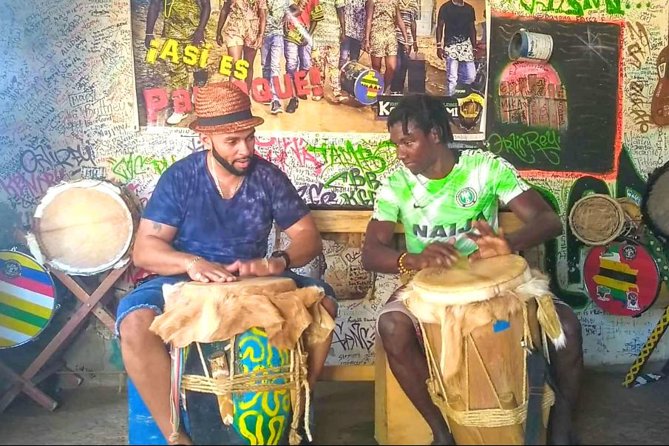
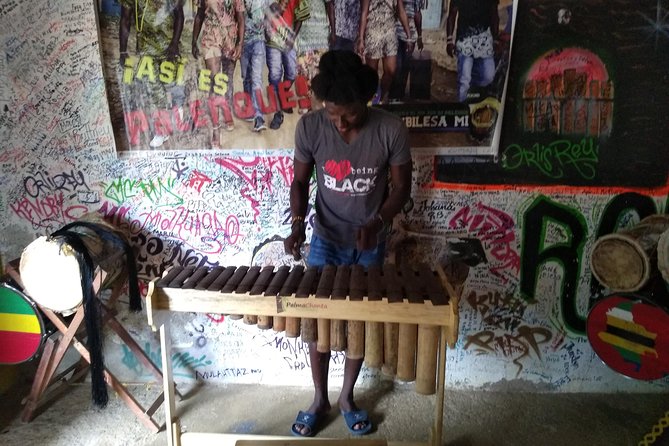
After lunch, the day ends with about 20 minutes of dancing by local residents. You see African-influenced music styles and rhythms, then have a chance to share the moment with the performers.
This is a short finale, not a full evening performance. That distinction matters. You should expect a friendly cultural presentation and a chance to watch or participate, but not a large theater production or a long dance workshop.
The music gives the tour an upbeat finish after the serious history of slavery, escape, and self-rule. It also helps show that Palenque’s culture is not only something from the past. It continues through sound, movement, food, and community gatherings.
Participation should feel optional. You can enjoy the dancing from the side, take photographs when appropriate, or join in if invited. As with any visit to a living community, follow your guide’s advice about photography and show respect for people who are sharing their traditions.
What the guides add to the day
The guide team can include a professional guide from Cartagena and a local guide from San Basilio de Palenque. That combination is useful because the two roles are different.
The Cartagena guide helps with hotel pickup, transportation, timing, and wider context about the region. The local guide explains the village from a closer point of view, including customs, food, music, local life, and community history.
Names connected with this experience include César, Victor, Carlos, Fabian, Catherine, and Sofia. You may not have the same guide on every departure, but the tour has enough staff involvement that the day can include both a road guide and a local history guide.
César is also known for adding practical Cartagena advice during the drive. That can be helpful if you are still deciding where to eat or what to do after the tour. Catherine and Sofia have led the local history portion, giving the village walk a clear structure.
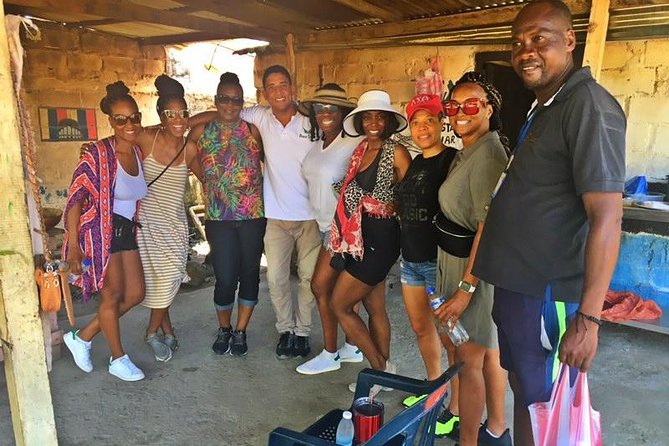
A small group of no more than 15 people is another advantage. You have a better chance of hearing the explanation at the square, asking questions at the native house, and staying connected during the walk. It also makes hotel pickup and lunch less cumbersome than a large coach tour.
The drive back and the practical trade-offs
The return trip takes about 90 minutes. Hotel drop-off is planned for around 2:30 p.m., so this is not a late-night activity, but it does occupy most of your day.
The schedule works well if you are staying in Cartagena for several days. You can visit the old city, beaches, museums, or nearby islands on other days, then reserve this outing for a focused look at Afro-Colombian history and culture.
It is less suitable if your Cartagena visit is very short or if you have a cruise departure, flight, or fixed afternoon appointment. The tour can run a little longer than planned, so leave extra time around the return.
Children can participate but must be accompanied by an adult. Most people can take part, and the activity is near public transportation, though hotel pickup and drop-off are included. Confirmation is received at booking, and the tour requires a minimum number of participants. If that minimum is not met, you are offered another date or experience, or a full refund.
You can cancel for a full refund if you do so at least 24 hours before the start time. Changes or cancellations inside that window are not accepted for a refund.
Who should book this Palenque tour
I would recommend this outing to you if you want more than Cartagena’s colonial center and beach clubs. It suits people who care about African diaspora history, local food, music, and meeting a community through its own stories.
It is also a good choice if you prefer an organized day. You do not need to sort out the road journey, lunch, guides, or return transport. The air-conditioned vehicle is a practical comfort, and the small group keeps the experience more personal.
Families can take part with an adult. The candy making, music, dancing, and boxing connection may give younger visitors something active to enjoy, while the historical explanation gives the day substance.
I would hesitate if you dislike long drives, warm-weather walking, or tours with a fixed schedule. You also should not book it expecting a quiet day of independent wandering. The experience is guided from beginning to end, with about 45 minutes for the main street walk and short stops at the major sites.
Should you book San Basilio de Palenque?
Book this tour if you want to understand a side of Cartagena that you will not find by staying inside the old city walls. The strongest reasons are the local guide, the clear story of freedom and resistance, the home-style fish lunch, and the chance to see music, dance, candy making, murals, and boxing as parts of one community.
At $127 per person, it is not the cheapest day trip from Cartagena. But hotel pickup, air-conditioned transport, lunch, drinks, bottled water, professional support, a local guide, and a maximum group of 15 make the cost reasonable for a full cultural outing.
Give yourself a flexible afternoon after returning. If you can spare the time and want a direct connection with Afro-Colombian culture, San Basilio de Palenque is one of the most worthwhile additions to a Cartagena stay.
FAQ
How long does the San Basilio de Palenque tour last?
The experience lasts approximately seven hours. Pickup starts at 8 a.m., arrival in Palenque is scheduled for about 9:30 a.m., and hotel drop-off in Cartagena is planned for around 2:30 p.m.
How much does the tour cost?
The price is $127 per person. Lunch, one beverage, bottled water, hotel pickup and drop-off, a professional guide, and a local guide are included.
What food is served for lunch?
Lunch includes fish with coconut rice and green salad at a local restaurant. Alcoholic drinks are not included but can be purchased.
How many people can join the tour?
The maximum group size is 15 people. This keeps the walking portion smaller and gives you more opportunity to hear the guides and ask questions.
Is hotel pickup included?
Yes. Hotel pickup and drop-off in Cartagena are included. The scheduled start time is 8 a.m.
Can I cancel for a full refund?
Yes. You can cancel at least 24 hours before the experience starts for a full refund. Cancellations or changes made less than 24 hours before the start time are not refunded or accepted.
Just added around Cartagena
- Cartagena: Ecoplan on Barú, Aviary and Oceanarium in one day★ 3.3 · 3 reviews
- CARTAGENA, EXCLUSIVE launch for Rosario and Baru Islands★ 5.0 · 3 reviews
- Cartagena: Day Tour to Tierra Bomba Island★ 3.2 · 3 reviews
- photo session through the streets of cartagena★ 5.0 · 3 reviews
- Cartagena Coffee Masterclass: Artisanal Roasting and Brewing★ 5.0 · 3 reviews
- FULL DAY BARRANQUILLA AND SANTA MARTA 1 DAY from Cartagena★ 4.0 · 3 reviews
- Cartagena: Cholon Island Boat PARTY with DJ and Lunch★ 3.7 · 3 reviews
- Cartagena: Basic Diving for beginners in Rosario Islands★ 3.4 · 3 reviews
Cartagena Tours, compared.
Cartagena: Historic Center and Getsemaní Shared Walking Tour
Read our review →
Cartagena: Rosario Islands Catamaran with Lunch and Snorkel
Read our review →
Full-Day Rosario Islands Including Barú, Bocachica & Playa Blanca
Read our review →
Cartagena: Guided Street Food Tour with Tastings
Read our review →
Cartagena: Panoramic City Tour, Monuments, Walls, Castle
Read our review →