
Reviewed · SANTA MARTA TOURS
A Pearl In The Caribbean-walking tour in English
Santa Marta’s past comes alive through goldwork, pirate tales, independence stories, local gossip, and the city’s slightly spooky legends. This two-hour walk with Javier links the main sights of the old center with the everyday places that give the city its character.
I like the free museum entry and the final fruit tasting, two small touches that make the $16 price feel especially fair. I also like the practical food and nightlife advice, since Javier points you toward places you can return to after the walk. The main thing to consider is the heat: this is a walking tour in a hot Caribbean city, and water is not included.
Key points to know before booking
- Tairona gold and indigenous art: Begin inside the Casa de la Aduana, home to the Tairona Gold Museum.
- History with local stories: Javier connects pre-Hispanic life, Colombian independence, pirate attacks, religion, and local superstitions.
- A useful city orientation: The route covers Bolívar Square, San Francisco Square, Cathedral Square, Lover’s Park, and the juice stalls.
- Food advice included: You get recommendations for typical dishes, restaurants, local businesses, and fruit drinks.
- A true English-language walk: The tour is offered only in English, with Javier praised for clear communication and a patient manner.
- Good value at $16: Museum admission, a guide, and fruit tasting are included, while water and drinks cost extra.
Starting with Tairona gold at Casa de la Aduana
Meet at the Tairona Gold Museum, also called Casa de la Aduana, in Santa Marta’s historic center. The building is a white Spanish colonial house facing the bay and Simon Bolívar Square, so it should be easy to recognize. Javier wears his guide accreditation and carries a black backpack.
The museum gives the walk a strong opening. Instead of beginning with a quick photo stop, you first get a look at pre-Hispanic and modern indigenous art. The gold pieces are the obvious draw, but the wider conversation about the Tairona people matters just as much.
Javier explains who the Tairona were and why their society disappeared. That gives the rest of the walk a useful frame. You are not simply looking at attractive objects. You are considering the cultures that existed in this region before Spanish rule, and how their story fits into Santa Marta today.
Entry to the museum is included, which is a real benefit at this price. If you have only a short time in town, this opening visit helps you place Santa Marta within the wider story of Colombia’s Caribbean coast. The museum portion is also a welcome break from the sun before the walking route continues.
More walking tours in Santa Marta:
- Santa Marta: Guided Walking Food Experience
★ 4.8 · 33 reviews - Cartagena: Historic Center and Getsemaní Shared Walking Tour
★ 4.9 · 2,716 reviews - Bogotá: Guided La Candelaria Walking Tour
★ 4.8 · 1,229 reviews
Bolívar Square and the many layers of Santa Marta
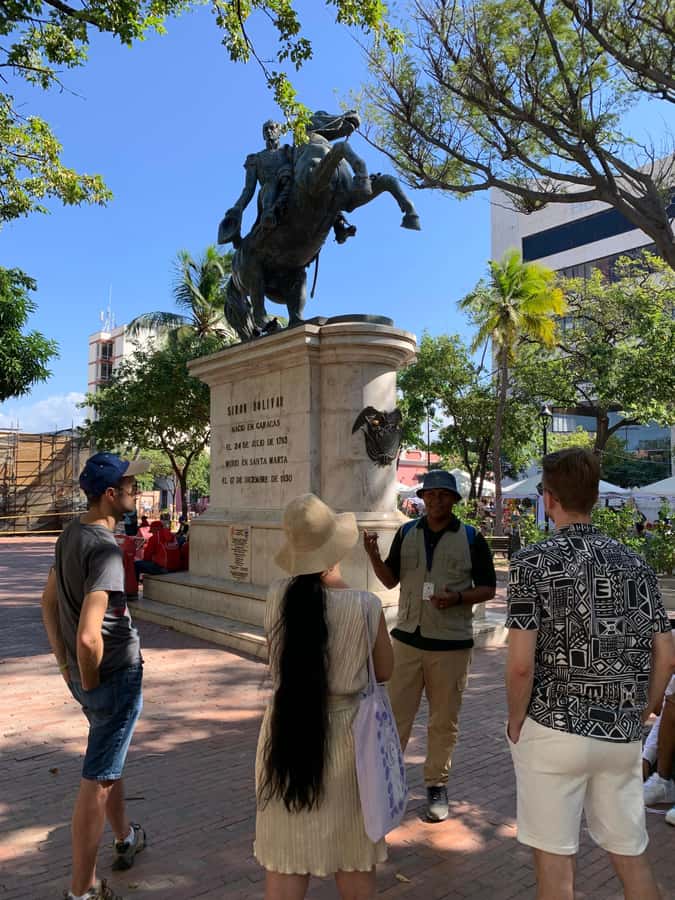
From the museum, the route moves to Plaza Bolívar. Simon Bolívar appears in public spaces throughout Colombia, and this square is a good place to explain why. Here, the tour shifts from indigenous history to the independence period and the making of modern Colombia.
The stop also covers architecture, sculptures, and the square’s place in city life. The value is in the connections. You hear about the country’s independence, then look around at the buildings and monuments that give those national events a local setting.
I like this kind of explanation because a guide can make a familiar square more useful than a quick photograph. On your own, you might pass through without understanding why the name appears everywhere. With Javier, the square becomes a bridge between Santa Marta’s older past and Colombia’s political story.
Expect a guided walk rather than a long formal lecture. The strongest descriptions of Javier’s style point to clear storytelling, humor, and a willingness to answer questions. That matters on a short tour, since the difference between a dry list of dates and a memorable story is often the guide.
San Francisco Square and everyday Santa Marta
San Francisco Square brings you closer to daily life. Here you can watch the local economy at work, including the informal ways people earn money, known in Colombian slang as rebusque. This is one of the more useful parts of the route because it takes you beyond the postcard version of the city.
You will see a place shaped by commerce, movement, and ordinary routines. The tour does not treat Santa Marta’s center as a museum frozen in time. It shows how old squares continue to function as part of the city.
Javier also discusses pirate attacks and their connection with Catholic religion in the Caribbean. That combination of coastal danger, faith, and local memory gives the square a different feel from Bolívar Square. The stories are historical, but they also explain why certain religious traditions and public spaces remain important.
This stop may suit you especially well if you want a sense of local life, not just a list of monuments. It is less polished than a formal attraction, and that is part of its value. Keep your attention on the guide and the surroundings, since this is an active urban area rather than a quiet gallery.
Cathedral Square, faith, and spooky local tales
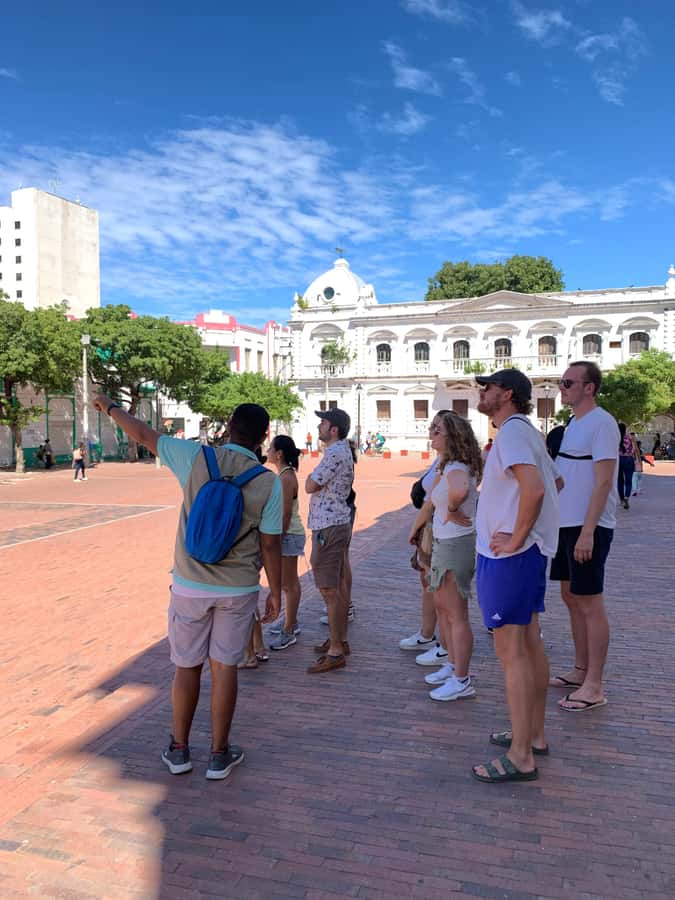
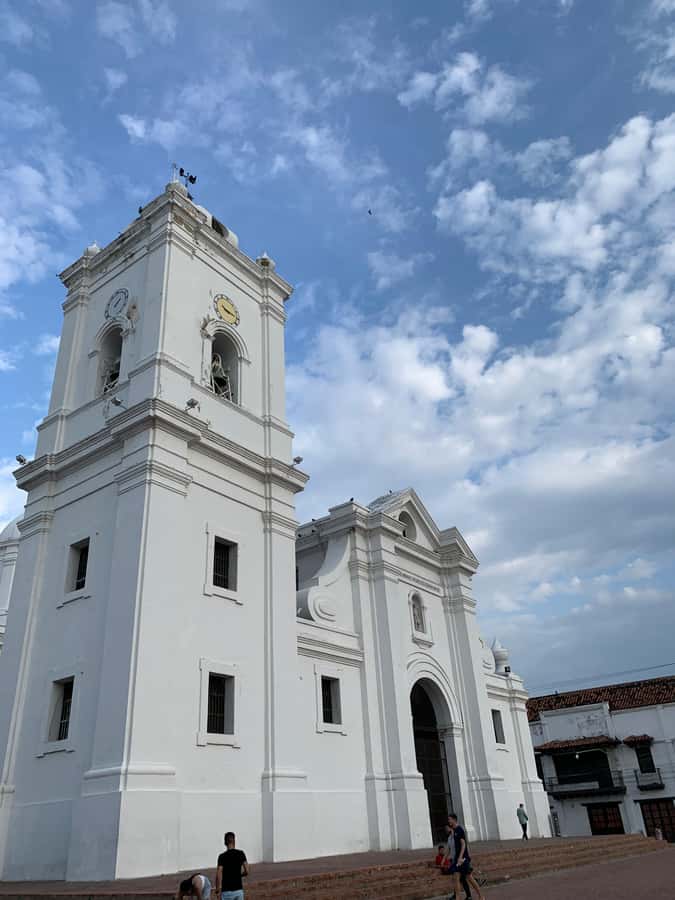
At Cathedral Square, Javier talks about Santa Marta’s religious customs and the superstitions associated with the city. The church is presented as the mother of all churches in Colombia, and the square offers one of the route’s best chances to look closely at the city’s built heritage.
The architecture reflects Arab, colonial, and Renaissance influences. That mix makes the stop especially good for photographs, so have your camera ready. The tour uses the building and square as a starting point for stories about faith, local beliefs, and the ways residents explain the unusual or unsettling.
I like the balance here. You get formal religious history, but also the chisme, or local gossip, that helps a place feel human. Javier’s storytelling includes heroes, villains, customs, and superstitions rather than presenting Santa Marta as a spotless collection of pretty buildings.
The cathedral stop is also where the food advice becomes practical. Javier recommends typical local dishes and restaurants, helping you decide what to eat later. Since food is not included beyond the fruit tasting, these suggestions are useful for turning a short walking tour into a better stay in Santa Marta.
A few more Santa Marta day trips to weigh up
- Santa Marta: Sailboat day tour to Tayrona Park
★ 4.5 · 352 reviews - From Santa Marta: Tayrona National Park Guided Tour
★ 3.8 · 131 reviews - Tayrona Bay Sailboat trip
★ 4.5 · 107 reviews - Santa Marta: Minca Coffee, Cocoa, & Waterfall Full-Day Trip
★ 4.6 · 102 reviews
Food advice that continues after the tour
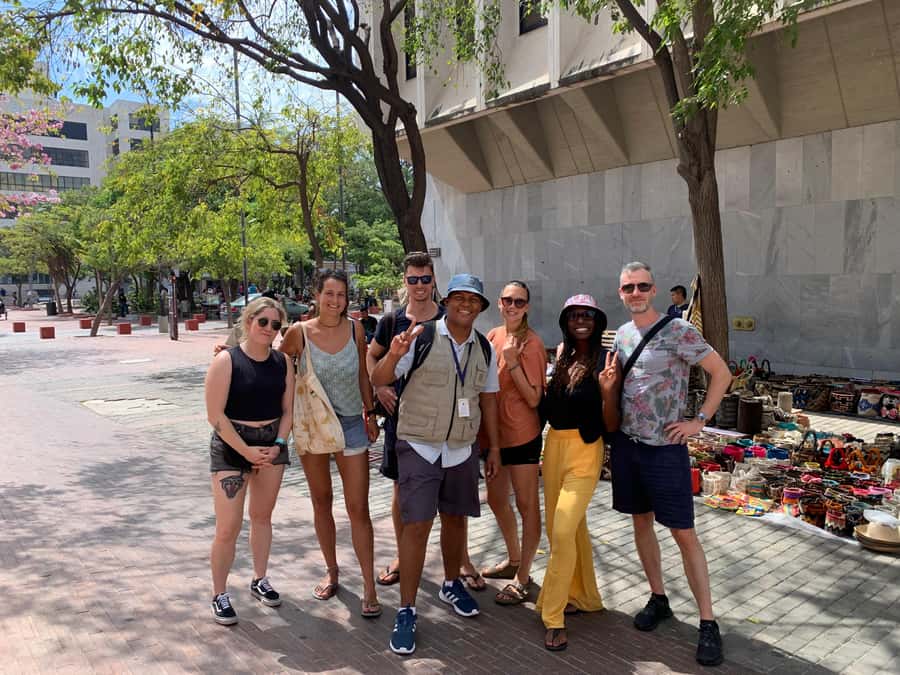
This is not a food tour in the usual sense, so you should not book it expecting several full tastings. The main food value comes from recommendations and the chance to ask questions about typical dishes and places to eat.
That can be more useful than a fixed meal. You get to choose what fits your budget and appetite later, and you can return to a restaurant or food area after you understand what you are ordering. Javier’s local knowledge is particularly helpful here because the tour connects food with the city’s history and habits.
The route also includes a taste of local fruit at the end. If you like trying unfamiliar produce, this is a nice way to finish. Previous groups have enjoyed combinations such as lulo with orange juice and coconut water, but the description promises a fruit tasting rather than a specific drink, so the exact option can vary.
Bring a little extra money if you want to buy a natural juice. Juice and other drinks are not included, and water is also your responsibility.
Lover’s Park after dark
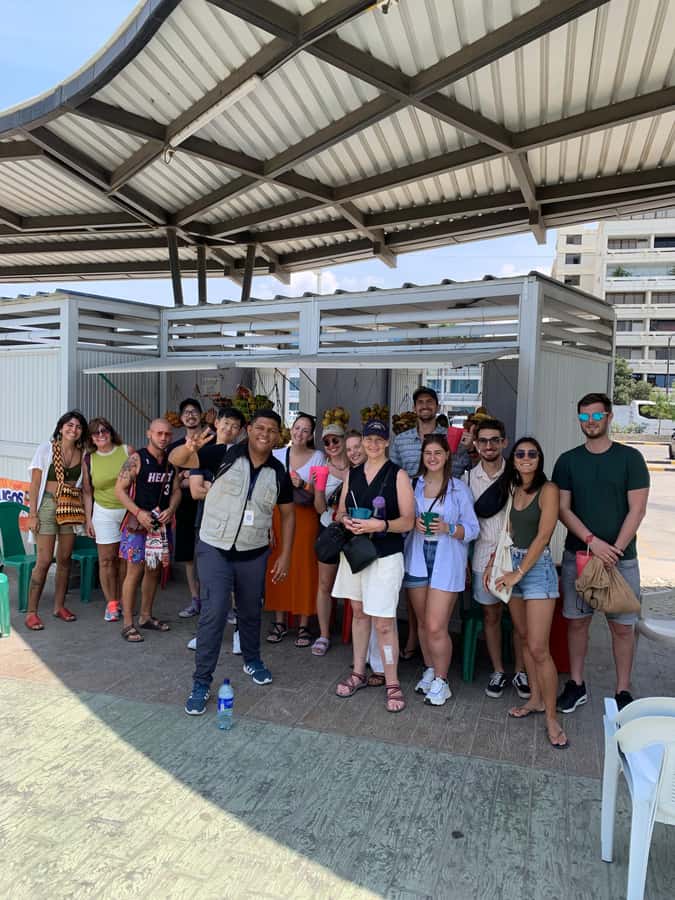
Parque de los Novios, or Lover’s Park, is presented as Santa Marta’s main downtown nightlife area. The stop explains where to go for an evening with friends or a romantic night out.
The park works well in the sequence because it shifts the focus from the past to the city you can experience after sunset. You learn which part of downtown has a social feel, then receive ideas for continuing your evening once the tour ends.
Do not expect an organized nightlife activity or a drink included in the price. This is an orientation stop and a chance to hear local advice. It is most valuable early in your visit, when you still need to work out where to eat, walk, and spend your evening.
If you are staying in Santa Marta for more than one night, pay attention here and ask questions. The guide can help you make better use of your time, though the exact recommendations may depend on current conditions and your own interests.
Finishing with Caribbean fruit at the juice stalls
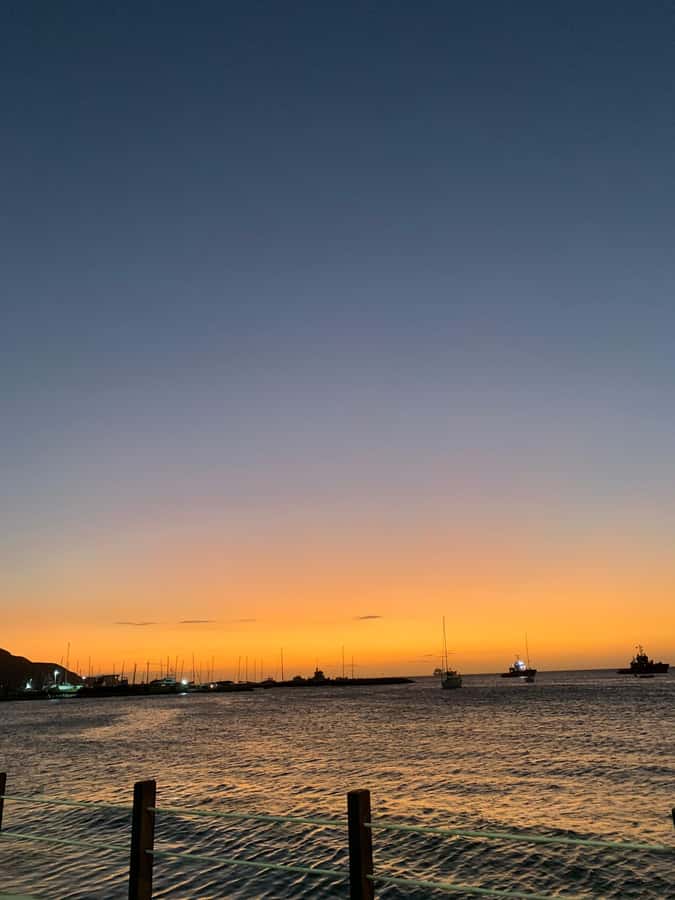
The tour ends at Plazoleta de Jugos Santa Marta, the juice area. This final stop focuses on fruits found along Colombia’s Caribbean coast, with explanations that are described as a small fruit class.
You taste one fruit, and you can buy a 100 percent natural juice afterward if you wish. The tasting gives the walk a pleasant sensory finish, especially after two hours of history and city streets. It also encourages you to try something unfamiliar rather than ordering the same drink you already know.
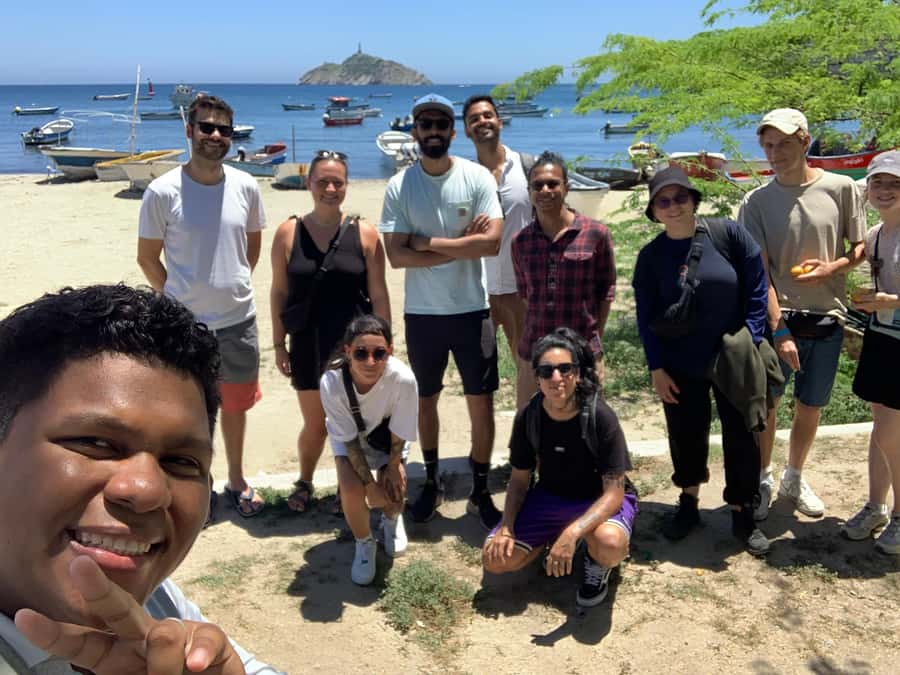
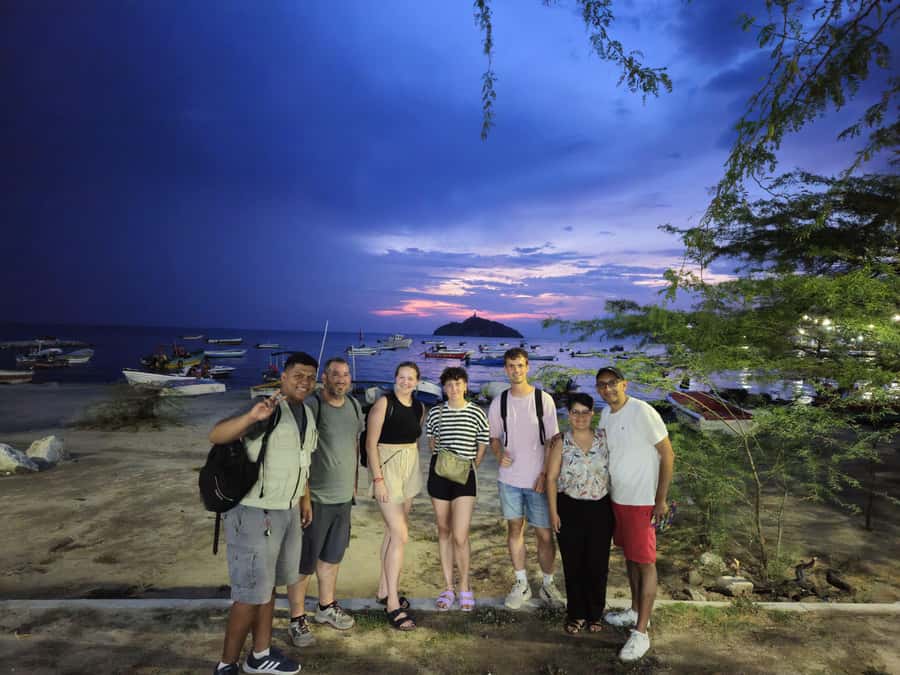
Timing can add to the appeal. The route includes sunset, and one person described enjoying the juices with a beautiful sunset. Since the exact start time depends on availability, check the schedule when booking if evening light is important to you.
The final stop is simple, but it is one of the details that makes this walk feel local. You are not ending at a generic souvenir shop. You finish with fruit, vendors, and a chance to stay in the area for a drink.
How Javier handles the walk
The guide is a major part of this experience. Javier is also called Javi, and some information refers to him as Xavier, but the guide described for the tour is Javier. His strengths are storytelling, humor, patience, and an easy way of answering questions.
He speaks English, and the tour is available only in English. This is worth taking seriously if you are comparing it with bilingual options. The English is intended to be clear enough for English-speaking visitors, and the guide’s patient approach helps if you need a point explained again.
The best fit is a small or moderate group that enjoys conversation. You can ask about history, food, local customs, safety, and places to visit later. The experience is less suited to someone who wants a silent, fast-paced march from one landmark to the next.
The tour also has a welcome sense of honesty. It presents Santa Marta’s attractive squares and old buildings, but it also discusses darker parts of the past and the practical realities of local life. That balance gives you a more useful picture of the city.
Is two hours enough for Santa Marta?
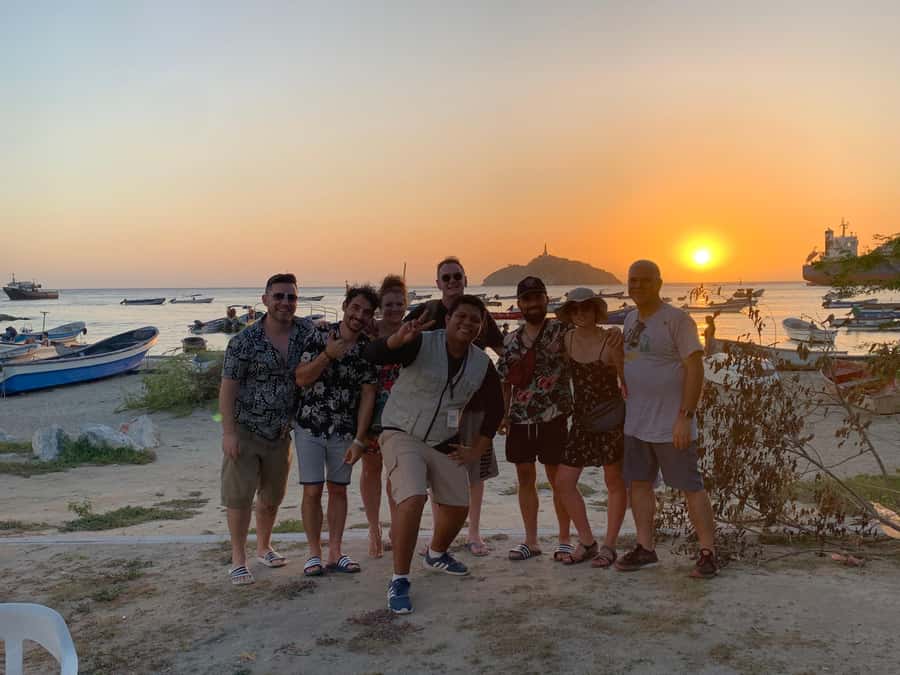
Two hours is enough for an introduction, not a complete study of the city. The route covers several central places, but each stop receives a focused explanation rather than an extended visit.
That short length is an advantage if you have limited time, are arriving in Santa Marta, or want a first orientation before exploring alone. It also leaves room afterward for lunch, the beach, a museum visit, or an evening around Lover’s Park.
The tradeoff is pace. You will walk between stops, listen outdoors, and cover several themes in a compact period. If you want long museum viewing time or detailed architectural analysis, you may prefer to return to certain places on your own.
I would schedule this near the start of a Santa Marta stay. The food tips, nightlife suggestions, and city overview can shape the rest of your plans. An evening booking may add sunset and a cooler finish, but availability controls the start time.
Price, comfort, and what to bring
At $16 per person, the tour offers solid value. The fee covers the English-speaking local guide, free entry to the Tairona Gold Museum, and fruit tasting. You are paying for interpretation and orientation, not just access to places you could walk past alone.
Water, juice, and anything else not named are excluded. Bring water, sun protection, comfortable walking shoes, and a small amount of cash for a juice or extra food. Santa Marta is hot, and the walk includes outdoor time, although Javier has been attentive about helping groups stay cool.
Free cancellation is available up to 24 hours before the tour for a full refund. You can also reserve now and pay later, which helps if your Colombian plans are still changing. Use a working phone number in your booking because tour information is sent through WhatsApp.
Who should book this Santa Marta walk?
I would choose this tour if you want a friendly introduction to Santa Marta with history, local stories, food advice, and a small tasting. It suits first-time visitors, English speakers, couples looking for evening ideas, and anyone who prefers a guide who can explain what you are seeing.
It is also a good choice for independent travelers who plan to explore alone but want a local briefing first. Javier can point you toward food and drinks, explain customs, and give the center more meaning than a map alone.
I would think twice if you dislike walking in heat, want a full meal, or prefer a tour devoted to only one subject. The experience moves between several themes, from Tairona gold to nightlife, so its strength is range rather than intense detail at a single site.
Should you book A Pearl in the Caribbean?
Yes, if you want a low-cost, two-hour introduction to Santa Marta that feels personal and useful. Javier’s storytelling is the main reason to choose it, while the museum entry and fruit tasting strengthen the value.
Book it early in your stay, and consider an evening time if you want the sunset finish. Bring water, ask questions, and keep your plans open for the restaurants and nightlife spots discussed along the way. If you want a polished sightseeing circuit with little local texture, choose something else. If you want history, legends, food pointers, and a taste of everyday Santa Marta, this is a smart first walk.
FAQ
Where does the tour begin?
It begins at Museo del Oro Tairona, also known as Casa de la Aduana, in Santa Marta’s historic center. The white Spanish colonial building is in front of Simon Bolívar Square and faces the bay.
Where does the tour finish?
The walk finishes at Plazoleta de Jugos Santa Marta, the city’s juice area.
How long does the walking tour last?
The tour lasts two hours.
What language is the tour offered in?
The tour is available only in English.
Is museum admission included?
Yes. Free entrance to the Tairona Gold Museum is included.
Is fruit tasting included?
Yes. A fruit tasting is included. You can buy a natural juice afterward, but drinks are not included.
Is water included?
No. Water, juice, and anything else not specifically listed are not included.
Who leads the tour?
The tour is led by Javier, also called Javi in the tour information. He wears his guide accreditation and carries a black backpack at the meeting point.
Can I cancel for a full refund?
Yes. You can cancel up to 24 hours before the activity for a full refund. You can also reserve now and pay later.
Just added around Santa Marta
- Diving Santa Marta & Tayrona for Certified Divers (2 tanks)★ 3.9 · 3 reviews
- Minca, Marinka Waterfall & Hostel Sierra Minca★ 4.7 · 3 reviews
- Santa Marta: Museum of the Sea and Playa Blanca Beach Tour★ 4.8 · 3 reviews
- Palomino: Private Tour to Tungueka Indigenous Village★ 3.7 · 3 reviews
- Tour to Punta Gallinas with Cabo de la Vela 3 Days★ 3.3 · 4 reviews
- Tayrona Park & Playa Cristal★ 3.8 · 4 reviews
- SANTAMARTA: TOUR Remanso, Taganga, Playa Grande Lunch and Snorkeling Included★ 3.5 · 4 reviews
- Avistamiento de aves en Minca Sierra Nevada de Santa Marta★ 5.0 · 4 reviews
Santa Marta Tours, compared.
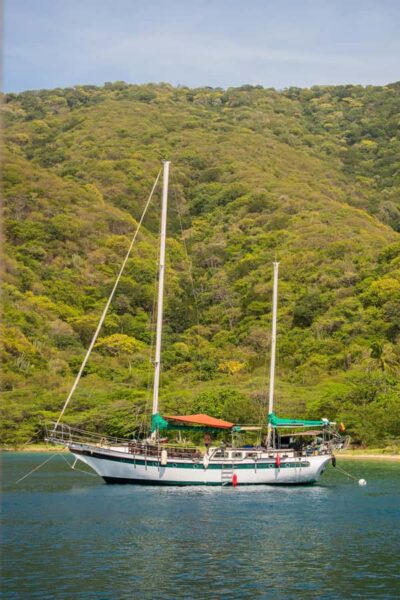

From Santa Marta: Tayrona National Park Guided Tour
Read our review →
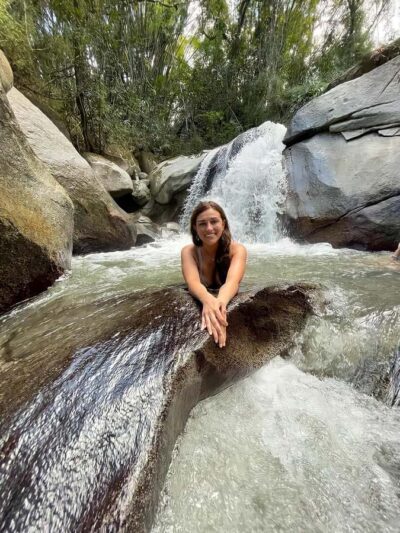
Santa Marta: Minca Coffee, Cocoa, & Waterfall Full-Day Trip
Read our review →
From Santa Marta: Sunset Sailboat Tour with 2 Beverages
Read our review →

Santa Marta: Sailing Tour to Tayrona Park with Luis’ Team
Read our review →
Browse the lists this tour appears in