
Reviewed · SANTA MARTA TOURS
Santa Marta: Multi-Day Trek to The Lost City
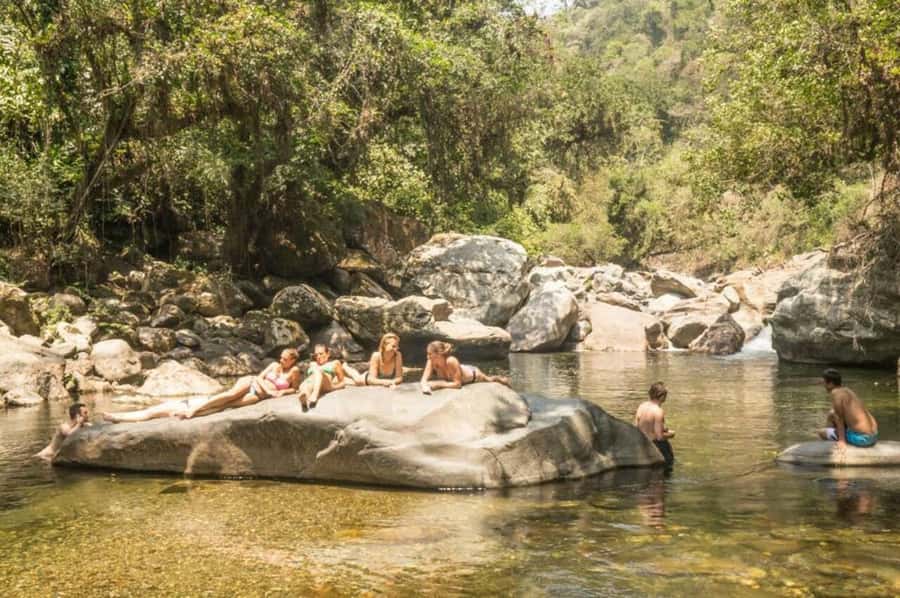
The main event is a jungle trail leading to Ciudad Perdida, an ancient Tayrona site reached by climbing 1,200 stone steps. I like the natural swimming pools and river crossings, and I like that your guide explains local flora, wildlife, and indigenous traditions rather than simply marching you to the ruins. The catch is simple: this is a hard trek, not a casual hike.
I also like the choice of a 4, 5, or 6-day pace, plus jungle camps with mosquito nets, meals, purified water, and luggage storage. Guide teams may include people such as Arghenith, Francisco, Emilie, Miguel, or Coco, with English support available. The long, humid climbs, slippery mud, and basic sleeping arrangements will test you.
Key points to know before you go
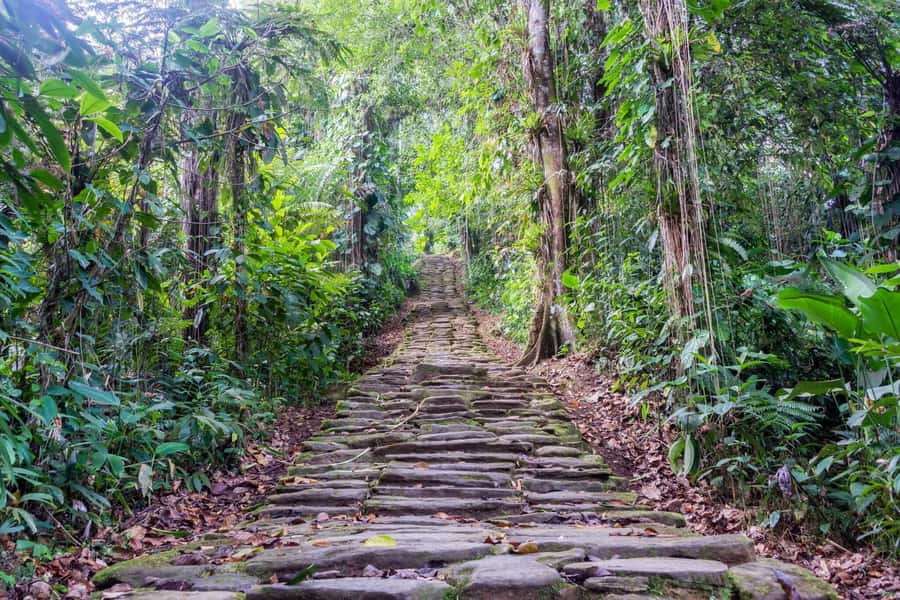
- The Lost City sits above 1,200 stone steps: The final climb is steep, uneven, and physically demanding.
- Choose your pace: Four days is the fastest option, while five and six days give you more time beside rivers and in indigenous areas.
- Expect real jungle conditions: Temperatures run around 26 to 32 C by day, with cooler nights, mosquitoes, rain, mud, and stream crossings.
- Sleep simply but safely: Camps provide hammocks or beds with mosquito nets, electricity, toilets, and showers.
- Small groups matter: The tour is limited to 15 people, useful on a narrow trail and during the archaeological visit.
- Your fare supports local communities: Accommodation and food are run by communities in the region, and part of the cost supports indigenous development.
Why the Lost City trek is worth the effort
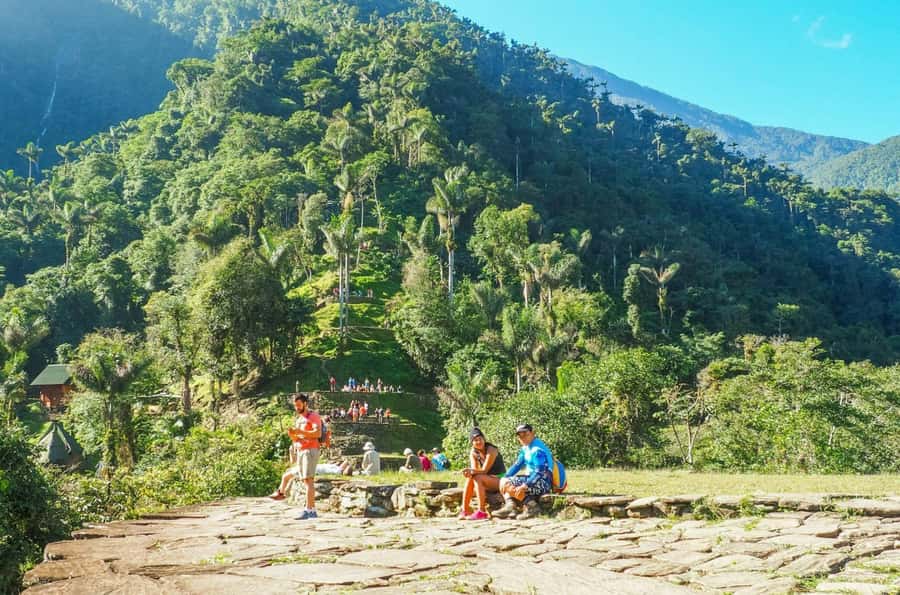
The Lost City is not a ruin you reach by road, cable car, or short paved walk. You earn it over several days in Colombia’s Sierra Nevada, following old routes through thick jungle and across rivers. The archaeological site is believed to have been founded around 800 CE, roughly 650 years before Machu Picchu.
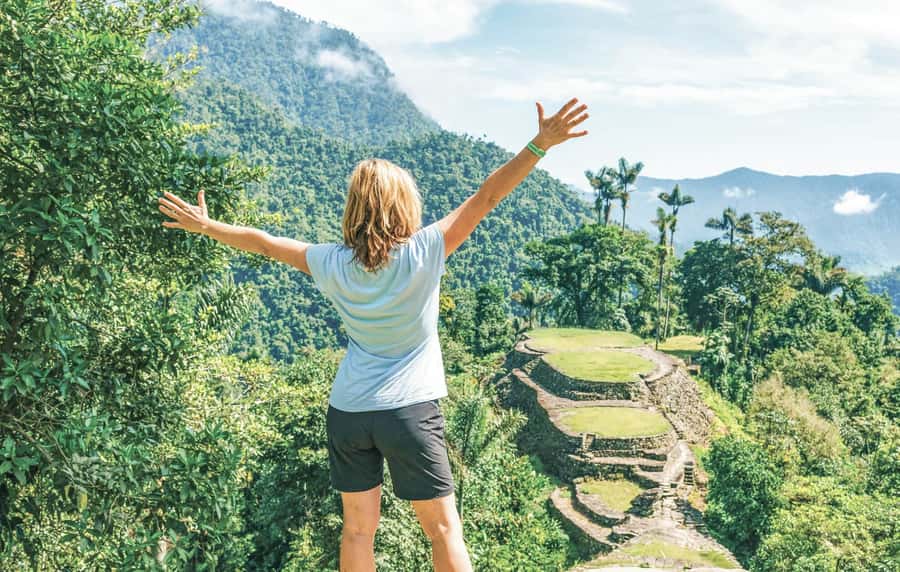
At the top, your guide leads you through 169 stone terraces, tiled paths, and small circular plazas. The setting is a big part of the appeal. Jungle surrounds the site, and the remains feel connected to the mountains rather than separated from them behind a fence.
I like the fact that the route gives you time to understand the place. Guides explain Tayrona traditions, local plants, animals, and the cultures of the Wiwa and Kogui people. On some departures, indigenous guides and interpreters add useful context, and names such as Francisco and Emilie have been praised for their care and cultural explanations.
This is also a demanding trip. You walk for several hours each day, often in heat and humidity, with uphill sections, downhill sections, slippery ground, and wet crossings. One day on the four or five-day route covers about 14.7 kilometers in seven hours. You need more than enthusiasm and a camera.
A few more Santa Marta day trips to weigh up
- Tayrona Park Hike And Beach Day
★ 5.0 · 91 reviews - Guided Hiking through Tayrona National Park and Cabo San Juan
★ 4.5 · 73 reviews - Trekking History and Indigenous Heritage in Minca + Cacao & Coffee + Waterfall
★ 4.9 · 63 reviews
Choosing four, five, or six days
The four-day trek is the quickest way to see the Lost City. It suits you if you have limited time and are fit enough to handle long walking days. You still get the main route, the indigenous villages, the river stops, the archaeological site, and the return to Santa Marta, but there is little spare time for rest.
The five-day option breaks up the return journey. After visiting the Lost City, you spend extra time at a jungle camp before the final walk to El Mamey. This makes the trip less compressed and gives you a quieter afternoon to rest, enjoy the views, and talk with the group.
The six-day route spreads the approach over more days. Day two includes only about three hours of walking on relatively smooth ground, with time at an indigenous reserve and beside the river. Day three takes around five hours, including some ups and downs, before you reach the next camp.
I would choose six days if you want the cultural side of the trip and prefer a gentler rhythm. It does not remove the hard climb to the Lost City, but it reduces the sense of rushing. Choose four days only if your schedule demands it and you are comfortable with sustained exertion. Five days is the useful middle ground.
Day one: El Mamey, Las Tres Cruces, and the first camp
The day starts at about 9:30 AM with a roughly three-hour ride in a 4WD vehicle from Santa Marta to El Mamey. This is a practical transfer, not a sightseeing drive. The road and vehicle can feel cramped, especially with a full group, so keep your expectations modest.
At El Mamey, you eat lunch and begin walking. The first day covers about 7.6 kilometers over roughly four hours. Compared with later sections, it is a fairly smooth introduction, but you are already dealing with heat, humidity, and a loaded daypack.
Las Tres Cruces provides a useful pause for fruit and a snack. Later, natural pools and waterfalls give you a chance to cool off. Bring swimwear and a small towel where you can reach them easily. These water stops are not just pleasant extras. They break up the walking and help you manage the tropical heat.
You arrive at the first camp late in the afternoon for dinner and sleep. The camps use hammocks or beds with mosquito nets. Electricity, toilets, and showers are available, but this remains basic jungle accommodation. Pack flip-flops for the shower area and keep your dry clothes protected from rain.
Day two: Buritaca River and the Kogui village of Mutanyi
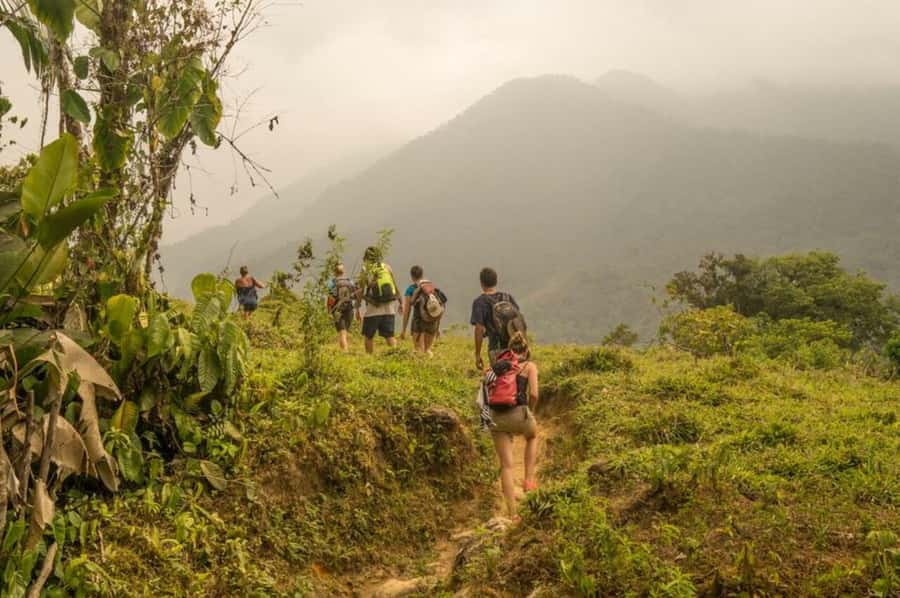
On the four and five-day routes, day two is one of the longest. After an early breakfast, you walk toward the Wiwa camp beside the Buritaca River. A riverside bath and lunch offer a welcome break before the trail becomes more strenuous.
You then continue through the jungle toward Mutanyi, a small Kogui indigenous village made up of several homes. This section helps explain why the trek is more than a walk to an archaeological site. You are passing through territory still connected to indigenous communities, not simply crossing an empty wilderness.
The day totals about seven hours and 14.7 kilometers, with substantial uphill walking and some descents. Take the guide’s pacing seriously. Drink regularly, use sunscreen, and keep your rain gear handy even when the morning is clear.
On the six-day route, this day is deliberately easier. You spend time at an indigenous reserve learning about Wiwa and Kogui culture, with only around three hours of walking on relatively smooth ground. That slower version is one of the best reasons to pick six days.
Same city, a completely different kind of day:
- Santa Marta: Sailboat day tour to Tayrona Park
★ 4.5 · 352 reviews - From Santa Marta: Tayrona National Park Guided Tour
★ 3.8 · 131 reviews - Tayrona Bay Sailboat trip
★ 4.5 · 107 reviews - Santa Marta: Minca Coffee, Cocoa, & Waterfall Full-Day Trip
★ 4.6 · 102 reviews
Day three: Rivers, jungle life, and the approach
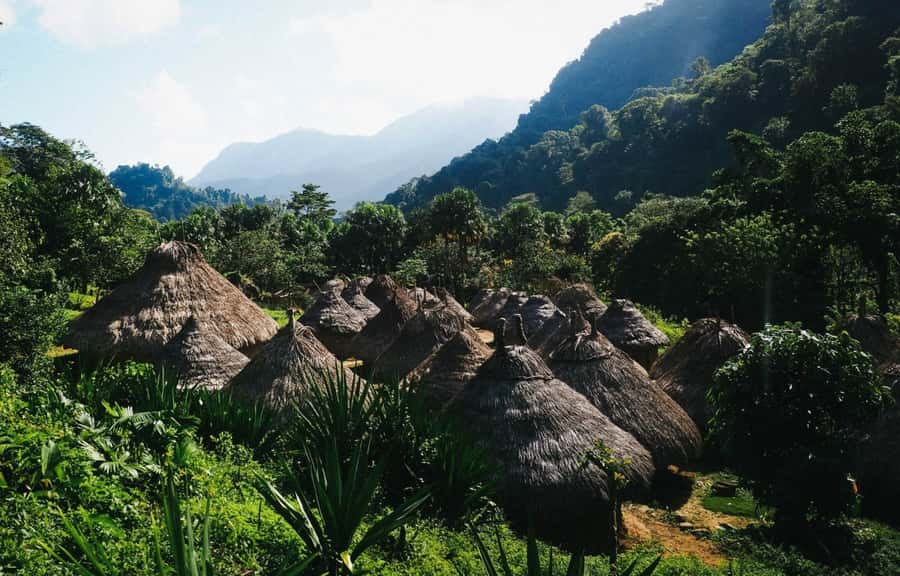
The four and five-day itineraries use day three to reach the Lost City early, while the six-day route approaches more gradually. On the longer version, you descend toward the Buritaca River valley after breakfast and pass the homes of Mutanyi.
Expect several ups and downs, river bathing, and stops to learn about local plants and animals. The walking takes about five hours. At night, guides may share stories and explain more about the route and the communities living in the Sierra Nevada.
On the four-day schedule, you tackle the archaeological site very early on day three. You climb the 1,200 stone steps built by the Tayrona people, then spend the morning among the terraces, roads, and plazas. After lunch, you walk back to the previous camp before continuing toward the Wiwa camp.
That is a full day of about seven hours, even though the distance is listed as roughly six kilometers of uphill and downhill walking. The figures can sound harmless on paper. The steep steps, wet stone, heat, and repeated climbs are what make this section tough.
Reaching Ciudad Perdida by the Tayrona steps
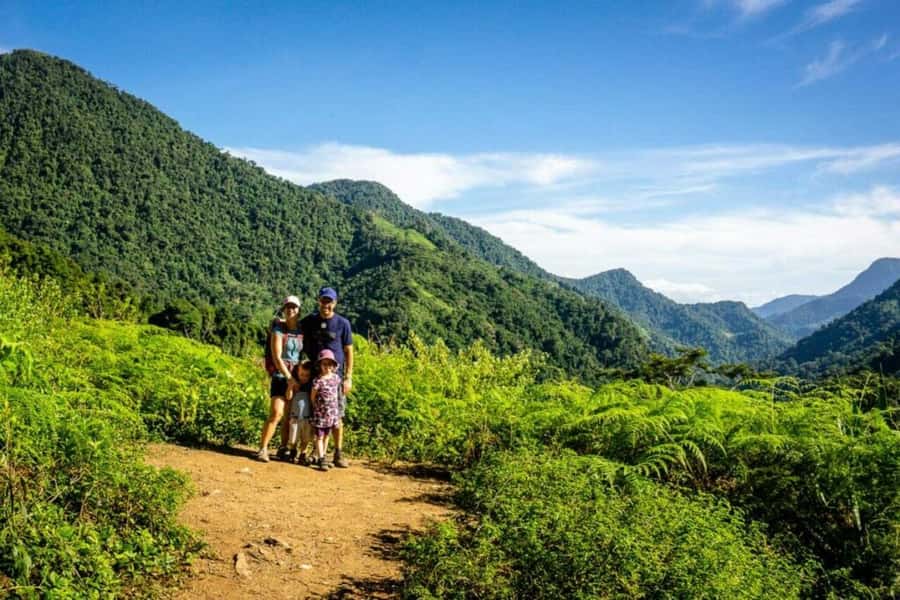
The final approach is the emotional high point of the trek. The stone staircase rises through dense jungle, and the damp conditions can make each step slow. Good hiking shoes with firm grip matter here. Flip-flops belong in your bag, not on this trail.
At the top, your guide explains the terraces, tiled roads, circular plazas, relics, and stories tied to the Tayrona people. Give yourself time to look beyond the best-known viewpoint. The value of the visit comes from understanding how the settlement was shaped into the mountainside and why the site remains important to indigenous communities.
You can take photographs, but drones are not allowed. Carry a charged phone, yet do not let the camera turn the visit into a checklist. The place is most rewarding when you pause and listen to the guide’s explanation.
The return begins the same day on the four-day schedule. That means reaching the Lost City is only the halfway point of a demanding day. Build your mental plan around the full return, not just the summit.
The return journey to Santa Marta
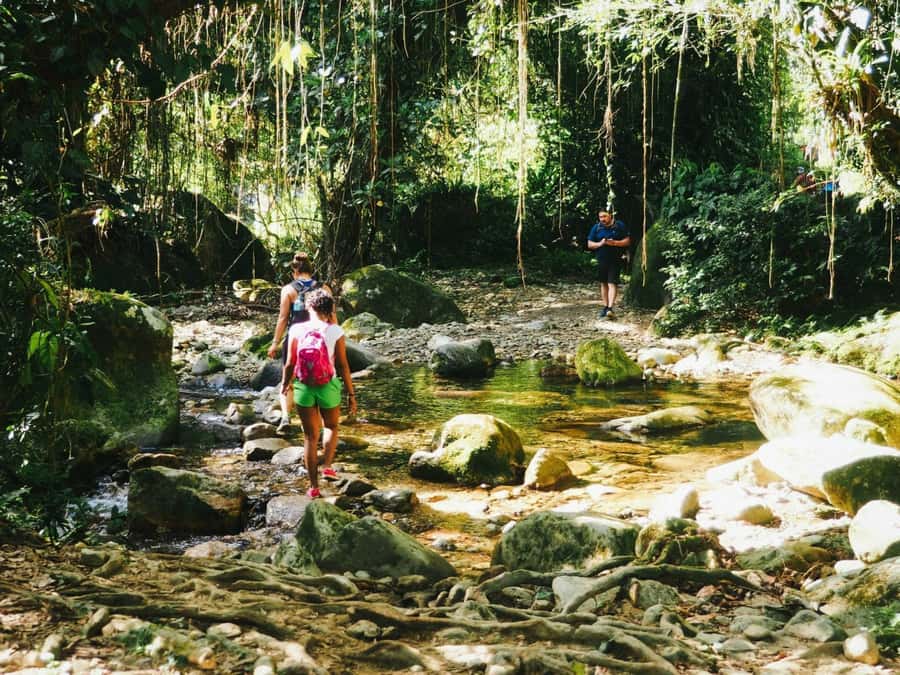
After the Lost City visit, the group retraces much of the route. On day four of the shorter itinerary, you walk for about two hours to the camp used on the first night. Four-day participants rest briefly, have fruit and water, then continue for another four hours to El Mamey.
At El Mamey, lunch comes before the 4WD ride back to Santa Marta. The five-day option spends that afternoon at camp instead, with dinner and another night in the jungle. The six-day program uses a similar slower return, reaching a camp for lunch and rest before the final walk to El Mamey on day six.
The return is less glamorous than the arrival, but it is where fatigue becomes important. Your knees and feet may notice the descents more than the climbs. Trekking poles are not listed among the required items, so do not assume they will be supplied. If you use them, arrange your own equipment before setting out.
Camps, meals, water, and what to pack
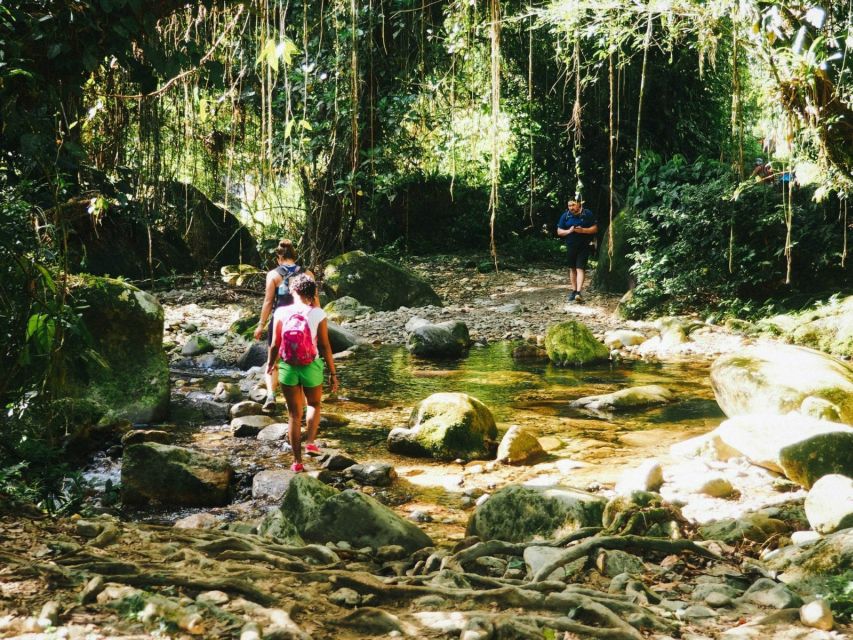
Breakfast, lunch, and dinner are included, along with purified water, fruit, and snacks during the walk. Drinks beyond water cost extra, so carry cash for any additional purchases. The food is designed to keep you moving, but do not expect restaurant variety or city-level service.
The camps belong to local communities and operate independently. Service can therefore vary. The practical upside is that your spending goes into the area, and the experience stays tied to the people who live along the route.
Pack light. Your main suitcase can be stored during the trek, while you carry a daypack. Bring quick-dry clothing, warm layers for cooler nights, socks, insect repellent, sunscreen, toiletries, personal medication, rain gear, a flashlight, swimwear, a towel, and a charged smartphone.
A waterproof bag or reliable dry bag is a smart addition for electronics and spare clothes. Rain commonly arrives around sunset, and sections of the trail can become muddy and slippery. You may also cross rivers or streams, so protect anything you cannot afford to get wet.
How hard is the trek?
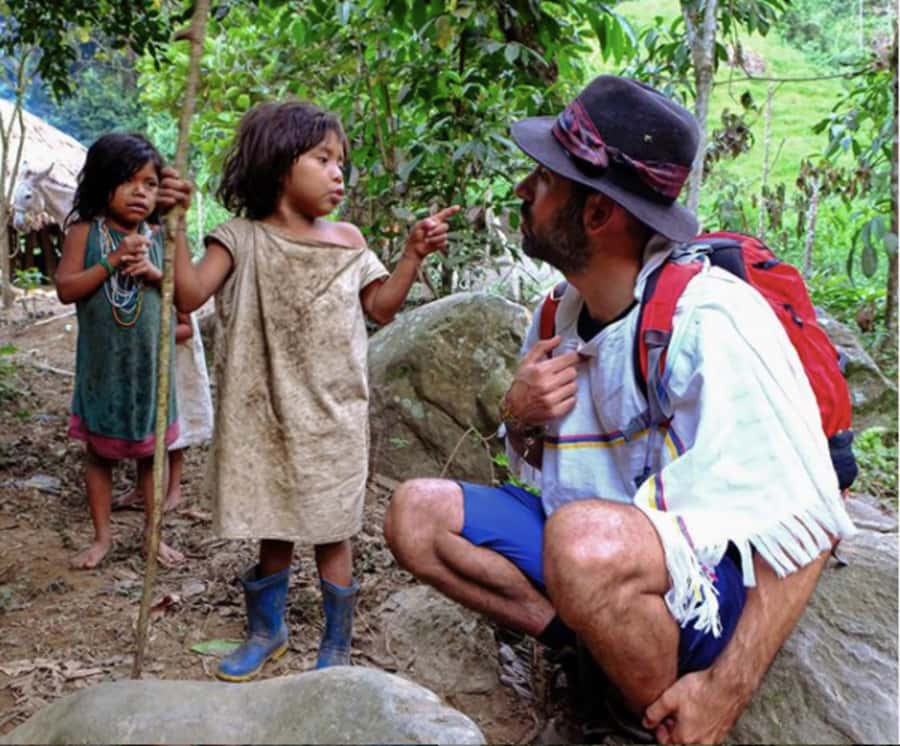
The honest answer is hard. The route is not suitable for pregnant women or wheelchair users, and the published itinerary describes several seven-hour walking days. One rating described the trek as physically and mentally exhausting, which is a fair warning.
You do not need to be an elite athlete, but you should be comfortable walking for hours in heat and humidity. Train with hills if possible. Break in your hiking shoes before arriving in Santa Marta. A blister on day one can ruin the final climb.
The small group limit of 15 helps. A guide can keep the group together, explain difficult sections, and provide encouragement when energy drops. Guide teams have included English and Spanish speakers, and interpreters may be part of the group. Ask at booking which language support is assigned to your departure.
The trek also carries accident insurance, but that is not a substitute for sensible preparation. Tell the guide about medical needs, carry your medication, and keep your own water and rain protection close.
Is $713 a fair price?
At $713 per person, this is expensive compared with an ordinary multi-day hike. The fare covers four to six days of guiding, the archaeological entrance, jungle accommodation, all main meals, purified water, snacks, 4WD transfers, accident insurance, luggage storage, and contributions to indigenous communities.
That bundle makes the price easier to understand. You are not paying only for a guide and a ruin. You are paying for food and shelter along a remote route, local transport, access fees, cultural support, and the practical work of moving a small group through difficult conditions.
Still, value depends on your expectations. Camps are basic, drinks beyond water cost extra, and additional items such as soft drinks or optional transport may not be included. One concern raised about a departure involved food poisoning and uncomfortable, overcrowded transport, so you should not expect every part of the operation to feel polished.
The local-community model is meaningful, but it also means accommodation and food services are run by independent operators. The tour company aims to provide a good standard, yet conditions are not the same as at a hotel in Santa Marta.
Who should book this experience?
Book it if you want a genuine physical challenge, ancient ruins reached on foot, and direct contact with the cultures of the Sierra Nevada. It is especially suited to people who value a guide’s explanations and are happy to trade comfort for access.
The six-day route is best for a slower pace and more cultural time. The four-day route suits a tight schedule and strong legs. The five-day option gives you a sensible compromise.
Think twice if you dislike humidity, mud, mosquitoes, basic beds, shared camp facilities, or long uphill walks. This is not a sightseeing bus with a short jungle stroll attached.
Pickup is available within Santa Marta’s urban perimeter, Rodadero, and Taganga. It does not include Bonda, Minca, Palomino, or places outside that area. Free cancellation is available up to 24 hours before departure, and you can reserve before paying, which helps if your Colombia plans are still shifting.
Should you book the Lost City trek?
I would book this trek if the journey matters as much to you as the ruins. The strongest parts are the river stops, indigenous cultural context, small-group guiding, and the satisfying sense of reaching a place that cannot be visited casually.
Choose six days for comfort within the limits of a jungle trek. Choose four days only when time is tight and you are well prepared. At $713, the trip asks a lot of your body and your budget, but it includes the core costs and supports local communities along the route.
Pack for rain, train for hills, and arrive ready for basic conditions. If you do, the 1,200 steps lead to more than a photo. They lead you into one of Colombia’s most demanding and memorable journeys.
FAQ
How long is the Lost City trek?
You can choose a 4, 5, or 6-day trek. The four-day option is the fastest, while the longer routes allow more time for rest, riverside stops, and cultural visits.
Where does the trek begin?
The walking portion begins at El Mamey, reached by a roughly three-hour 4WD journey from Santa Marta.
How many steps lead to the Lost City?
The final approach includes about 1,200 stone steps built on a trail associated with the Tayrona people.
What is included in the price?
The price includes breakfast, lunch, dinner, purified water, fruit and snacks, the archaeological entrance, jungle accommodation, 4WD transport between Santa Marta and El Mamey, guide service in Spanish and English, accident insurance, luggage storage, and contributions to indigenous communities.
Where will I sleep?
You will sleep in jungle camps in hammocks or beds with mosquito nets. Camps have electricity, toilets, and showers.
What weather should I expect?
Daytime temperatures are usually around 26 to 32 C. Nights can cool to about 18 C. Rain often occurs near sunset, and parts of the trail can become muddy and slippery.
Can I join if I use a wheelchair or am pregnant?
The trek is not suitable for wheelchair users or pregnant women.
What areas have included pickup from Santa Marta?
Pickup includes the Santa Marta urban perimeter, Rodadero, and Taganga. Pickup is not included from Bonda, Minca, Palomino, or areas outside the urban perimeter.
Just added around Santa Marta
- Minca, Marinka Waterfall & Hostel Sierra Minca★ 4.7 · 3 reviews
- Diving Santa Marta & Tayrona for Certified Divers (2 tanks)★ 3.9 · 3 reviews
- Santa Marta: Museum of the Sea and Playa Blanca Beach Tour★ 4.8 · 3 reviews
- Palomino: Private Tour to Tungueka Indigenous Village★ 3.7 · 3 reviews
- Tour to Punta Gallinas with Cabo de la Vela 3 Days★ 3.3 · 4 reviews
- Tayrona Park & Playa Cristal★ 3.8 · 4 reviews
- SANTAMARTA: TOUR Remanso, Taganga, Playa Grande Lunch and Snorkeling Included★ 3.5 · 4 reviews
- Avistamiento de aves en Minca Sierra Nevada de Santa Marta★ 5.0 · 4 reviews
Santa Marta Tours, compared.
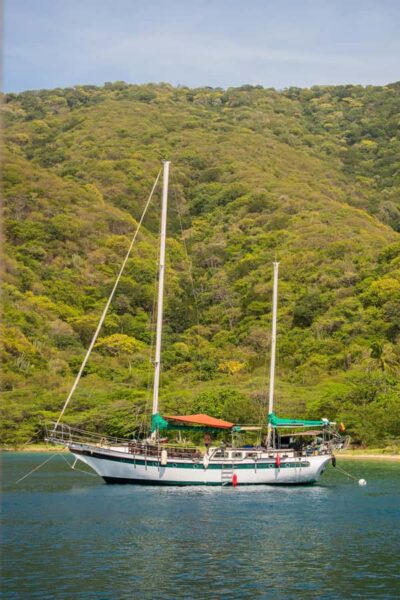
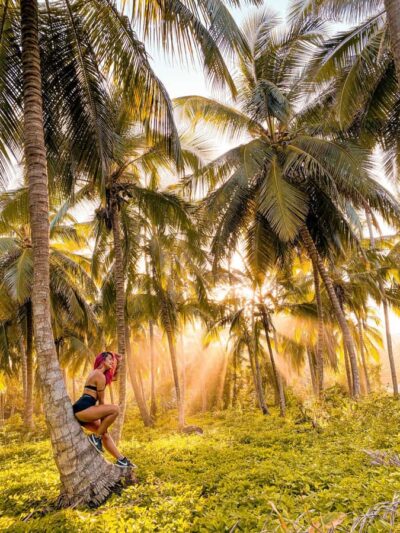
From Santa Marta: Tayrona National Park Guided Tour
Read our review →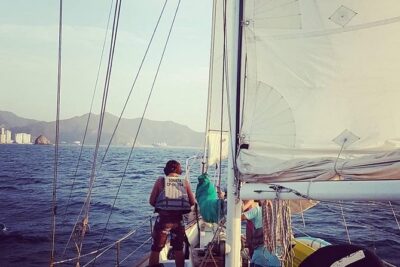
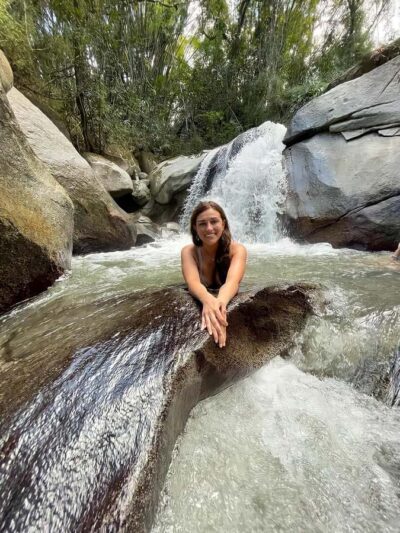
Santa Marta: Minca Coffee, Cocoa, & Waterfall Full-Day Trip
Read our review →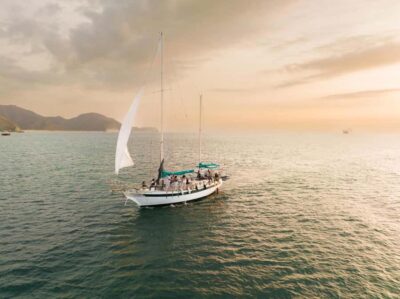
From Santa Marta: Sunset Sailboat Tour with 2 Beverages
Read our review →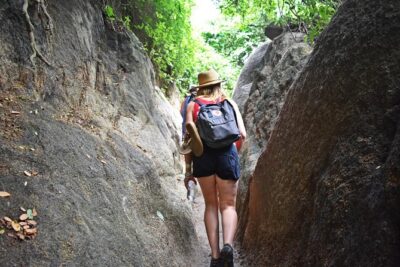
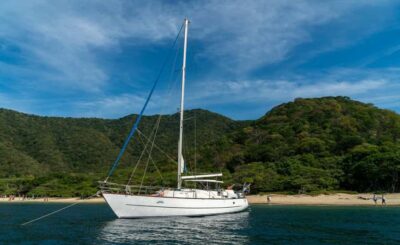
Santa Marta: Sailing Tour to Tayrona Park with Luis’ Team
Read our review →
Browse the lists this tour appears in